Pennsylvania Notice of Default on Residential Lease
What this document covers
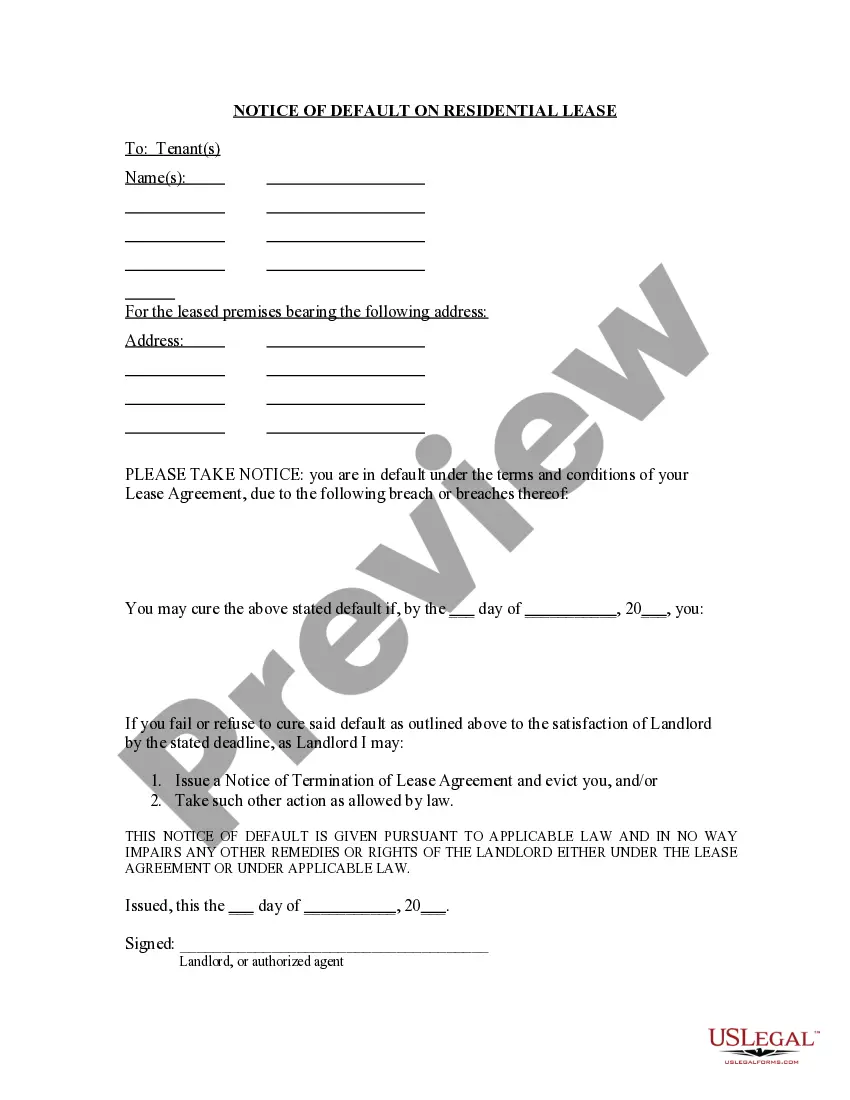
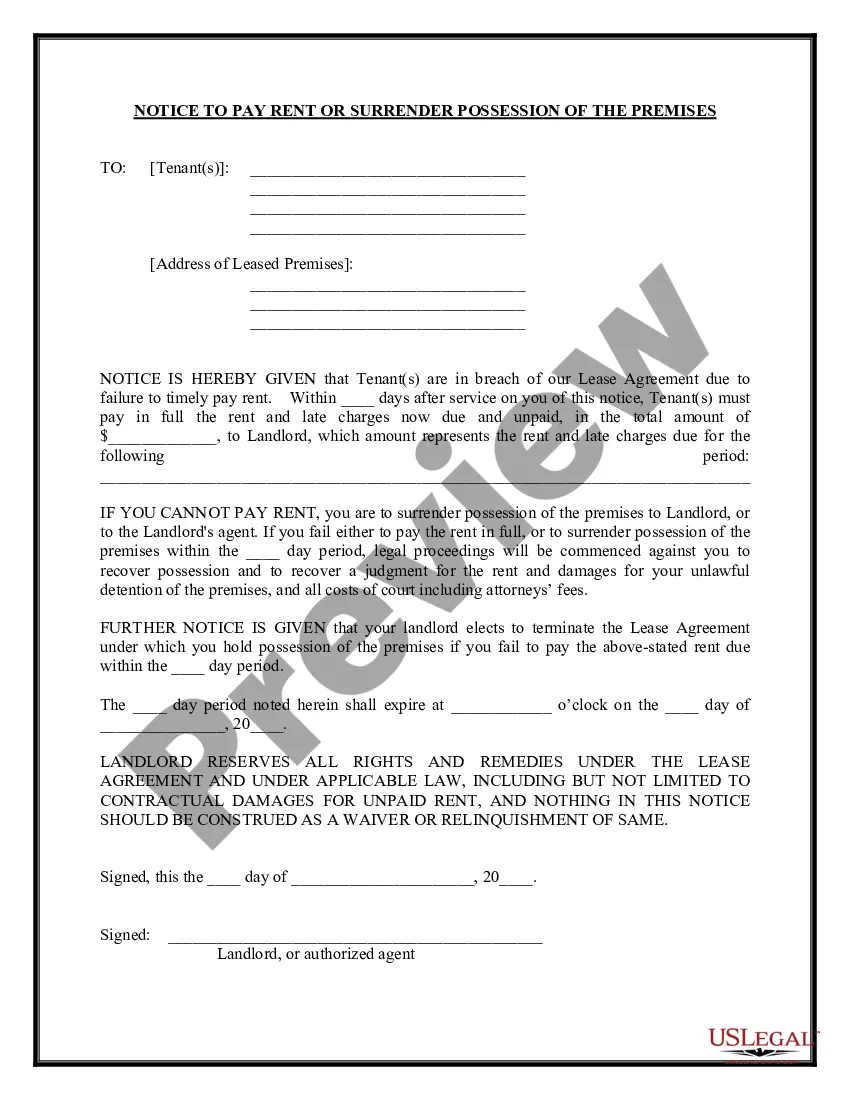
The Notice of Default on Residential Lease is a legal document used by landlords to formally inform tenants that they are in default of their lease agreement, typically due to unpaid rent. This notice specifies the exact reasons for the default and establishes a timeline for the tenant to remedy the situation. Understanding this notice is essential for both landlords and tenants, as it outlines the potential consequences of not addressing the default and serves as a prerequisite before initiating eviction proceedings.
Form components explained
- Tenant information: Includes the name and address of the tenant being notified.
- Reasons for default: Clearly states the specific reasons for the default, usually unpaid rent.
- Deadline to cure: Provides a date by which the tenant must correct the default.
- Consequences of inaction: Details that failure to cure the default may lead to eviction proceedings.
- Landlord information: Contains the name and signature of the landlord or authorized agent.


When this form is needed
This form should be used when a tenant fails to pay their rent by the due date, and the landlord wishes to notify them formally of this default. It is typically the first step in the eviction process, allowing the tenant an opportunity to remedy the situation before further action is taken. Use this form if you wish to ensure that you are following legal requirements before proceeding with eviction or other remedies.
Who should use this form
- Landlords who need to inform tenants of a rent payment default.
- Property managers acting on behalf of landlords.
- Real estate professionals managing rental properties.
- Tenants wishing to understand their rights in the case of received notices.
How to prepare this document
- Identify the tenant: Enter the full name and address of the tenant receiving the notice.
- Specify the default: Clearly outline the reason for the default, such as the specific amount of rent due.
- Enter the cure date: Specify the deadline by which the tenant must cure the default.
- Provide consequences: Mention that failure to comply may result in eviction or other legal actions.
- Sign the form: The landlord or authorized agent should sign and date the notice to validate it.
Notarization requirements for this form
This form usually doesn’t need to be notarized. However, local laws or specific transactions may require it. Our online notarization service, powered by Notarize, lets you complete it remotely through a secure video session, available 24/7.
Get your form ready online
Our built-in tools help you complete, sign, share, and store your documents in one place.
Make edits, fill in missing information, and update formatting in US Legal Forms—just like you would in MS Word.
Download a copy, print it, send it by email, or mail it via USPS—whatever works best for your next step.
Sign and collect signatures with our SignNow integration. Send to multiple recipients, set reminders, and more. Go Premium to unlock E-Sign.
If this form requires notarization, complete it online through a secure video call—no need to meet a notary in person or wait for an appointment.
We protect your documents and personal data by following strict security and privacy standards.

Make edits, fill in missing information, and update formatting in US Legal Forms—just like you would in MS Word.

Download a copy, print it, send it by email, or mail it via USPS—whatever works best for your next step.

Sign and collect signatures with our SignNow integration. Send to multiple recipients, set reminders, and more. Go Premium to unlock E-Sign.

If this form requires notarization, complete it online through a secure video call—no need to meet a notary in person or wait for an appointment.

We protect your documents and personal data by following strict security and privacy standards.
Typical mistakes to avoid
- Failing to provide specific reasons for the default.
- Not including the required deadline to cure the default.
- Neglecting to sign the notice, which can invalidate the document.
- Using vague language that does not clearly communicate the tenant's obligations.
Benefits of completing this form online
- Easy access: Downloadable and customizable to meet individual needs.
- Legal compliance: Drafted by licensed attorneys for reliable legal standing.
- Time-saving: Quickly generate the notice without needing to consult a lawyer.
- Convenience: Fill out the form at your own pace and keep records of all correspondence.
Legal use & context
- This form is legally recognized in tenant-landlord disputes regarding rental agreements.
- It assists landlords in documenting a tenant's breach of contract.
- Failure to use this notice properly may hinder future eviction proceedings.
Key takeaways
- The Notice of Default on Residential Lease is essential for formal communication of lease violations.
- Clear deadlines and accurate details are critical to the enforceability of the notice.
- This form aids landlords in legally protecting their interests regarding tenant payment obligations.
Looking for another form?



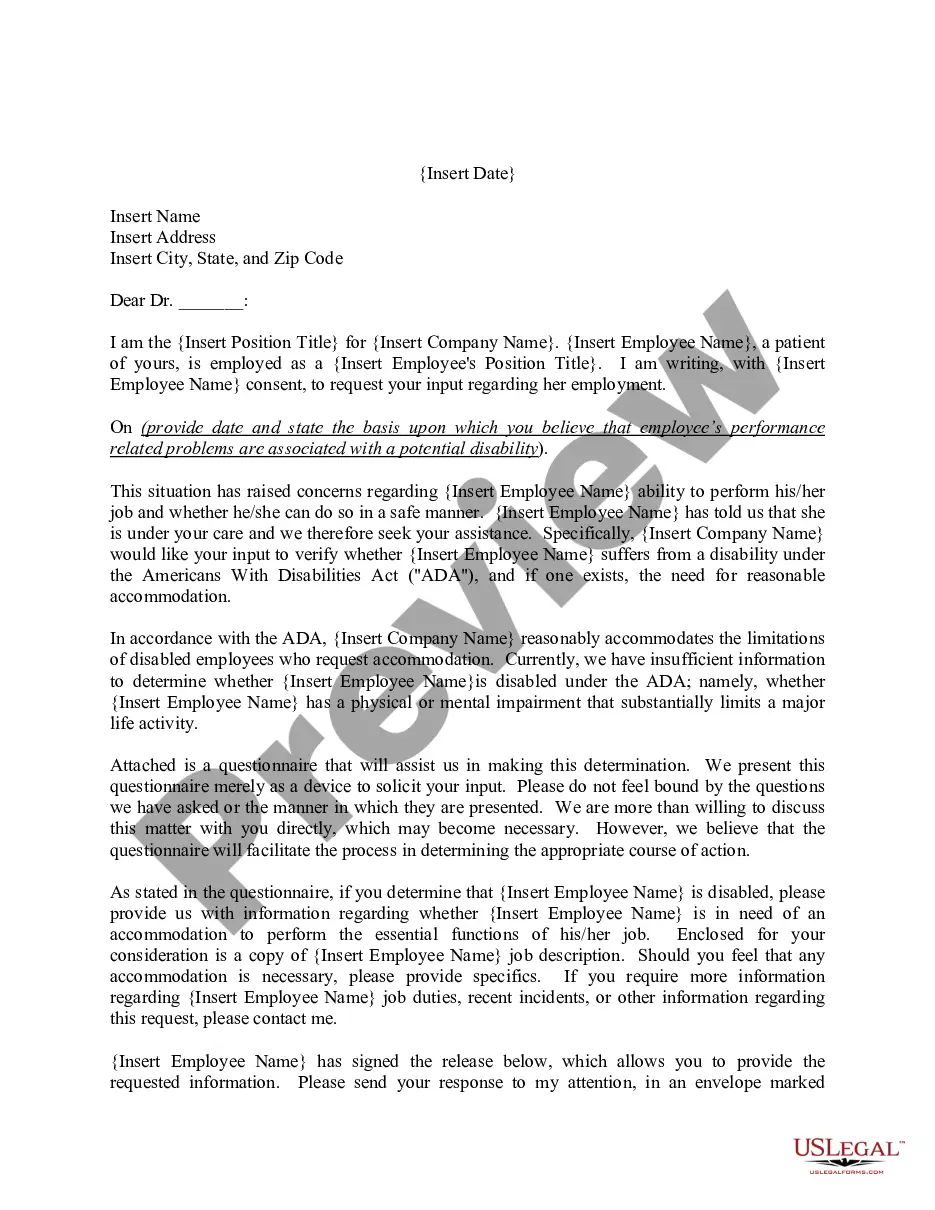


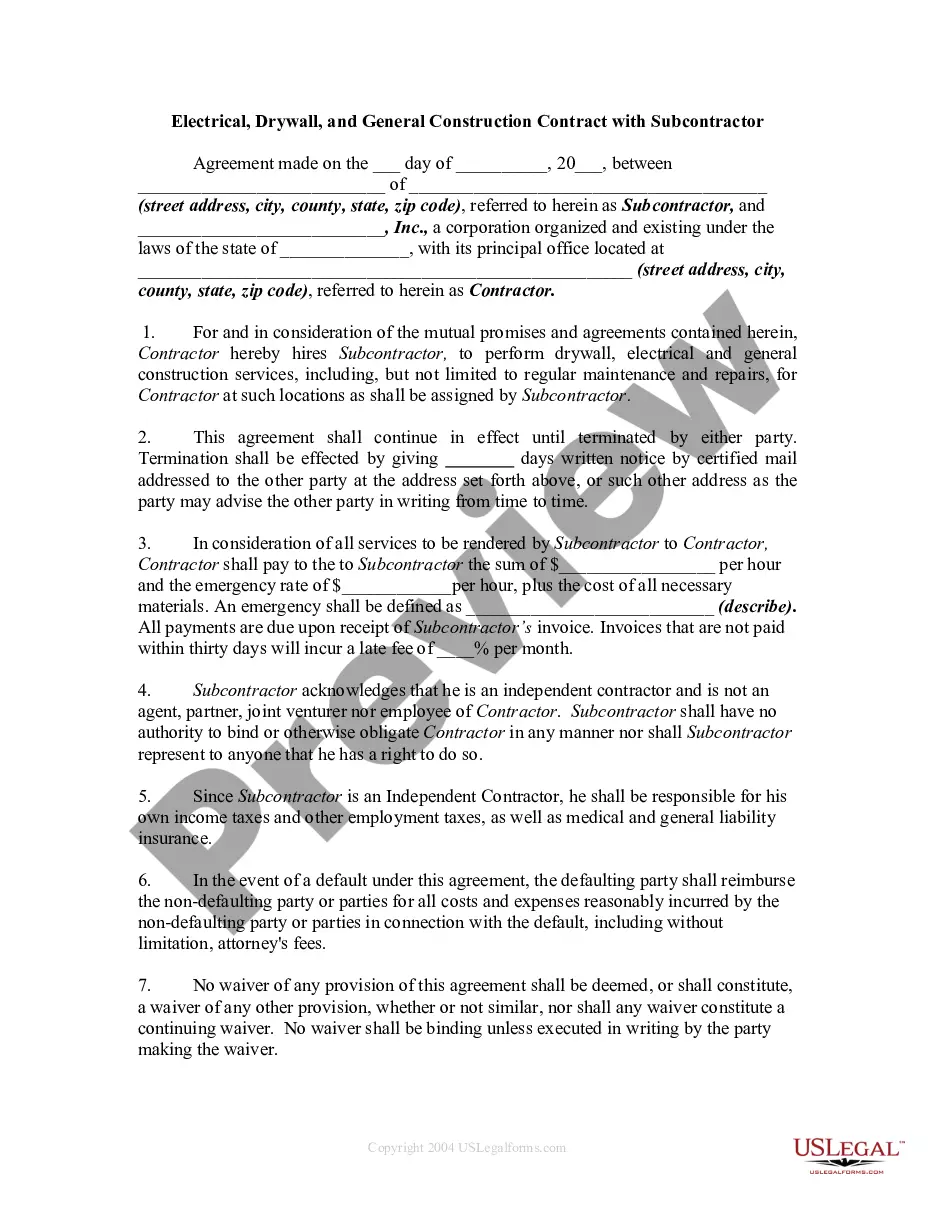
Form popularity
FAQ
The Landlord/Tenant Act requires your landlord to give you a written eviction notice. This notice must be a 10-day notice if he/she is evicting you for nonpayment of rent, or 15 days if the eviction is for breach of the lease or end of lease term.
Your lease agreement will state what constitutes a default of the lease as well as if there is any grace period in making lease payments. Not making a contractually required monthly payment will normally be a breach of the lease and the lessor can then repossess the vehicle from you.
Absent a rental agreement, the landlord is required to provide the tenant with at least 15 days' notice of any changes to the lease. Regarding a year-to-year or definite lease term, at least 30 days' notice is required if the landlord wants to make any changes to the lease or terminate the tenancy.
Answer. Tenants have the right to "quiet enjoyment" of their home. Unless there is an emergency, your landlord or their agent must give you at least 24 hours' notice if they intend to visit.Apart from genuine emergencies, landlords cannot enter a tenant's home without their consent unless they have a court order.
Landlord Right to Entry in PennsylvaniaPennsylvania does not have any laws regarding landlord right to entry. As such, landlords are legally allowed to enter units whenever they want, though most landlords and tenants have some kind of entry notification policy in the lease agreement.
No. Many Pennsylvania courts have said your landlord cannot evict you by self-help, meaning such things as padlocking your door, shutting off your utilities, using force to evict you, or using any eviction method other than going to court.
Harrisburg, PA. (WHTM) Despite a moratorium on evictions, Pennsylvanians can still be forced out of their homes.
They don't have to give you any reasons why they want to evict you. They have to give you at least 28 days notice, but this could be longer depending on your agreement. If you don't leave by the time your notice ends, your landlord has to go to court to get a court order to make you leave.
A default is a failure to comply with a provision in the lease. Curing or remedying the default means correcting the failure or omission. A common example is a failure to pay the rent on time.Typically a lease will give the parties adequate notice and time to fix the problem before more drastic action is taken.