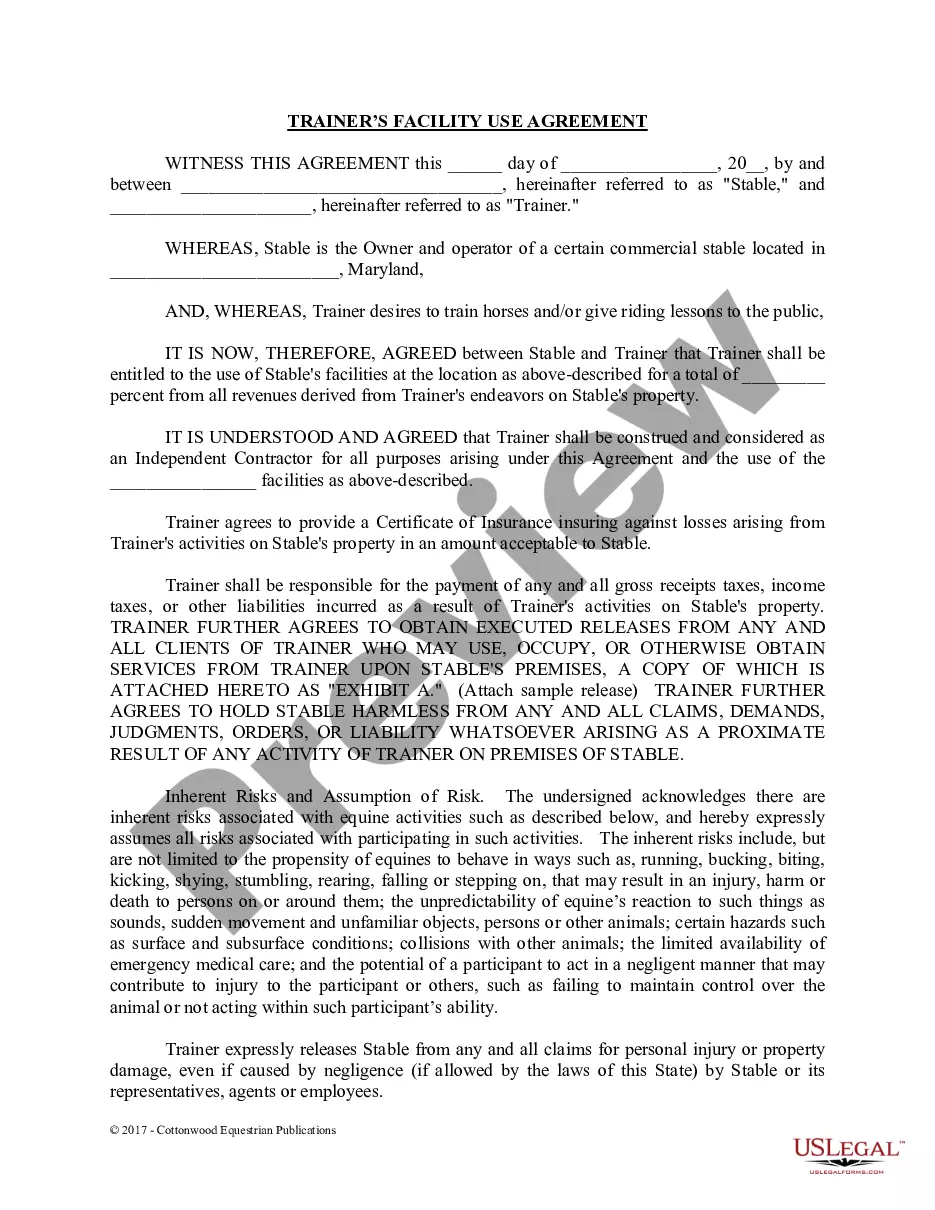
Pennsylvania Letter from Tenant to Landlord containing Notice that heater is broken, unsafe or inadequate and demand for immediate remedy
About this form
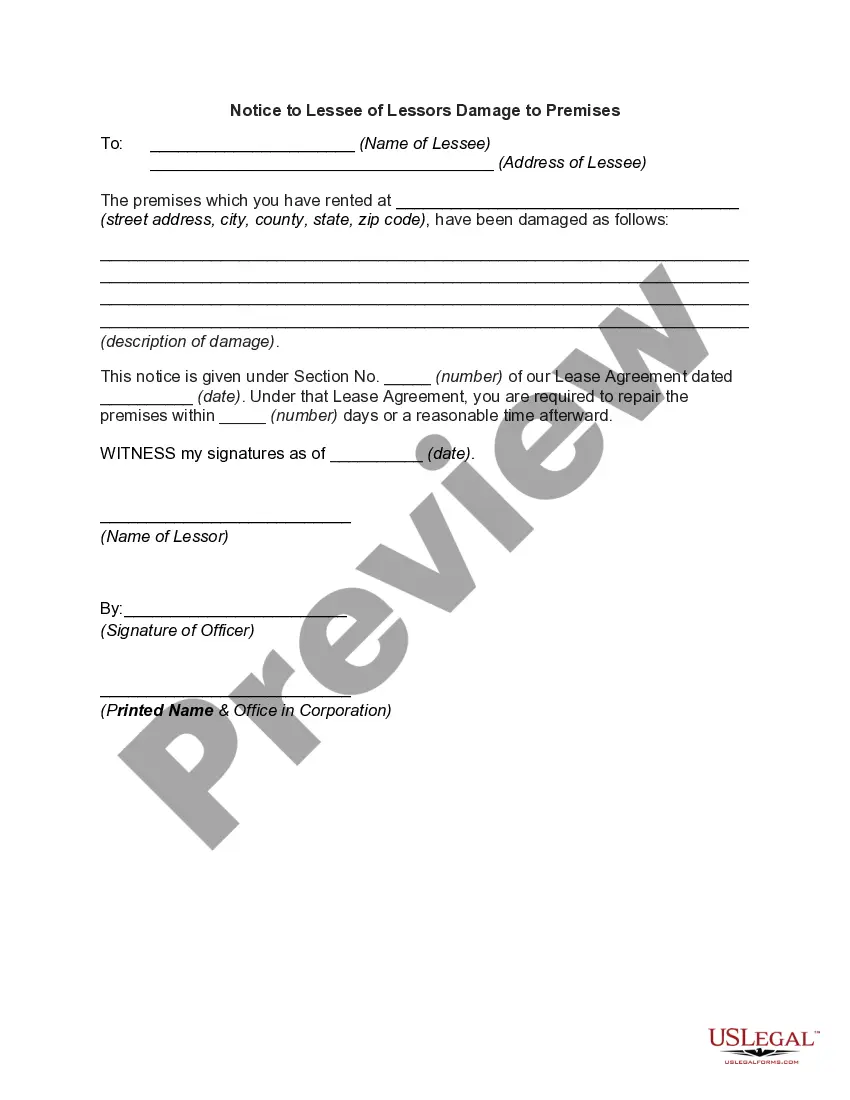
This form is a Letter from Tenant to Landlord containing Notice that the heater is broken, unsafe, or inadequate and demand for immediate remedy. It allows the tenant to formally notify the landlord of heating system issues, indicating a breach of the landlord's duty to maintain the property in a safe and habitable condition. This form stands out because it specifically addresses heating problems, which is crucial during colder months when adequate heating is essential for tenant well-being.
Key components of this form
- Contact information of the tenant and landlord.
- Description of the heating issue, including safety concerns.
- Statement of the landlord's breach of duty regarding property maintenance.
- Demand for immediate repairs to be initiated.
- Proof of delivery options for the notice.


Common use cases
This form should be used when a tenant discovers that the heating system in their rental unit is malfunctioning, unsafe, or inadequate. It is particularly important to use this form during the winter months when adequate heating is a necessity for health and safety. If the landlord has not responded to previous informal requests for repair, this official notice serves to escalate the issue and seeks prompt action.
Who this form is for
This form is intended for:
- Tenants experiencing issues with inadequate or unsafe heating in their lease premises.
- Individuals who have attempted informal communication with their landlord but have not received a satisfactory response.
- Renters seeking to formalize their request for repairs in compliance with local housing laws.
How to prepare this document
- Enter your name and contact information as the tenant.
- Include the landlord's name and address.
- Clearly describe the issue with the heating system, noting any safety concerns.
- State that the landlord has breached their duty to maintain the property.
- Specify your demand for immediate repairs.
- Sign and date the notice, and choose a proof of delivery method.
Notarization requirements for this form
This form does not typically require notarization to be legally valid. However, some jurisdictions or document types may still require it. US Legal Forms provides secure online notarization powered by Notarize, available 24/7 for added convenience.
Get your form ready online
Our built-in tools help you complete, sign, share, and store your documents in one place.
Make edits, fill in missing information, and update formatting in US Legal Forms—just like you would in MS Word.
Download a copy, print it, send it by email, or mail it via USPS—whatever works best for your next step.
Sign and collect signatures with our SignNow integration. Send to multiple recipients, set reminders, and more. Go Premium to unlock E-Sign.
If this form requires notarization, complete it online through a secure video call—no need to meet a notary in person or wait for an appointment.
We protect your documents and personal data by following strict security and privacy standards.

Make edits, fill in missing information, and update formatting in US Legal Forms—just like you would in MS Word.

Download a copy, print it, send it by email, or mail it via USPS—whatever works best for your next step.

Sign and collect signatures with our SignNow integration. Send to multiple recipients, set reminders, and more. Go Premium to unlock E-Sign.

If this form requires notarization, complete it online through a secure video call—no need to meet a notary in person or wait for an appointment.

We protect your documents and personal data by following strict security and privacy standards.
Avoid these common issues
- Failing to provide accurate contact information for both parties.
- Not clearly stating the severity of the heating issue.
- Neglecting to keep a copy of the notice for personal records.
- Using informal language instead of the formal tone required for legal notices.
Advantages of online completion
- Immediate access to a professionally drafted legal document.
- Editability allows for customization to fit specific circumstances.
- Downloadable format provides convenience for record keeping.
- Drafted by licensed attorneys to ensure compliance with state laws.
Legal use & context
- The letter serves as formal documentation of your heating issue.
- It helps to establish a paper trail if further legal action becomes necessary.
- The notice reinforces the landlord's duty to maintain the property in a livable condition.
Quick recap
- Promptly address heating issues with your landlord using this formal notice.
- Ensure all required information is accurately filled in to avoid delays.
- Keep a copy of the notice for your records for any potential legal actions.
Looking for another form?


Form popularity
FAQ
That being said, we recommend at least 24 hours of notice. The majority of our Pennsylvania landlords noted that they provide the tenant with at least 48-hours notice before entering the premises. The notice must be given in writing and must state the nature of the repair.
The Landlord/Tenant Act requires your landlord to give you a written eviction notice. This notice must be a 10-day notice if he/she is evicting you for nonpayment of rent, or 15 days if the eviction is for breach of the lease or end of lease term.
Your landlord or their representatives may be allowed reasonable access to carry out inspections or repairs, but must first get your permission. According to Section 11, from The Landlord and Tenant Act 1985, your landlord needs to give you at least 24 hour notice before they come around and visit for any reason.
For lease or rental agreement violations, the landlord must give the tenant 15 days to move out (for lease terms of one year or less) or 30 days (for leases of one year or more).
Notice is posted to correct the issue/vacate. If uncured and tenant remains, the complaint is filed and served. Hearing is held and judgment issued. If granted, writ of possession is posted. Possession of property is returned to landlord.
You have the right to enjoy your property and not have your landlord interfere with that enjoyment unless it is necessary. Pennsylvania tenant rights allow landlords to enter a dwelling only for repairs or inspections, and only after providing reasonable notice.
No. Many Pennsylvania courts have said your landlord cannot evict you by self-help, meaning such things as padlocking your door, shutting off your utilities, using force to evict you, or using any eviction method other than going to court.
The Landlord/Tenant Act requires your landlord to give you a written eviction notice. This notice must be a 10-day notice if he/she is evicting you for nonpayment of rent, or 15 days if the eviction is for breach of the lease or end of lease term.