Oregon Notice of Default on Residential Lease
Understanding this form
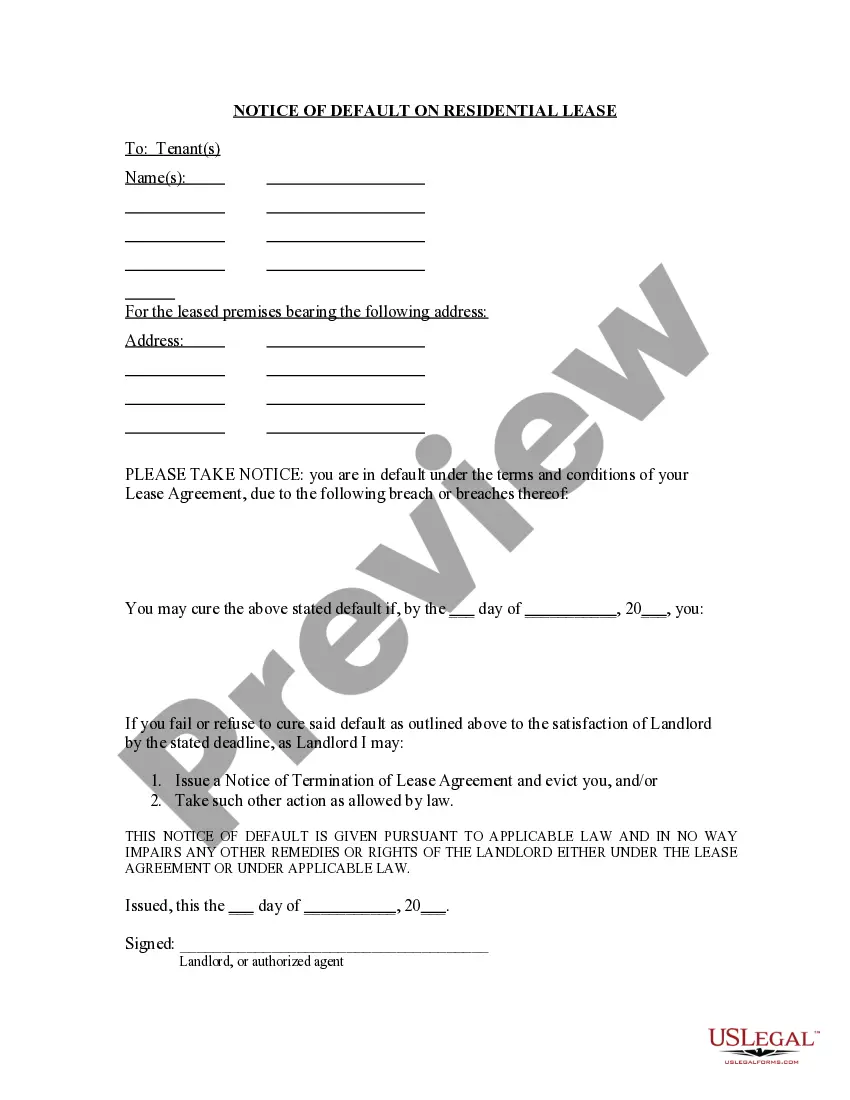
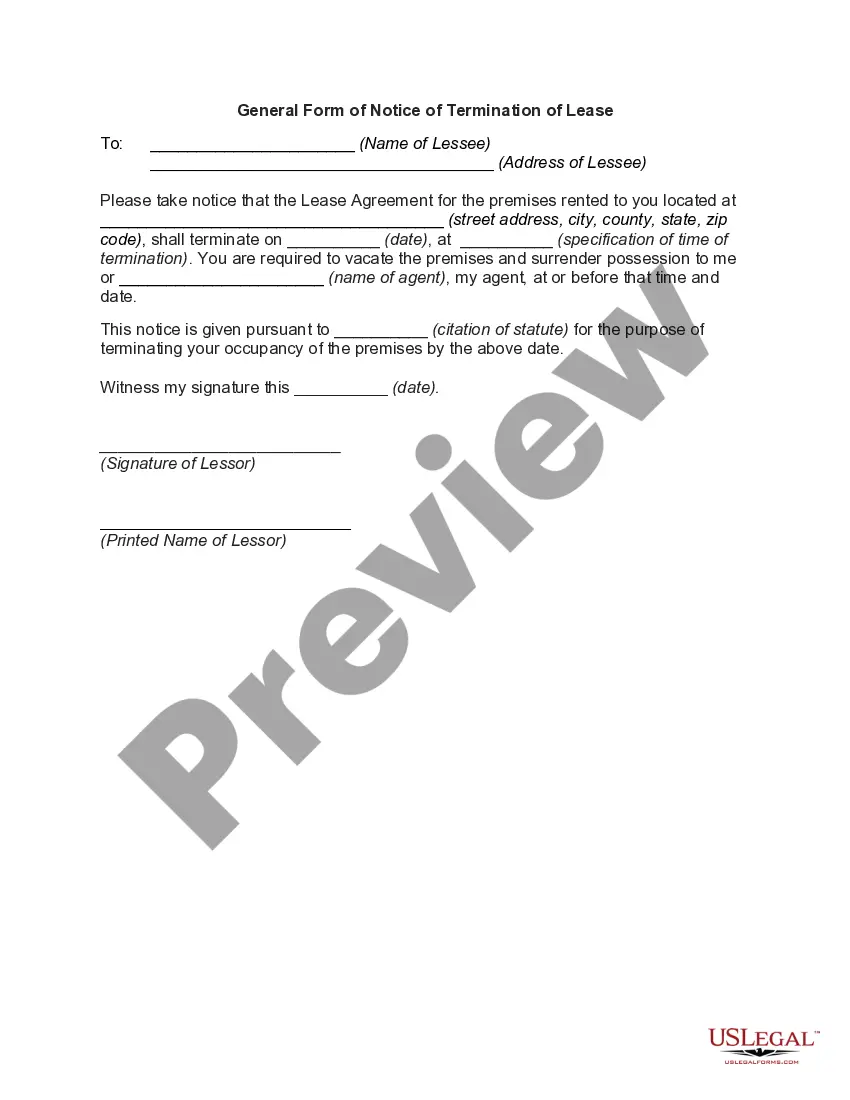
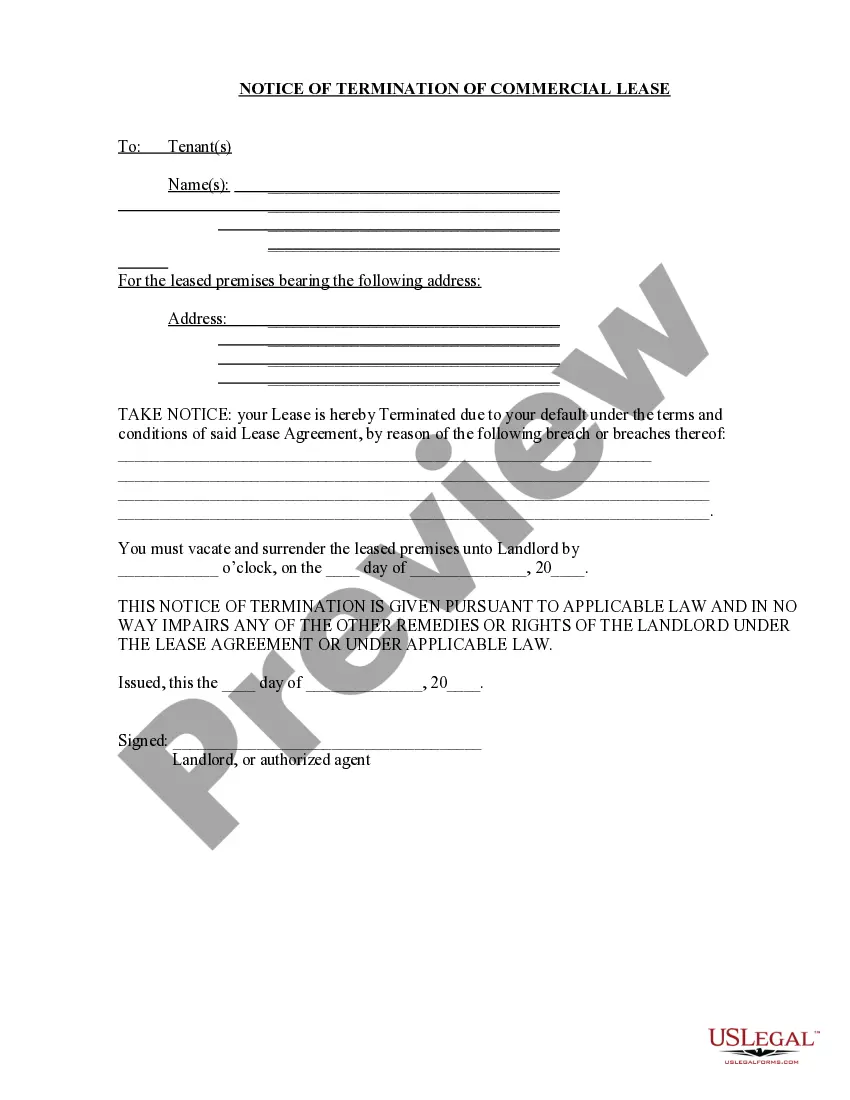
The Notice of Default on Residential Lease is a legal document notifying a tenant of their default on the rental agreement. It serves as a formal warning that details specific reasons for the default, along with a deadline for the tenant to remedy the situation. Unlike other eviction notices, this form is crucial as it provides the tenant with an opportunity to cure the default before any further legal action is taken by the landlord. This process is essential in the landlord-tenant relationship, particularly regarding rent payments and compliance with lease terms.
Key parts of this document
- Notice date: The date the notice is issued.
- Tenantâs details: Specific information about the tenant receiving the notice.
- Reasons for default: Clear outline of the reasons for the default, typically focused on nonpayment of rent.
- Deadline to cure: A specified date by which the tenant must address the default.
- Landlordâs information: Signature line for the landlord or authorized agent.


Situations where this form applies
This form should be used when a tenant has failed to meet their rental obligations, particularly in failing to pay rent. It serves as the initial step before taking further legal actions such as eviction. Landlords typically use this form to ensure that tenants are aware of their default status and have a defined opportunity to rectify the situation, thus maintaining legal compliance and protecting their rights.
Who should use this form
- Property owners and landlords who lease residential properties.
- Real estate management companies responsible for overseeing rental agreements.
- Landlords pursuing legal remedies to address defaulting tenants.
- Individuals seeking to formally notify a tenant of their lease defaults.
Steps to complete this form
- Identify the date you are issuing the notice.
- Enter the tenant's full name and address.
- Clearly state the reasons for default, such as missed rent payments.
- Specify a deadline by which the tenant must cure the default.
- Sign the document as the landlord or by an authorized agent.
Does this form need to be notarized?
This form does not typically require notarization unless specified by local law. Always check your local regulations to confirm the requirements.
Get your form ready online
Our built-in tools help you complete, sign, share, and store your documents in one place.
Make edits, fill in missing information, and update formatting in US Legal Forms—just like you would in MS Word.
Download a copy, print it, send it by email, or mail it via USPS—whatever works best for your next step.
Sign and collect signatures with our SignNow integration. Send to multiple recipients, set reminders, and more. Go Premium to unlock E-Sign.
If this form requires notarization, complete it online through a secure video call—no need to meet a notary in person or wait for an appointment.
We protect your documents and personal data by following strict security and privacy standards.

Make edits, fill in missing information, and update formatting in US Legal Forms—just like you would in MS Word.

Download a copy, print it, send it by email, or mail it via USPS—whatever works best for your next step.

Sign and collect signatures with our SignNow integration. Send to multiple recipients, set reminders, and more. Go Premium to unlock E-Sign.

If this form requires notarization, complete it online through a secure video call—no need to meet a notary in person or wait for an appointment.

We protect your documents and personal data by following strict security and privacy standards.
Avoid these common issues
- Failing to specify the exact reasons for default.
- Not providing a clear deadline for the tenant to remedy the situation.
- Omitting the landlord's signature or contact details.
- Issuing the notice without understanding local laws regarding defaults.
Advantages of online completion
- Fast and convenient access to legally compliant templates.
- Edit and customize the form to suit your specific needs.
- Reliable source provided by licensed attorneys, ensuring legal accuracy.
Legal use & context
- This notice serves as a formal communication regarding lease compliance and tenant responsibilities.
- Landlords must comply with state laws regarding notice periods and acceptable forms of delivery.
- Failure to properly issue a notice may affect a landlord's ability to pursue eviction or other legal remedies.
Main things to remember
- The Notice of Default on Residential Lease is a crucial step in addressing tenant lease violations.
- Clear communication of the default and consequences is essential for legal compliance.
- Proper completion and delivery of the notice can help protect a landlord's rights in legal proceedings.
Looking for another form?
Form popularity
FAQ
The tenant must give the landlord notice of their intention to move out within 90 days of the event causing the need to move. The notice must be given to the landlord at least 14 days before the tenant intends to move out.
At-will tenancy is subject to the will of both the tenant and the landlord (hence the name). In other words, the tenant can choose to leave and stop paying rent at any time, and the landlord can choose to stop accepting rent and ask the tenant to leave at any time.
Oregon law allows up to 1.5X rent for lease break fee. But I did not specify the early lease termination fee clause in the rental agreement (lesson learned). If my lease said "Landlord and tenant agree to abide by all state, federal, local laws or adopted rules and regulations.
Tenant default occurs when a Tenant breaches one of the tenant's covenants in its lease. Tenant default can arise in a number of different ways but will typically be for one of the following: Non-payment of rent or other sums reserved under the lease.
Declare a Constructive Eviction. Point Out Landlord Breaches to Reduce Your Debt. Landlords Have a Duty to Mitigate Their Damages. Consequences for Breaking Your Lease. Look for These Clauses in Your Lease. Your Landlord May Have a Duty to Mitigate. Declare a Constructive Eviction.
In landlord-tenant law, default refers to the failure of a tenant to timely pay rent due.In general, the landlord is required to give the tenant notice of the default before bringing eviction proceedings or applying security deposit proceeds to the payment in default.
Unless such a condition is explicitly stated in the lease or there is a rare jurisdictional law that requires a cooling period, your lease is binding the second you sign your name. The landlord has the right to decide whether to mutually agree to terminate the lease or to hold you to the terms.
You can help the situation a lot by providing as much notice as possible and writing a sincere letter to your landlord explaining why you need to leave early. Ideally you can offer your landlord a qualified replacement tenant, someone with good credit and excellent references, to sign a new lease with your landlord.
Notice Requirements for Oregon TenantsOregon tenants who want to get out of a month-to-month rental agreement must provide at least 30 days' written notice. One exception is if the landlord doesn't provide an exit from each bedroom in the unit, the tenant can give the landlord a 72-hour notice.