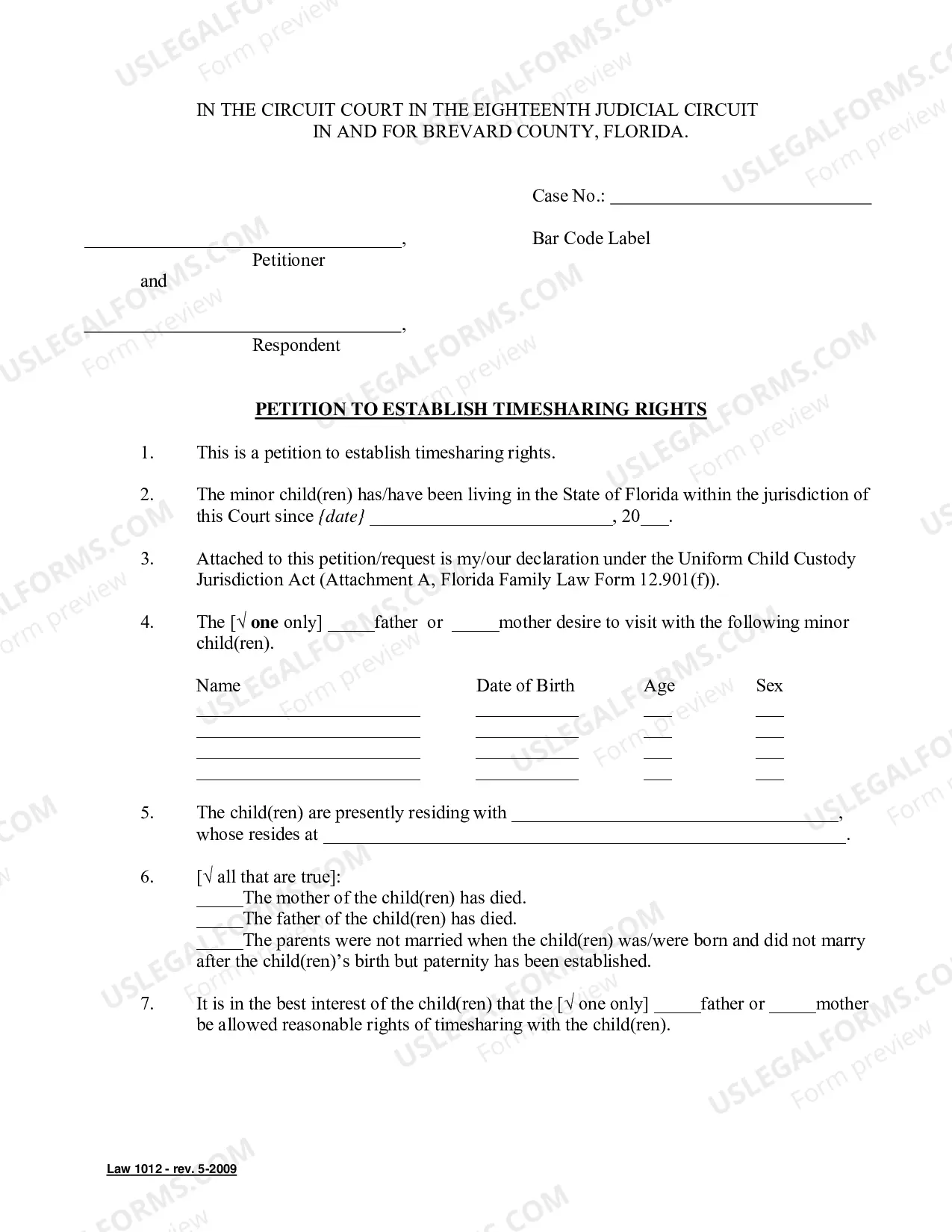
Oregon Quitclaim Deed from Husband and Wife to Husband and Wife
What this document covers
A Quitclaim Deed from Husband and Wife to Husband and Wife is a legal document that allows married couples to transfer property ownership between themselves. This form enables the current owners (grantors) to relinquish any claim they have on the property to the other spouse(s) (grantees). Unlike other deeds, the quitclaim deed conveys rights without guaranteeing that the title is clear, making it distinct in scenarios where trust between spouses exists.
What’s included in this form
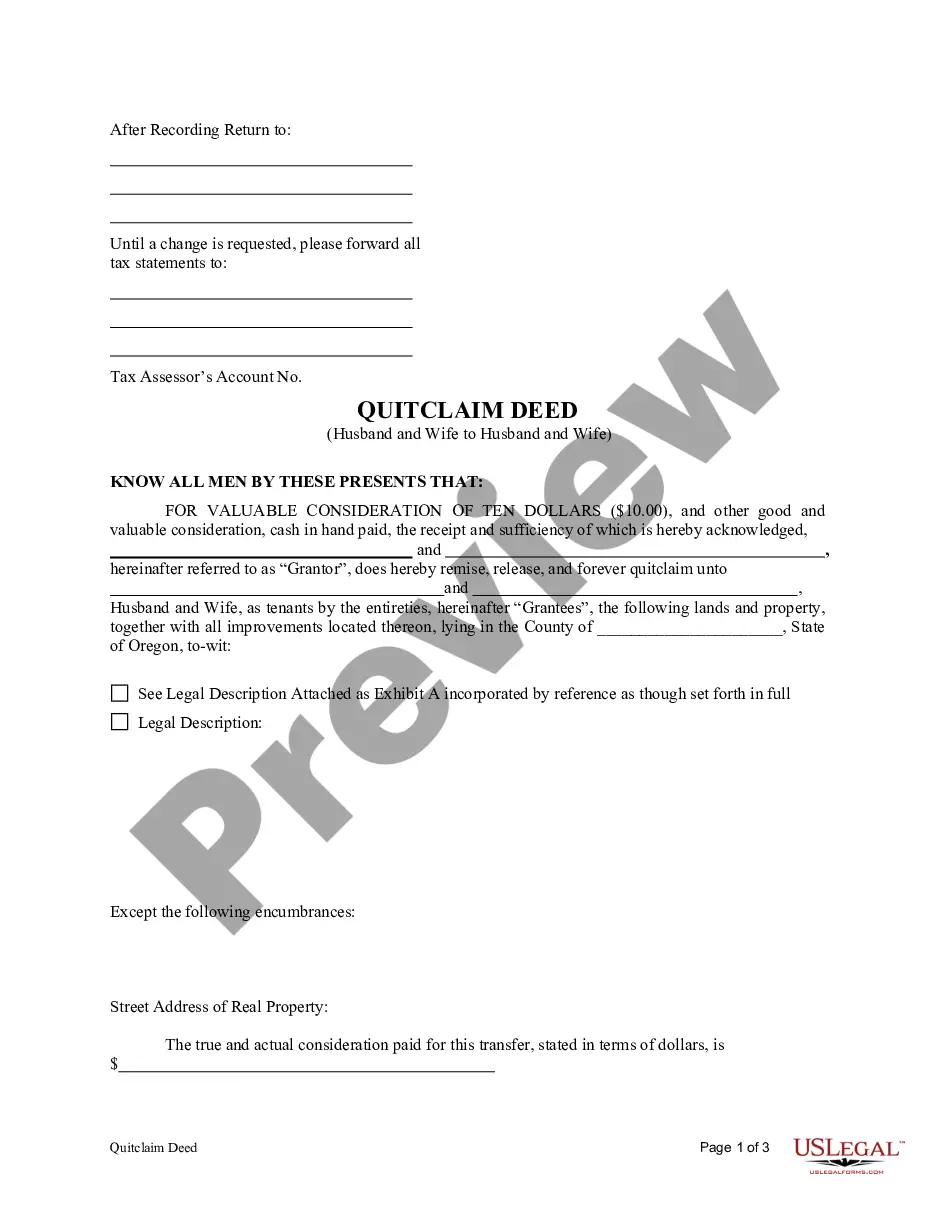
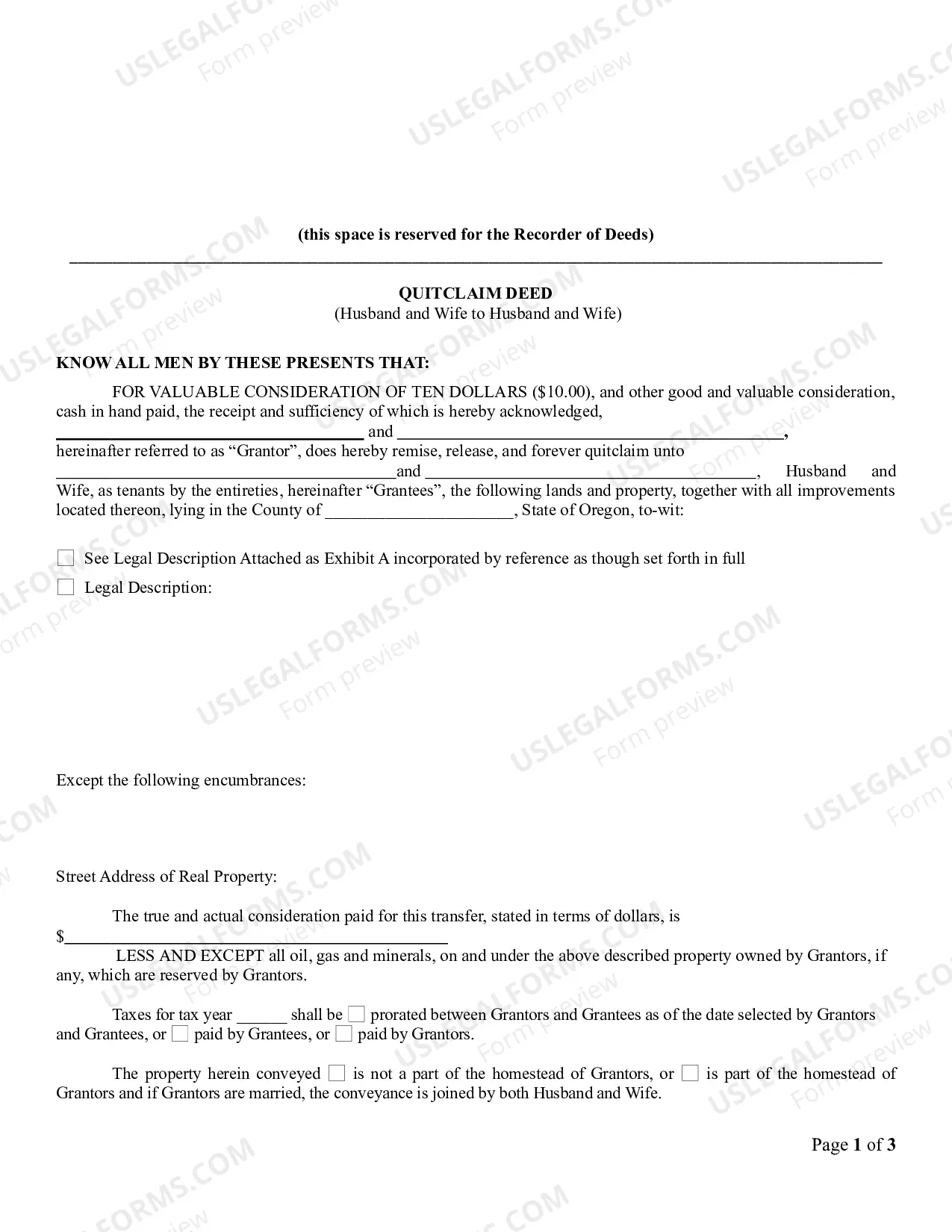
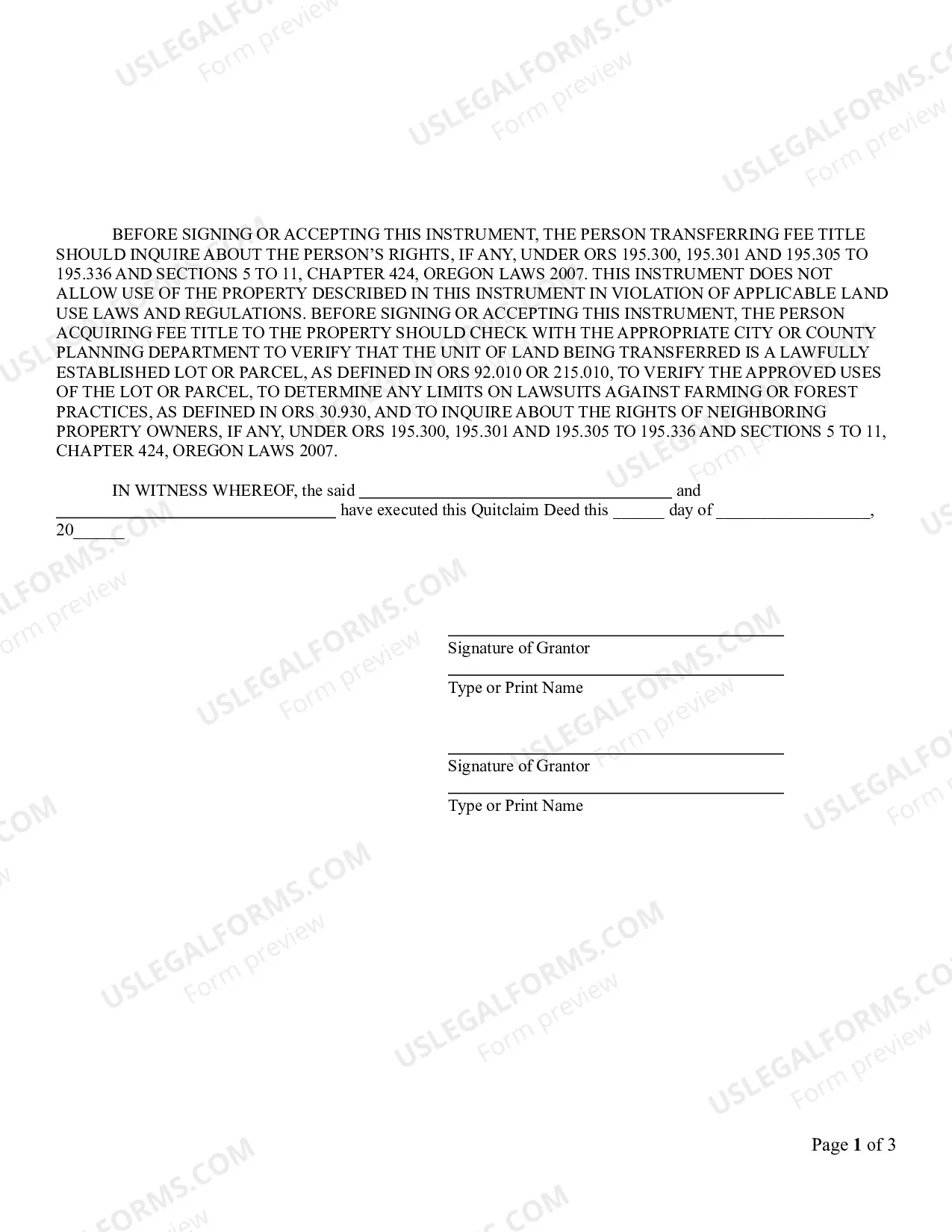
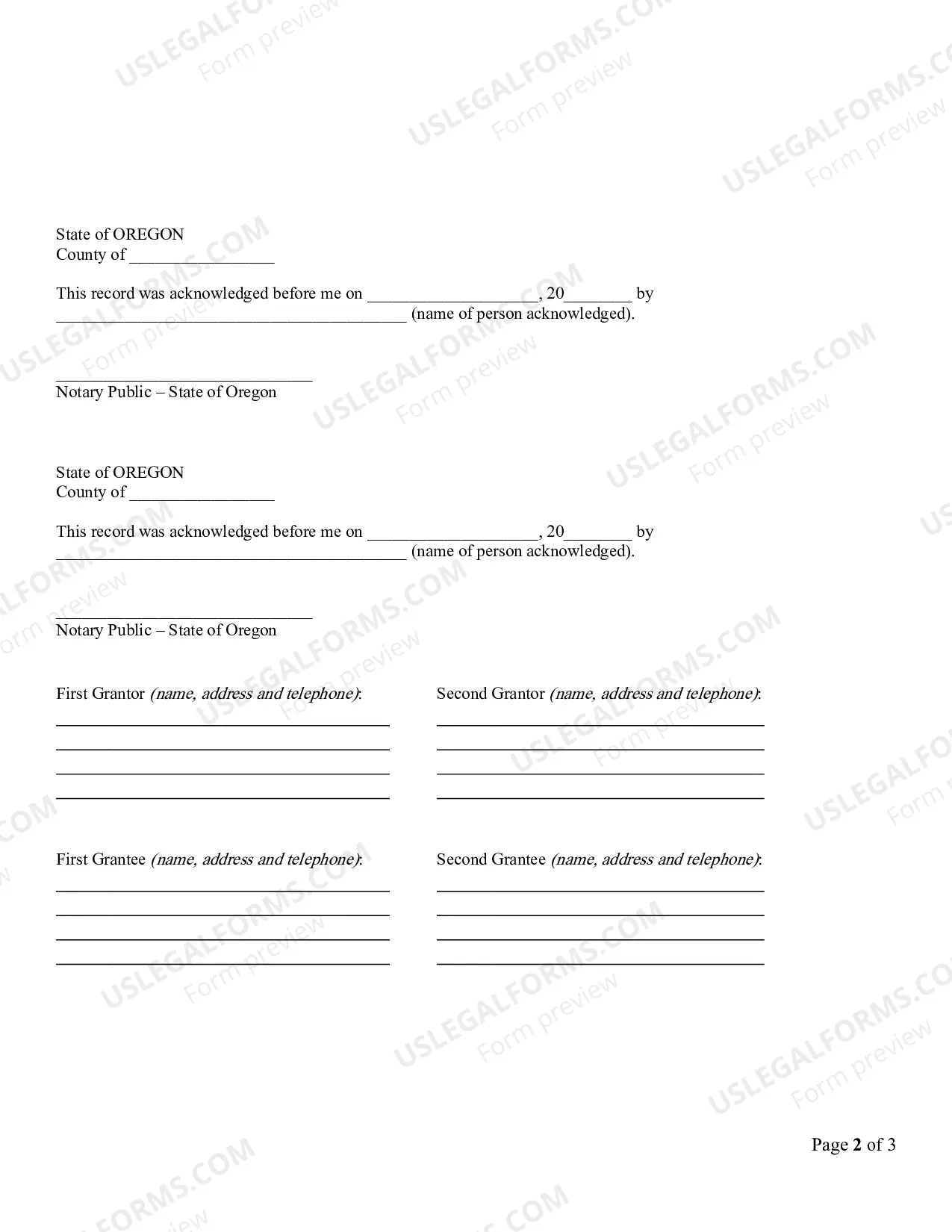
- Identifies the grantors (current owners) and grantees (new owners) as husband and wife.
- Includes a legal description of the property being transferred.
- Specifies any reserved rights, such as oil, gas, and minerals under the property.
- Details the proration of taxes between grantors and grantees.
- Indicates whether the property is part of the homestead of the grantors.





Situations where this form applies
This form is typically used in situations where married couples wish to transfer property ownership between themselves without involving third parties. Common scenarios include one spouse wanting to add the other spouse to the property title, or when couples want to clarify ownership after a separation or divorce while still maintaining joint ownership.
Who this form is for
- Married couples looking to transfer property ownership between themselves.
- Couples who want to clarify ownership rights over a jointly owned property.
- Individuals who wish to designate a spouse as the sole owner of a property without sale.
Steps to complete this form
- Identify the parties involved: list the names of both spouses as grantors and grantees.
- Specify the property: fill in the legal description of the property being conveyed.
- Detail tax responsibilities: indicate how taxes for the property will be handled.
- Determine homestead status: state whether the property is a part of the homestead.
- Sign and date the form: both spouses must sign the quitclaim deed to validate the transfer.
Is notarization required?
To make this form legally binding, it must be notarized. Our online notarization service, powered by Notarize, lets you verify and sign documents remotely through an encrypted video session.
Get your form ready online
Our built-in tools help you complete, sign, share, and store your documents in one place.
Make edits, fill in missing information, and update formatting in US Legal Forms—just like you would in MS Word.
Download a copy, print it, send it by email, or mail it via USPS—whatever works best for your next step.
Sign and collect signatures with our SignNow integration. Send to multiple recipients, set reminders, and more. Go Premium to unlock E-Sign.
If this form requires notarization, complete it online through a secure video call—no need to meet a notary in person or wait for an appointment.
We protect your documents and personal data by following strict security and privacy standards.

Make edits, fill in missing information, and update formatting in US Legal Forms—just like you would in MS Word.

Download a copy, print it, send it by email, or mail it via USPS—whatever works best for your next step.

Sign and collect signatures with our SignNow integration. Send to multiple recipients, set reminders, and more. Go Premium to unlock E-Sign.

If this form requires notarization, complete it online through a secure video call—no need to meet a notary in person or wait for an appointment.

We protect your documents and personal data by following strict security and privacy standards.
Common mistakes
- Failing to include the legal description of the property.
- Not specifying tax responsibilities clearly.
- Leaving out signatures from both spouses.
- Not indicating whether the property is part of the homestead.
Benefits of using this form online
- Convenient access to legal forms that can be filled out at your own pace.
- Editability that allows you to customize the document to your specific needs.
- Reliable templates drafted by licensed attorneys to ensure compliance with state regulations.
Main things to remember
- A Quitclaim Deed is used to transfer property ownership between spouses.
- It does not guarantee that the title is clear.
- Both spouses must sign the document for a legal transfer.
- Clarifying tax responsibilities is an essential part of this process.
Looking for another form?



Form popularity
FAQ
When you own a home, you own both the deed and title for that property. In real estate, title means you have ownership and a right to use the property.The deed is the physical legal document that transfers ownership. It shows who you bought your house from, and when you sell it, it shows who you sold it to.
Recording A deed should be filed at the Recorder's Office in the County where the property is located (See List of County Offices). Required Disclosure (ORS 93.040) This Statement must be written in all deeds filed in the State of Oregon.
A conveyance of land in Oregon, or of any estate or interest therein located in Oregon, can be created, transferred, or declared by a deed in writing and should be signed by the person of lawful age (or their agent) from whom the estate or interest is intended to pass.
The Difference Between A Title And A Deed A deed is an official written document declaring a person's legal ownership of a property, while a title refers to the concept of ownership rights.In this way, a book title and a property title are the same: neither are physical objects, but rather concepts.
Three basic types of deeds commonly used are the grant deed, the quitclaim deed, and the warranty deed. A sample grant deed. the property he or she is transferring is implied from such language.
Quitclaim Deed. Deed of Trust. Warranty Deed. Grant Deed. Bargain and Sale Deed. Mortgage Deed.
The quitclaim deed, also called a non-warranty deed, offers the grantee the least amount of protection. This type of deed conveys whatever interest the grantor currently has in the property if any.
Grant deed is used in California and Idaho. It is a deed of conveyance that is used instead of the general warranty deed used in Oregon.
The quitclaim deed provides no warranties; it conveys the interest the grantor had in the propertynothing more.The bargain and sale deed indicates that the grantor has title; but property might come with encumbrances and defects.