Oklahoma Quitclaim Oil, Gas and Mineral Deed - Trust to Five Individuals
Understanding this form
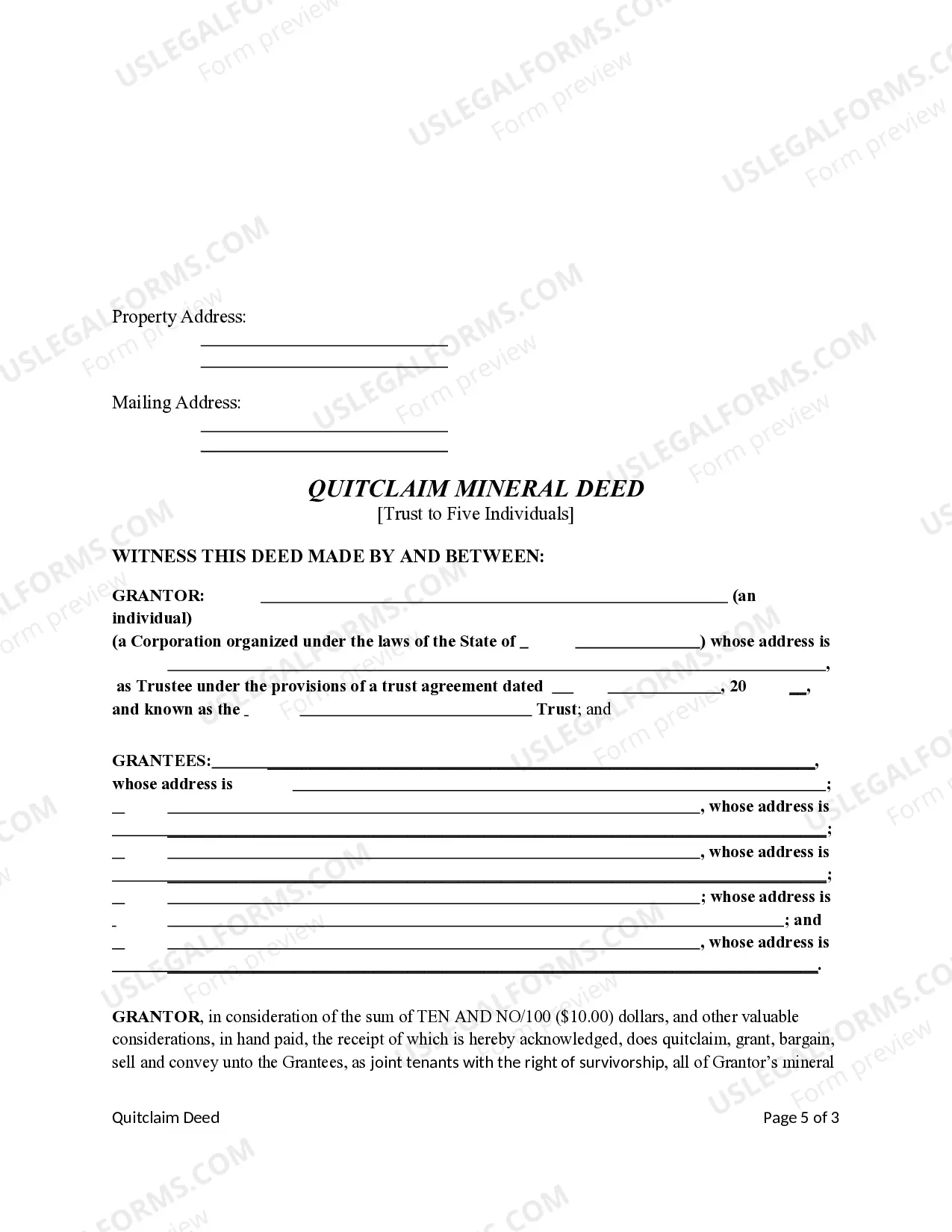
This form is a Quitclaim Oil, Gas and Mineral Deed where the Grantor is a Trust and the Grantees are five individuals. Its primary purpose is to transfer ownership of oil, gas, and mineral rights associated with a property from the Trust to these individuals, allowing them to hold the property as tenants in common or joint tenants with the right of survivorship. This type of deed is different from warranty deeds as it makes no guarantees about the title of the property, offering a more straightforward means of transfer.
Main sections of this form
- Identification of the Grantor (the Trust) and Grantees (the five individuals).
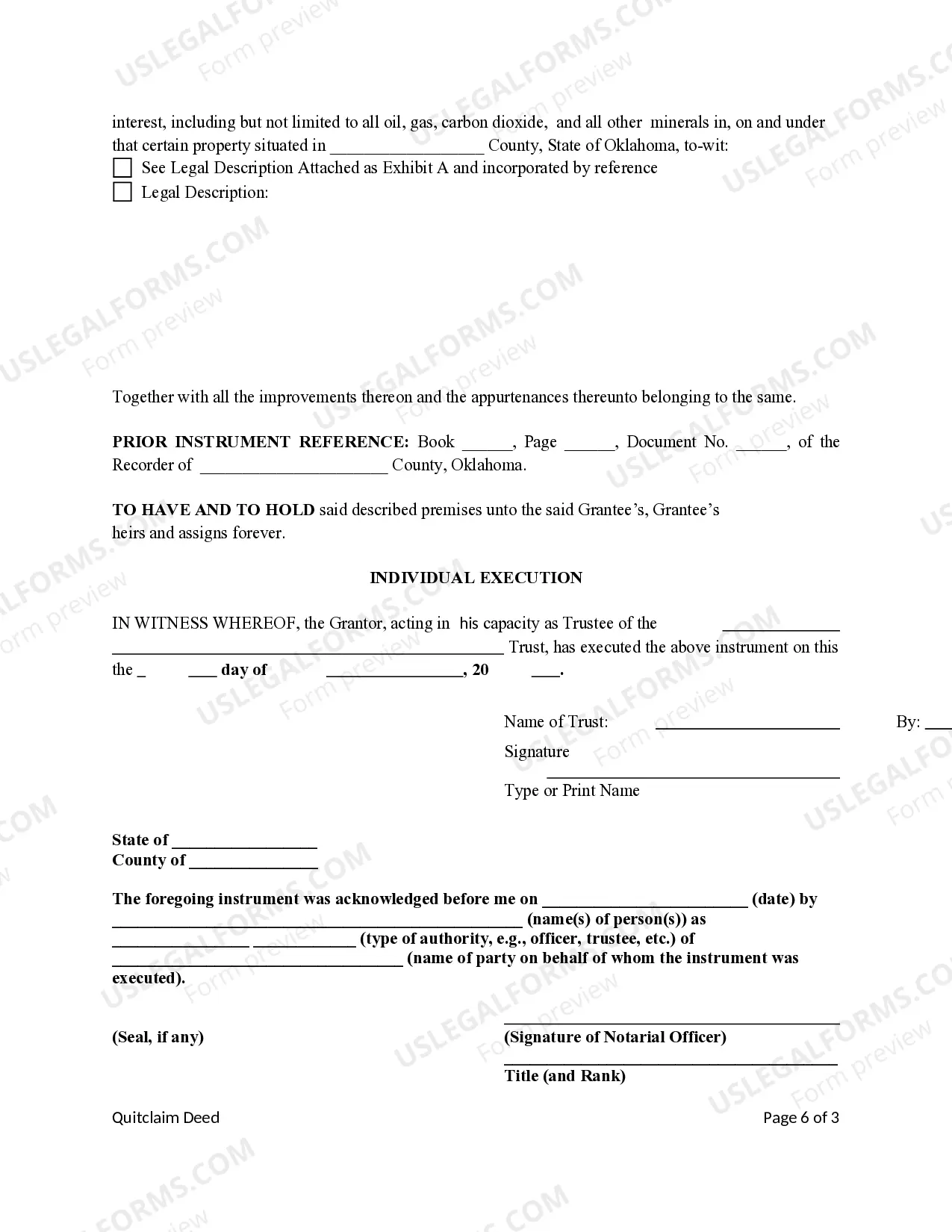
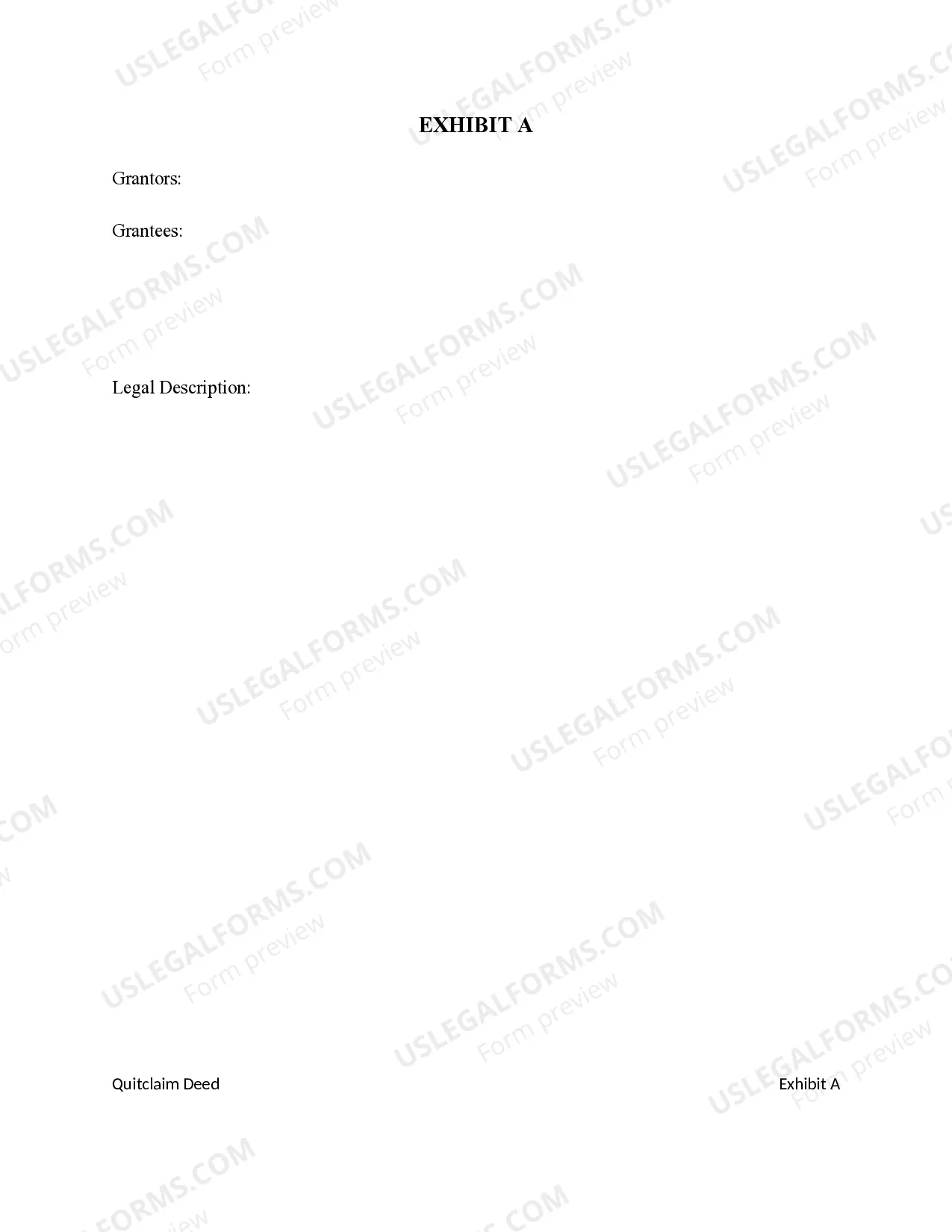
- Description of the property being transferred, including a legal description.
- Statement of the nature of the property ownership (tenants in common or joint tenants with rights of survivorship).
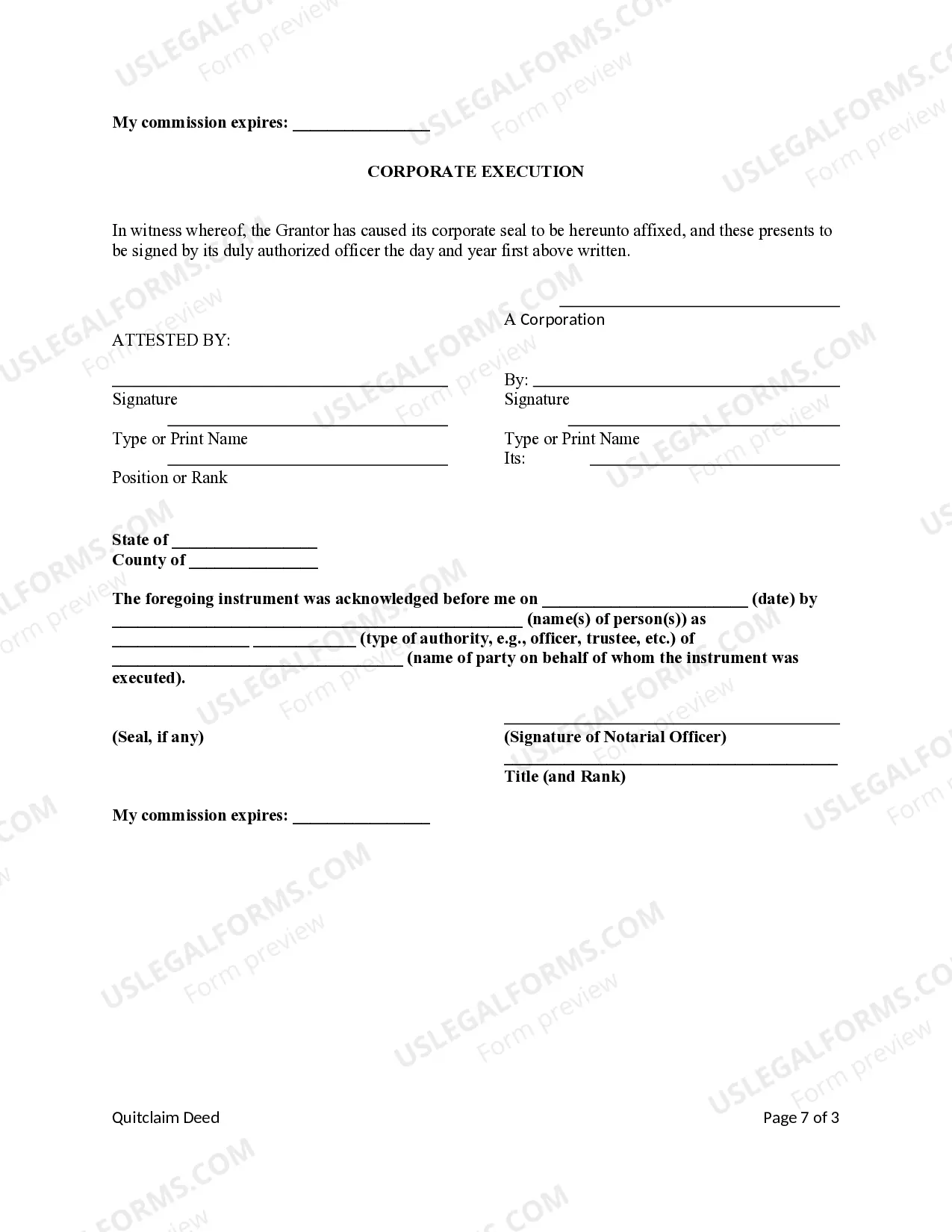
- Execution clause where the Grantor signs under oath.
- Note regarding compliance with state statutory laws for validity.

When to use this form
This Quitclaim Oil, Gas and Mineral Deed should be used when a Trust wishes to transfer ownership of oil, gas, or mineral rights to five individuals. This situation may arise during estate planning, property distribution among heirs, or when consolidating property ownership among family members or business partners. If the property involves valuable mineral rights, this form ensures an official and recognized transfer of those rights.
Who can use this document
Individuals or entities that may require this form include:
- Trustees managing a Trust wishing to convey oil, gas, and mineral rights.
- Individuals receiving property rights as part of an estate settlement.
- Family members or partners looking to consolidate ownership of specific property assets.
- Real estate professionals involved in property transactions including mineral rights.
Completing this form step by step
- Identify and enter the names of the Grantor (Trust) and Grantees (the five individuals).
- Provide a detailed legal description of the property being transferred.
- Specify the type of ownership (either tenants in common or joint tenants with rights of survivorship).
- Include the date of execution and sign the document where indicated.
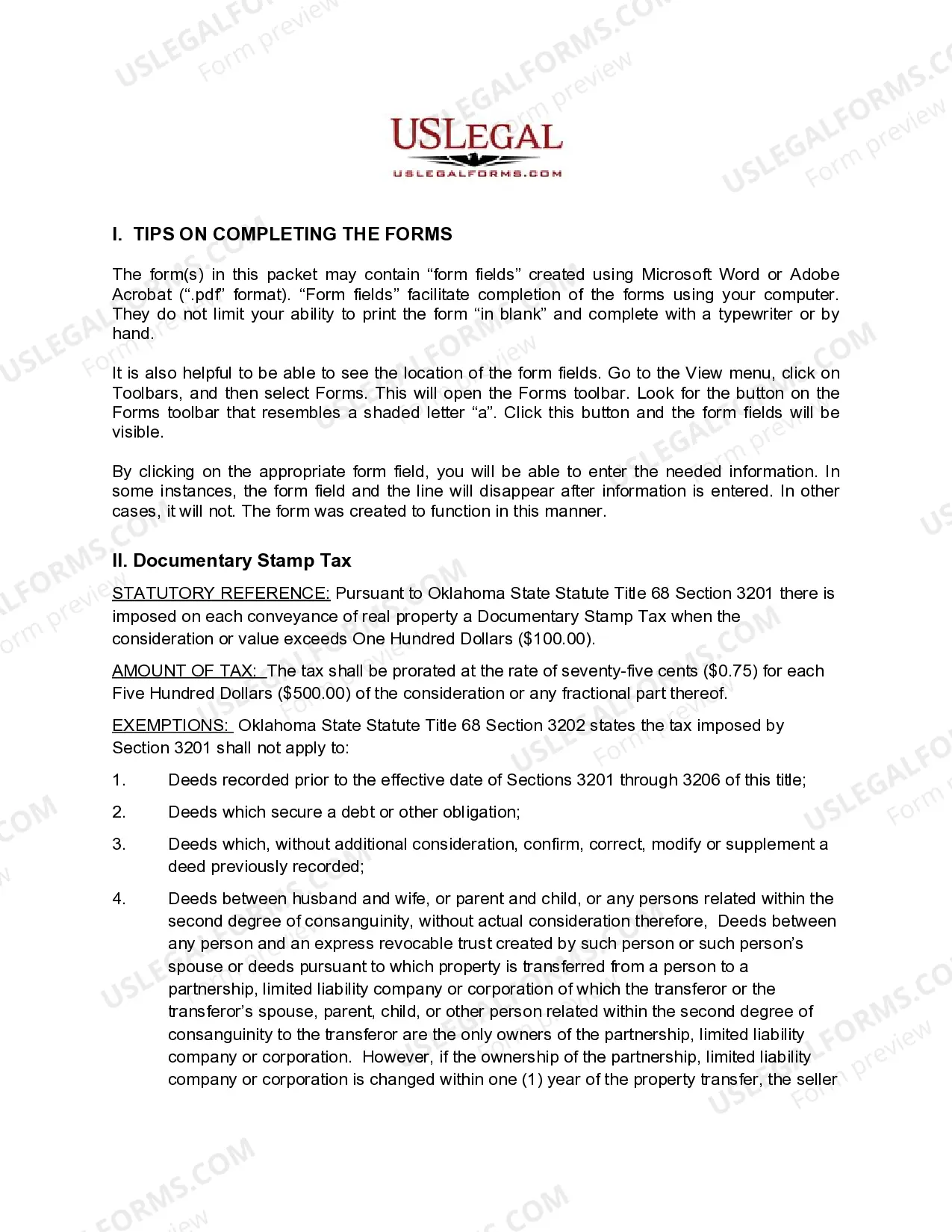
- If applicable, note any exemptions related to the Documentary Stamp Tax on the form.
Does this form need to be notarized?
This form must be notarized to be legally valid. US Legal Forms provides secure online notarization powered by Notarize, allowing you to complete the process through a verified video call.
Get your form ready online
Our built-in tools help you complete, sign, share, and store your documents in one place.
Make edits, fill in missing information, and update formatting in US Legal Forms—just like you would in MS Word.
Download a copy, print it, send it by email, or mail it via USPS—whatever works best for your next step.
Sign and collect signatures with our SignNow integration. Send to multiple recipients, set reminders, and more. Go Premium to unlock E-Sign.
If this form requires notarization, complete it online through a secure video call—no need to meet a notary in person or wait for an appointment.
We protect your documents and personal data by following strict security and privacy standards.

Make edits, fill in missing information, and update formatting in US Legal Forms—just like you would in MS Word.

Download a copy, print it, send it by email, or mail it via USPS—whatever works best for your next step.

Sign and collect signatures with our SignNow integration. Send to multiple recipients, set reminders, and more. Go Premium to unlock E-Sign.

If this form requires notarization, complete it online through a secure video call—no need to meet a notary in person or wait for an appointment.

We protect your documents and personal data by following strict security and privacy standards.
Avoid these common issues
- Failing to provide a complete legal description of the property.
- Not specifying the type of ownership correctly between Grantees.
- Omitting signatures or dates, which can invalidate the deed.
- Ignoring state-specific tax exemption regulations if applicable.
Benefits of using this form online
- Easily editable fields allow you to enter information quickly and accurately.
- Downloadable format ensures you can access and complete the form offline.
- Step-by-step guidance simplifies the process, even for those with little legal experience.
- Available legal support resources can aid in addressing any questions you may have.
Looking for another form?




Form popularity
FAQ
Like land, mineral rights are conveyed through a deed transferring ownership to the buyer. While the property deed will reference the mineral rights transfer at the time of the separation of land and mineral rights, subsequent sales of the land will not.
It will not protect against title issues that arose prior to the time the seller took occupancy. Consequently, it offers less protection to buyers, and more protection to sellers, than a general warranty deed, which is the most common option for selling or buying a property.
Unlike a warranty deed or special warranty deed, a quitclaim deed makes no assurances whatsoever about the property.For example, in a divorce situation where one spouse deeds the house to the other spouse. Quitclaim deeds are commonly used to transfer real property to an LLC or a living trust.
A special warranty deed to real estate offers protection to the buyer through the seller's guarantee that the title has been free and clear of encumbrances during their ownership of the property. It does not guarantee clear title beyond their ownership.
What is a Transfer-On-Death Deed? On November 1, 2008, Oklahoma's "Nontestamentary Transfer of Property Act" (Title 58 O.S. ? 1251-1258) went into effect. This law allows a "record owner" to use a "Transfer-On-Death Deed" to name another person to receive his real estate without going through probate.
A quitclaim deed must meet all state and local standards for recorded instruments. Sign the deed in the presence of a notary public and record at the clerk's office in the county where the property is located for a valid transfer. Contact the same office to verify accepted forms of payment.
In Oklahoma, title to real property can be transferred from one party to another by executing a special warranty deed. A special warranty deed conveys an interest in real property to the named grantee with limited warranties of title.Generally, real property is owned in either sole ownership or in co-ownership.
Recording: Oklahoma requires quitclaim deeds to be recorded with the County Clerk's Office in the county where the property is. Filing Fee: The county will charge a filing fee that must be paid with the deed.
The Oklahoma general warranty deed is a type of legal document whereby an owner of a piece of property can sell his or her interest to another person.Once deeds are properly filled out and acknowledged by a notary, they are filed with the registrar of deeds in the county in which the property is located.