Oklahoma Letter from Tenant to Landlord containing Notice of wrongful deductions from security deposit and demand for return
Understanding this form
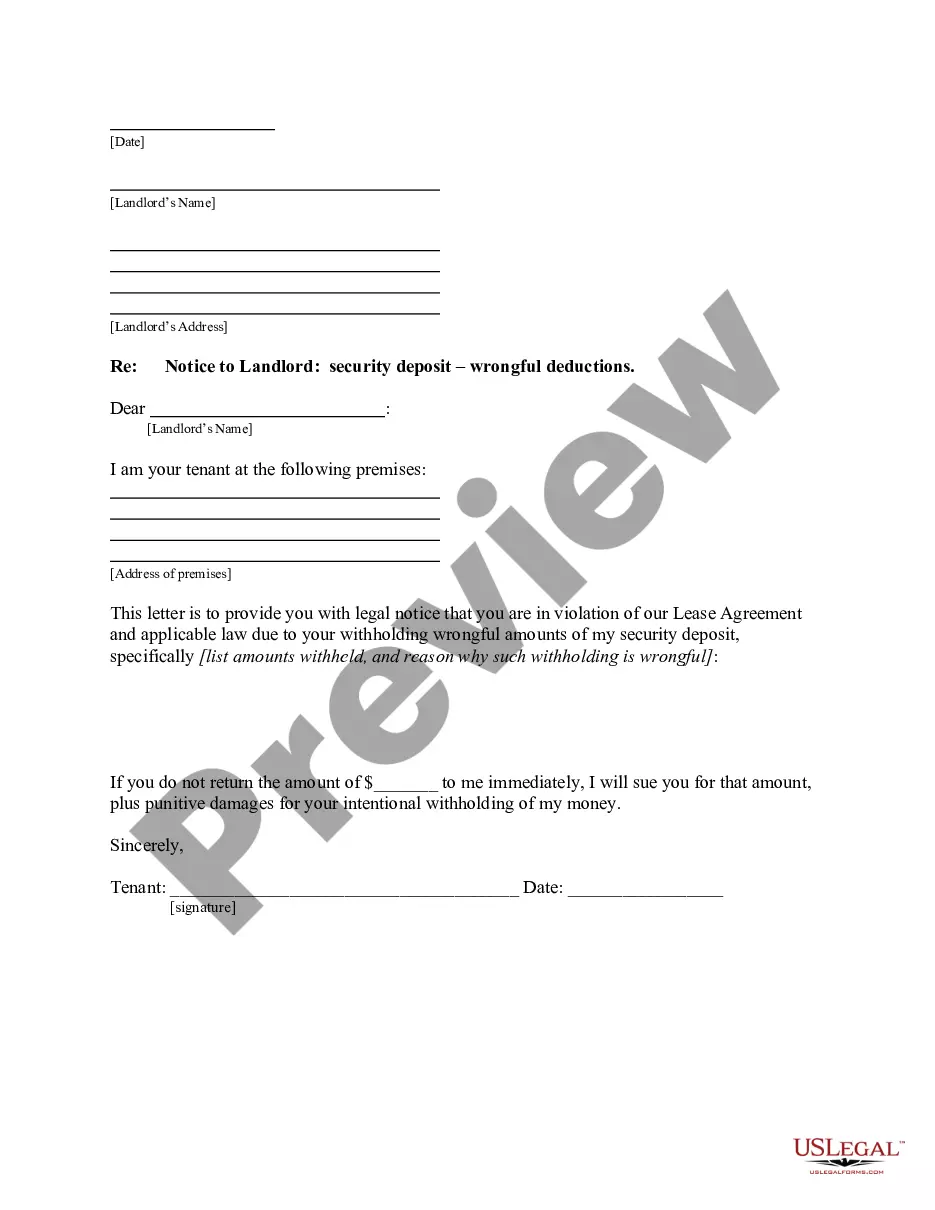
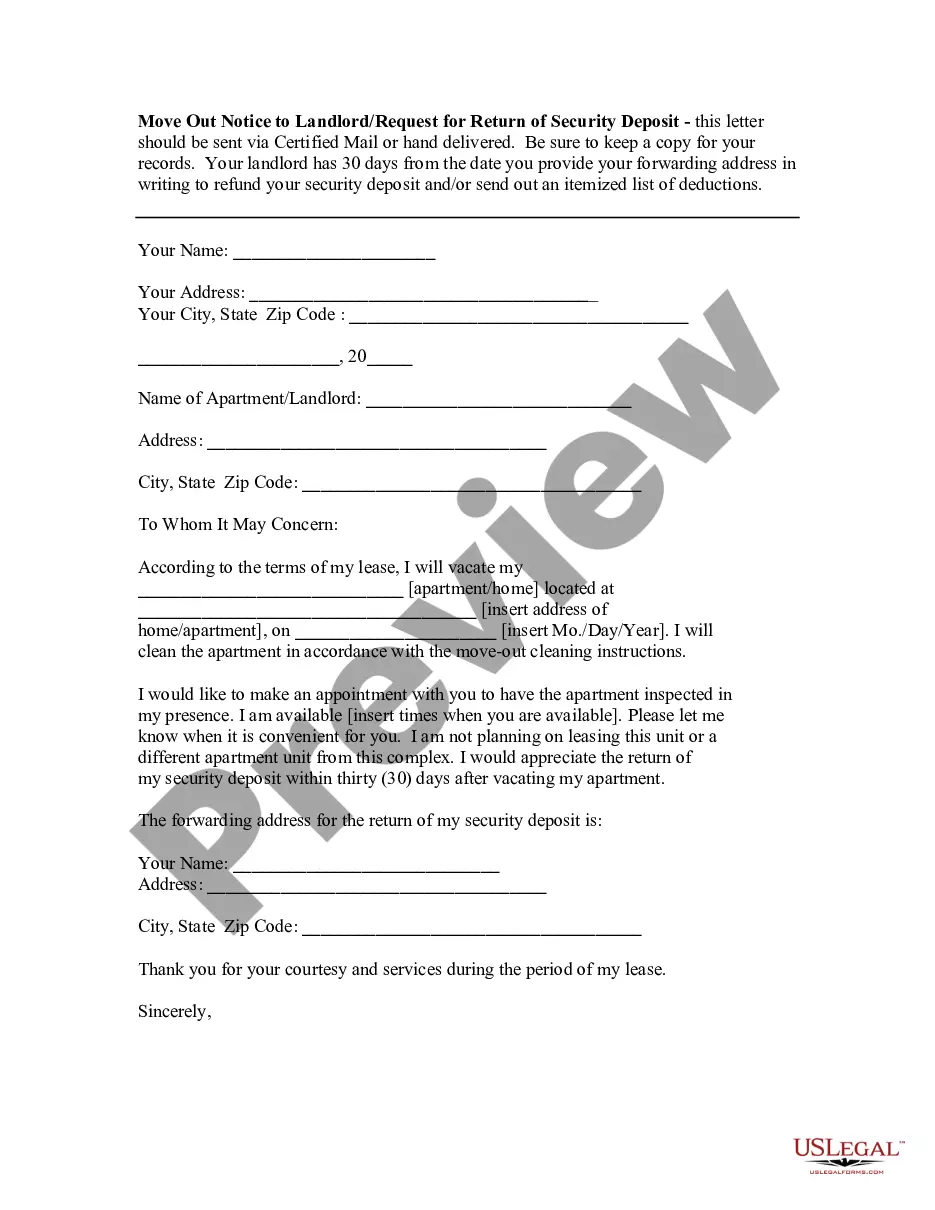
This form is a Letter from Tenant to Landlord containing Notice of wrongful deductions from security deposit and demand for return. It is specifically designed to address disputes regarding unlawful deductions from a security deposit, helping tenants articulate their concerns and formally request the return of their funds. This letter meets state statutory requirements and serves as an important step for tenants looking to reclaim their security deposits after moving out.
What’s included in this form
- Identification of the tenant and landlord
- Details of the security deposit and deductions claimed
- Clear statement of wrongful deductions
- Demand for the return of the security deposit
- Signature and date fields for the tenant
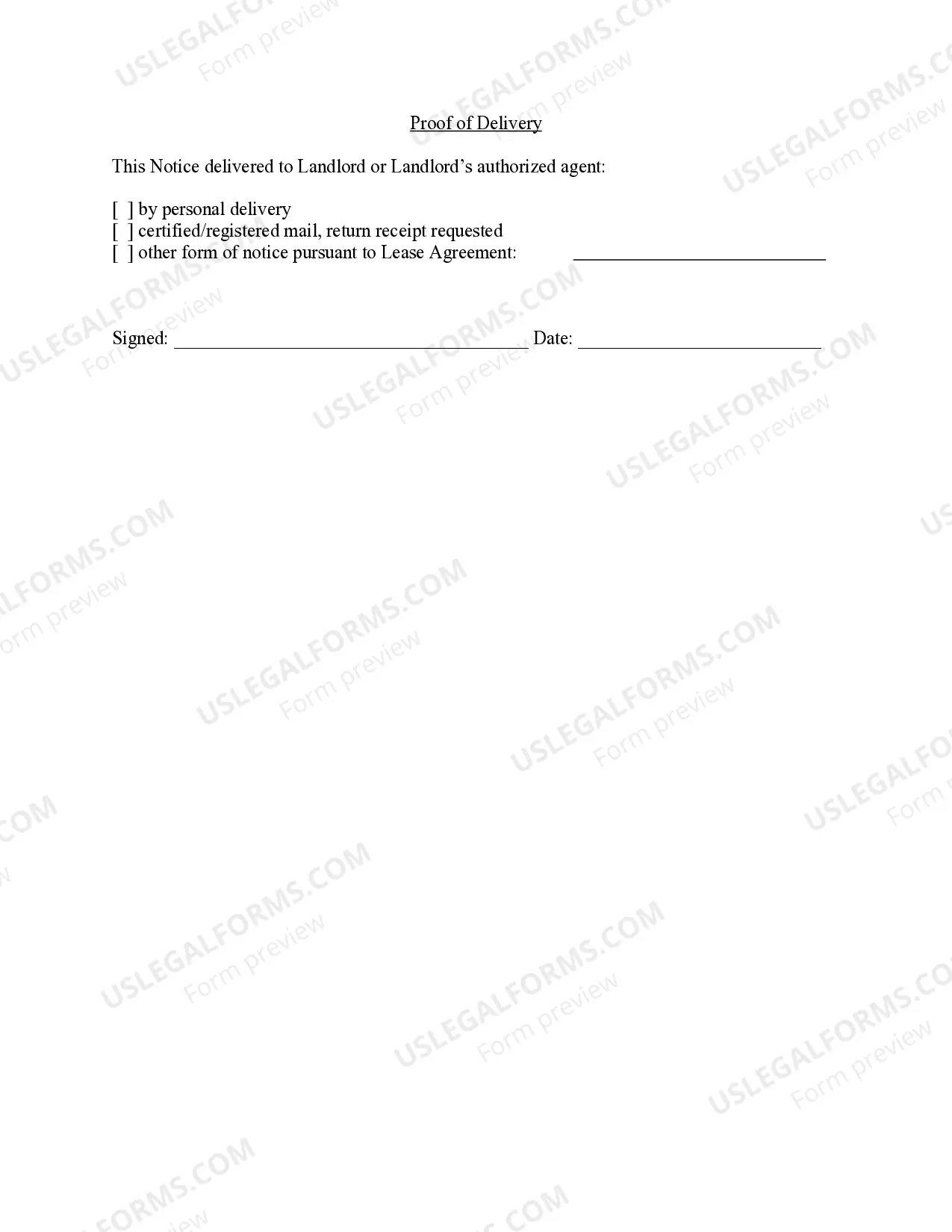
- Proof of delivery options


When to use this form
This form should be used when a tenant believes there have been unauthorized or excessive deductions made from their security deposit after vacating a rental property. If the landlord has withheld funds without sufficient justification, this letter provides a structured way to communicate that issue and seek resolution. It is an important tool for formalizing the tenantâs request for the return of the remaining balance of the security deposit.
Who this form is for
- Tenants who have recently moved out of a rental property
- Individuals disputing deductions from their security deposit
- Those looking to formally communicate with their landlord regarding refund issues
- Anyone needing a legally compliant letter template for this situation
How to prepare this document
- Identify and include your name and contact information at the top.
- Clearly state the name and address of the landlord or their authorized agent.
- Provide a detailed account of the security deposit amount and any deductions made.
- Specify why the deductions are considered wrongful.
- Include a request for the return of the undeducted amount.
- Sign and date the letter before sending it.
Notarization guidance
This form does not typically require notarization unless specified by local law. However, it is advisable to check with local regulations to ensure compliance.
Get your form ready online
Our built-in tools help you complete, sign, share, and store your documents in one place.
Make edits, fill in missing information, and update formatting in US Legal Forms—just like you would in MS Word.
Download a copy, print it, send it by email, or mail it via USPS—whatever works best for your next step.
Sign and collect signatures with our SignNow integration. Send to multiple recipients, set reminders, and more. Go Premium to unlock E-Sign.
If this form requires notarization, complete it online through a secure video call—no need to meet a notary in person or wait for an appointment.
We protect your documents and personal data by following strict security and privacy standards.

Make edits, fill in missing information, and update formatting in US Legal Forms—just like you would in MS Word.

Download a copy, print it, send it by email, or mail it via USPS—whatever works best for your next step.

Sign and collect signatures with our SignNow integration. Send to multiple recipients, set reminders, and more. Go Premium to unlock E-Sign.

If this form requires notarization, complete it online through a secure video call—no need to meet a notary in person or wait for an appointment.

We protect your documents and personal data by following strict security and privacy standards.
Common mistakes
- Failing to include complete contact information for both tenant and landlord.
- Not specifying the exact amounts being disputed.
- Neglecting to sign and date the letter.
- Using vague language that does not clearly articulate the issue.
Why use this form online
- Immediate access to a legally compliant template drafted by licensed attorneys.
- Convenience of editing and personalizing the form to fit your specific situation.
- Downloadable format for easy use and storage.
- Peace of mind knowing that the form meets state legal requirements.
Legal use & context
- This form serves as a formal notice to the landlord of wrongful deductions.
- It may be used as evidence in negotiations or legal disputes regarding security deposits.
- Understanding local laws may enhance the effectiveness of this form in specific situations.
Summary of main points
- This form is essential for tenants disputing wrongful deductions from their security deposit.
- Ensure all parties are correctly identified and details are clear and concise.
- Delivery method is crucial for ensuring your notice is legally recognized.
Looking for another form?


Form popularity
FAQ
The date of the letter and the landlord's full name and address. The address of the residence you rented and the date you moved in. A statement that you've been paying your rent timely and that you are current with your payments.
Start by simply saying the date and the tenants name and address. Make sure all the data is accurate, as this can serve as a written notice should you go to court. The letter should inform the tenant that they are late on the rent and by how many days.
You owe rent. you've damaged the property - this could be something like a spill on the carpet or a mark on the wall where you've hung a picture. you've lost or broken some items from the inventory, like some cutlery or mugs.
Type your letter. Concisely review the main facts. Be polite. Write with your goal in mind. Ask for exactly what you want. Set a deadline. End the letter by stating you will promptly pursue legal remedies if the other party does not meet your demand. Make and keep copies.
Before you go to court, a number of states require you to send a demand letter to your opposing party. An attorney is usually not necessary at this point and you can write a demand letter on your own. To write one, gather necessary documents, draft your letter, and send the letter to your opposing party.
The property has been damaged. the rent hasn't been paid. items are missing. the property needs to be cleaned. you left before the end of your tenancy.
5 Times a Landlord Does Not Have to Return a Tenant's Security Deposit. Breaking or Terminating a Lease Early. Nonpayment of Rent. Damage to the Property. Cleaning Costs. Unpaid Utilities.
Type your letter. Concisely review the main facts. Be polite. Write with your goal in mind. Ask for exactly what you want. Set a deadline. End the letter by stating you will promptly pursue legal remedies if the other party does not meet your demand. Make and keep copies.
Tenant's name and new address, or address he gave for return of the security deposit. Commencement date of the lease and date it ended. Amount of the security deposit when the tenant moved in. Amount of interest accrued.