Ohio Letter from Tenant to Landlord for Failure of Landlord to comply with building codes affecting health and safety or resulting in untenantable condition - demand for remedy
About this form
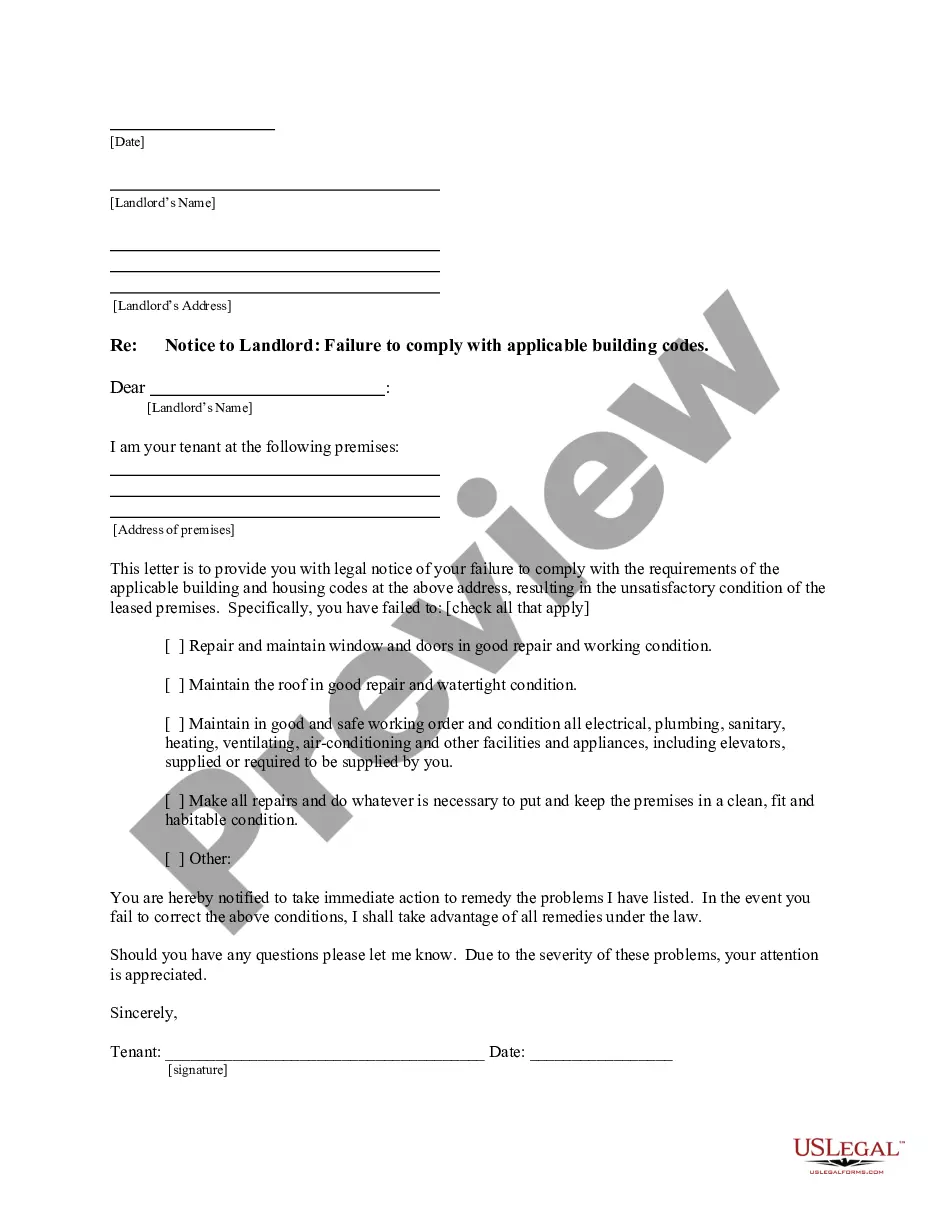
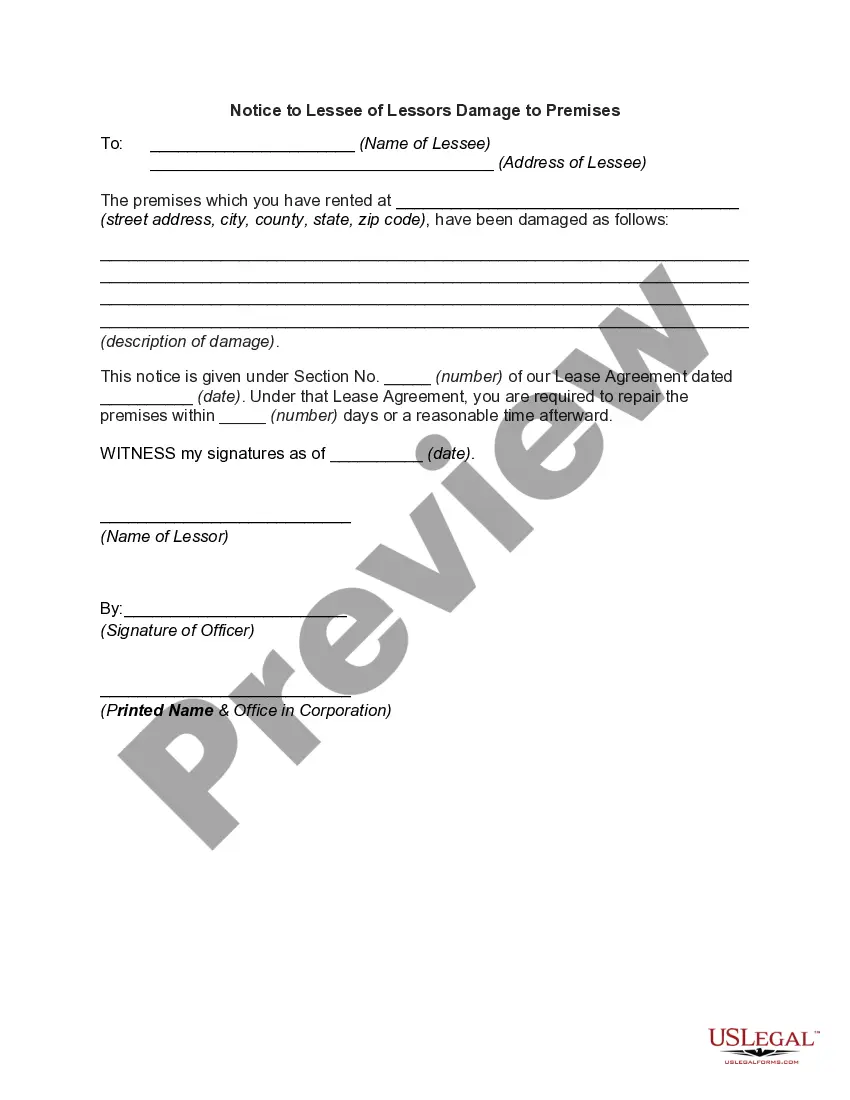
This form is a demand letter from a tenant to a landlord, addressing the landlord's failure to comply with building codes that affect health and safety. It specifically requests that the landlord remedy unsafe or unhealthy conditions in the leased premises within ten days. Unlike standard notices or requests for repairs, this letter emphasizes legal compliance and tenant rights regarding habitability issues in rental properties.
Key components of this form
- Identification of the tenant and the landlord.
- Description of specific building code violations affecting health and safety.
- Demand for repairs or remediation within a specified time frame.
- Signature of the tenant and the date of the notice.
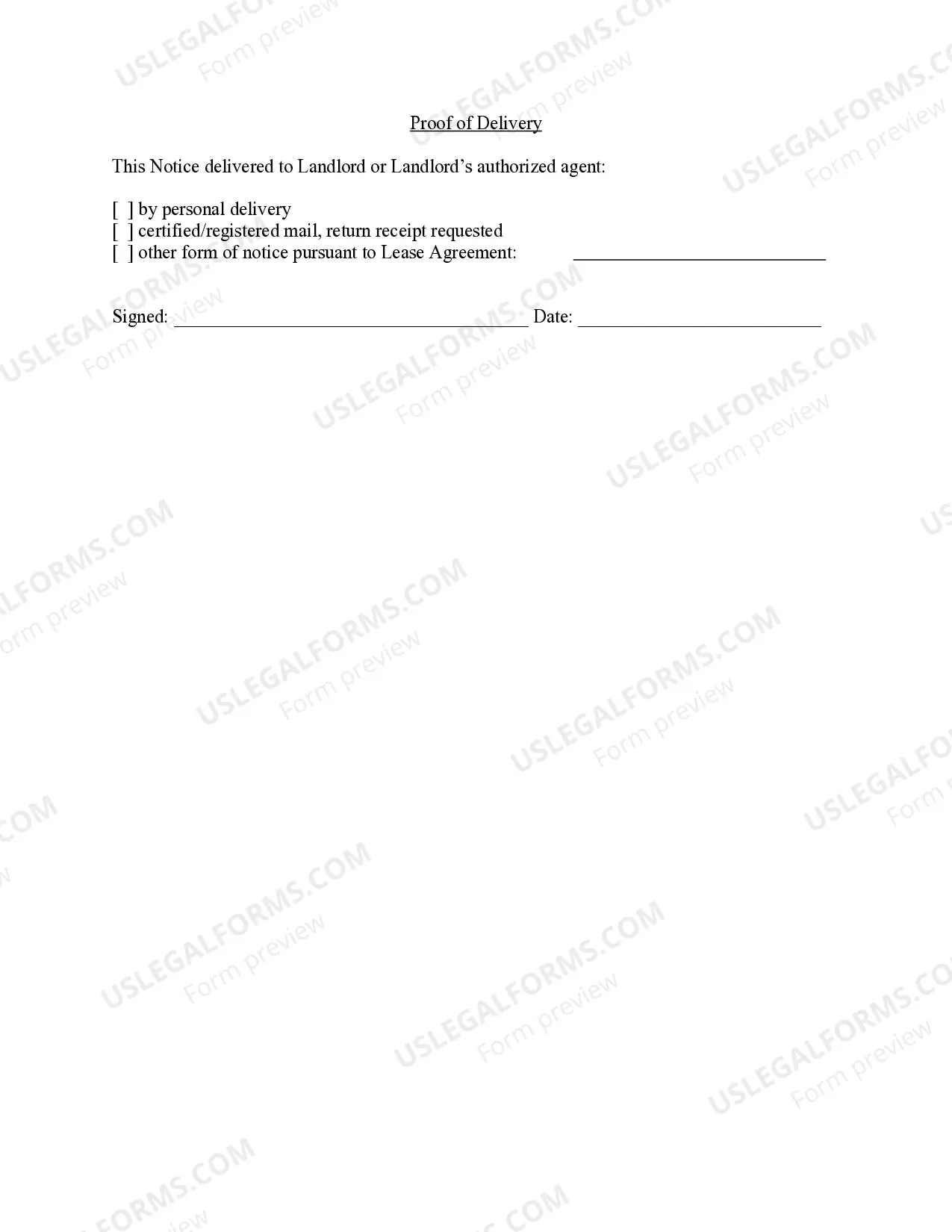
- Proof of delivery section for confirming receipt by the landlord.


When to use this document
This form should be used when a tenant identifies health or safety violations in their rental property that violate local building codes. It is appropriate for situations where the landlord has not addressed these issues despite prior requests for repairs. If the conditions render the living space untenantable, it serves as an effective means of legally demanding action.
Who should use this form
- Tenants experiencing health and safety issues in their rental units.
- Individuals who have notified their landlord of these issues without any response.
- Renters who wish to formalize their demand for necessary repair or remediation.
How to complete this form
- Enter your name as the tenant and the landlordâs name.
- Specify the address of the leased property.
- Clearly describe the building code violations affecting health and safety.
- State your demand for the landlord to remedy the issues within ten days.
- Sign and date the form, and keep a copy for your records.
- Deliver the notice to the landlord or their authorized agent and obtain proof of delivery.
Is notarization required?
This form does not typically require notarization unless specified by local law. However, ensure that you follow any specific requirements relevant to your state regulations.
Get your form ready online
Our built-in tools help you complete, sign, share, and store your documents in one place.
Make edits, fill in missing information, and update formatting in US Legal Forms—just like you would in MS Word.
Download a copy, print it, send it by email, or mail it via USPS—whatever works best for your next step.
Sign and collect signatures with our SignNow integration. Send to multiple recipients, set reminders, and more. Go Premium to unlock E-Sign.
If this form requires notarization, complete it online through a secure video call—no need to meet a notary in person or wait for an appointment.
We protect your documents and personal data by following strict security and privacy standards.

Make edits, fill in missing information, and update formatting in US Legal Forms—just like you would in MS Word.

Download a copy, print it, send it by email, or mail it via USPS—whatever works best for your next step.

Sign and collect signatures with our SignNow integration. Send to multiple recipients, set reminders, and more. Go Premium to unlock E-Sign.

If this form requires notarization, complete it online through a secure video call—no need to meet a notary in person or wait for an appointment.

We protect your documents and personal data by following strict security and privacy standards.
Avoid these common issues
- Not providing clear details about the violations.
- Failing to specify the required time frame for repairs.
- Not signing the document before delivery.
- Using vague language that lacks urgency.
Benefits of using this form online
- Convenient access to a legally vetted template tailored to your needs.
- Immediate downloads enable swift action regarding your situation.
- Customization options allow you to address your specific issues clearly.
Legal use & context
- This notice serves as documentation of your request for repairs and may be used in legal proceedings if necessary.
- It establishes evidence of the landlord's failure to comply with health and safety standards.
- Understanding your rights and obligations can provide additional leverage in your landlord-tenant relationship.
Main things to remember
- This form is a formal request for remedying unsafe rental conditions.
- It emphasizes tenant rights and the obligation of landlords to maintain safety standards.
- Timely delivery and proper documentation are crucial for enforcement.
Looking for another form?

Form popularity
FAQ
What is the Law? In California, there is no legal definition for unsafe living conditions. Generally, the rule of thumb is that if your living environment affects your health or safety, then it can be considered an unsafe living condition.
The Housing Ombudsman Service (HOS) is a dispute resolution service that was set up to help landlords and tenants resolve disputes without going to court. The service is free, independent and impartial to all tenants and landlords.
Complain to your landlord - they should have a complaints policy that you can follow. Make a complaint to a 'designated person' (your MP, a local councillor or a tenant panel) if you cannot resolve the problem with your landlord.
Uninhabitable conditions can include dangerous ones, such as holes in the floor, unsafe or exposed wiring, or non-working air conditioning in dangerously hot summer months. Gross infestations of roaches, fleas or other pests are also uninhabitable conditions.
Uninhabitable conditions can include dangerous ones, such as holes in the floor, unsafe or exposed wiring, or non-working air conditioning in dangerously hot summer months. Gross infestations of roaches, fleas or other pests are also uninhabitable conditions.
While tenants cannot unreasonably deny access to a landlord, landlords must also follow all of the state and local rules regarding access to tenants' apartments. Roughly half of states have rules governing landlord entry into tenants' apartments.
If you think your landlord is violating the Fair Housing Act, you can get that landlord in trouble by filing a complaint at HUD.gov. Your remedy for breach of quiet enjoyment is to terminate the lease and move or sue in small claims court.
If you complain about your landlord being dishonest or unfair. You should ask for your problem to be looked at by the Trading Standards team at the council who deal with all complaints about dishonest and unfair trading.Contact your nearest Citizens Advice if you need help making a complaint.
The landlord had a duty to reasonably maintain the property; The landlord knew or should have known of the dangerous condition; The landlord breached their duty by failing to repair/fix the dangerous condition;