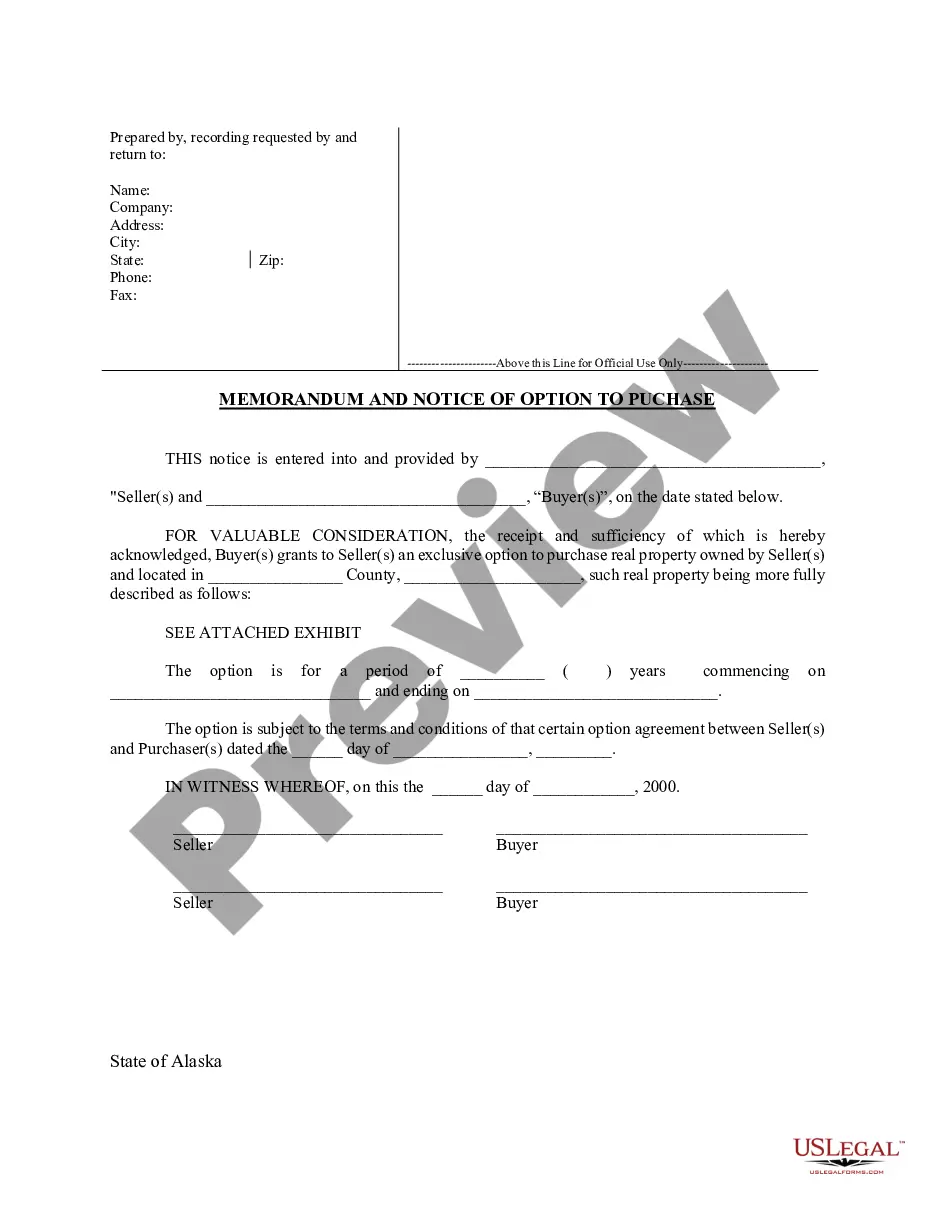
Ohio Letter from Tenant to Landlord about Sexual Harassment
Overview of this form
This Letter from Tenant to Landlord about Sexual Harassment is a vital document for tenants facing unacceptable conduct from their landlord. The form serves to formally communicate that the landlord's behavior constitutes sexual harassment, violating the tenant's right to enjoy their living space peacefully. This letter differs from other legal notices by specifically addressing issues of sexual harassment, allowing tenants to assert their rights and request that the landlord cease such conduct immediately.
What’s included in this form
- Identification of the tenant and landlord, including contact details.
- A clear statement describing the specific conduct perceived as sexual harassment.
- An assertion of the tenant's right to a safe and comfortable living environment.
- A request for the landlord to cease the harassing behavior.
- Signature and date fields for confirmation of delivery.

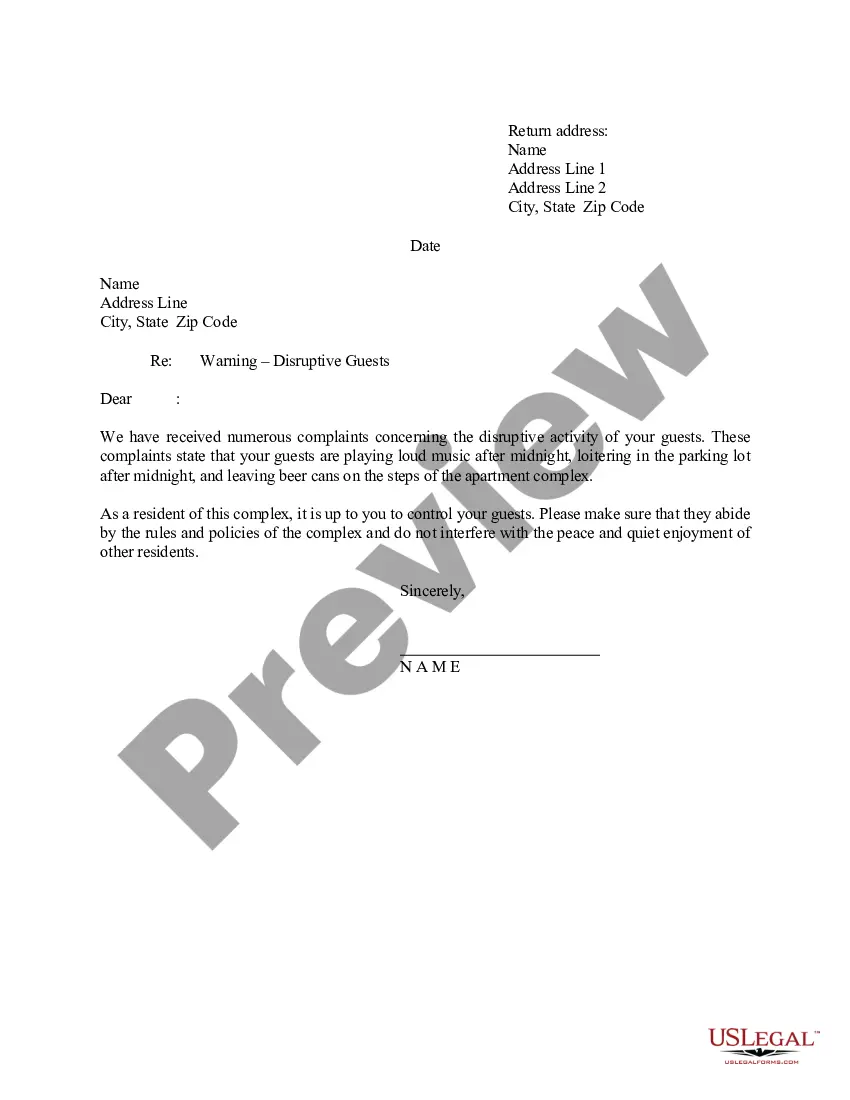
When this form is needed
This form is appropriate when a tenant experiences sexual harassment from their landlord. It can be used in situations where the tenant feels unsafe or uncomfortable due to the landlord's actions, and they wish to formally document the issue and request that the landlord stop. Using this letter can help protect the tenant's rights and create a record of the complaint.
Intended users of this form
Individuals who should consider using this form include:
- Tenants experiencing sexual harassment from their landlords.
- Individuals looking to formally document inappropriate behavior by their landlord.
- Those seeking to assert their rights in a professional manner.
Instructions for completing this form
- Identify the tenant and landlord with their full names and contact information.
- Clearly describe the behavior that is considered sexual harassment.
- State the request for the landlord to stop these actions and communicate in a professional manner.
- Sign and date the letter to formalize the notice.
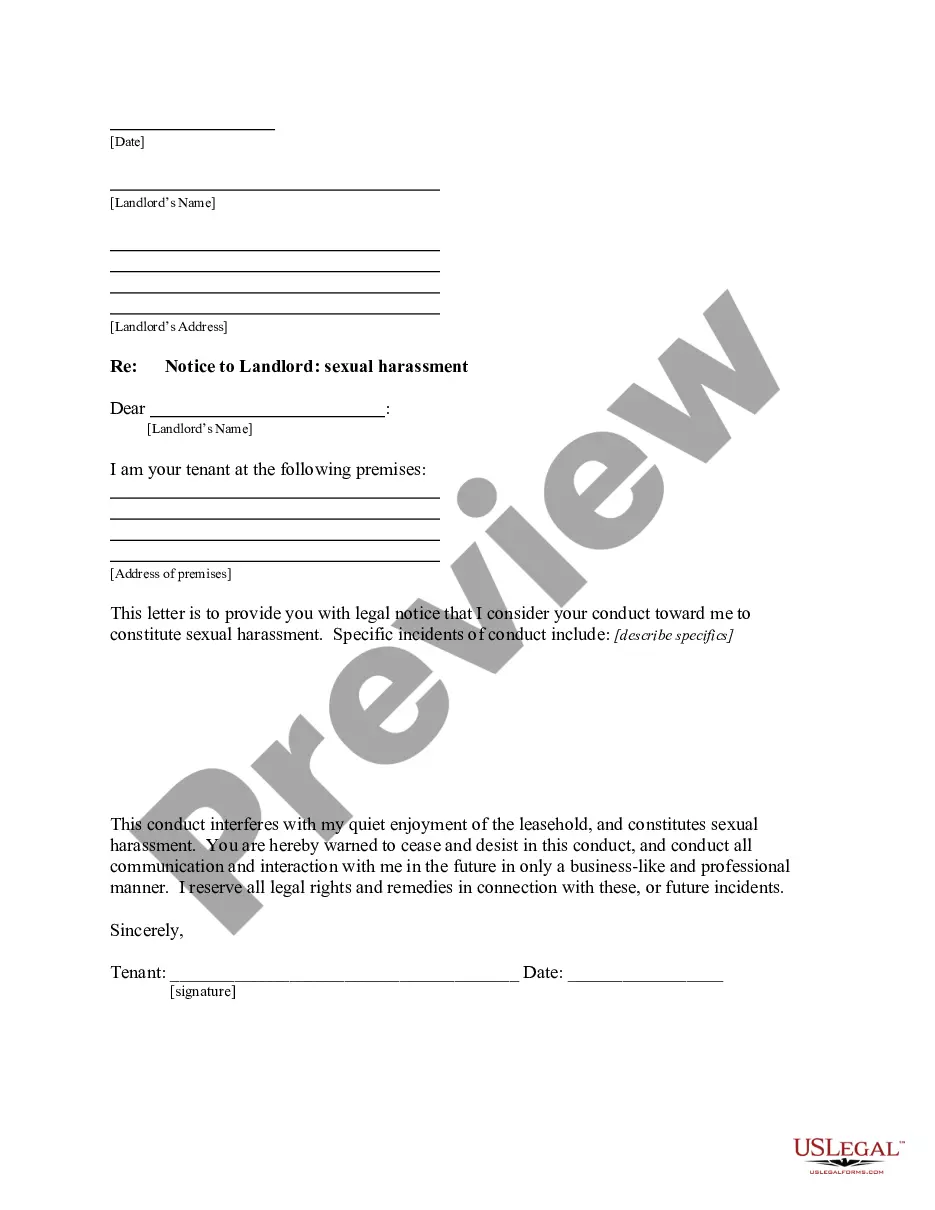
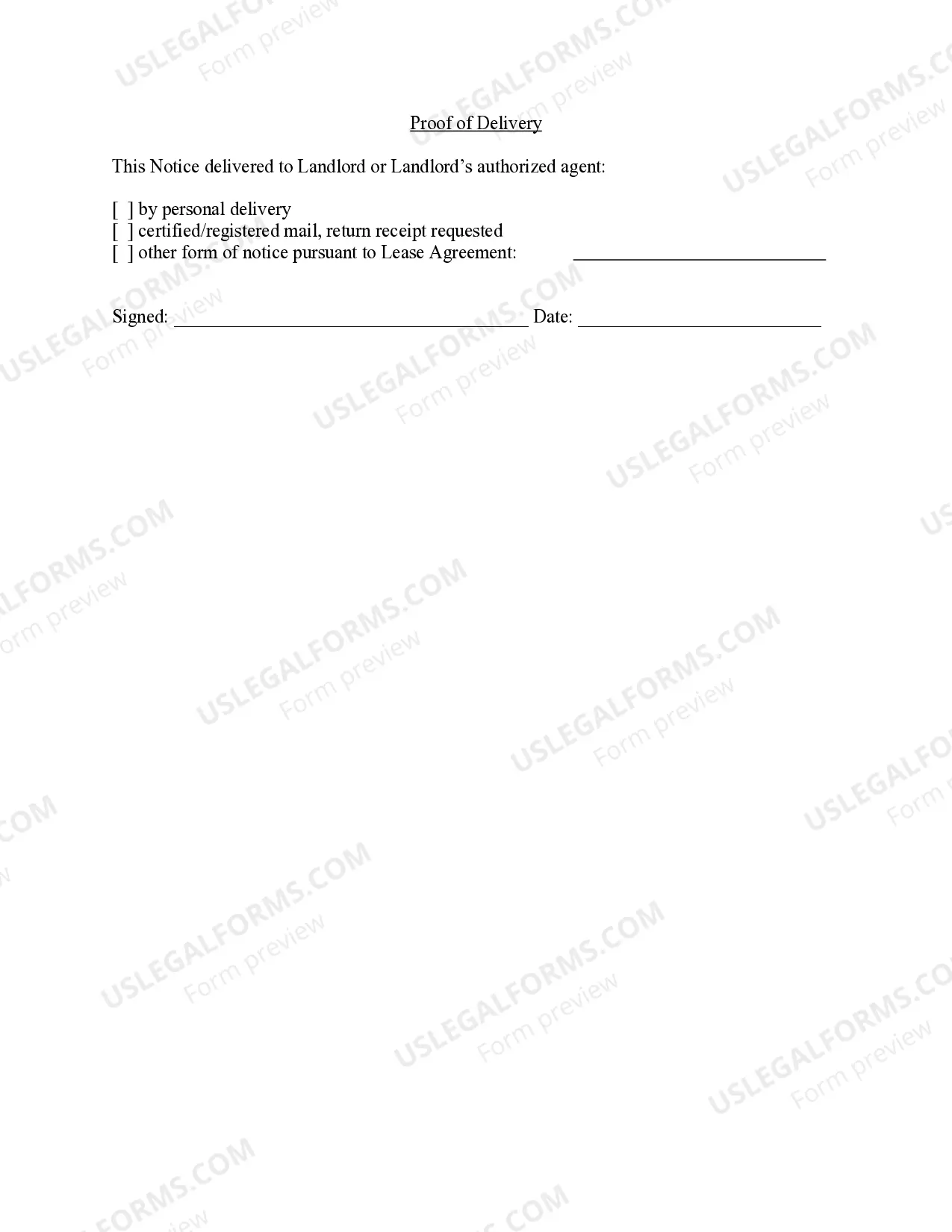
- Ensure proof of delivery by choosing a delivery method, such as certified mail or personal delivery.
Does this form need to be notarized?
This form does not typically require notarization unless specified by local law. Always check state-specific regulations to ensure compliance.
Get your form ready online
Our built-in tools help you complete, sign, share, and store your documents in one place.
Make edits, fill in missing information, and update formatting in US Legal Forms—just like you would in MS Word.
Download a copy, print it, send it by email, or mail it via USPS—whatever works best for your next step.
Sign and collect signatures with our SignNow integration. Send to multiple recipients, set reminders, and more. Go Premium to unlock E-Sign.
If this form requires notarization, complete it online through a secure video call—no need to meet a notary in person or wait for an appointment.
We protect your documents and personal data by following strict security and privacy standards.

Make edits, fill in missing information, and update formatting in US Legal Forms—just like you would in MS Word.

Download a copy, print it, send it by email, or mail it via USPS—whatever works best for your next step.

Sign and collect signatures with our SignNow integration. Send to multiple recipients, set reminders, and more. Go Premium to unlock E-Sign.

If this form requires notarization, complete it online through a secure video call—no need to meet a notary in person or wait for an appointment.

We protect your documents and personal data by following strict security and privacy standards.
Common mistakes
- Failing to clearly describe the harassing behavior.
- Neglecting to sign and date the letter.
- Not keeping a copy of the letter for personal records.
Why complete this form online
- Convenient access to the form at any time, from anywhere.
- Editable features allow for personalization to fit specific circumstances.
- Designed by licensed attorneys, ensuring reliability and legal compliance.
Legal use & context
- Addresses landlords' obligations to provide a non-hostile living environment.
- Serves as documentation in case of future legal action regarding harassment claims.
- Informs the landlord that their behavior is unacceptable and must cease.
Main things to remember
- The letter is a crucial step in addressing sexual harassment by a landlord.
- Completing this form properly can help in documenting issues for future reference.
- Understanding your rights as a tenant is essential for maintaining a safe living environment.
Looking for another form?

Form popularity
FAQ
Write a letter to your landlord stating that you are aware of your rights as a tenant, that s/he is in clear violation of the law, and that you want the situation remedied with no further harassment. Keep a copy of the letter; it will be good evidence if you have to take the landlord to court later.
Respectfully state that you are making a complaint. Explain the reason behind you making the complaint, making sure to put in the various reasons why you are making the complaint. Relate to the reader what you wish to be done about your complaint. End on a positive tone.
If you're seeking damages for emotional distress caused by a landlord's discrimination, or punitive damages for especially blatant and intentional discrimination, a lawsuit may well be your best bet. Understand what's involved in suing your landlord. You may file a lawsuit in either federal or state court.
State that you will be making a complaint. Explain why you are making a complaint and make sure to add your account of the event and other supporting facts. Let the management know what steps you wish to be made to address your complaint. End on a positive tone.
Review Your Lease Before You Sign. Research Local Laws. Keep Records. Pay Your Rent. Maintain Respectful Communication. Seek an Agreeable Solution. Request Repairs in Writing. What Do You Think?
Explain that you are making a complaint. Relate what the complaint is actually about and make sure to include the specific details about the complaint, especially an account of the event. Inform the management of what you wish to be done regarding the complaint that you are making. End on a positive tone.
Sue the landlord and whoever for up to $10,000 in small claims court for trespassing, breach of contract, invasion of privacy, and breach of quiet enjoyment; if you are two or more tenants, each can separately sue them for up to $10,000, and a joint action is not required.
Report the anti social behaviour If you know your neighbour is renting and who from, talk to their landlord first - this might be a private landlord, housing association or the council. If that doesn't sort out the problem you can go to the council if you haven't already talked to them.
Harassment can be anything a landlord does, or fails to do, that makes you feel unsafe in the property or forces you to leave. Harassment can include: stopping services, like electricity.anti-social behaviour by a landlord's agent, for example a friend of the landlord moves in next door and causes problems.