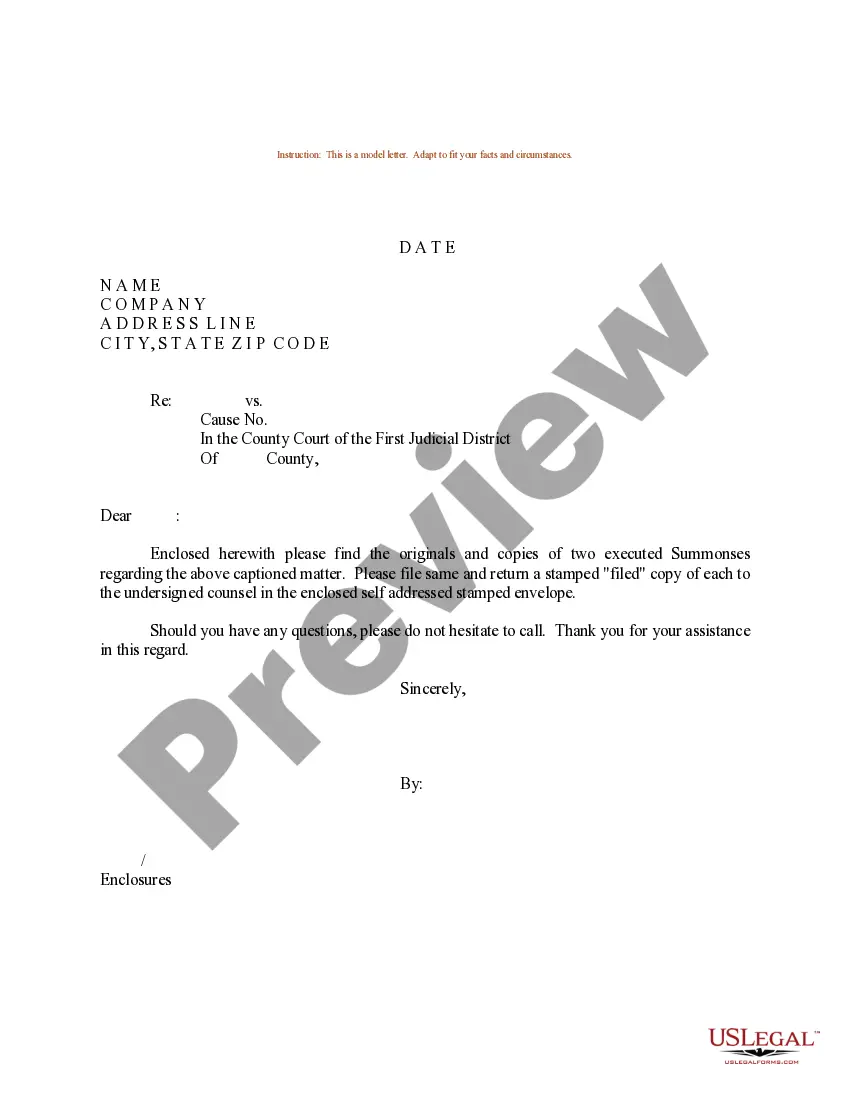
Nevada Last Will for a Widow or Widower with no Children
About this form
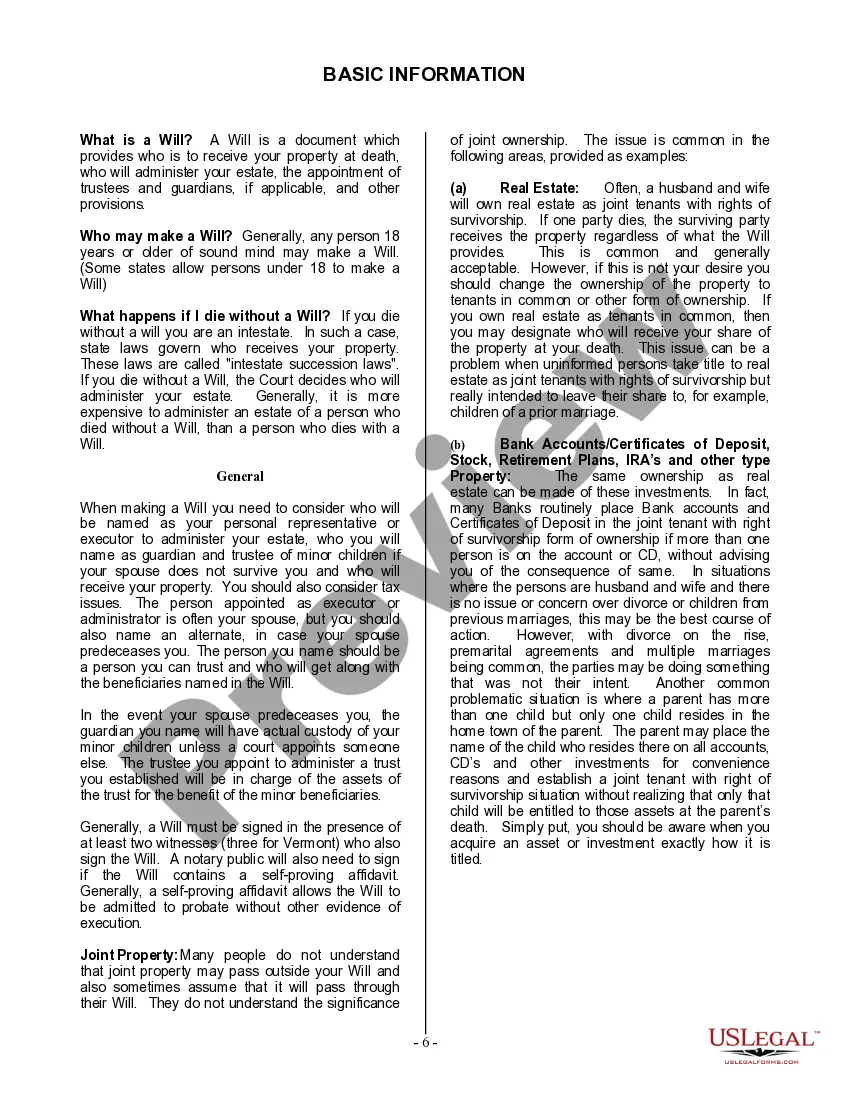
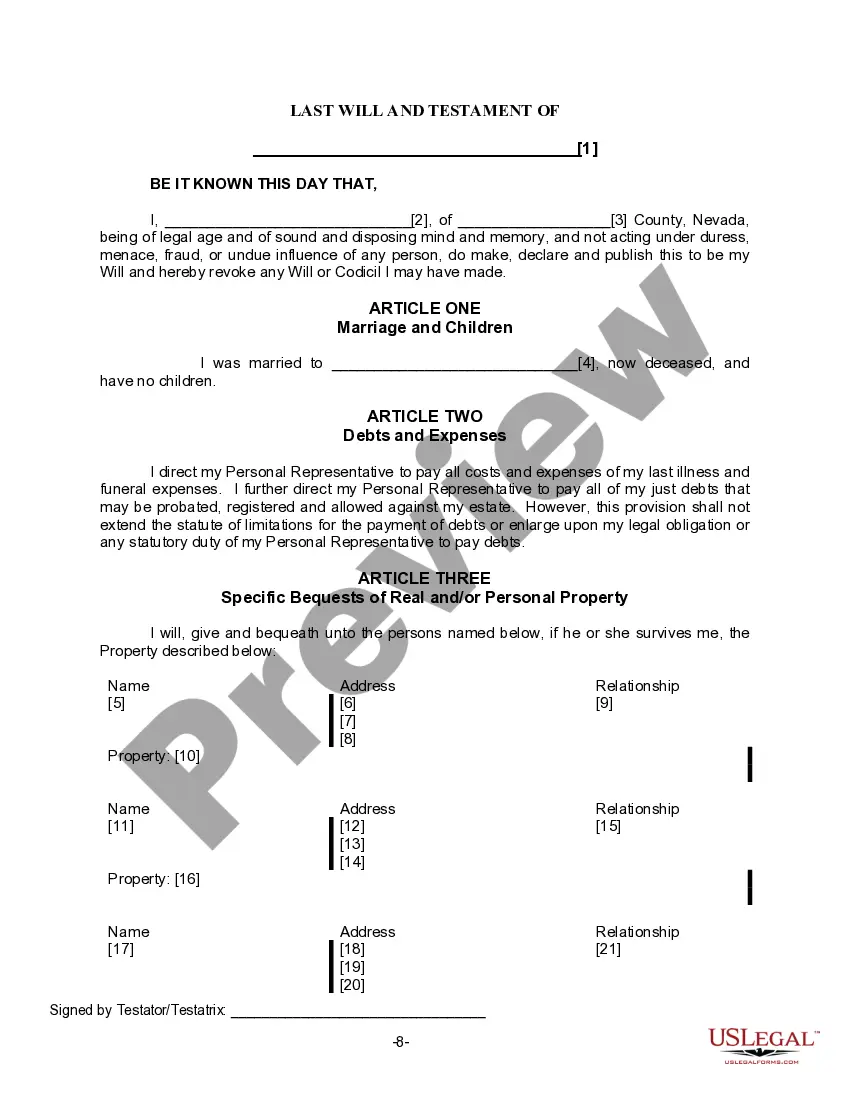
This Last Will for a Widow or Widower with No Children is a legal document that outlines how a person wishes to distribute their property and assets after their death. This form serves a unique purpose for individuals who are widowed, do not have children, and wish to ensure their wishes are honored. It includes essential provisions for appointing a personal representative, specifying beneficiaries, and outlining debts and expenses related to the estate.
Key parts of this document
- Personal information of the testator, including their full name and county of residence.
- Article outlining the marriage history and absence of children.
- Instructions for paying debts and funeral expenses from the estate.
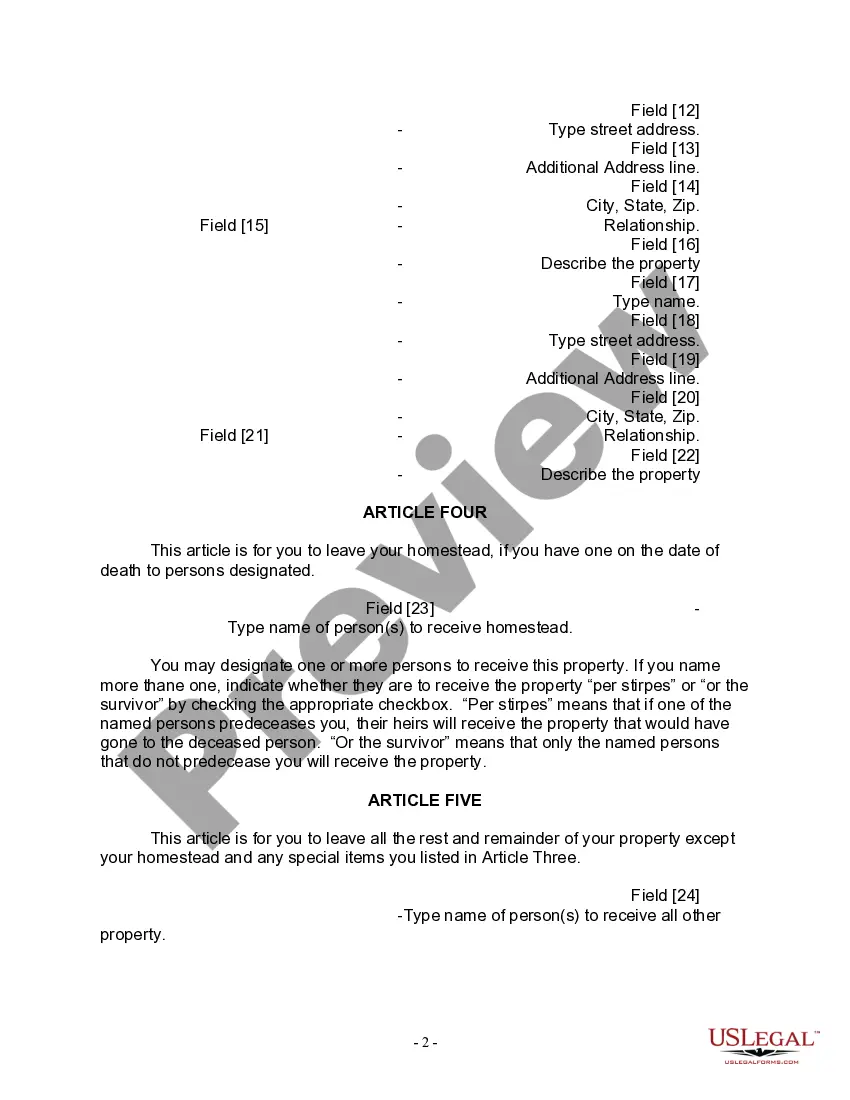
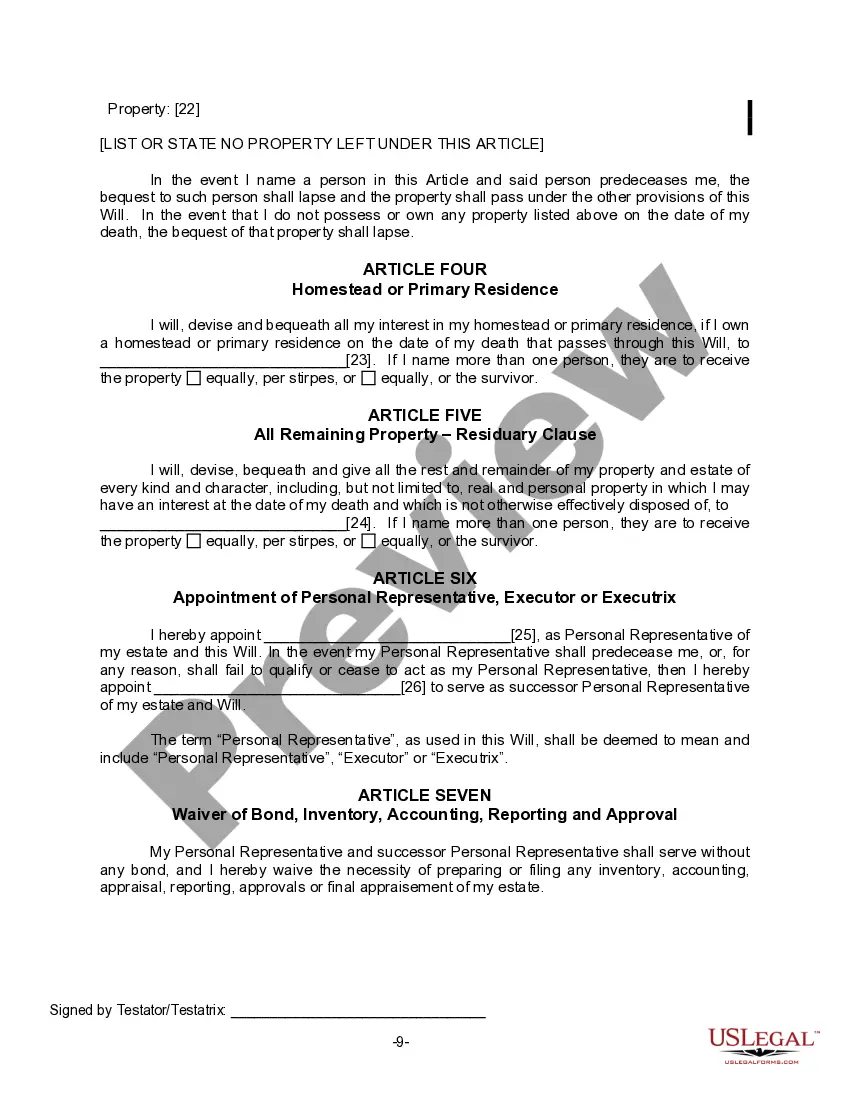
- Specific bequests of property to named individuals.
- Homestead or primary residence distribution clause.
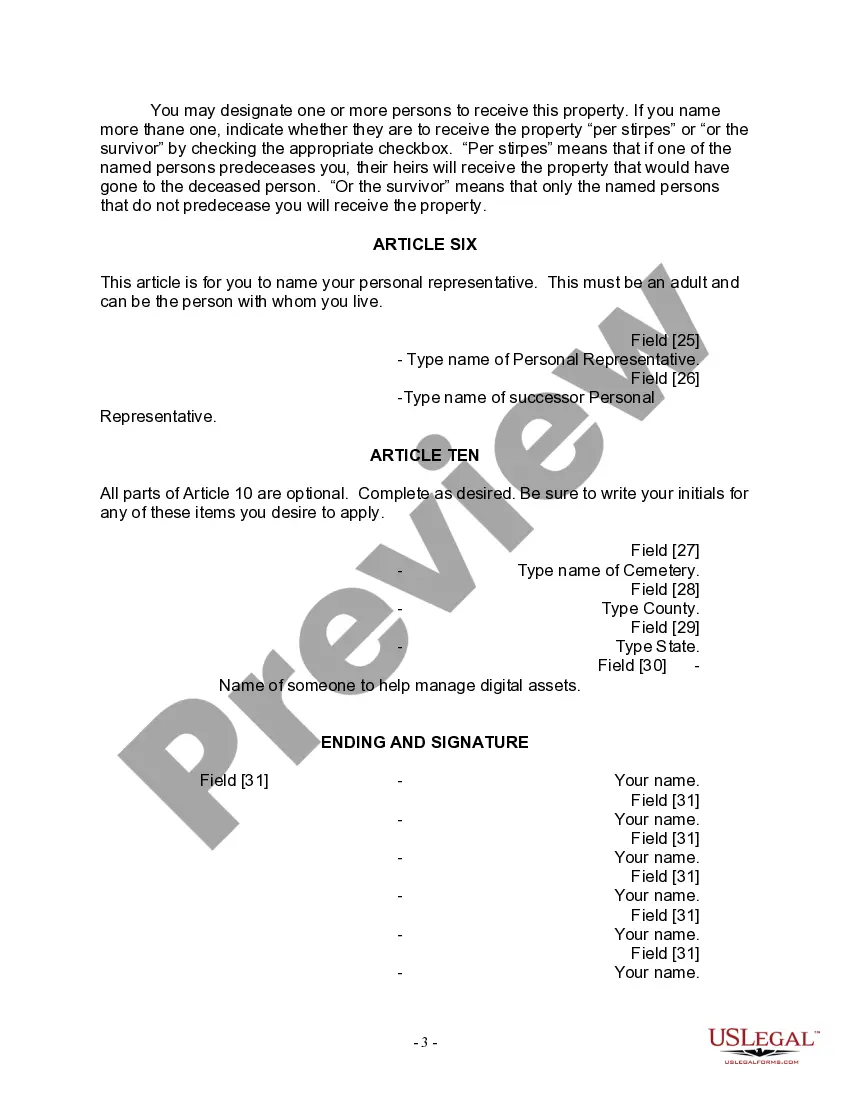
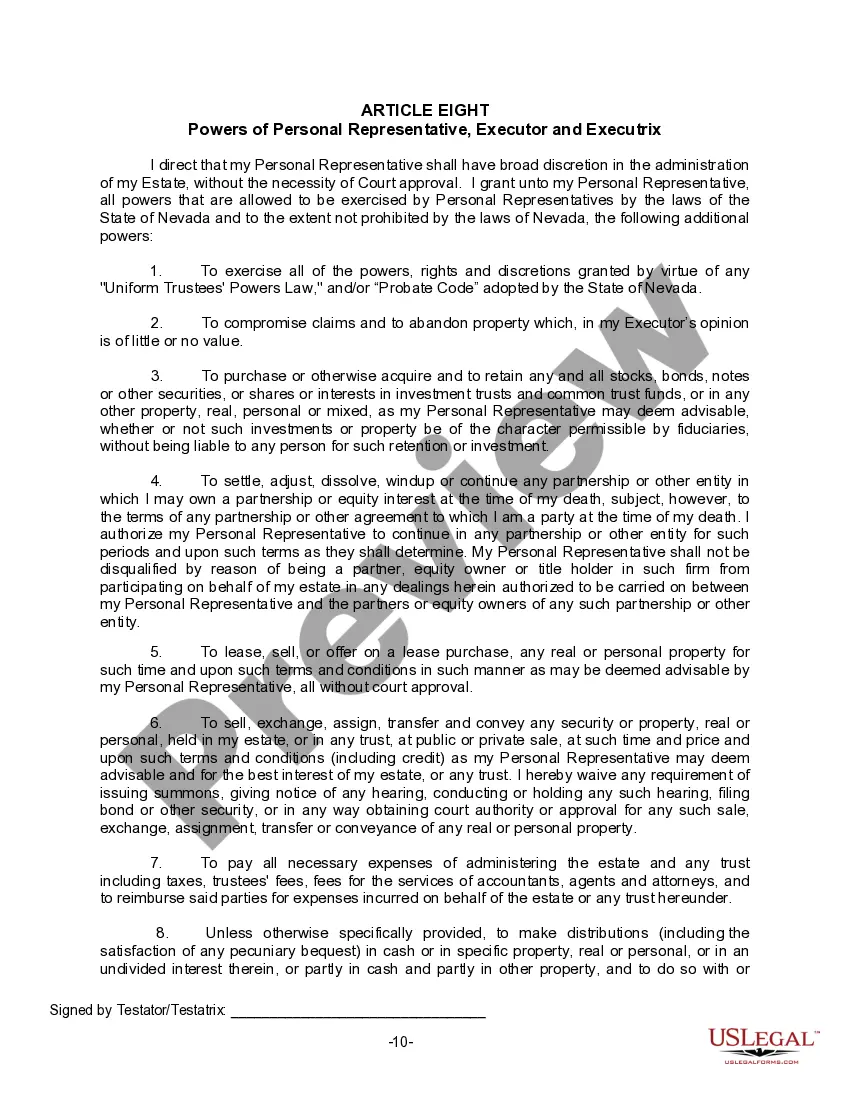
- Appointment of a personal representative to manage estate affairs.
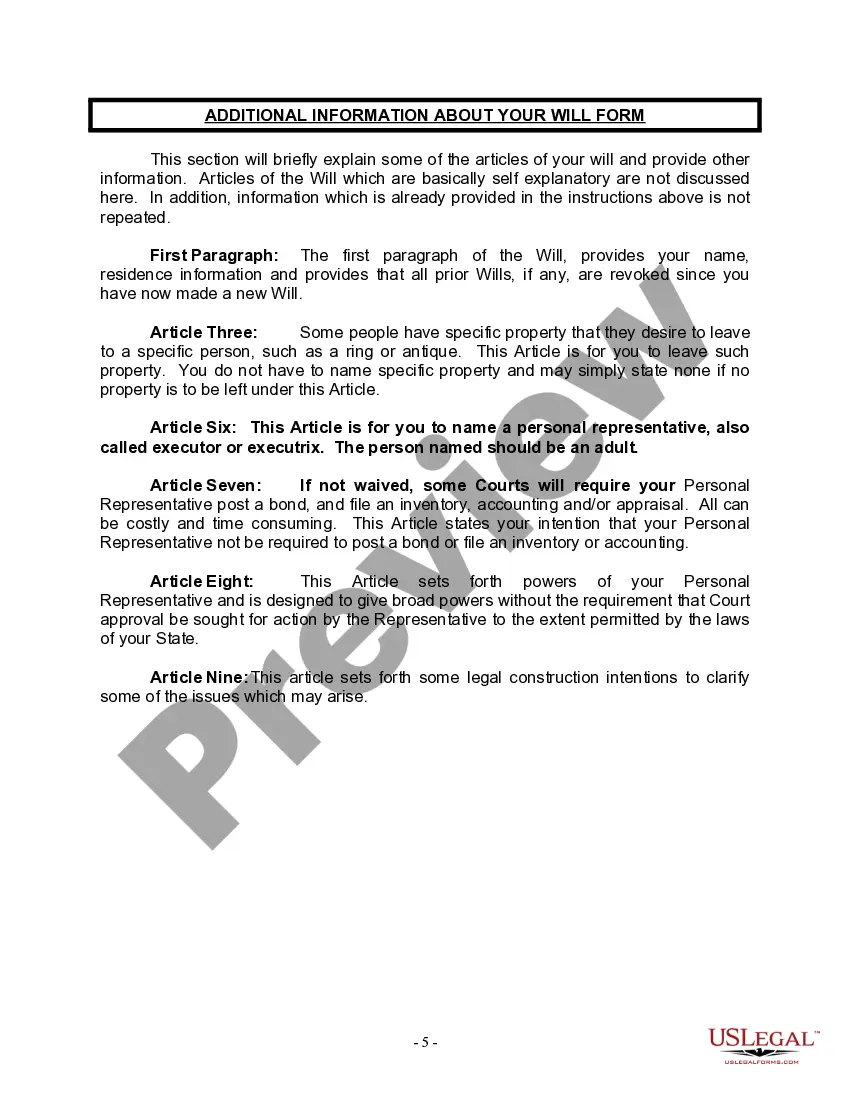
- Waiver of bond, inventory, and accounting requirements for the executor.



When to use this document
This form is necessary when a widow or widower wants to establish a clear plan for distributing their assets without children. It should be used when an individual seeks to ensure their estate is settled according to their wishes, particularly in the absence of immediate family who might otherwise inherit their estate.
Who can use this document
This form is intended for:
- Widows or widowers who do not have children.
- Individuals who want to designate heirs for their estate clearly.
- People looking to specify funeral and debt arrangements in their Will.
Completing this form step by step
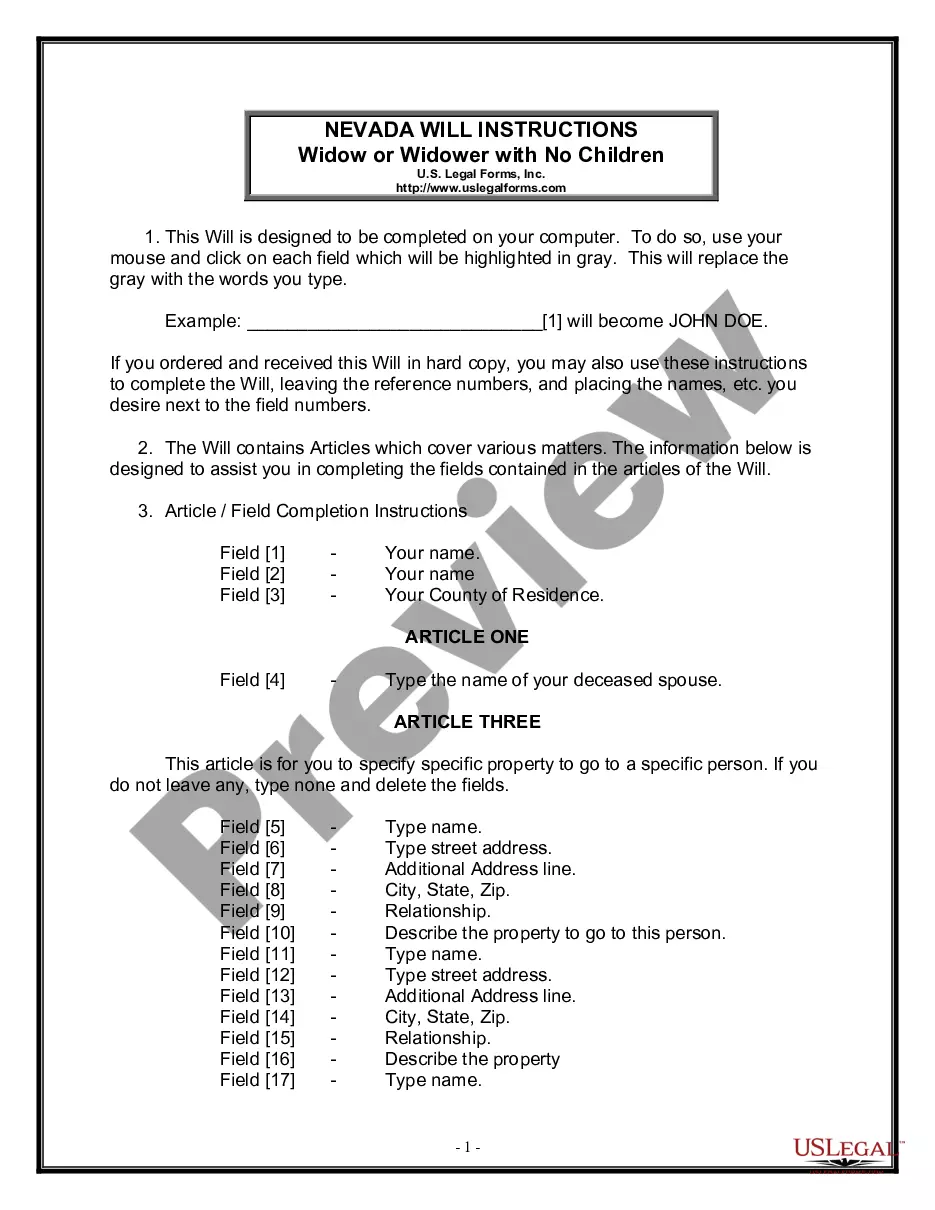
- Identify yourself as the testator, providing your name and county of residence.
- Clearly state your marital status and confirm you have no children.
- List any debts and expenses to be paid before the distribution of property.
- Specify any bequests of property to individuals or organizations.
- Choose a personal representative to manage your estate and ensure your wishes are carried out.
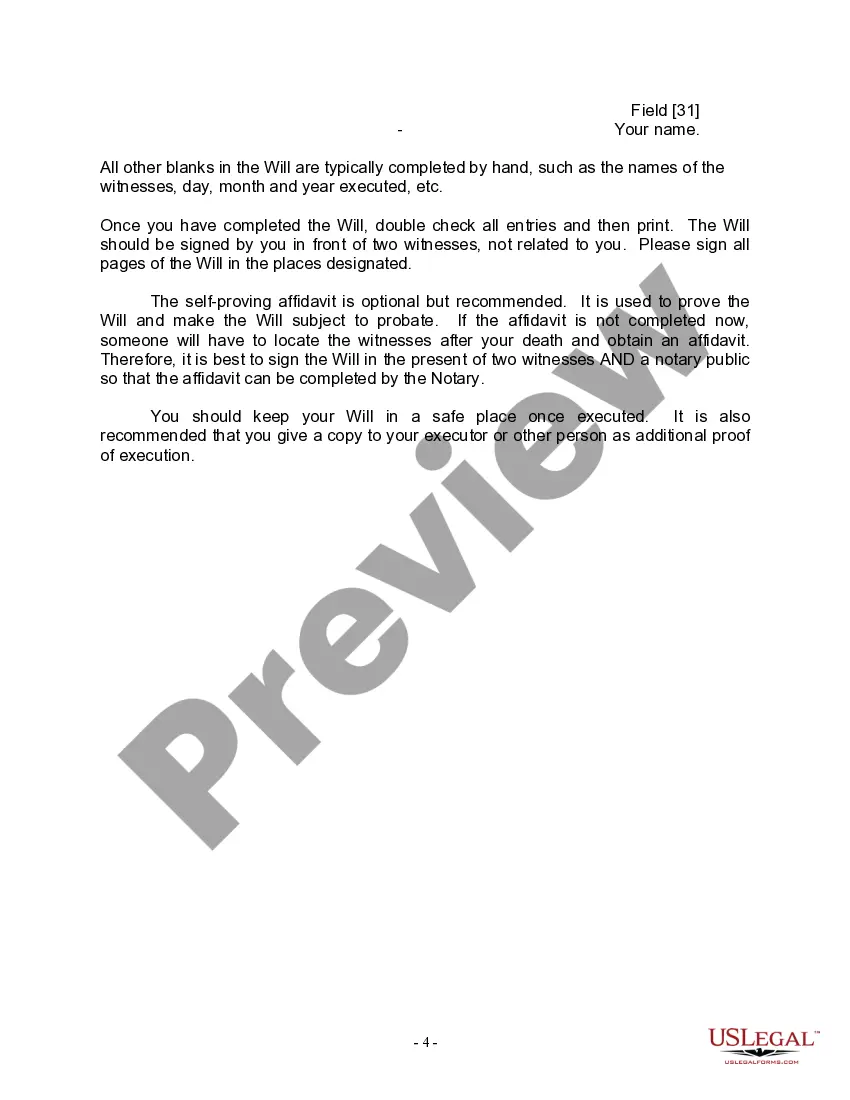
- Sign the document in the presence of two witnesses who are not related to you or named in your Will.
Notarization guidance
Yes, this form must be notarized to be legally valid. A notary public must witness the signing of the Will, ensuring its authenticity and compliance with state laws. US Legal Forms offers integrated online notarization options, making the process convenient and secure.
Get your form ready online
Our built-in tools help you complete, sign, share, and store your documents in one place.
Make edits, fill in missing information, and update formatting in US Legal Forms—just like you would in MS Word.
Download a copy, print it, send it by email, or mail it via USPS—whatever works best for your next step.
Sign and collect signatures with our SignNow integration. Send to multiple recipients, set reminders, and more. Go Premium to unlock E-Sign.
If this form requires notarization, complete it online through a secure video call—no need to meet a notary in person or wait for an appointment.
We protect your documents and personal data by following strict security and privacy standards.

Make edits, fill in missing information, and update formatting in US Legal Forms—just like you would in MS Word.

Download a copy, print it, send it by email, or mail it via USPS—whatever works best for your next step.

Sign and collect signatures with our SignNow integration. Send to multiple recipients, set reminders, and more. Go Premium to unlock E-Sign.

If this form requires notarization, complete it online through a secure video call—no need to meet a notary in person or wait for an appointment.

We protect your documents and personal data by following strict security and privacy standards.
Mistakes to watch out for
- Failing to sign the document in front of two unrelated witnesses.
- Not clearly identifying the property that is to be bequeathed.
- Leaving out important details regarding debts and funeral expenses.
- Not naming a personal representative, leading to ambiguity in estate management.
Benefits of using this form online
- Convenient access from anywhere, allowing for easy completion at your own pace.
- Editable to customize according to individual needs and preferences.
- Reliable templates drafted by licensed attorneys to ensure legal compliance.
Looking for another form?
Form popularity
FAQ
The Free Last Will and Testament Template for Word is compatible with Word 2003 or later versions.
No, in Nevada, you do not need to notarize your will to make it legal. However, Nevada allows you to make your will "self-proving" and you'll need to go to a notary if you want to do that. A self-proving will speeds up probate because the court can accept the will without contacting the witnesses who signed it.
In most situations, a will template is an easy and inexpensive way to make sure your wishes are known and carried out. Most people can get everything they need by using a will template, with little cost or hassle.
The form may be downloaded in fillable Adobe PDF, Rich Text Format, and Microsoft Word templates and should be signed by the testator and at least two (2) witnesses or a notary public (See your State's Probate Code).
1 Acquire This Form To Designate A Durable Power Of Attorney For Health Care. 2 Identify The Nevada Resident Granting This Power. 3 Establish Some Basic Facts Regarding This Appointment. 4 You May Include Statements Of Desires At Your Discretion. 5 A Precautionary Appointment Of Power Can Be Included.
Contrary to popular belief, you do not need to have an attorney draft a will for you. Anyone can write this document on their own, and as long as it meets all of the legal requirements of the state, courts will recognize one you wrote yourself.
You can file the will at the clerk's office for the Eighth Judicial District Court, which is located on the 3rd floor of the Regional Justice Center at 200 Lewis Avenue, Las Vegas, NV 89155 or at the Family Courts and Services Center at 601 N. Pecos Road, Las Vegas, NV 89101.
Nevada recognizes holographic (handwritten) and electronic wills that comply with Nevada law regarding such wills. A Nevada will may be changed at any time by codicil, which must be executed in the same way as a will.