New Jersey Letter from Tenant to Landlord about Insufficient Notice of Change in Rental Agreement for other than rent increase
What is this form?
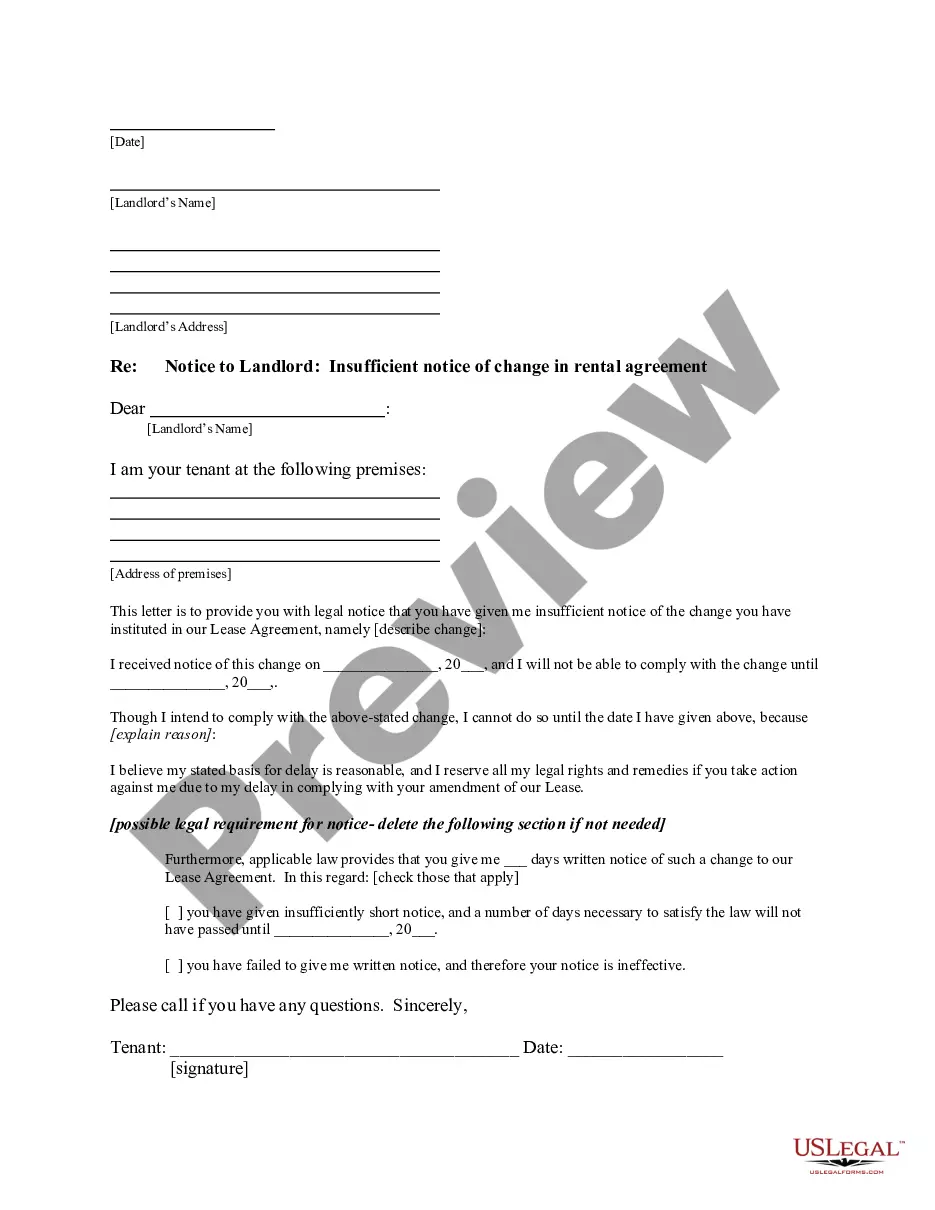
This letter is a formal notification from a tenant to a landlord regarding insufficient notice of a change in the rental agreement that is not related to a rent increase. It serves as a legal notice that allows the tenant to communicate discrepancies in the notice period provided for changes in the lease terms. By using this letter, tenants can assert their rights while ensuring that landlords comply with legal notice requirements.
Main sections of this form
- Identification of the tenant and landlord.
- Details regarding the insufficient notice period provided.
- Reference to applicable law requiring a specific notice period.
- Statement indicating the tenant's position on the change.
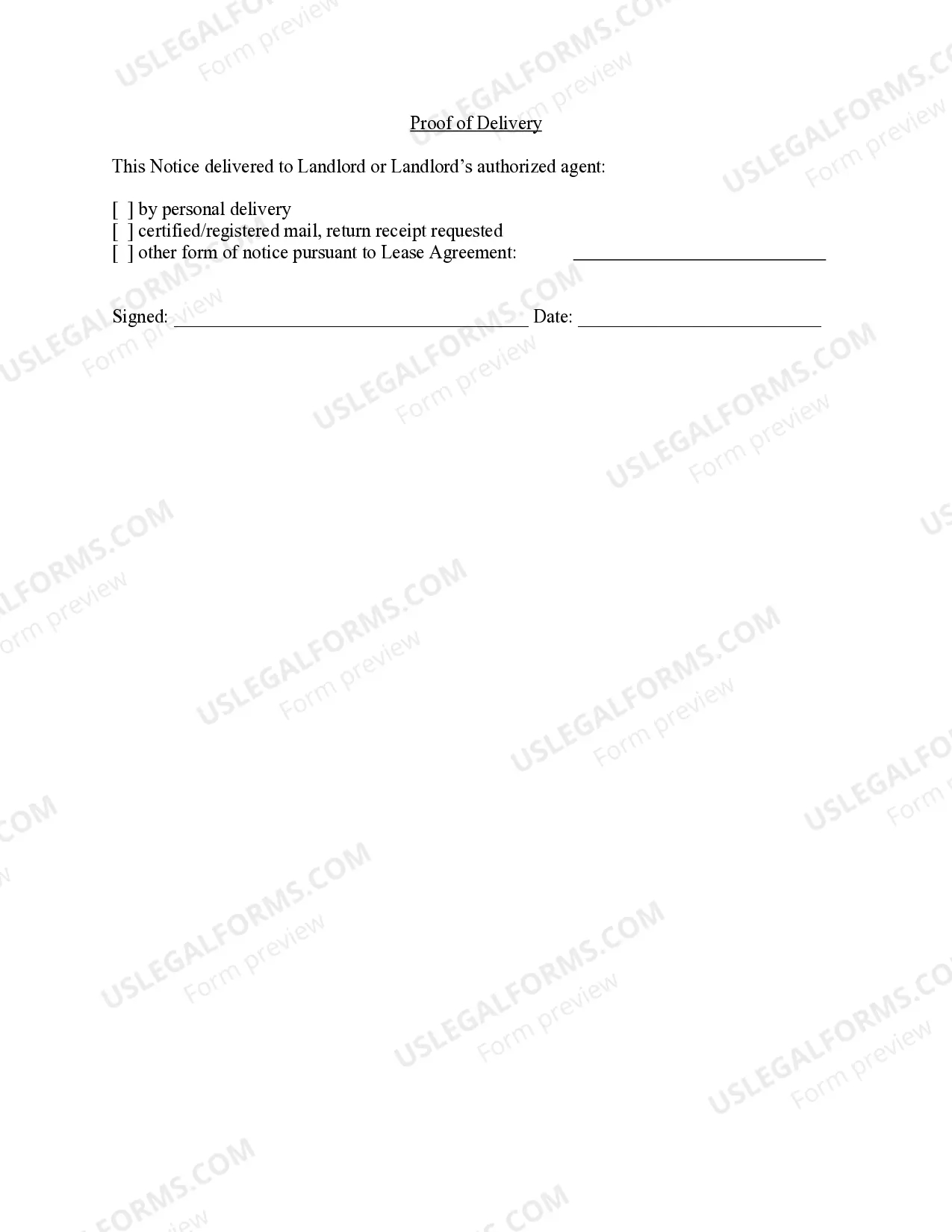
- Proof of delivery options.
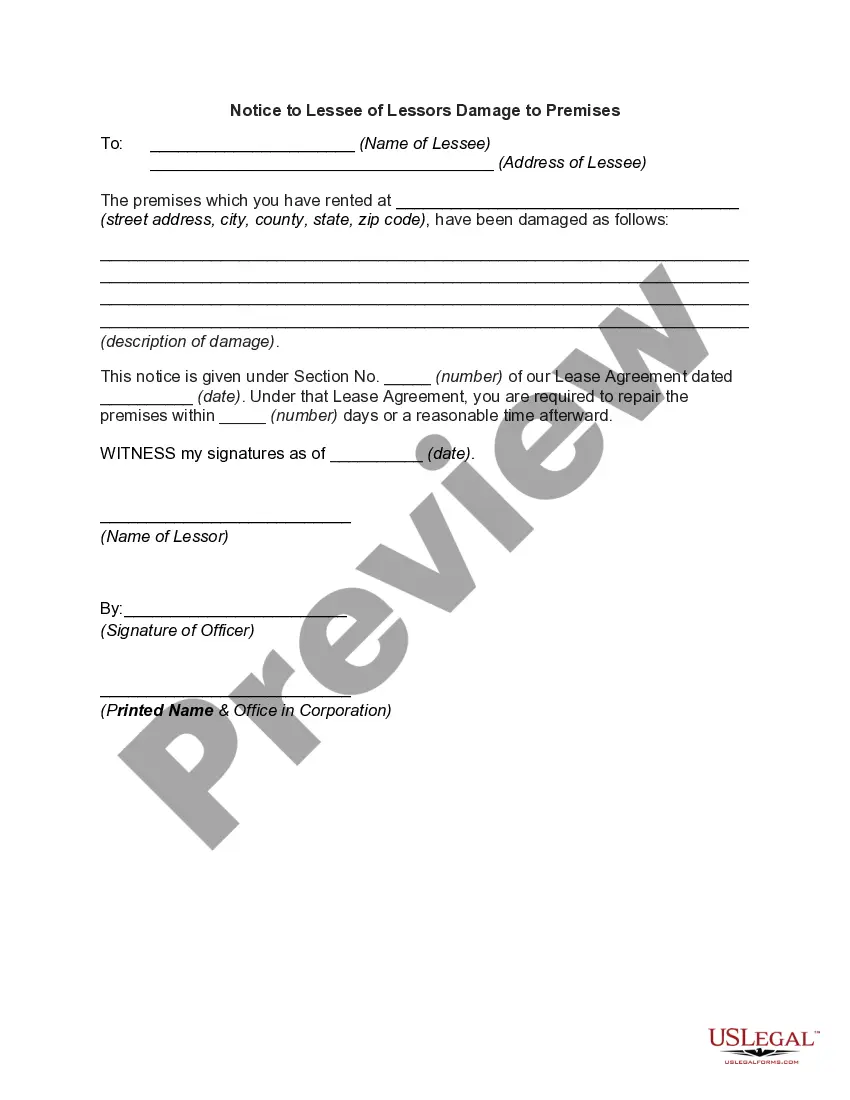

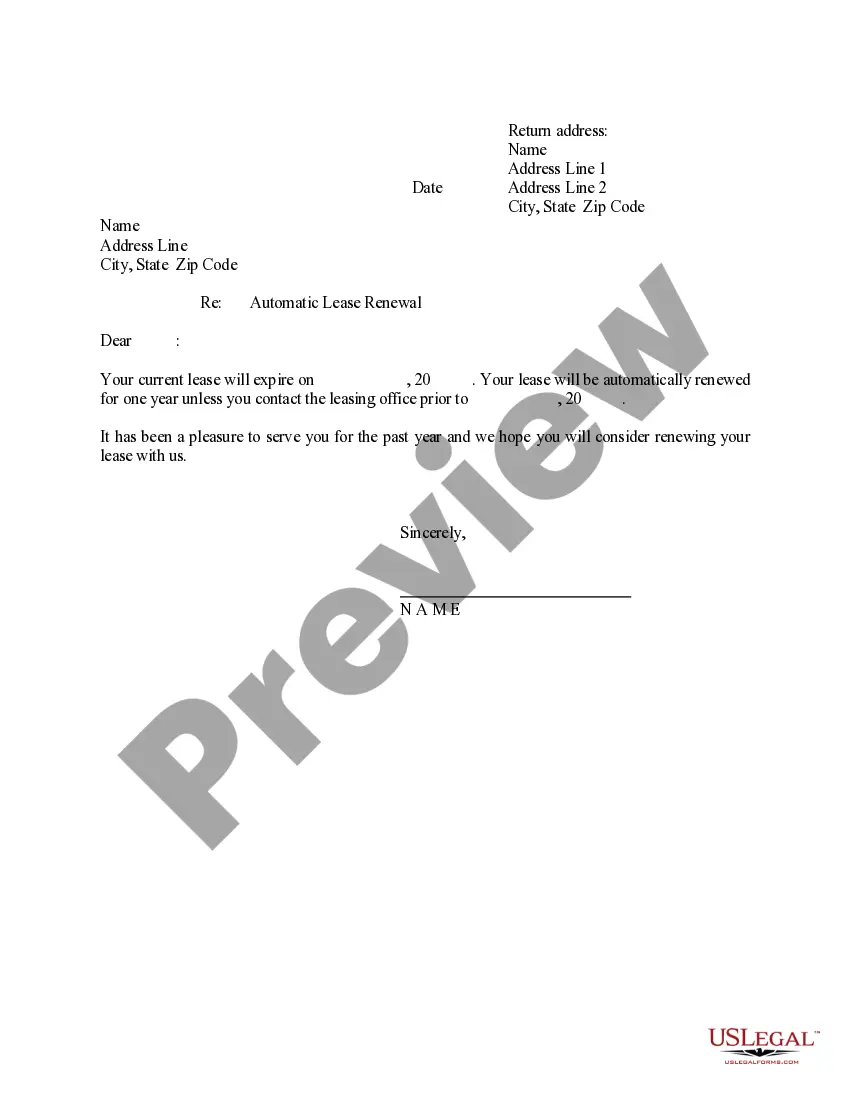

When to use this form
This form should be used when a landlord proposes a change to the lease agreement without providing sufficient notice as required by law. Examples include changes to lease terms other than rent increases, such as alterations in rental policies or additional fees. It's essential for tenants to formally notify landlords to protect their rights and clarify their position on these changes.
Who needs this form
- Tenants who have received insufficient notice from their landlord regarding a change in the rental agreement.
- Individuals seeking to assert their rights regarding lease conditions.
- Renters who wish to maintain legal compliance in their communication with landlords.
Completing this form step by step
- Identify the parties involved by entering the tenant's and landlord's names and addresses.
- Specify the change in the lease agreement that prompted this notification.
- Enter the number of days of notice that the landlord was required to provide.
- Mark whether the landlord gave insufficient notice or failed to provide any written notice.
- Include your signature and the date to finalize the letter.
Is notarization required?
This form does not typically require notarization unless specified by local law. Therefore, you can complete and send it without needing a notary's signature.
Get your form ready online
Our built-in tools help you complete, sign, share, and store your documents in one place.
Make edits, fill in missing information, and update formatting in US Legal Forms—just like you would in MS Word.
Download a copy, print it, send it by email, or mail it via USPS—whatever works best for your next step.
Sign and collect signatures with our SignNow integration. Send to multiple recipients, set reminders, and more. Go Premium to unlock E-Sign.
If this form requires notarization, complete it online through a secure video call—no need to meet a notary in person or wait for an appointment.
We protect your documents and personal data by following strict security and privacy standards.

Make edits, fill in missing information, and update formatting in US Legal Forms—just like you would in MS Word.

Download a copy, print it, send it by email, or mail it via USPS—whatever works best for your next step.

Sign and collect signatures with our SignNow integration. Send to multiple recipients, set reminders, and more. Go Premium to unlock E-Sign.

If this form requires notarization, complete it online through a secure video call—no need to meet a notary in person or wait for an appointment.

We protect your documents and personal data by following strict security and privacy standards.
Typical mistakes to avoid
- Failing to include the correct names and addresses of both parties.
- Not referencing the specific change in the rental agreement adequately.
- Missing the required number of notice days based on state laws.
- Neglecting to sign and date the letter before sending it to the landlord.
Why complete this form online
- Easy access to downloadable templates created by licensed attorneys.
- Editable forms that allow for customization to meet specific needs.
- Convenient and quick delivery options to ensure timely communication with landlords.
Looking for another form?

Form popularity
FAQ
A landlord must have good cause to evict a tenant.Each cause, except for nonpayment of rent, must be described in detail by the landlord in a written notice to the tenant. A Notice to Quit is required for all good cause evictions, except for an eviction for nonpayment of rent.
Notice to Terminate the Lease A month-to-month tenant must give written notice of lease termination at least one full month prior to moving. Most yearly leases require a 60 to 90 day notice from the tenants in order to terminate the lease.
If you don't move out by the day in the notice, the landlord can ask the NSW Civil and Administrative Tribunal (NCAT) for a termination order. A termination order means the rental agreement is ended. The order will state the day when you must give vacant possession that is, you move out and return the keys.
The Eviction Process in NJ with No Lease Your landlord is required to go through the court in order to legally evict you. Your landlord is also not permitted from unilaterally locking you out of your home, removing your personal belongings, or shutting off any utilities.
If the landlord/agent wants to end your agreement at the end of the fixed term, they must give you at least 30 days notice that includes the last day of the term. If the landlord/agent applies for a termination order, the Tribunal must terminate the agreement.
Can a tenant claim for improvements made during the lease? The position differs in the case of immovable and movable property. Tenant can claim for:The claim arises only once the lease is terminated and lessee vacated the property.
Leaving without giving notice Your tenancy won't have ended and you'll still have to pay your rent until you end your tenancy in the right way. You might also have to pay other bills - for example, council tax. Your landlord can get a court order to make you pay the rent you owe.
They don't have to give you any reasons why they want to evict you. They have to give you at least 28 days notice, but this could be longer depending on your agreement. If you don't leave by the time your notice ends, your landlord has to go to court to get a court order to make you leave.
I am giving 1 month's notice to end my tenancy, as required by law. I will be leaving the property on (date xxxxx). I would like you to be at the property on the day I move out to check the premises and for me to return the keys. I also need you to return my tenancy deposit of (state amount).