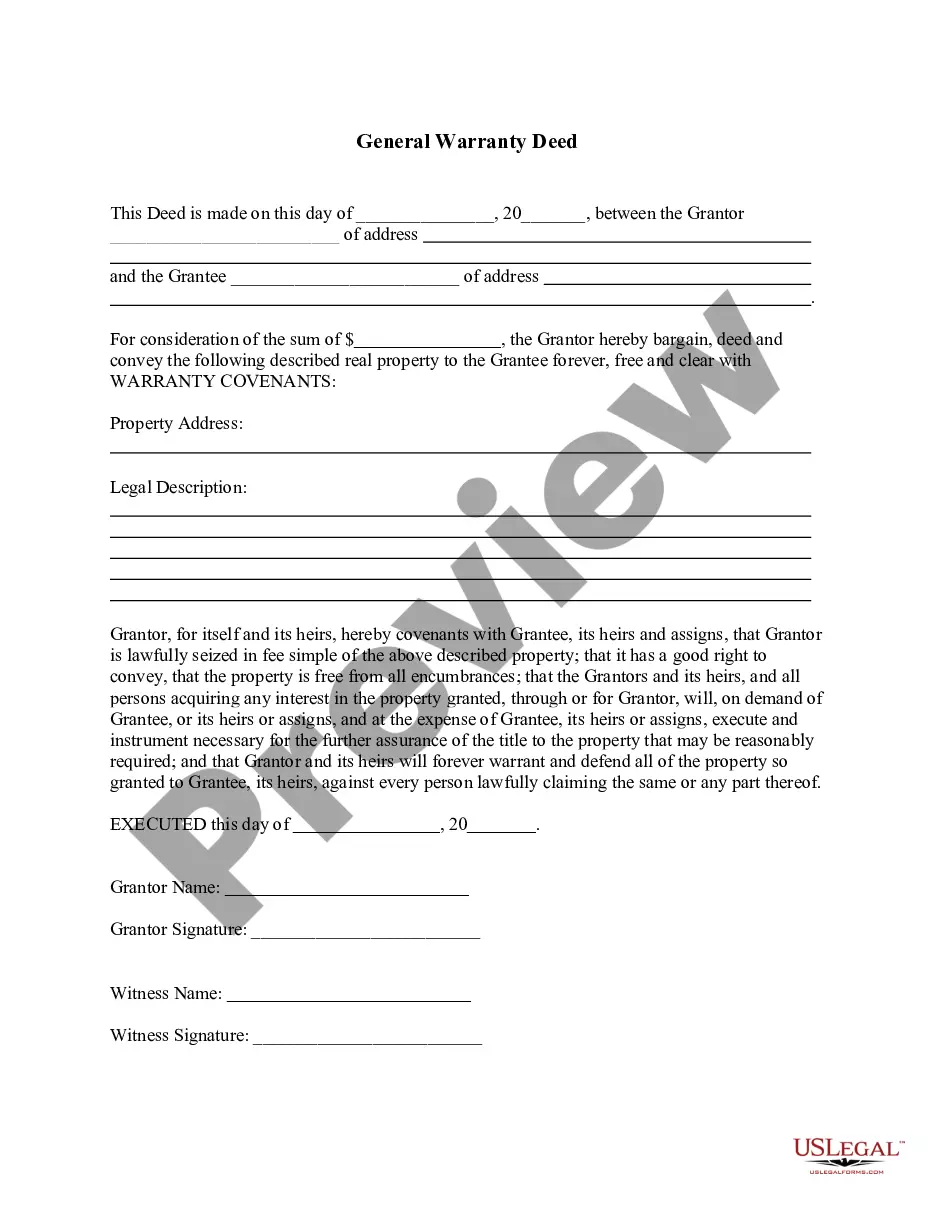
New Hampshire Fiduciary Deed for use by Executors, Trustees, Trustors, Administrators and other Fiduciaries
Description
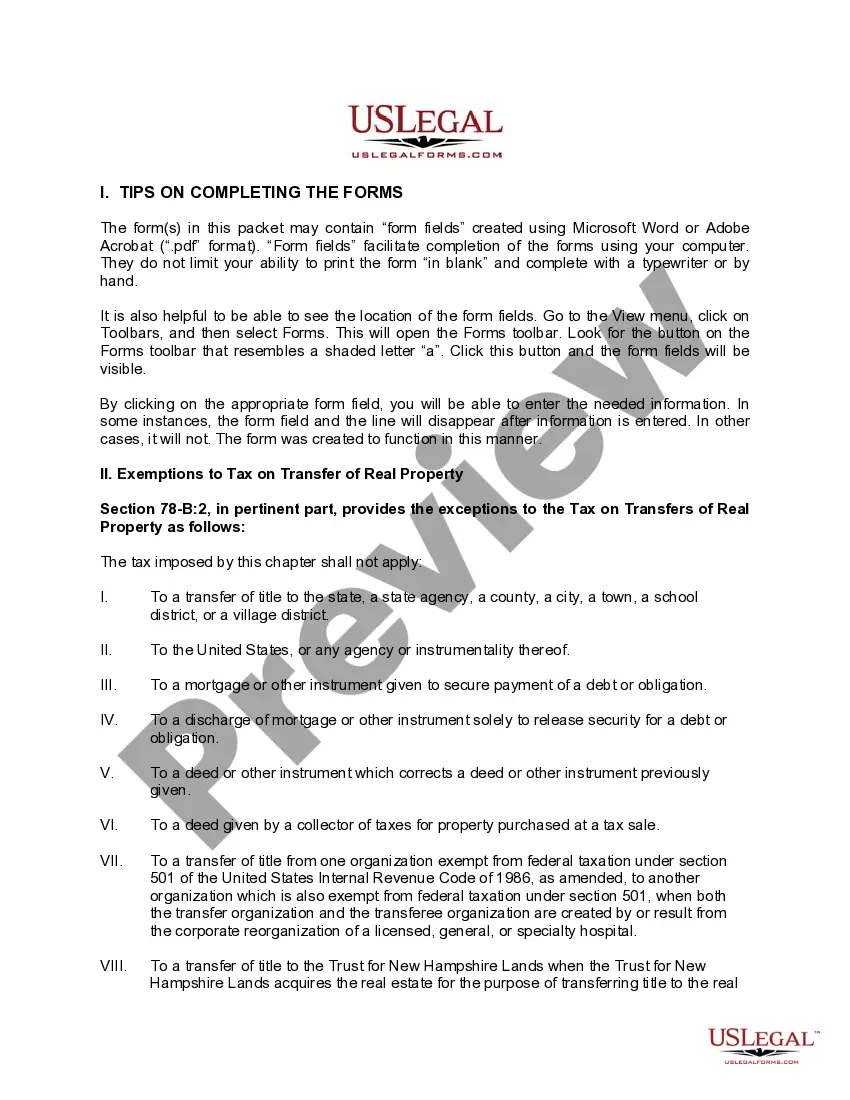
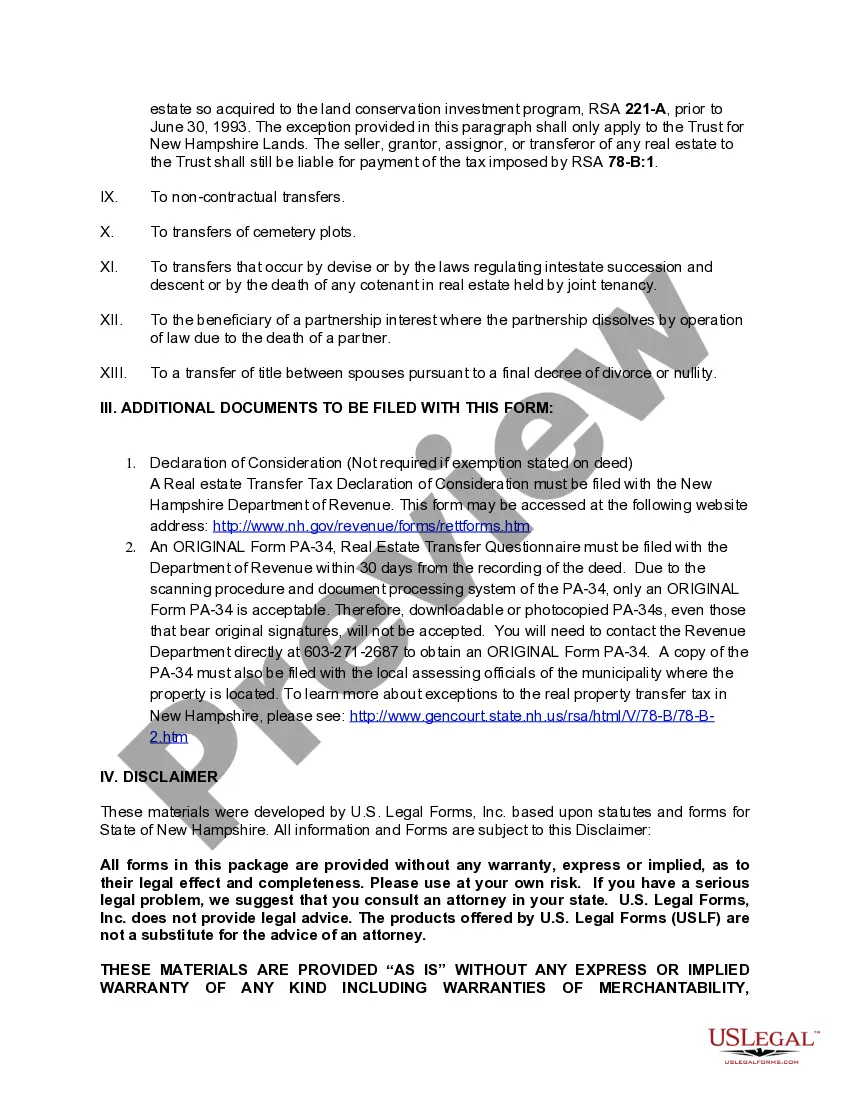





Get your form ready online
Our built-in tools help you complete, sign, share, and store your documents in one place.
Make edits, fill in missing information, and update formatting in US Legal Forms—just like you would in MS Word.
Download a copy, print it, send it by email, or mail it via USPS—whatever works best for your next step.
Sign and collect signatures with our SignNow integration. Send to multiple recipients, set reminders, and more. Go Premium to unlock E-Sign.
If this form requires notarization, complete it online through a secure video call—no need to meet a notary in person or wait for an appointment.
We protect your documents and personal data by following strict security and privacy standards.

Make edits, fill in missing information, and update formatting in US Legal Forms—just like you would in MS Word.

Download a copy, print it, send it by email, or mail it via USPS—whatever works best for your next step.

Sign and collect signatures with our SignNow integration. Send to multiple recipients, set reminders, and more. Go Premium to unlock E-Sign.

If this form requires notarization, complete it online through a secure video call—no need to meet a notary in person or wait for an appointment.

We protect your documents and personal data by following strict security and privacy standards.
Looking for another form?

How to fill out New Hampshire Fiduciary Deed For Use By Executors, Trustees, Trustors, Administrators And Other Fiduciaries?
Among countless free and paid templates that you’re able to find on the net, you can't be certain about their reliability. For example, who created them or if they’re qualified enough to deal with the thing you need these to. Keep calm and utilize US Legal Forms! Discover New Hampshire Fiduciary Deed for use by Executors, Trustees, Trustors, Administrators and other Fiduciaries templates created by professional attorneys and get away from the costly and time-consuming process of looking for an lawyer and then having to pay them to write a document for you that you can find on your own.
If you have a subscription, log in to your account and find the Download button next to the file you are searching for. You'll also be able to access your previously downloaded documents in the My Forms menu.
If you’re using our website the first time, follow the guidelines listed below to get your New Hampshire Fiduciary Deed for use by Executors, Trustees, Trustors, Administrators and other Fiduciaries with ease:
- Ensure that the document you discover is valid in the state where you live.
- Review the file by reading the description for using the Preview function.
- Click Buy Now to begin the ordering procedure or find another sample utilizing the Search field found in the header.
- Choose a pricing plan sign up for an account.
- Pay for the subscription using your credit/debit/debit/credit card or Paypal.
- Download the form in the required file format.
When you’ve signed up and purchased your subscription, you can use your New Hampshire Fiduciary Deed for use by Executors, Trustees, Trustors, Administrators and other Fiduciaries as often as you need or for as long as it continues to be valid in your state. Change it in your preferred offline or online editor, fill it out, sign it, and create a hard copy of it. Do much more for less with US Legal Forms!
Form popularity
FAQ
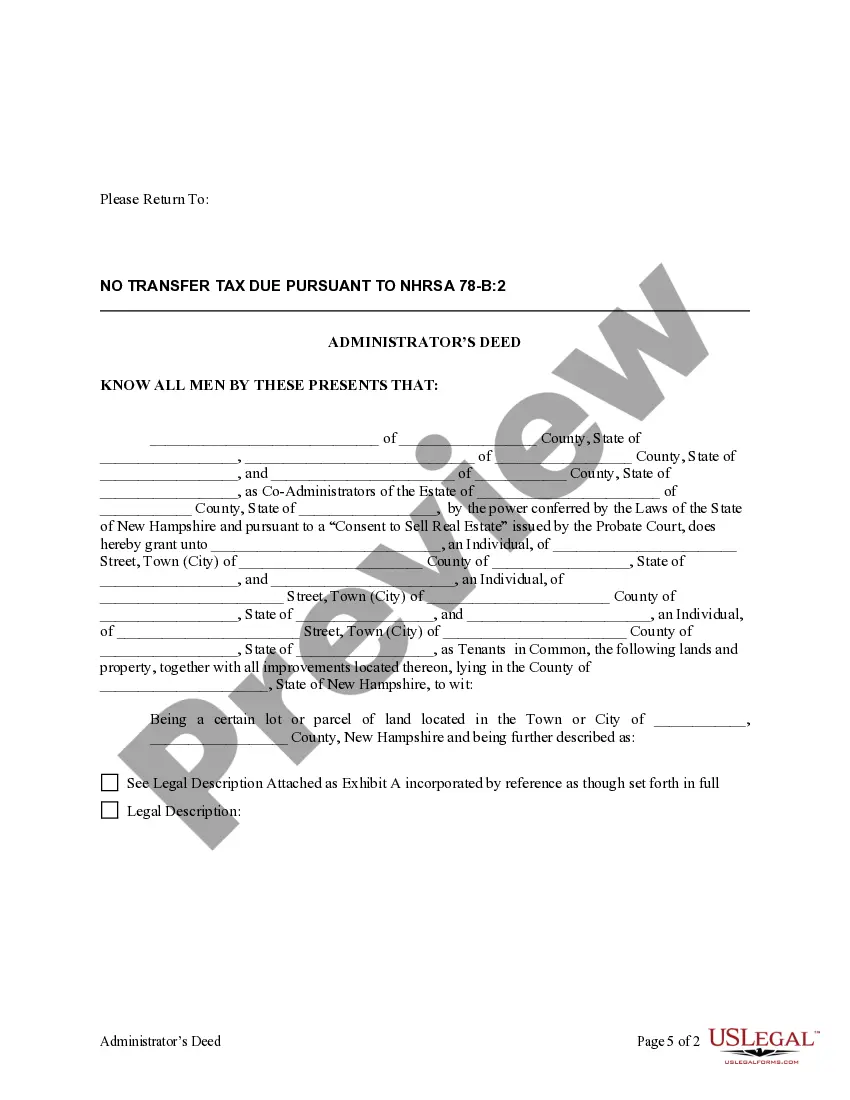
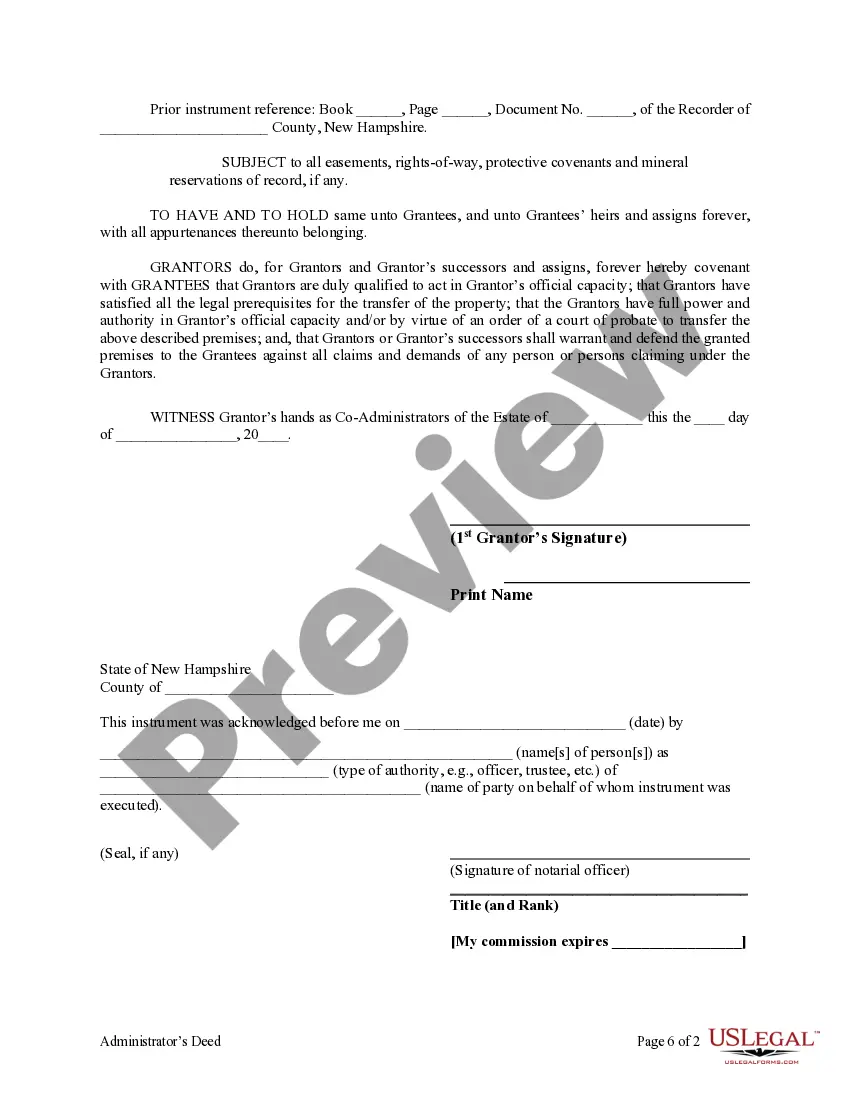
The New Hampshire Fiduciary Deed is a real estate transfer document used by executors, trustees, administrators, and other fiduciaries to convey title for an estate or trust. It requires grantor and grantee identification, a legal property description, authority declarations, and signatures with dates, plus attachments such as a Real Estate Transfer Tax Declaration of Consideration. Use it when a fiduciary must transfer property as part of administering the estate or trust.
A fiduciary deed is a deed signed by someone in a fiduciary capacity (like an executor, trustee, or administrator) to transfer property on behalf of an estate or trust, rather than by the owner. It includes declarations of the fiduciary’s authority and may require attachments. A regular deed is executed by the property owner to transfer title to a buyer or other grantee.
Fiduciary deed means a deed executed by a fiduciary to convey property for an estate or trust, using the fiduciary’s authority. This form ensures the transfer follows the fiduciary’s duties and includes required elements such as grantor/grantee identification, a legal description, authority declarations, signatures with dates, and any attachments.
Attachments may include the Real Estate Transfer Tax Declaration of Consideration, as noted in the form components. In addition, the deed should include grantor and grantee identification, a legal property description, and declarations of authority. Attachments help document consideration and other required details when transferring real property under fiduciary duties.
The grantors must sign the fiduciary deed, with space for dates. The grantors are executors, trustees, administrators, or other fiduciaries acting on behalf of the estate or trust, and the signatures affirm their authority to convey the property.
This form is designed for transfers by fiduciaries acting on behalf of an estate or trust and requires declarations of authority and capacity, plus potential attachments. A standard deed is typically executed by the property owner in a personal capacity and may not include fiduciary declarations or capacity attestations.