New Hampshire Revocation of Premarital or Prenuptial Agreement
Understanding this form
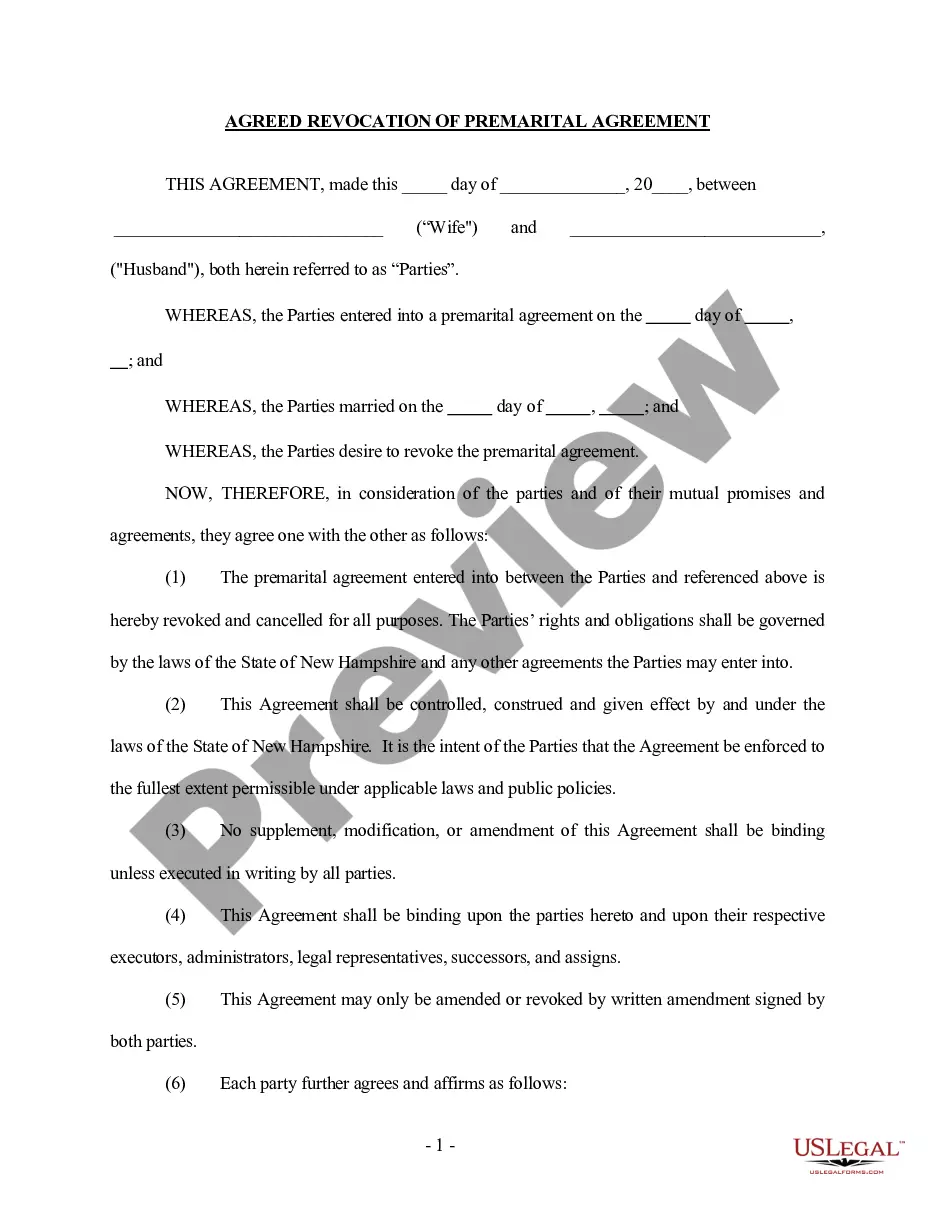
The Revocation of Premarital or Prenuptial Agreement is a legal document used by married couples to officially cancel an existing premarital agreement. This form ensures that any prior agreements regarding marital rights and obligations are rendered void, allowing the parties to establish new terms or revert to state laws. It is important to differentiate this form from a premarital agreement, which outlines terms before marriage, as this form nullifies those terms after marriage.
Key components of this form
- Date of execution: The specific day the revocation is signed.
- Parties involved: Names of both the husband and wife.
- Revocation statement: A clear declaration to revoke the existing premarital agreement.
- Governing law: Specifies that the agreement is controlled by the laws of New Hampshire.
- Binding effect: Indicates that the agreement is binding on both parties and their legal representatives.
- Amendment clause: States how the agreement can be modified or revoked in the future.
When this form is needed
This form should be used when a couple decides to revoke an existing premarital agreement after marriage. Common scenarios include changes in circumstances, such as the birth of children, a change in financial status, or simply a mutual agreement to establish new terms regarding their marriage. It is a critical step for couples wishing to update their legal relationship status under state law.
Intended users of this form
- Married couples who wish to annul their premarital agreement.
- Individuals looking to revise their legal rights and obligations after marriage.
- Parties that have mutually agreed to terminate their prior premarital arrangements.
Steps to complete this form
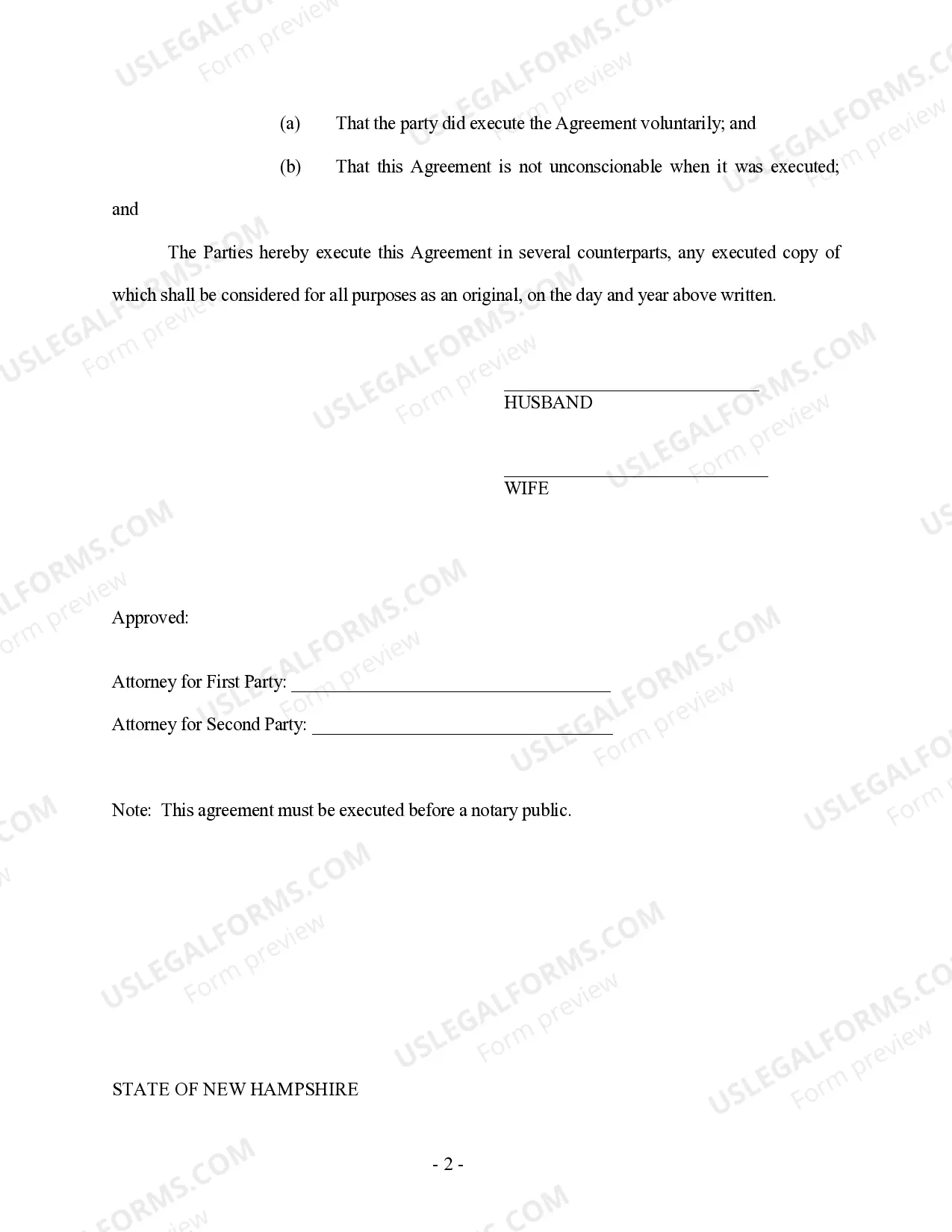
- Identify the parties: Clearly mention the names of the husband and wife at the beginning of the form.
- Enter the date: Fill in the date on which the revocation is being executed.
- Review the revocation statement: Confirm the intent to revoke the premarital agreement is clear and unambiguous.
- Sign the agreement: Both parties must sign the form to validate the revocation.
- Keep records: Each party should retain a copy of the signed document for their records.
Notarization requirements for this form
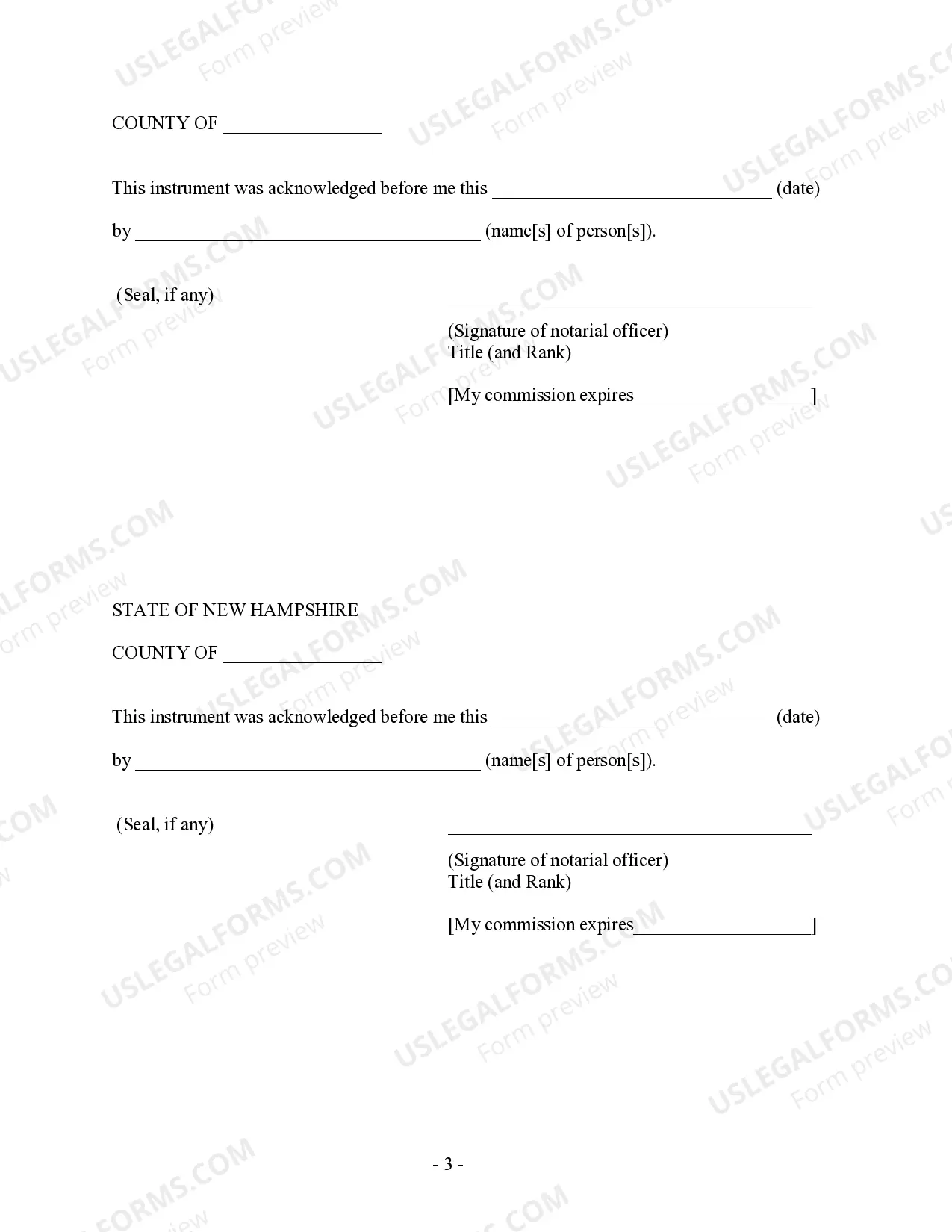
In most cases, this form does not require notarization. However, some jurisdictions or signing circumstances might. US Legal Forms offers online notarization powered by Notarize, accessible 24/7 for a quick, remote process.
Get your form ready online
Our built-in tools help you complete, sign, share, and store your documents in one place.
Make edits, fill in missing information, and update formatting in US Legal Forms—just like you would in MS Word.
Download a copy, print it, send it by email, or mail it via USPS—whatever works best for your next step.
Sign and collect signatures with our SignNow integration. Send to multiple recipients, set reminders, and more. Go Premium to unlock E-Sign.
If this form requires notarization, complete it online through a secure video call—no need to meet a notary in person or wait for an appointment.
We protect your documents and personal data by following strict security and privacy standards.

Make edits, fill in missing information, and update formatting in US Legal Forms—just like you would in MS Word.

Download a copy, print it, send it by email, or mail it via USPS—whatever works best for your next step.

Sign and collect signatures with our SignNow integration. Send to multiple recipients, set reminders, and more. Go Premium to unlock E-Sign.

If this form requires notarization, complete it online through a secure video call—no need to meet a notary in person or wait for an appointment.

We protect your documents and personal data by following strict security and privacy standards.
Common mistakes
- Failing to include both names of the husband and wife.
- Not signing the document, which invalidates the revocation.
- Not specifying the date of execution.
- Overlooking the need for legal advice before executing the revocation.
Benefits of using this form online
- Convenience: Downloadable forms allow you to complete them at your own pace.
- Editability: Easily customize the form to meet your specific needs and circumstances.
- Reliability: Forms are drafted by licensed attorneys to ensure legal accuracy.
Legal use & context
- The revocation is effective only when both parties mutually agree and sign the document.
- This form should not conflict with any state laws that govern marital agreements.
- It is advisable to have a clear understanding of both parties' rights prior to revocation.
Key takeaways
- The Revocation of Premarital or Prenuptial Agreement nullifies existing agreements between spouses.
- Both parties must sign the revocation to make it enforceable.
- Consulting with a legal professional is recommended to navigate implications effectively.
Looking for another form?

Form popularity
FAQ
The agreement was signed under fraud or duress; The agreement is unconscionable; The circumstances of the parties have changed, making the agreement unenforceable at this time.
A prenuptial agreement can be changed or canceled, provided this what both parties want.Remember, a single partner in the marriage can't change or cancel the prenuptial agreement by themselvesthey must have the agreement and signature of the other party.
These documents need to be revised, refreshed, updated and reaffirmed through a post-nuptial agreement on a regular basis. This is advised every five years, but at the very least, couples should re-affirm their agreements every 10 years. Failing to do so could cause a prenup to appear stale and outdated to the court.
A prenup can also be overturned if one or both parties change their mind after initially signing the agreement. They may decide at that time to sign a new agreement suspending the prenup.
No, you cannot get a prenup if you are already married.You can still sign a postnuptial agreement (or postnup), which achieves the same goals as a prenup in most cases. Prenups are a common step before marriage. Texas community property rules are the reason why prenups are common in Texas.
The three most common grounds for nullifying a prenup are unconscionability, failure to disclose, or duress and coercion.Duress and coercion can also invalidate a prenup. If the prenup was signed the day before your wedding, it may appear that the parties didn't have much time to fully review the agreement.
Turning to the execution of the agreement itself, a spouse can challenge the validity of a prenuptial agreement if he/she can prove the agreement was not entered into voluntary or with sufficient disclosure. Evidence of coercion, fraud, duress, or the incapacity of a spouse can all serve to invalidate the contract.
A prenup can also be overturned if one or both parties change their mind after initially signing the agreement. They may decide at that time to sign a new agreement suspending the prenup.
The three most common grounds for nullifying a prenup are unconscionability, failure to disclose, or duress and coercion. Unconscionability may be present if the agreement is patently unfair to one party.