North Carolina Landlord Tenant Closing Statement to Reconcile Security Deposit
What is this form?
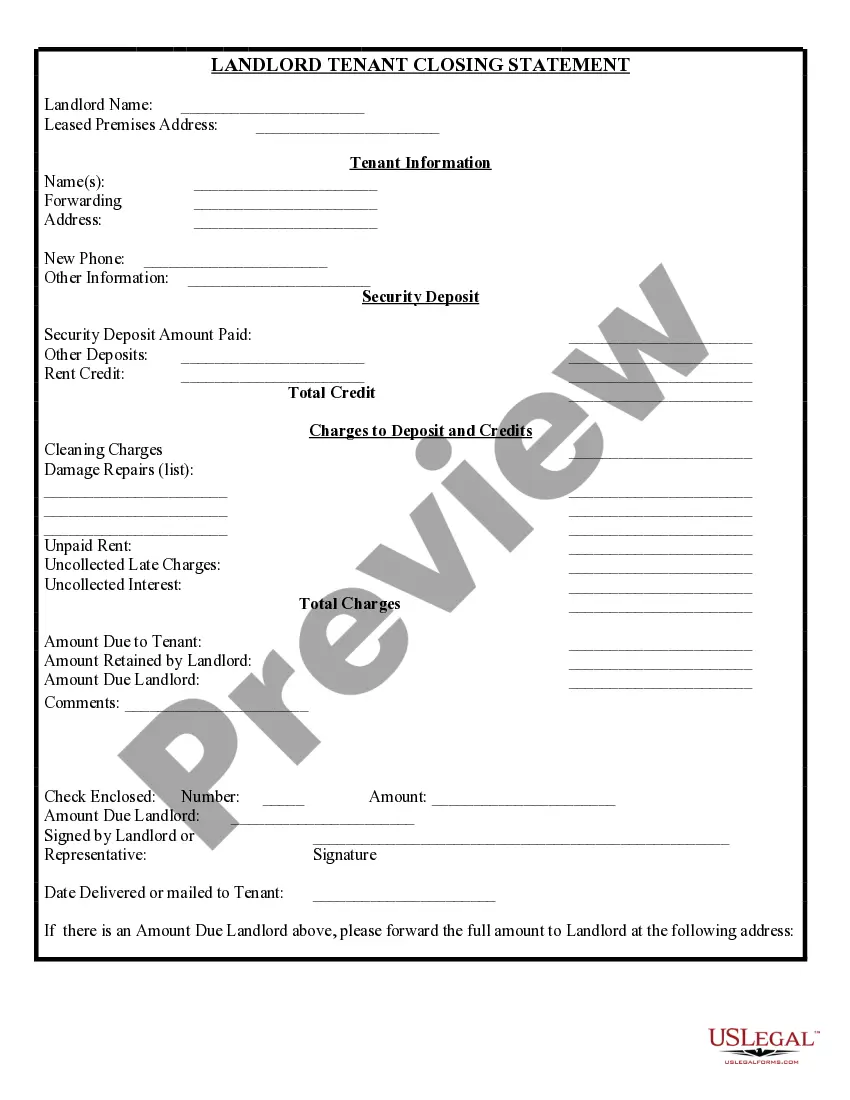
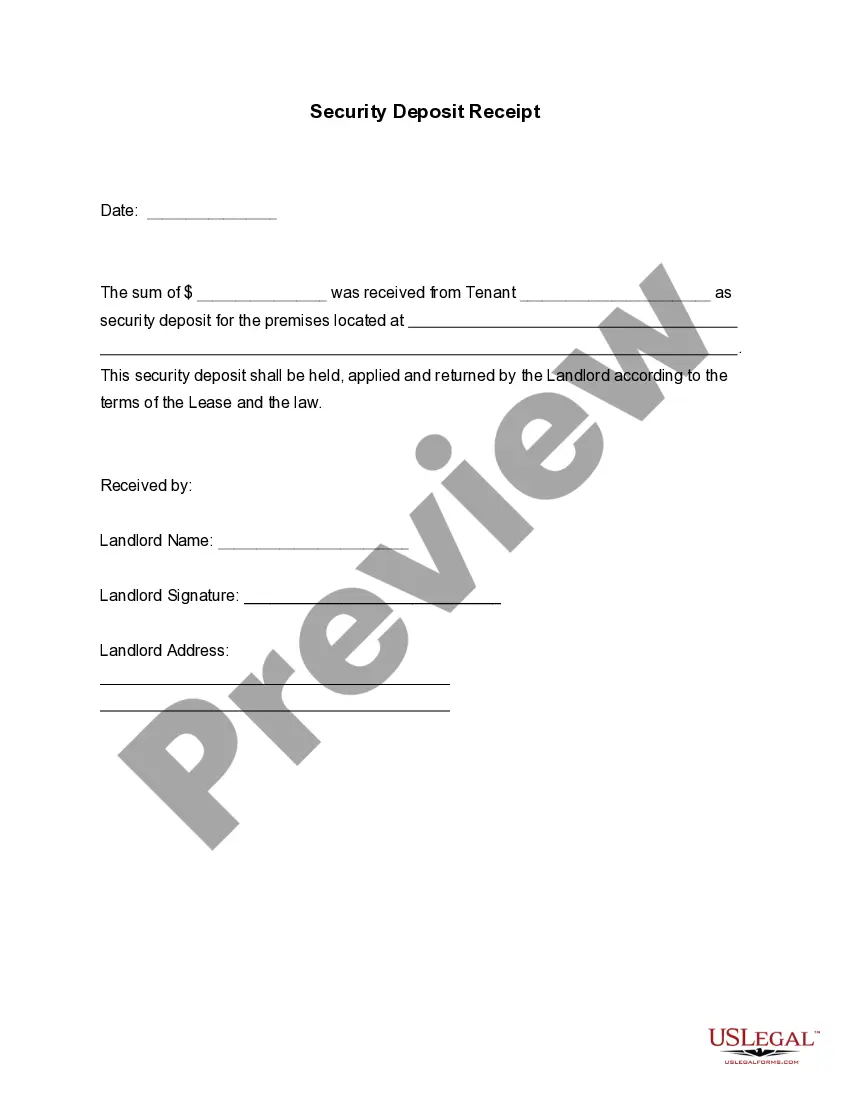
The Landlord Tenant Closing Statement to Reconcile Security Deposit is a legal document that allows landlords to record security deposits and any credits due to the tenant, after deducting allowable expenses. This form documents the financial transactions between the landlord and tenant, ensuring clarity about the security deposit held by the landlord and what is due upon termination of the lease. This form is essential for indicating any deductions made from the security deposit, which can differ from regular rent payments.
Form components explained
- Identification of the parties involved (landlord and tenant).
- Details of the security deposit amount collected.
- List of deductions made from the security deposit.
- Credits or refunds owed to the tenant.
- Signatures of both parties to validate the statement.
Situations where this form applies
This form should be used when a tenant is vacating the rental property, and the landlord needs to reconcile the security deposit. It is particularly useful in situations where there are deductions due to damages beyond normal wear and tear or where any final adjustments in payments must be detailed. Documenting these aspects helps both parties understand the status of the security deposit and minimizes disputes.
Who should use this form
This form is intended for:
- Landlords who are processing the return of a security deposit.
- Tenants who want clarity on deductions taken from their security deposit.
- Property management companies handling lease agreements and security deposits on behalf of landlords.
Completing this form step by step
- Identify the parties: Fill in the names and addresses of both the landlord and the tenant.
- Specify the security deposit amount: Record the total amount of the security deposit collected.
- Detail deductions: List any deductions made for repairs or cleaning, along with their costs.
- Calculate any credits: Include any credits or refunds that may apply to the tenant.
- Sign and date the document: Ensure both landlord and tenant sign and date the form to validate it.
Does this form need to be notarized?
This form does not typically require notarization unless specified by local law. Ensuring both parties sign the statement in front of a witness can help in case of disputes.
Get your form ready online
Our built-in tools help you complete, sign, share, and store your documents in one place.
Make edits, fill in missing information, and update formatting in US Legal Forms—just like you would in MS Word.
Download a copy, print it, send it by email, or mail it via USPS—whatever works best for your next step.
Sign and collect signatures with our SignNow integration. Send to multiple recipients, set reminders, and more. Go Premium to unlock E-Sign.
If this form requires notarization, complete it online through a secure video call—no need to meet a notary in person or wait for an appointment.
We protect your documents and personal data by following strict security and privacy standards.

Make edits, fill in missing information, and update formatting in US Legal Forms—just like you would in MS Word.

Download a copy, print it, send it by email, or mail it via USPS—whatever works best for your next step.

Sign and collect signatures with our SignNow integration. Send to multiple recipients, set reminders, and more. Go Premium to unlock E-Sign.

If this form requires notarization, complete it online through a secure video call—no need to meet a notary in person or wait for an appointment.

We protect your documents and personal data by following strict security and privacy standards.
Common mistakes
- Failing to document all deductions clearly, leading to misunderstandings.
- Not providing a copy of the completed form to the tenant.
- Forgetting to sign the form, making it unenforceable.
Benefits of using this form online
- Convenience of filling out the form at any time and from anywhere.
- Editability allows landlords and tenants to customize the document as needed.
- Reliable templates ensure legal compliance with applicable laws.
Quick recap
- The Landlord Tenant Closing Statement is crucial for reconciling the security deposit.
- Clear documentation helps prevent disputes between landlords and tenants.
- Ensure compliance with state laws governing security deposits.
Looking for another form?



Form popularity
FAQ
Unpaid rent. Unpaid utility bills. Damage in excess of normal wear and tear. Breach of lease. Costs of re-renting the unit. Costs to remove and store tenant's possessions after an eviction. Court costs.
What is the deadline in North Carolina for returning a security deposit? Under North Carolina law, a landlord must return the tenant's security deposit within 30 days after the tenant has moved out.
If a landlord does not return the entire amount of the tenant's security deposit within the 21 days required by law, and the tenant disputes the deductions from the deposit: The tenant can write a letter to the landlord explaining why he or she believes he or she is entitled to a larger refund.
Notice Requirements for North Carolina Landlords A landlord can simply give you a written notice to move, allowing you seven days as required by North Carolina law and specifying the date on which your tenancy will end.
Mail your landlord a letter requesting that she return your deposit. Be polite and simply inform the landlord that you have vacated the property and would appreciate the return of your deposit once she has had a chance to complete any checks and paperwork.
If your deposit didn't need to be protected and your landlord refuses to give it back, you might have to take them to court. Going to court can be expensive and stressful.You'll need to take your landlord to the small claims court to get your money back.
Concisely review the main facts and lay out the reasons your landlord owes you money. Include copies of relevant letters and agreements, such as your notice to move out. Ask for exactly what you want, such as the full amount of your deposit within ten days. Cite state security deposit law.
A deposit forms part of any commercial tenancy agreement and when you leave a property at the end of your tenancy, you are entitled to receive it back. You should usually receive your deposit back within 10 days of the end of your tenancy agreement, providing there is no damage to the property or its contents.