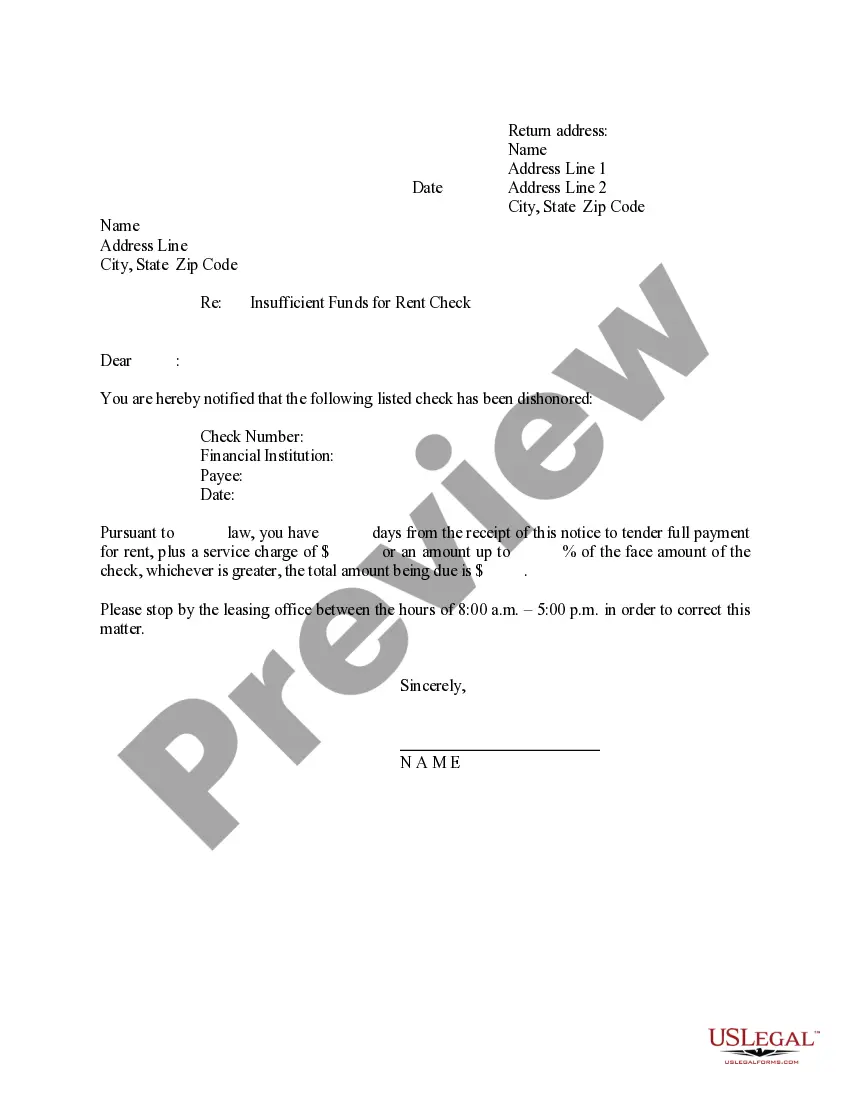
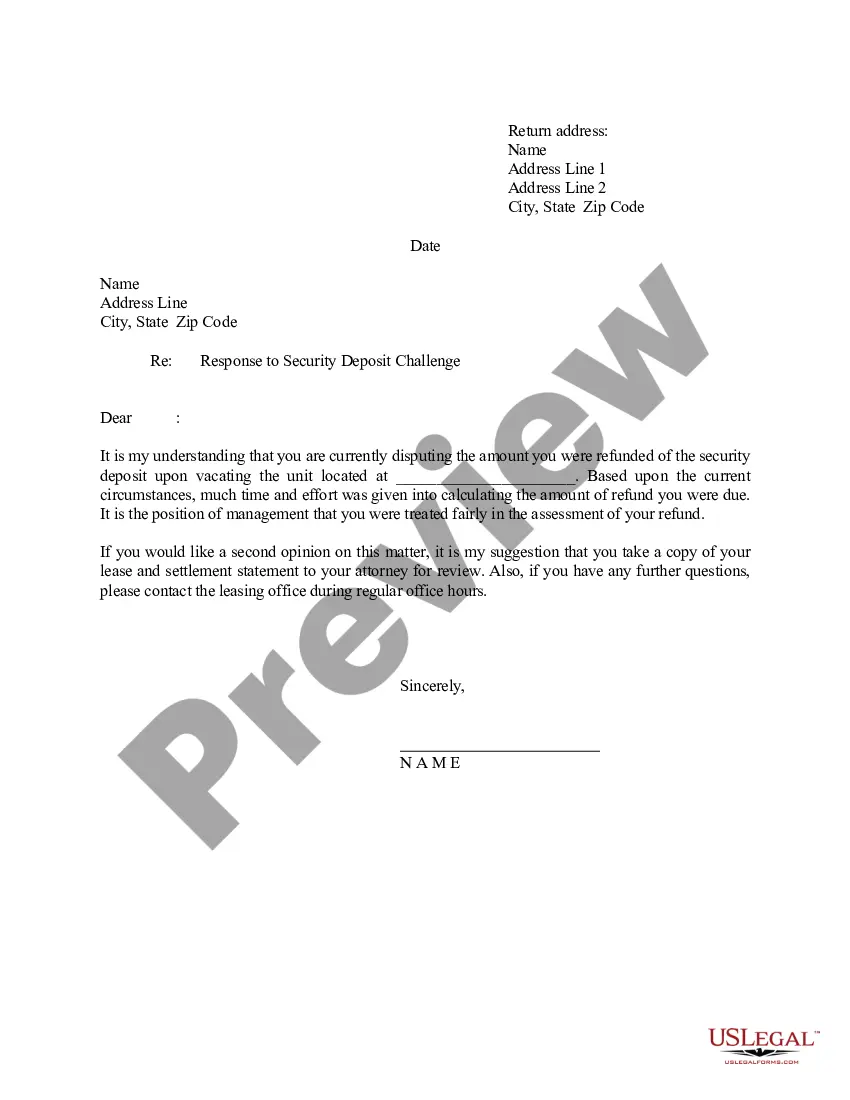
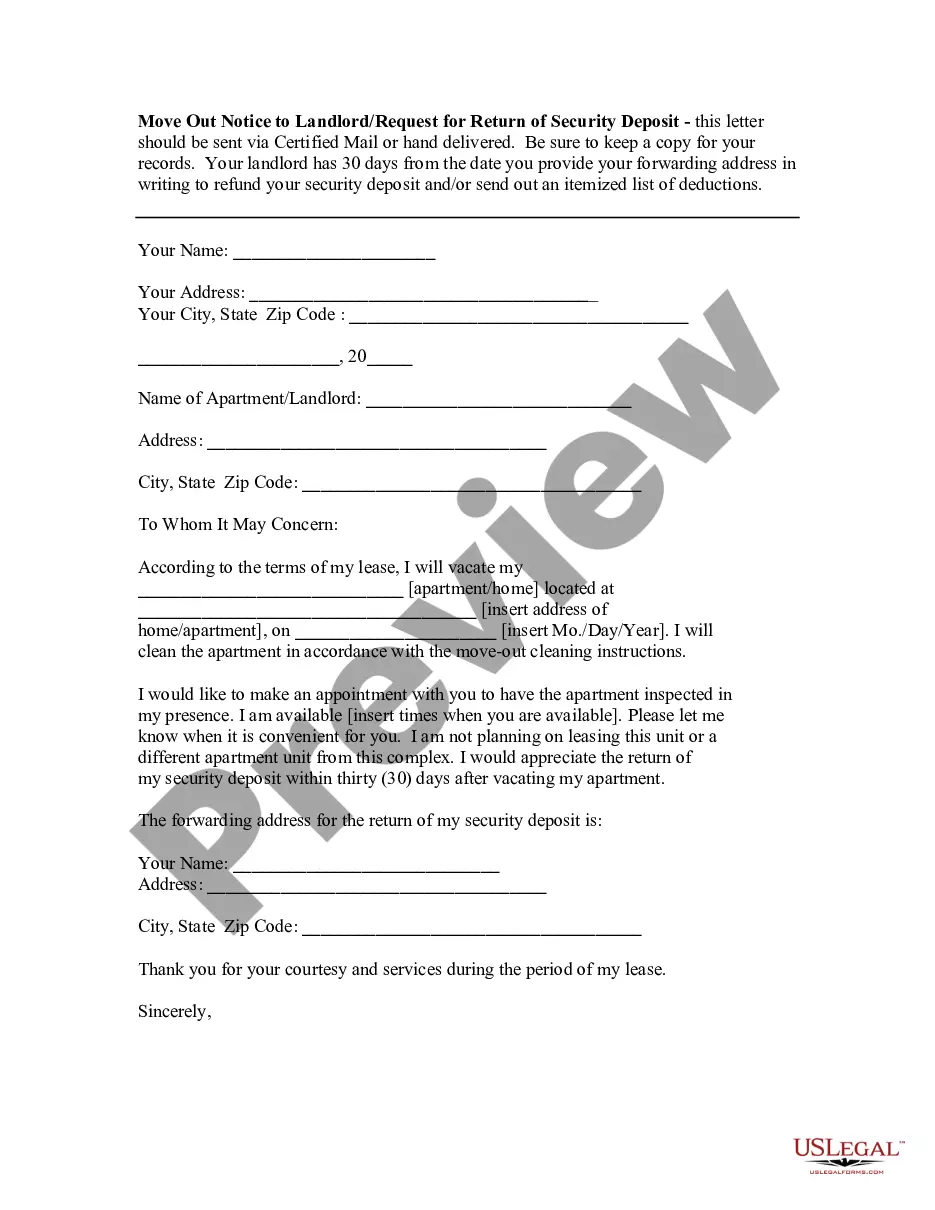
North Carolina Letter from Tenant to Landlord containing Notice of wrongful deductions from security deposit and demand for return
About this form
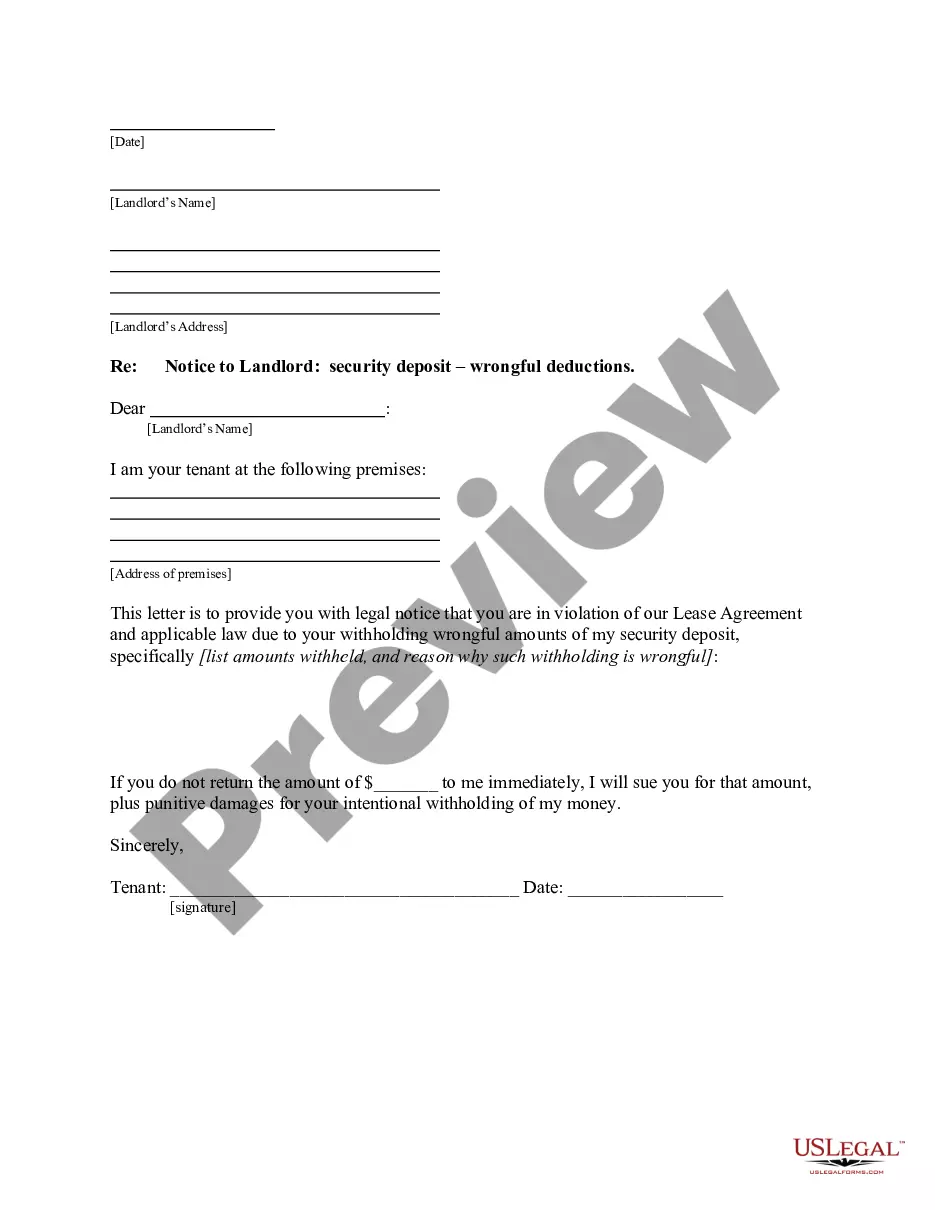
This form is a letter from a tenant to a landlord addressing wrongful deductions from a security deposit and demanding their return. This notice is essential for tenants looking to clarify deductions they believe are unjust and to formally request the return of their funds. It is specifically tailored to comply with applicable state laws regarding security deposits, ensuring legal soundness in your communication.
Main sections of this form
- Tenant's full name and signature
- Date of the notice
- Details of the security deposit amount and deductions
- Demand for the return of the disputed amount
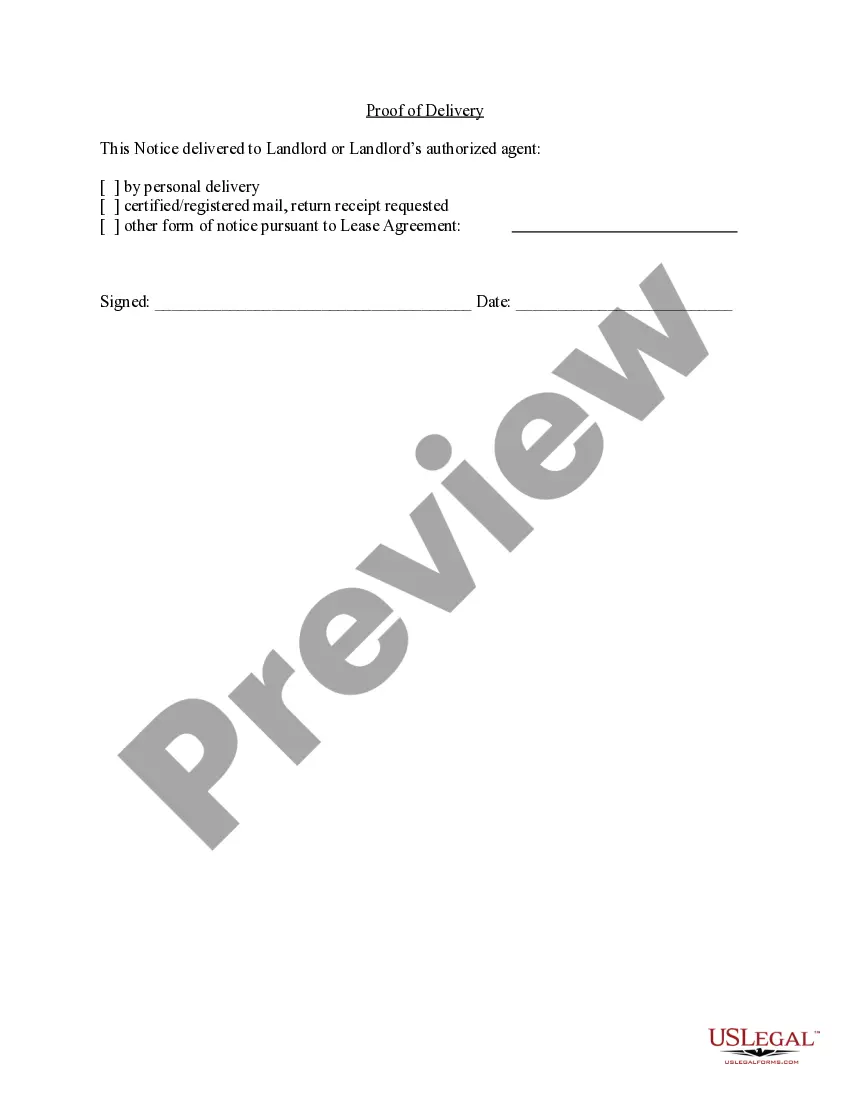
- Method of delivery to the landlord or authorized agent


Common use cases
This form is used when a tenant believes that deductions made by the landlord from their security deposit are wrongful or improper. It is appropriate in situations where the tenant wants to formally notify the landlord of the specific deductions in dispute and seek the return of the remaining balance of their deposit.
Intended users of this form
This form is suitable for:
- Tenants who have recently vacated their rental property and have concerns about security deposit deductions
- Individuals seeking to resolve disputes regarding their security deposits without resorting to litigation
- Those who wish to maintain a formal record of the communication with their landlord
Steps to complete this form
- Identify and enter your full name as the tenant.
- Include the date the notice is being sent.
- Clearly outline the deductions you believe are wrongful, specifying amounts.
- State your demand for the return of the disputed amount of the security deposit.
- Indicate how you will deliver the notice to your landlord or their authorized agent.
- Sign the letter to validate your request.
Is notarization required?
In most cases, this form does not require notarization. However, some jurisdictions or signing circumstances might. US Legal Forms offers online notarization powered by Notarize, accessible 24/7 for a quick, remote process.
Get your form ready online
Our built-in tools help you complete, sign, share, and store your documents in one place.
Make edits, fill in missing information, and update formatting in US Legal Forms—just like you would in MS Word.
Download a copy, print it, send it by email, or mail it via USPS—whatever works best for your next step.
Sign and collect signatures with our SignNow integration. Send to multiple recipients, set reminders, and more. Go Premium to unlock E-Sign.
If this form requires notarization, complete it online through a secure video call—no need to meet a notary in person or wait for an appointment.
We protect your documents and personal data by following strict security and privacy standards.

Make edits, fill in missing information, and update formatting in US Legal Forms—just like you would in MS Word.

Download a copy, print it, send it by email, or mail it via USPS—whatever works best for your next step.

Sign and collect signatures with our SignNow integration. Send to multiple recipients, set reminders, and more. Go Premium to unlock E-Sign.

If this form requires notarization, complete it online through a secure video call—no need to meet a notary in person or wait for an appointment.

We protect your documents and personal data by following strict security and privacy standards.
Typical mistakes to avoid
- Failing to be specific about the deductions in dispute.
- Not including a date on the notice.
- Overlooking the importance of proper delivery methods.
- Not signing the form, which can make it invalid.
Why use this form online
- Convenient access to a professionally drafted template.
- Editable format allows for easy customization based on your situation.
- Reliable resource that complies with state regulations.
- Promptly downloadable for immediate use, saving time.
Looking for another form?



Form popularity
FAQ
Type your letter. Concisely review the main facts. Be polite. Write with your goal in mind. Ask for exactly what you want. Set a deadline. End the letter by stating you will promptly pursue legal remedies if the other party does not meet your demand. Make and keep copies.
What is the deadline in North Carolina for returning a security deposit? Under North Carolina law, a landlord must return the tenant's security deposit within 30 days after the tenant has moved out.
The date of the letter and the landlord's full name and address. The address of the residence you rented and the date you moved in. A statement that you've been paying your rent timely and that you are current with your payments.
Tenant's name and new address, or address he gave for return of the security deposit. Commencement date of the lease and date it ended. Amount of the security deposit when the tenant moved in. Amount of interest accrued.
Notice Requirements for North Carolina Landlords A landlord can simply give you a written notice to move, allowing you seven days as required by North Carolina law and specifying the date on which your tenancy will end.
Unpaid rent. Unpaid utility bills. Damage in excess of normal wear and tear. Breach of lease. Costs of re-renting the unit. Costs to remove and store tenant's possessions after an eviction. Court costs.
Moving In. In Alberta, most landlords require a tenant to pay a security deposit or damage deposit before moving in. A security deposit is a one-time only payment and cannot be more than one month's rent. A landlord must place a security deposit in a trust account within two days of receiving it.
Tenant's name and new address, or address he gave for return of the security deposit. Commencement date of the lease and date it ended. Amount of the security deposit when the tenant moved in. Amount of interest accrued.
The cost of fixing any damages to the property caused by the tenant or the tenant's guests. The cost of cleaning the unit when the tenant moves out, but only to make the unit as clean as it was when the tenant first moved in (less reasonable wear and tear).