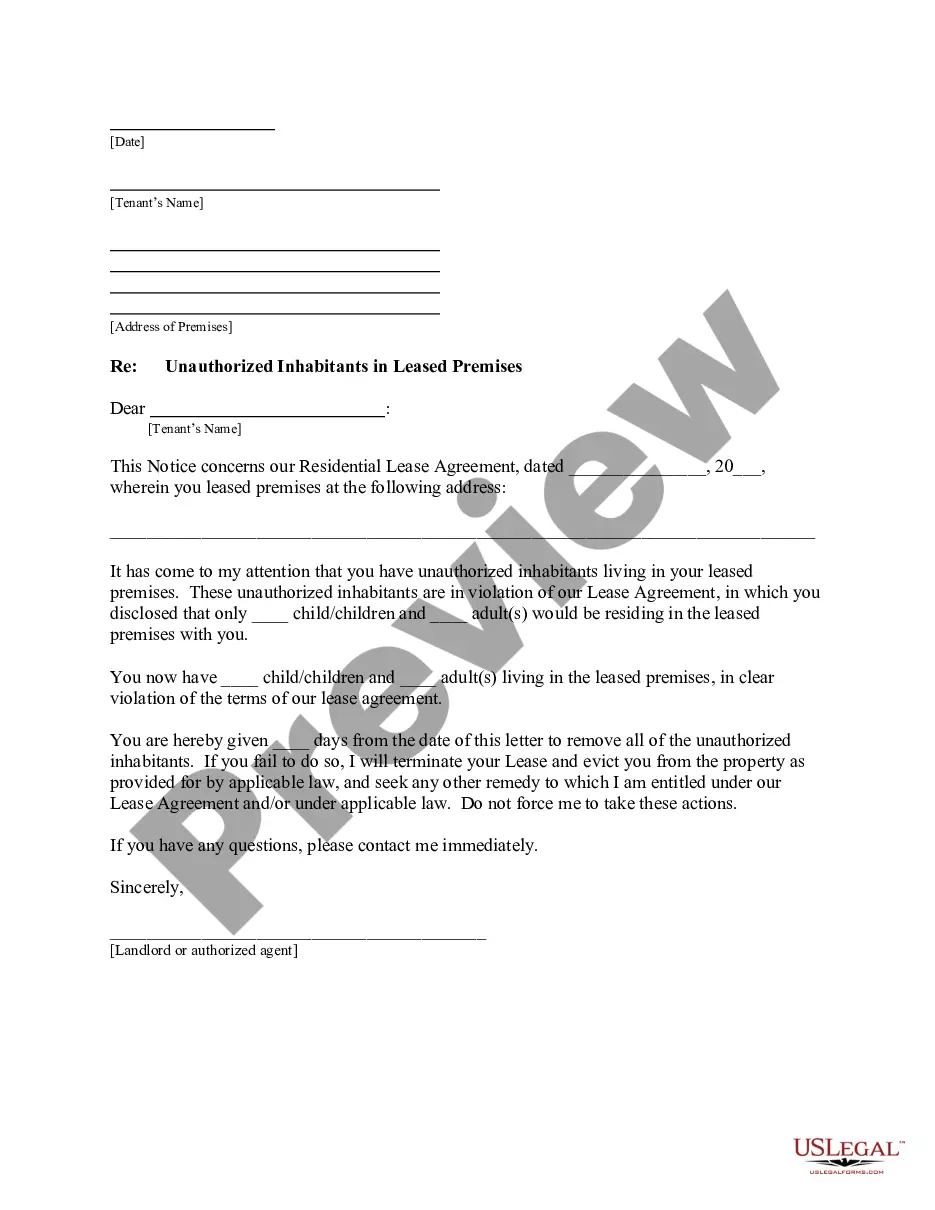
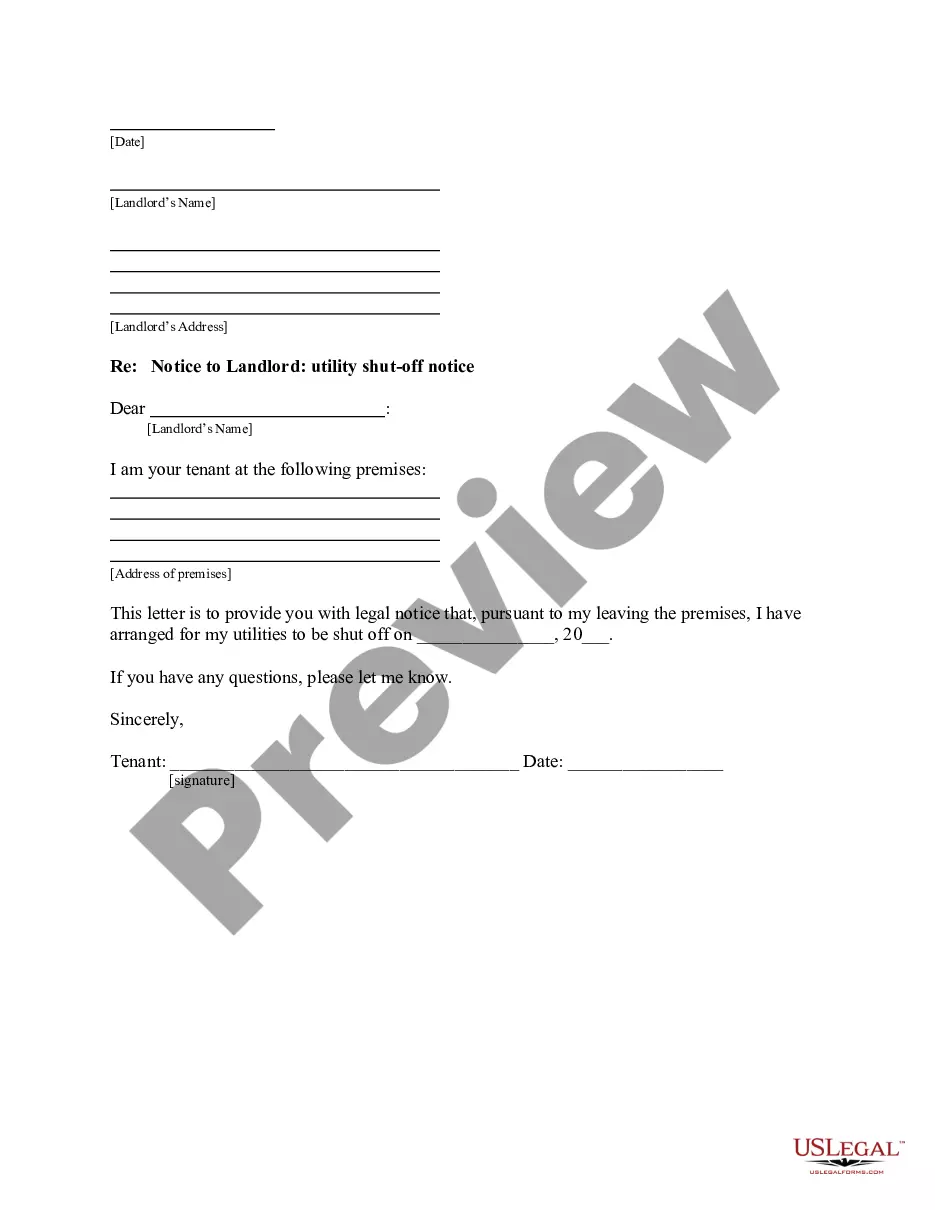
North Carolina Letter from Tenant to Landlord containing Notice to landlord to withdraw improper rent increase due to violation of rent control ordinance
Understanding this form
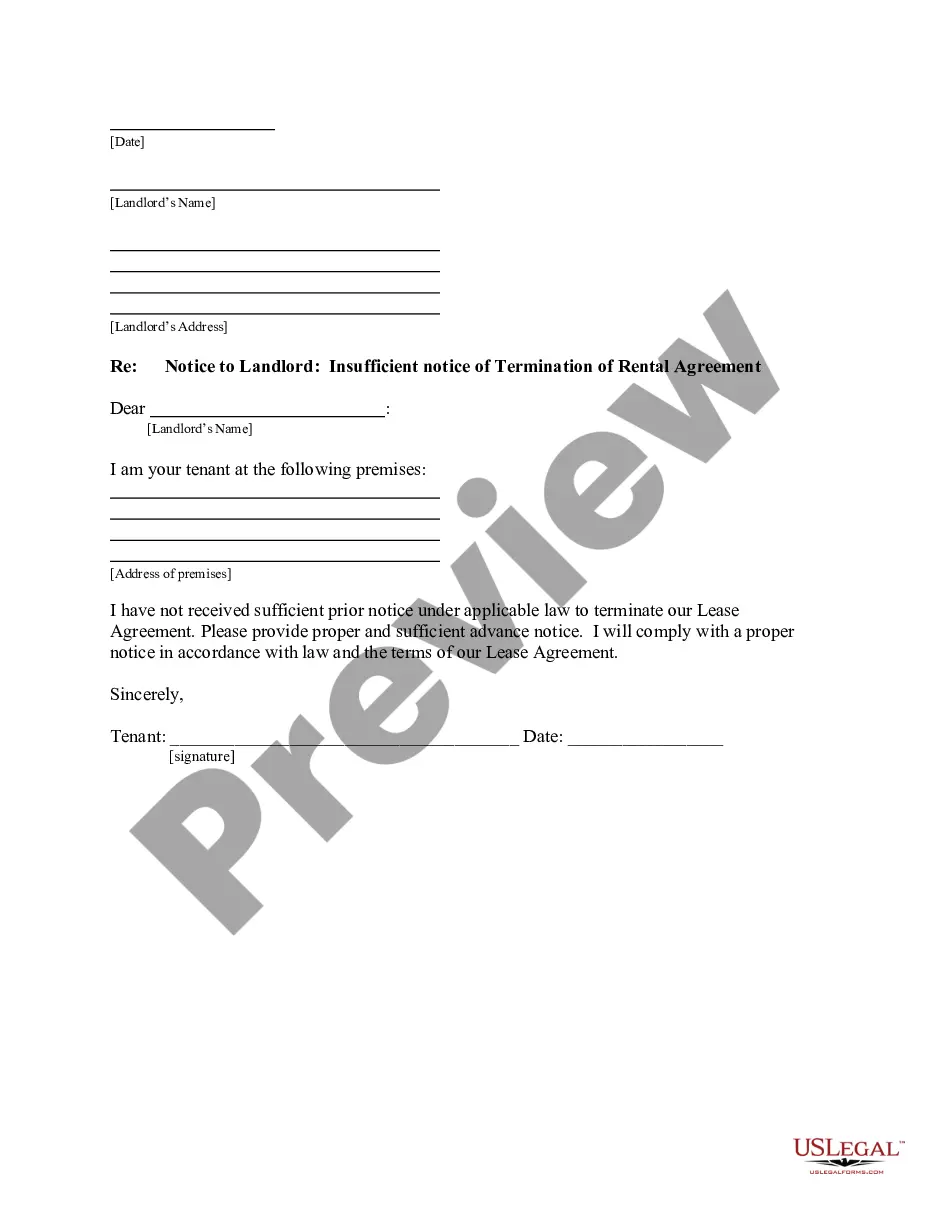
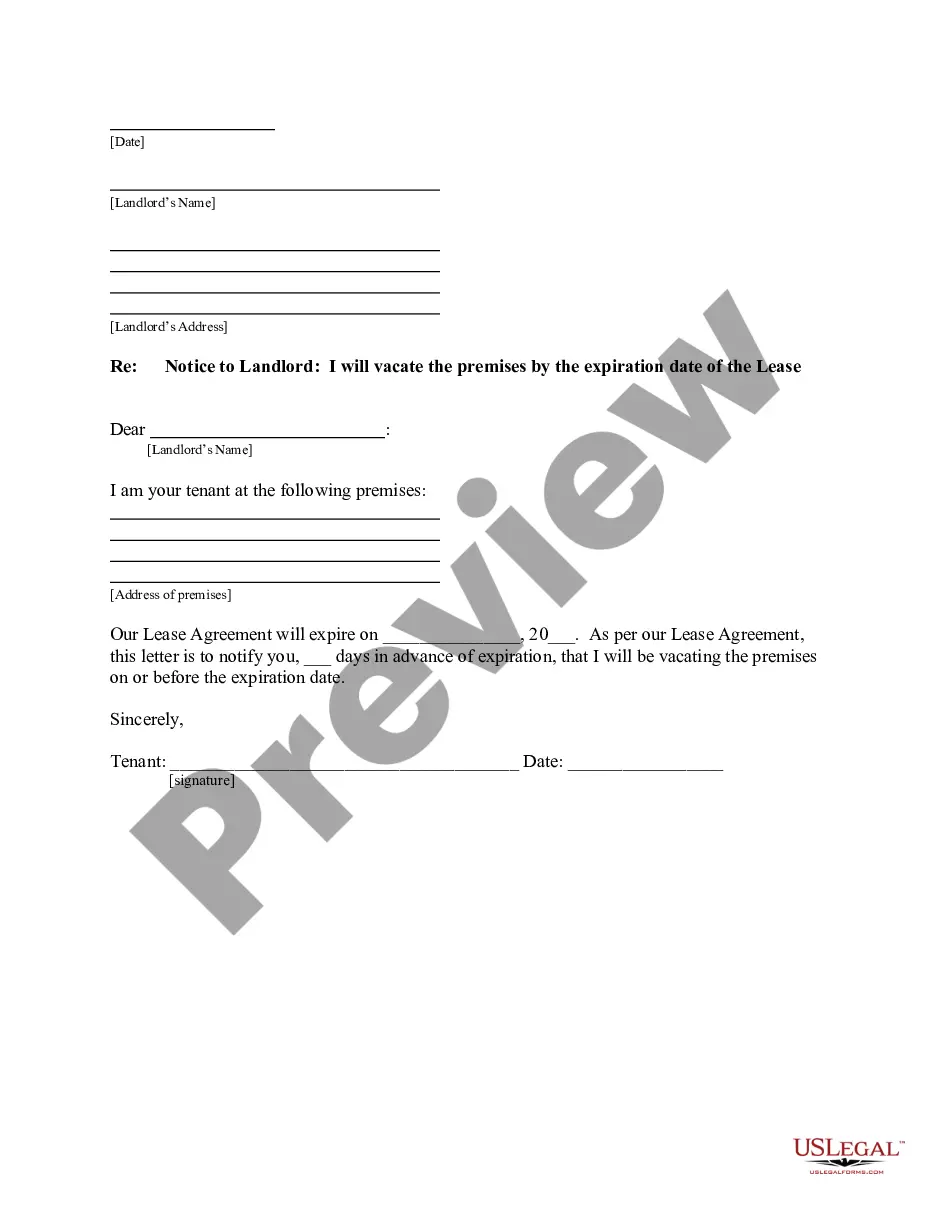
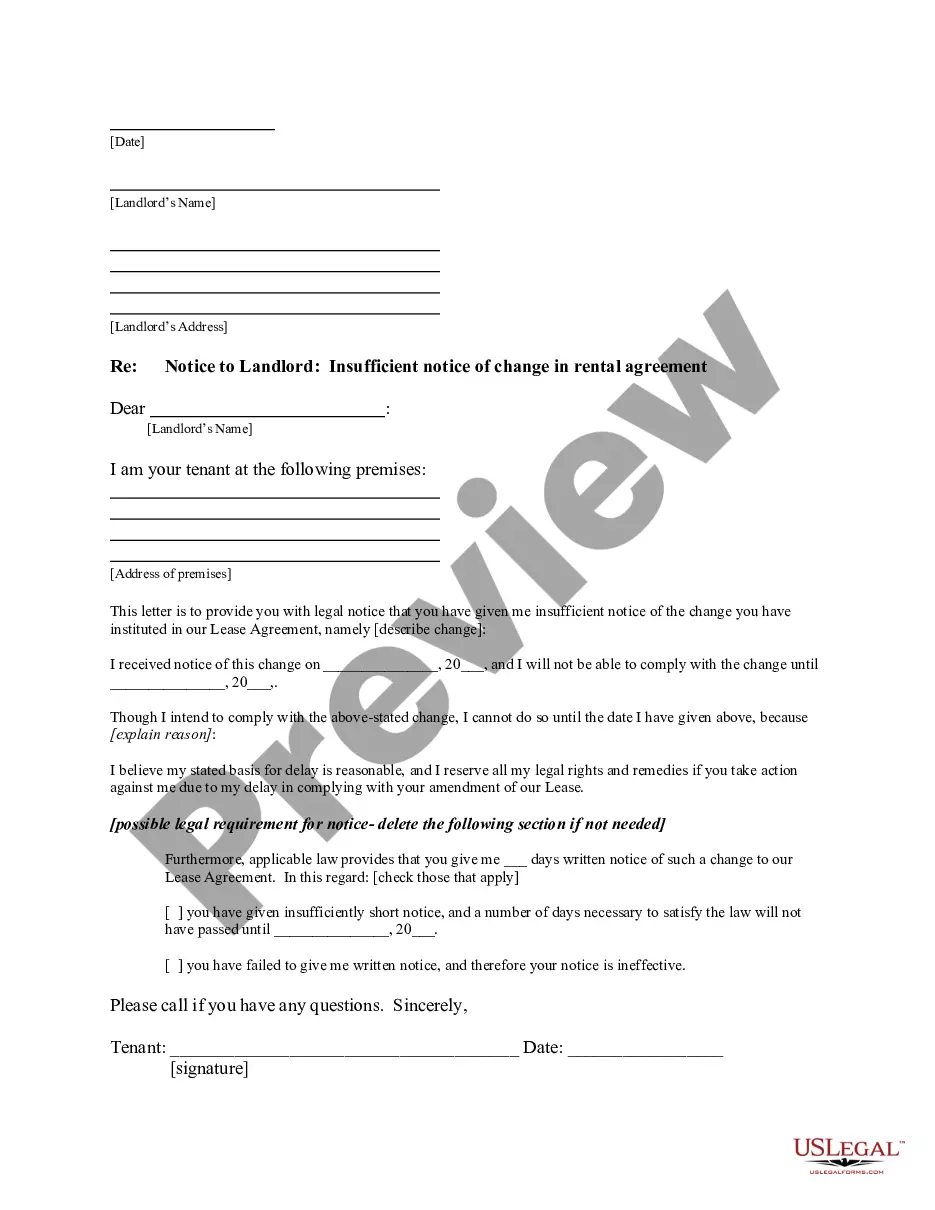
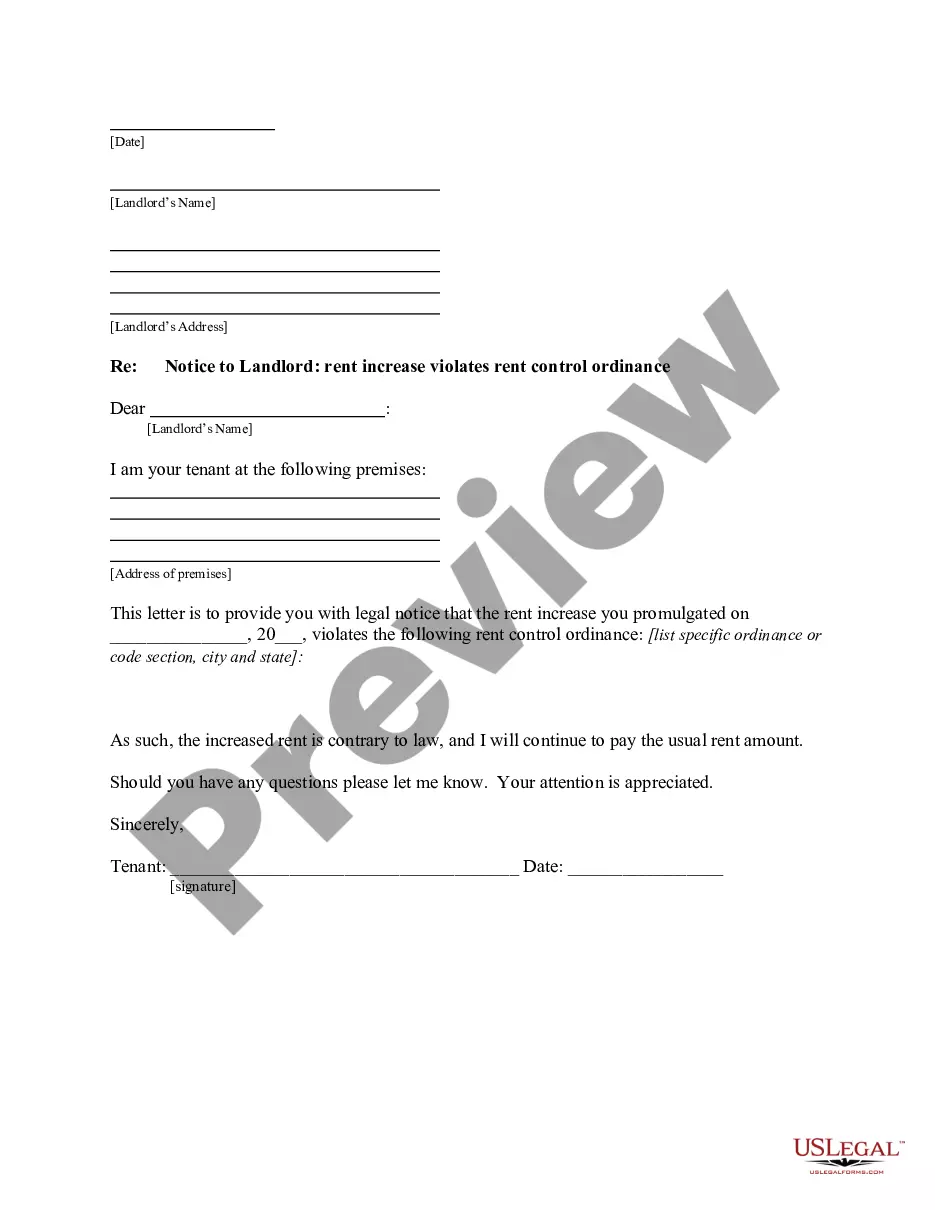
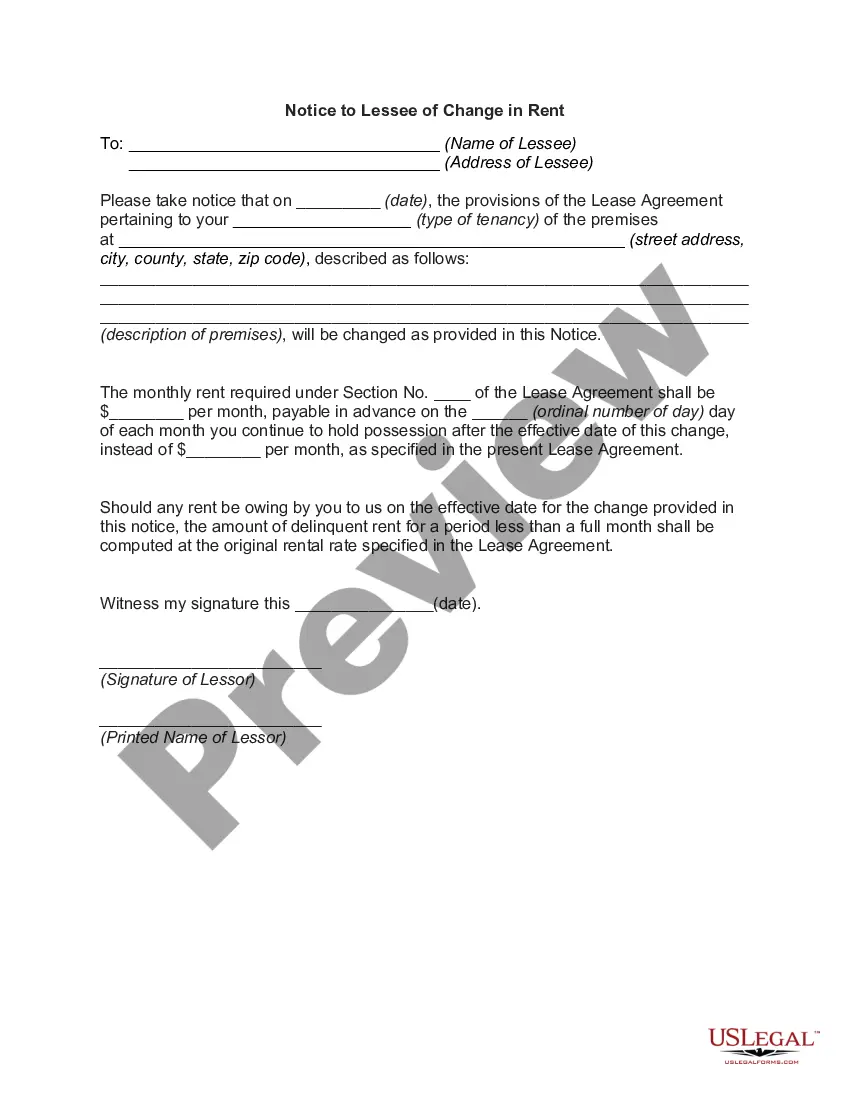
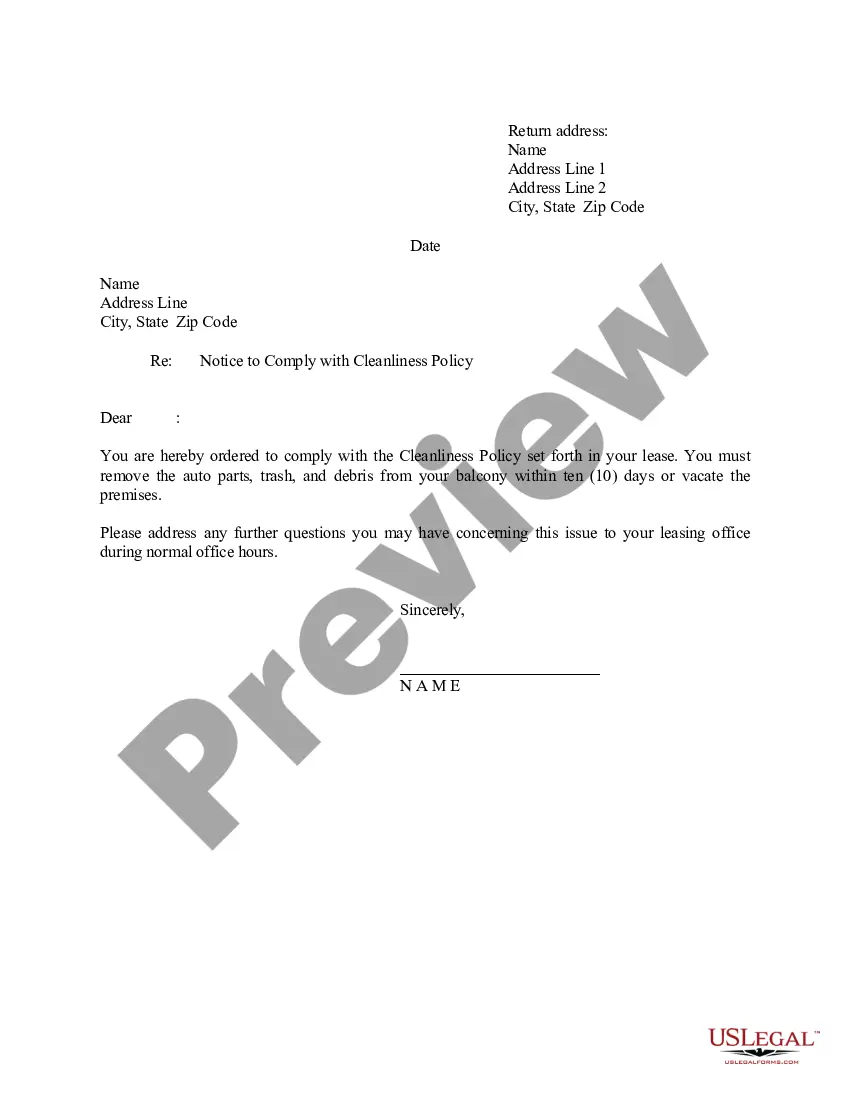
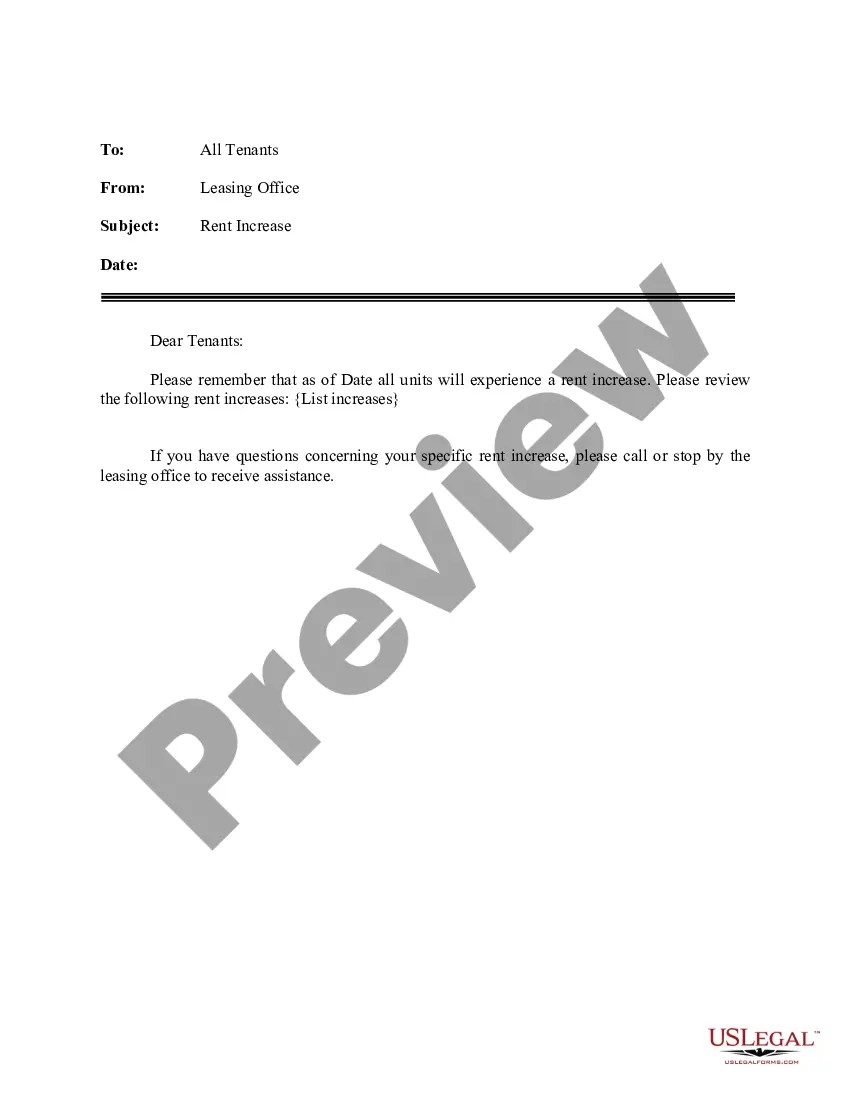
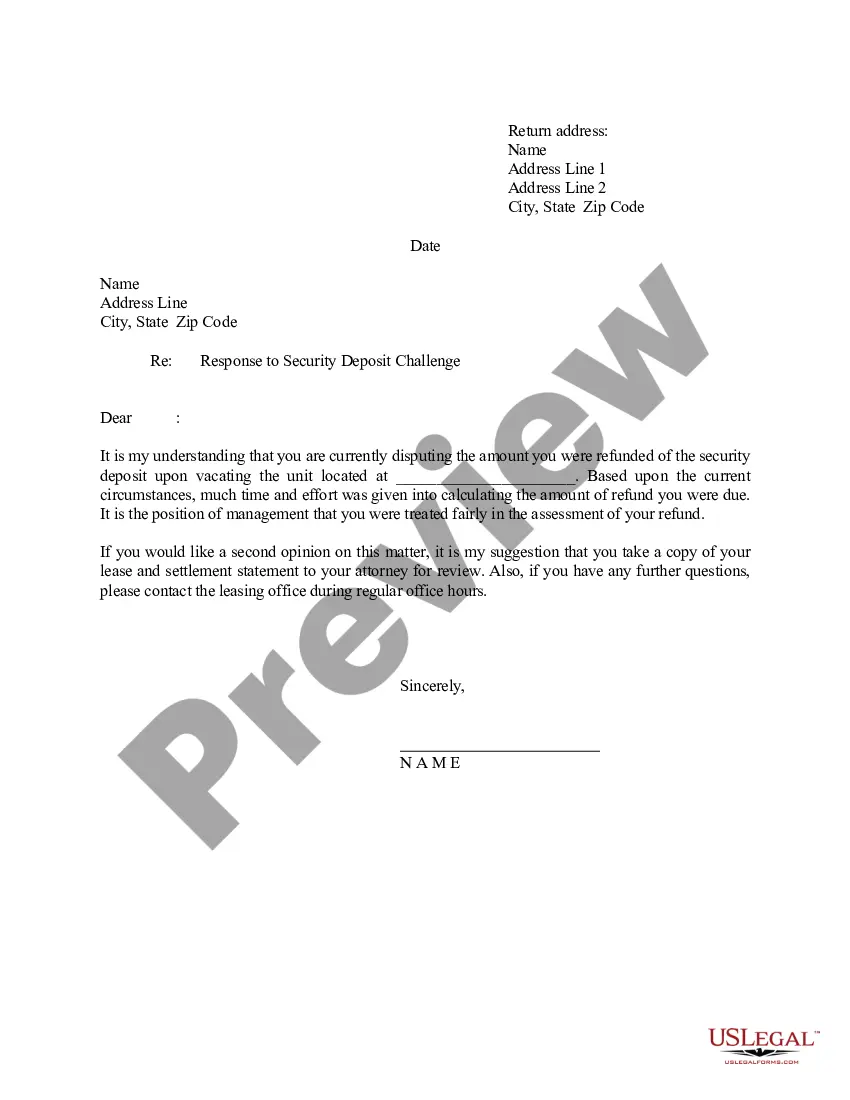
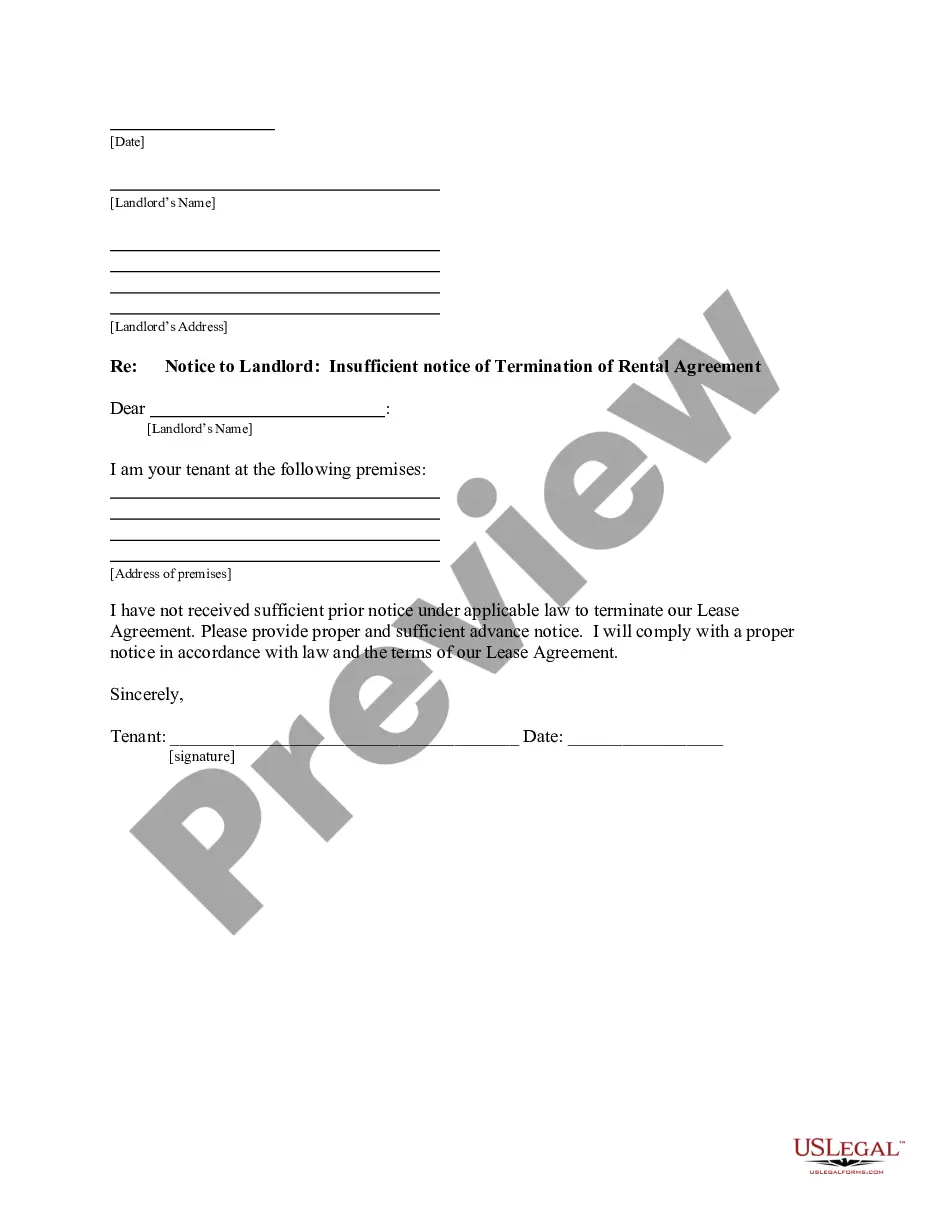
This form is a letter from Tenant to Landlord providing a notice to withdraw an improper rent increase. The notice highlights that the rent increase may violate local rent control ordinances, making it potentially unlawful. This form serves to formally alert the landlord and protect the tenant's rights under rent control regulations, distinguishing it from other general rental agreements or notice forms.
Main sections of this form
- Contact information of the tenant.
- Details of the landlord, including their name and address.
- A clear statement regarding the improper rent increase.
- A request for the landlord to withdraw the increase.
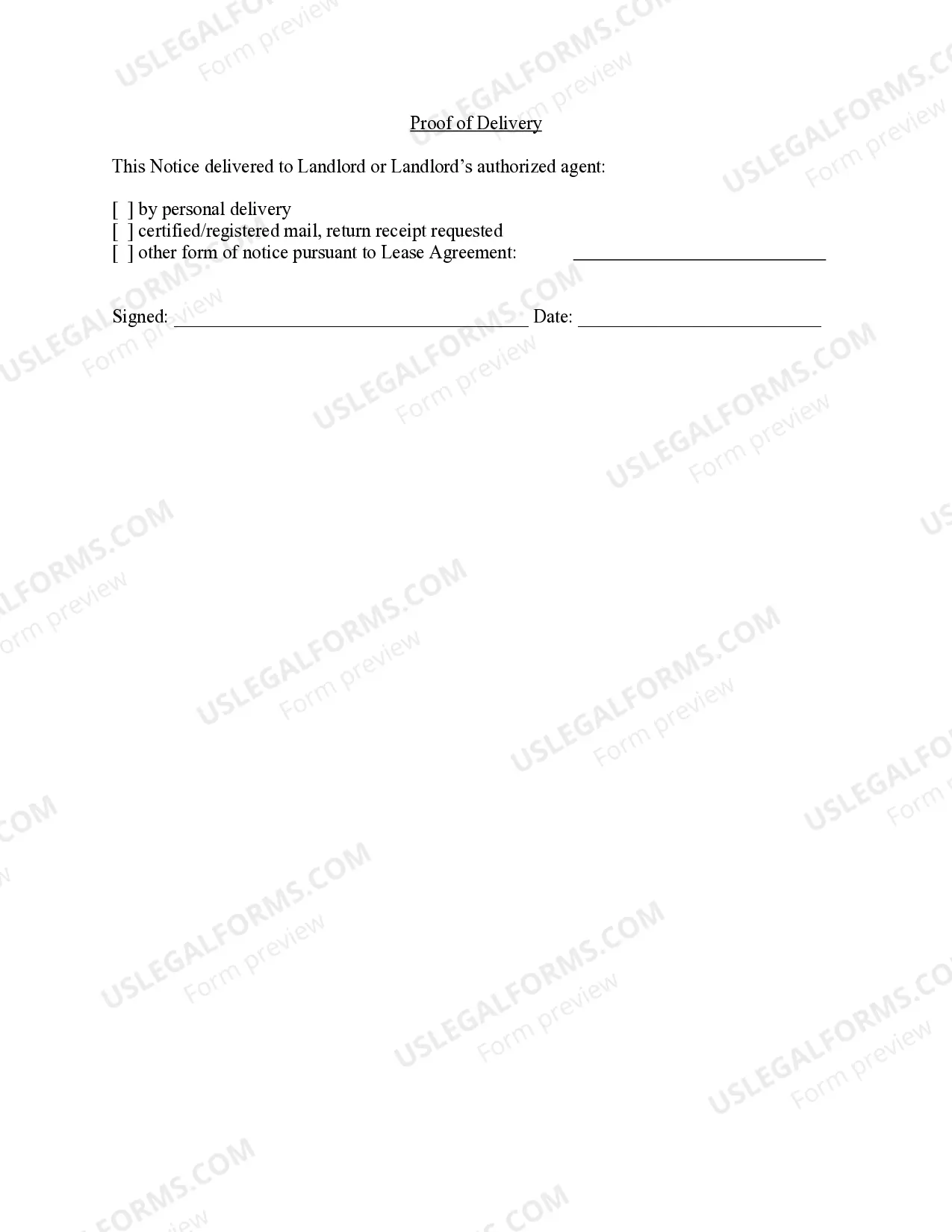
- Proof of delivery options to ensure the notice is received.

Common use cases
This form should be used when a tenant believes their landlord has imposed a rent increase that violates local rent control ordinances. It is particularly relevant if the tenant wishes to formally dispute the increase and seek compliance from the landlord before legal action might be necessary.
Who this form is for
- Tenants who have received a notice of a rent increase.
- Individuals renting a property in a jurisdiction with rent control laws.
- Tenants seeking to formally challenge an increase they believe is unlawful.
How to prepare this document
- Identify the parties: Fill in the tenant's and landlord's names and addresses.
- State the issue: Clearly articulate the reason for disputing the rent increase.
- Specify the relief sought: Request the landlord withdraw the increase.
- Include a proof of delivery clause: Choose a method to deliver the notice to the landlord.
- Sign and date the letter: Ensure the tenant's signature is included for validity.
Does this document require notarization?
Notarization is not commonly needed for this form. However, certain documents or local rules may make it necessary. Our notarization service, powered by Notarize, allows you to finalize it securely online anytime, day or night.
Get your form ready online
Our built-in tools help you complete, sign, share, and store your documents in one place.
Make edits, fill in missing information, and update formatting in US Legal Forms—just like you would in MS Word.
Download a copy, print it, send it by email, or mail it via USPS—whatever works best for your next step.
Sign and collect signatures with our SignNow integration. Send to multiple recipients, set reminders, and more. Go Premium to unlock E-Sign.
If this form requires notarization, complete it online through a secure video call—no need to meet a notary in person or wait for an appointment.
We protect your documents and personal data by following strict security and privacy standards.

Make edits, fill in missing information, and update formatting in US Legal Forms—just like you would in MS Word.

Download a copy, print it, send it by email, or mail it via USPS—whatever works best for your next step.

Sign and collect signatures with our SignNow integration. Send to multiple recipients, set reminders, and more. Go Premium to unlock E-Sign.

If this form requires notarization, complete it online through a secure video call—no need to meet a notary in person or wait for an appointment.

We protect your documents and personal data by following strict security and privacy standards.
Mistakes to watch out for
- Failing to provide complete contact information for both parties.
- Not clearly stating the legal basis for contesting the rent increase.
- Omitting proof of delivery methods or not following through with delivery.
- Not signing and dating the notice adequately.
Why use this form online
- Convenience of downloading and filling out the form at any time.
- Editability allows tenants to personalize the letter as needed.
- Access to professionally drafted templates increases reliability.
Legal use & context
This letter serves as an initial step in communication between tenants and landlords regarding rent increases. While it expresses a formal objection, it may also play a vital role if the situation escalates to legal proceedings, as it documents the tenant's efforts to resolve the matter amicably.
Main things to remember
- Use this form to contest an unlawful rent increase effectively.
- Ensure to follow state-specific guidelines during completion.
- Deliver the notice through a reliable method to ensure the landlord receives it.
Looking for another form?
Form popularity
FAQ
Frequently Asked Questions Regarding Landlord Legal Issues. 1. In North Carolina, how much notice is required before asking for rent increase, an increase above what is stated in lease? The simple answer is that you cannot raise your tenant's rent above what is in the lease until that lease is up.
Notice Requirements for North Carolina Landlords A landlord can simply give you a written notice to move, allowing you seven days as required by North Carolina law and specifying the date on which your tenancy will end.
In North Carolina, nonpayment of rent is the most common ground for eviction. In this case, you are required to give the tenant a 10-day "notice to quit." The notice informs the tenant that they need to pay the rent due within 10 days. Otherwise, they will be evicted.
North Carolina law says that your landlord must keep your housing fit and safe. It also says that you, the tenant, must pay your rent, keep your home clean, and not damage your home. To make the law work, both the tenant and the landlord must do their part.
Many landlords will be curious about the North Carolina eviction timeline as they start the process. Usually, the process takes about three to four weeks. You have to wait for the 10 day notice period, followed by the 7-day court summons period. Then, the tenant has up to 10 days to move out.
North Carolina law says that your landlord must keep your housing fit and safe. It also says that you, the tenant, must pay your rent, keep your home clean, and not damage your home. To make the law work, both the tenant and the landlord must do their part.
In short, nothing in the CARES Act or Governor Cooper's Order prohibits evictions for reasons other than late payment or nonpayment of rent, such as evictions related to health, safety, or criminal activity. These types of evictions by a landlord would not violate the Order.