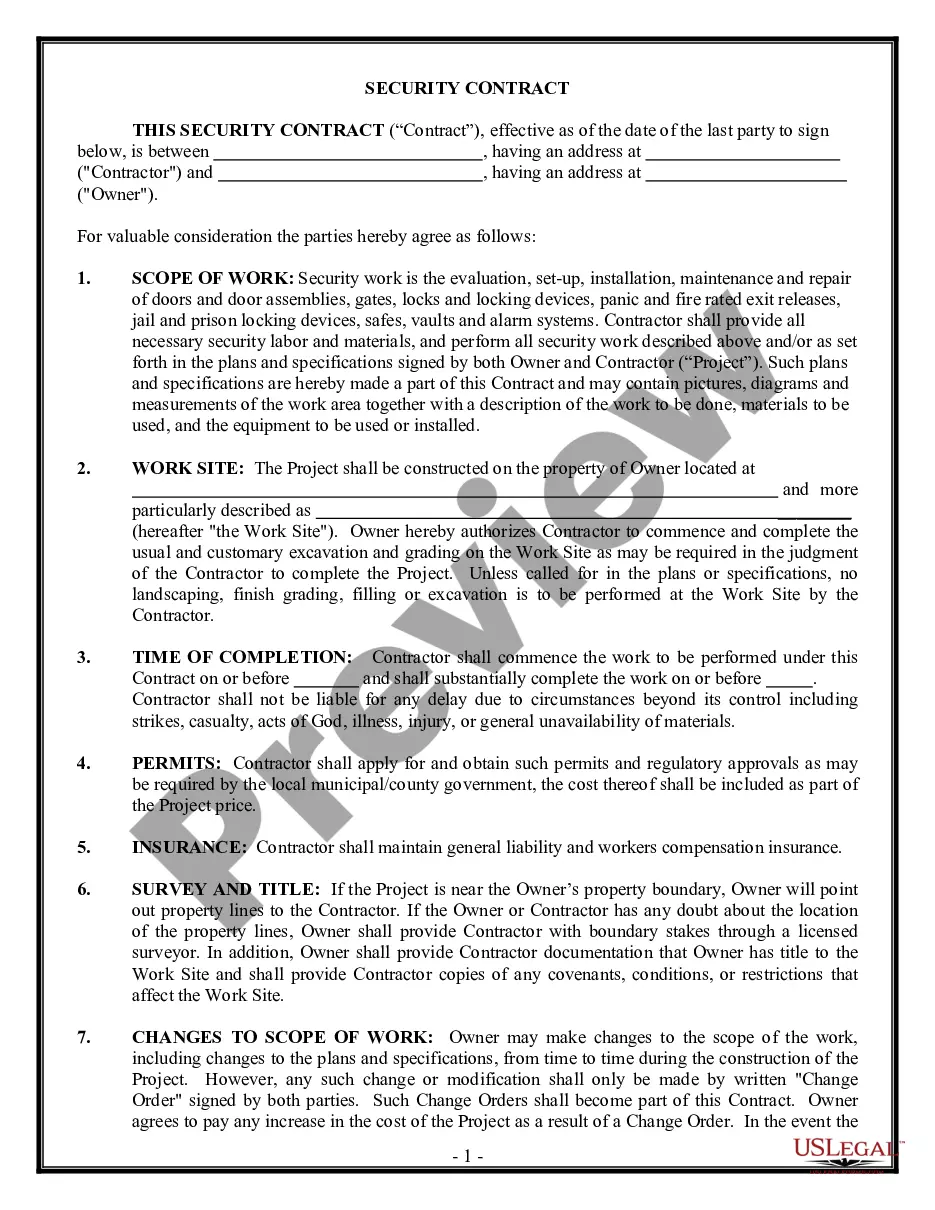
North Carolina Letter from Landlord to Tenant as Notice to remove Wild Animals in Premises
What this document covers
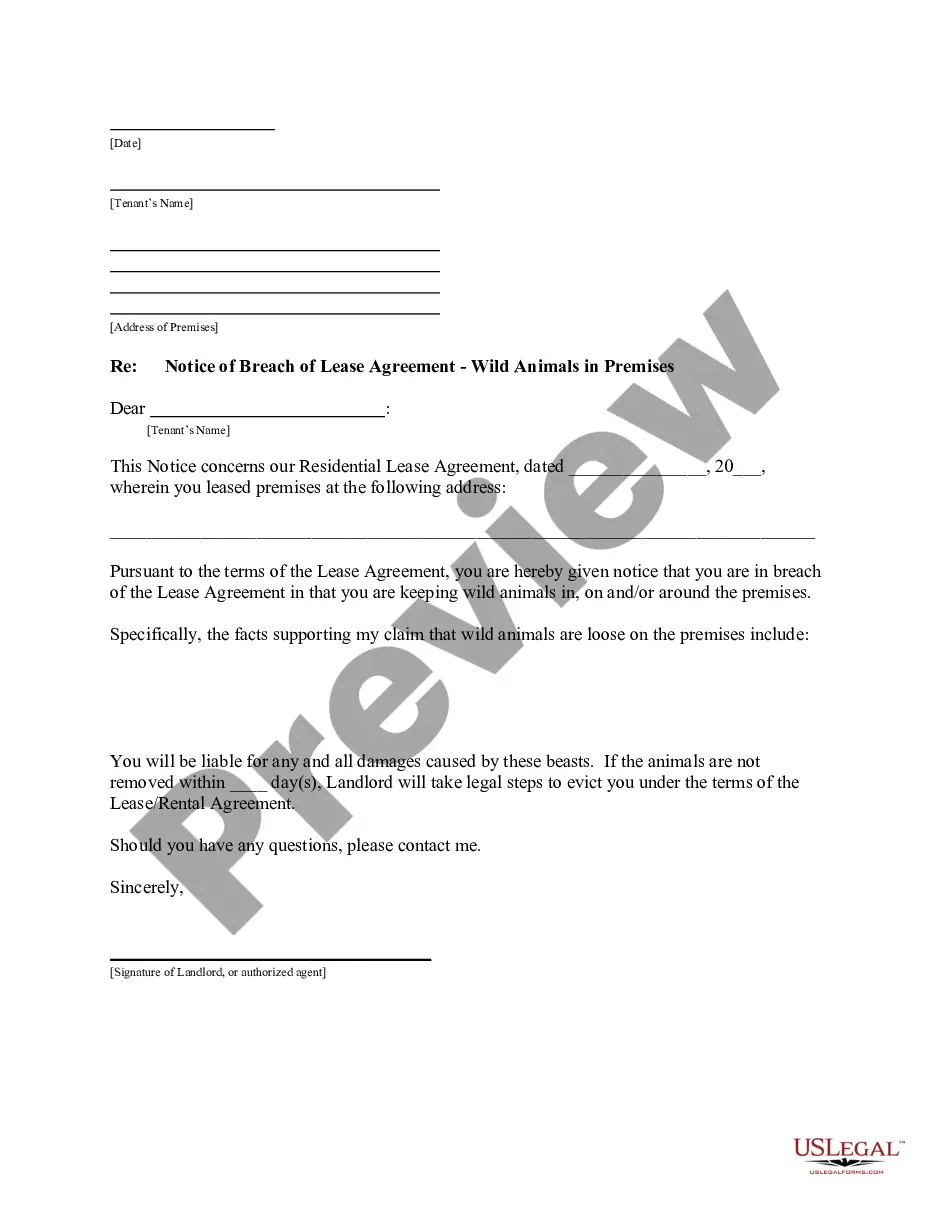
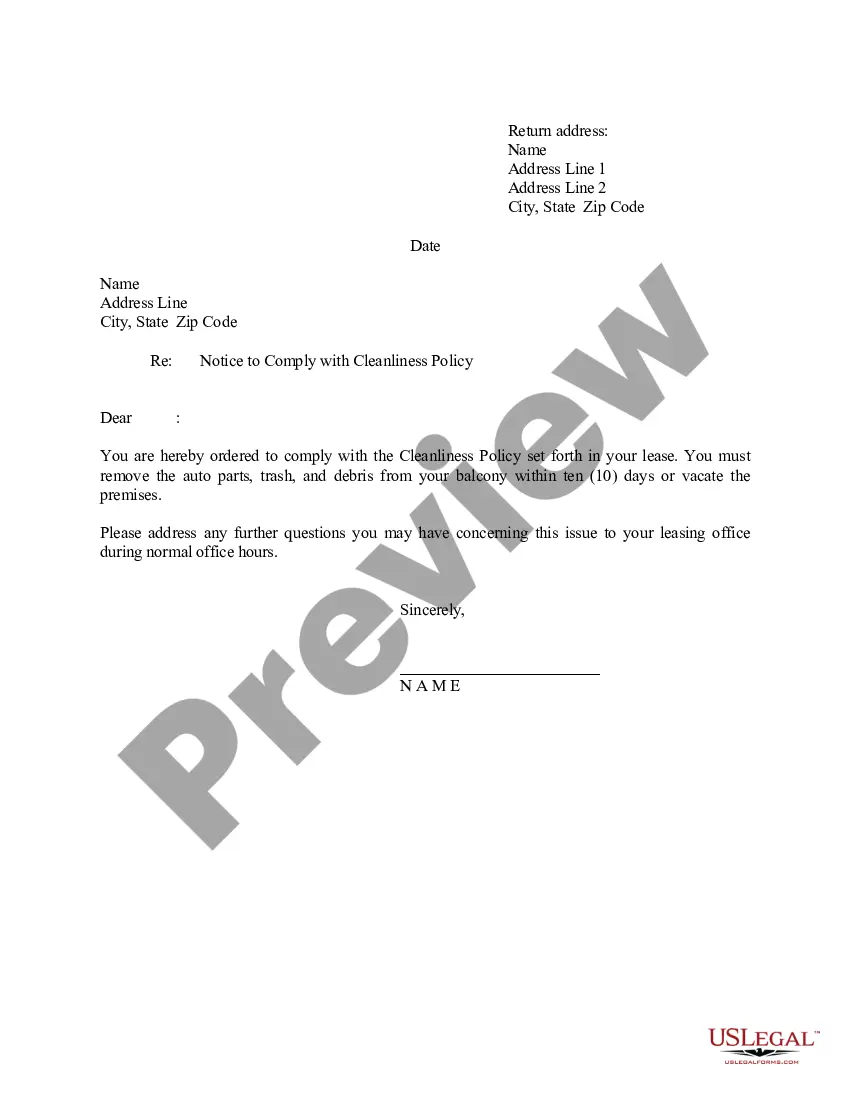
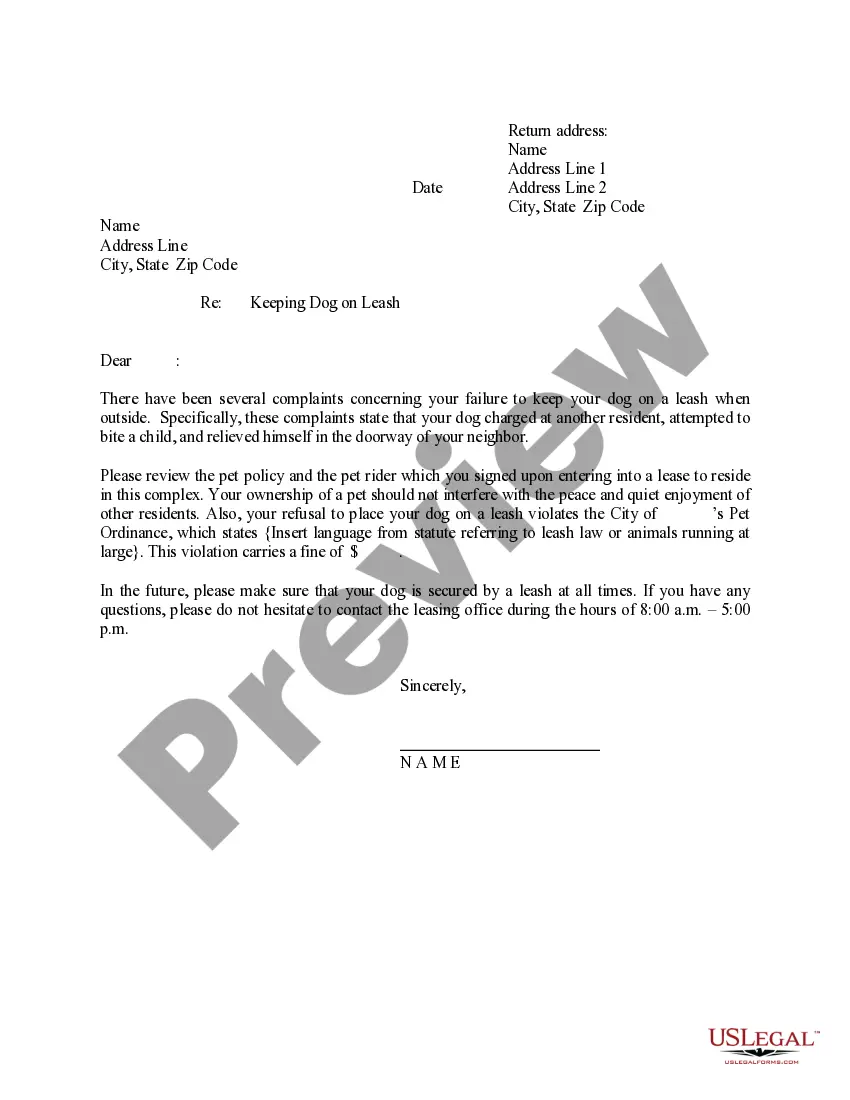
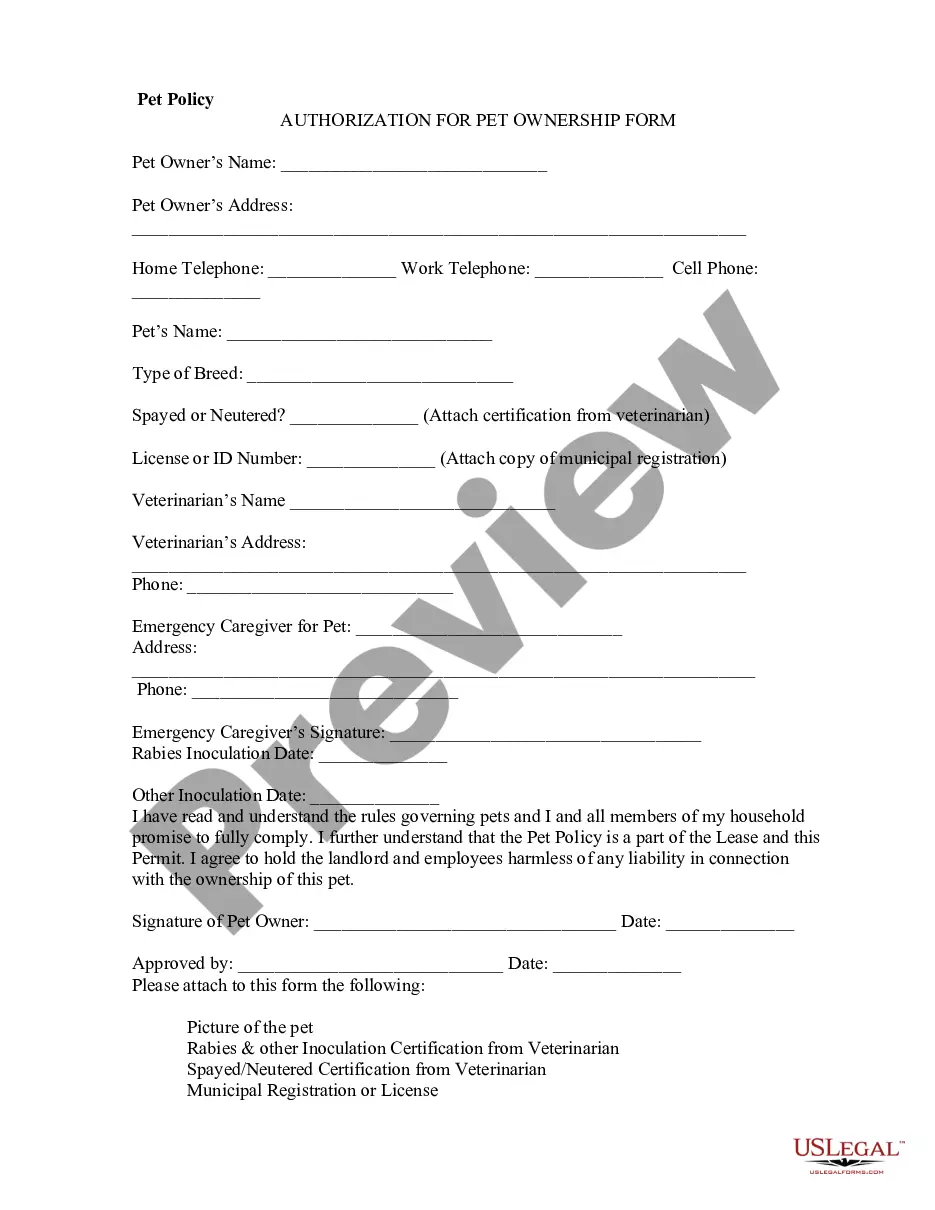
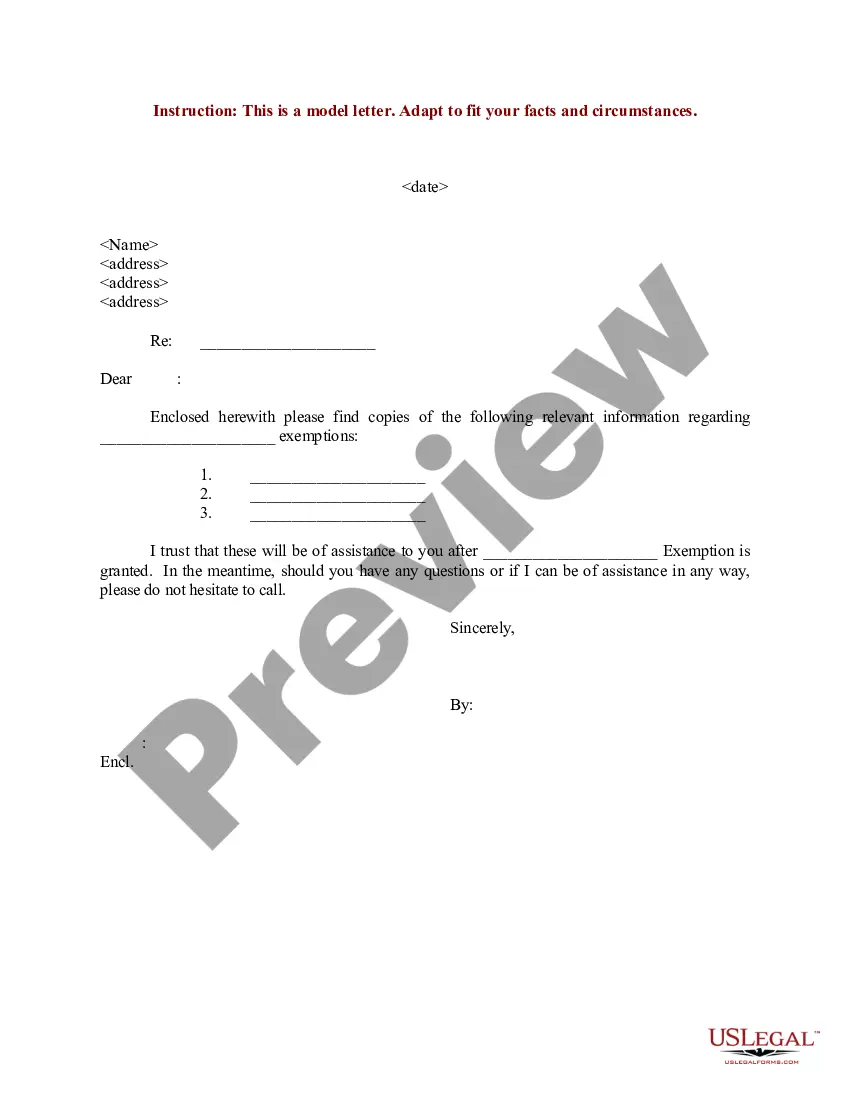
This form is a Letter from Landlord to Tenant as Notice to remove Wild Animals in Premises. Its purpose is to formally notify a tenant of violations in the lease agreement concerning unauthorized wild animals on the property. This letter serves as a critical step in addressing lease breaches, which may differ from other landlord-tenant communication methods.
Key parts of this document
- Identification of the landlord and tenant.
- Reference to specific terms of the Lease Agreement that have been violated.
- Description of the wild animals kept on the premises.
- Signature section for the landlord or their authorized agent.
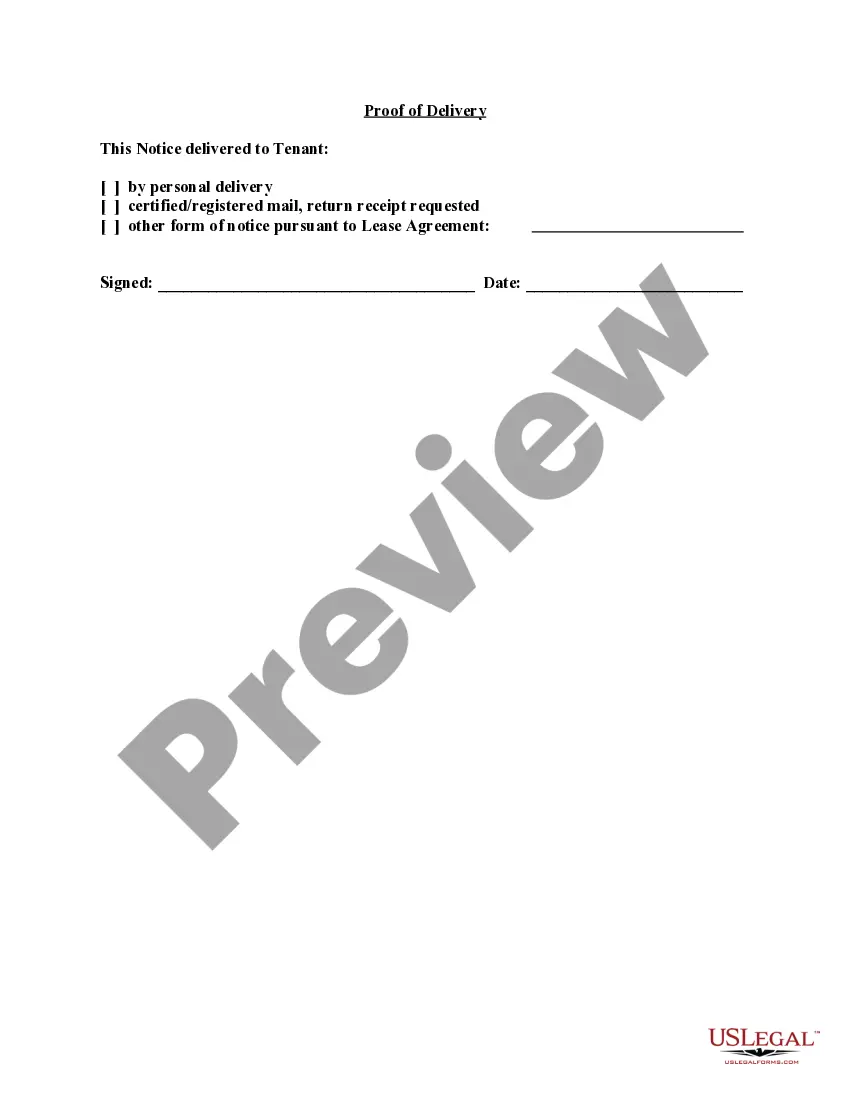
- Proof of delivery methods, including personal delivery and certified mail instructions.

Common use cases
This form should be used when a landlord discovers that a tenant is keeping wild animals on the premises in violation of their lease agreement. This could happen after a complaint from neighbors, observation by the landlord, or reports from local authorities. Using this form enables the landlord to formally notify the tenant and initiate the process of resolving the situation.
Intended users of this form
This letter should be used by:
- Landlords who suspect that their tenant is breaching the lease terms.
- Property managers acting on behalf of the landlord.
- Real estate professionals needing to address lease violations.
Steps to complete this form
- Identify the landlord and tenant with their full names and addresses.
- Specify the property being rented if applicable.
- Cite the specific terms of the lease that are being violated due to the presence of wild animals.
- Include a clear description of the wild animals in question.
- Sign and date the form in the designated area.
- Deliver the notice using the chosen method of delivery, noting the completion of proof of delivery.
Notarization guidance
In most cases, this form does not require notarization. However, some jurisdictions or signing circumstances might. US Legal Forms offers online notarization powered by Notarize, accessible 24/7 for a quick, remote process.
Get your form ready online
Our built-in tools help you complete, sign, share, and store your documents in one place.
Make edits, fill in missing information, and update formatting in US Legal Forms—just like you would in MS Word.
Download a copy, print it, send it by email, or mail it via USPS—whatever works best for your next step.
Sign and collect signatures with our SignNow integration. Send to multiple recipients, set reminders, and more. Go Premium to unlock E-Sign.
If this form requires notarization, complete it online through a secure video call—no need to meet a notary in person or wait for an appointment.
We protect your documents and personal data by following strict security and privacy standards.

Make edits, fill in missing information, and update formatting in US Legal Forms—just like you would in MS Word.

Download a copy, print it, send it by email, or mail it via USPS—whatever works best for your next step.

Sign and collect signatures with our SignNow integration. Send to multiple recipients, set reminders, and more. Go Premium to unlock E-Sign.

If this form requires notarization, complete it online through a secure video call—no need to meet a notary in person or wait for an appointment.

We protect your documents and personal data by following strict security and privacy standards.
Common mistakes
- Failing to clearly identify the terms of the lease that are being violated.
- Not providing enough detail on the wild animals involved.
- Neglecting to keep a copy of the notice for the landlord's records.
- Using an improper method of delivery that may not meet legal requirements.
Why complete this form online
- Easy to download and complete from the comfort of your home.
- Editable templates to suit your specific situation.
- Provides peace of mind with legally vetted language.
- Helps to navigate complex landlord-tenant laws efficiently.
Legal use & context
- Serves as an official record of notification to the tenant.
- Can be used as evidence in eviction proceedings if the issue is not resolved.
- Helps maintain the terms of the lease agreement and protects property rights.
What to keep in mind
- The form provides a structured approach for landlords to communicate lease violations.
- It is critical for safeguarding the rental agreement and property condition.
- Use this form to ensure you are following legal protocols before taking further action.
Looking for another form?

Form popularity
FAQ
Indiana. Indiana laws allow landlords to hold on to security deposits for 45 days to give them time to determine any damages caused by tenants. Colorado. Colorado is one of few states that allow landlords to access the rental property without an advance notice requirement. Georgia.
Frequently Asked Questions Regarding Landlord Legal Issues. 1. In North Carolina, how much notice is required before asking for rent increase, an increase above what is stated in lease? The simple answer is that you cannot raise your tenant's rent above what is in the lease until that lease is up.
Louisiana. Property Taxes: Louisiana has a median property tax rate of 0.18% and is the lowest in the nation. West Virginia. Property Taxes: West Virginia has a median property tax rate of 0.49%, making it the state with the sixth-lowest property taxes in the country. Arkansas.
North Carolina landlord-tenant law is typically landlord-friendly.For Charlotte and Raleigh landlords, we included specific local laws at the end of the guide. Please note that city laws may be more extensive than state laws, and landlords are required to follow both local and state laws.
Notice Requirements for North Carolina Landlords A landlord can simply give you a written notice to move, allowing you seven days as required by North Carolina law and specifying the date on which your tenancy will end.
The rights of North Carolina tenants include the right to fair housing, security deposit protections, freedom from landlord retaliation and rights for victims of domestic violence.
North Carolina law says that your landlord must keep your housing fit and safe. It also says that you, the tenant, must pay your rent, keep your home clean, and not damage your home. To make the law work, both the tenant and the landlord must do their part.