North Carolina Notice of Assignment of Contract for Deed
What is this form?
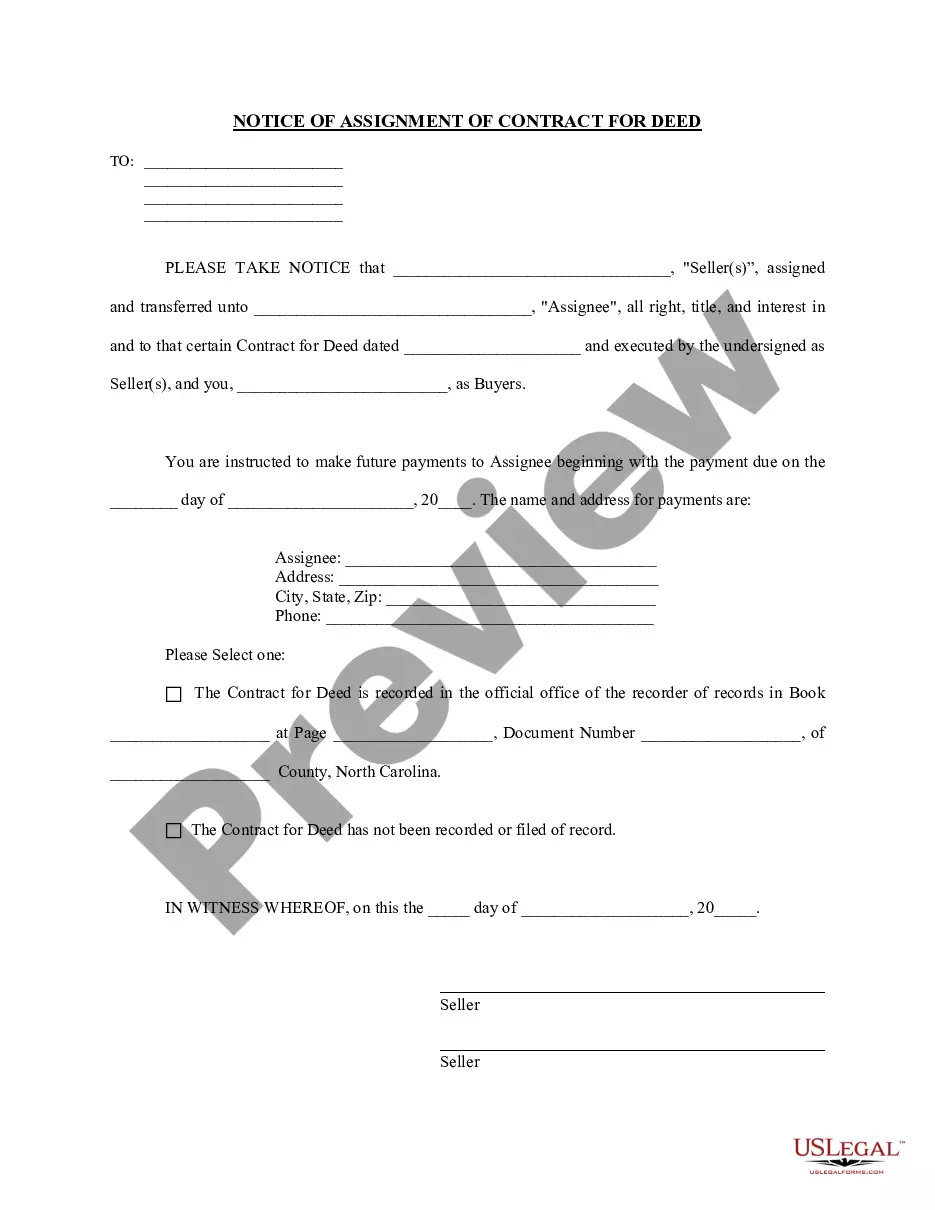
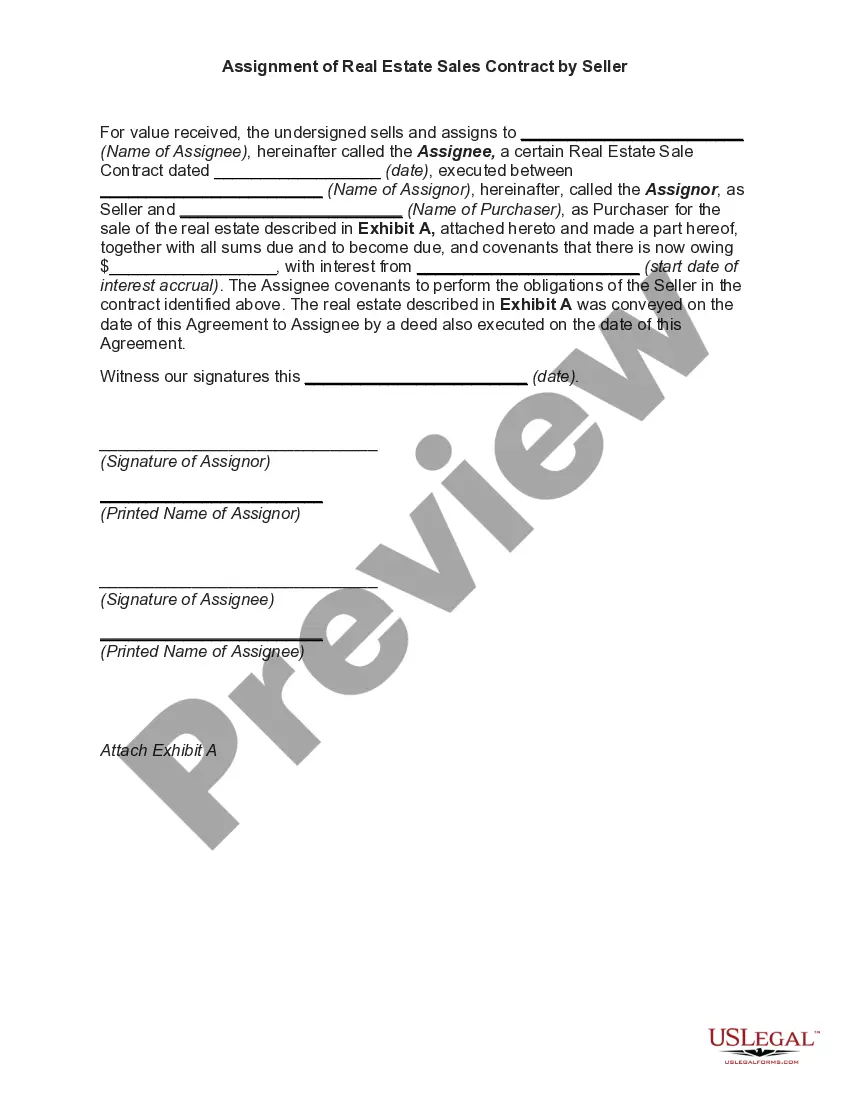
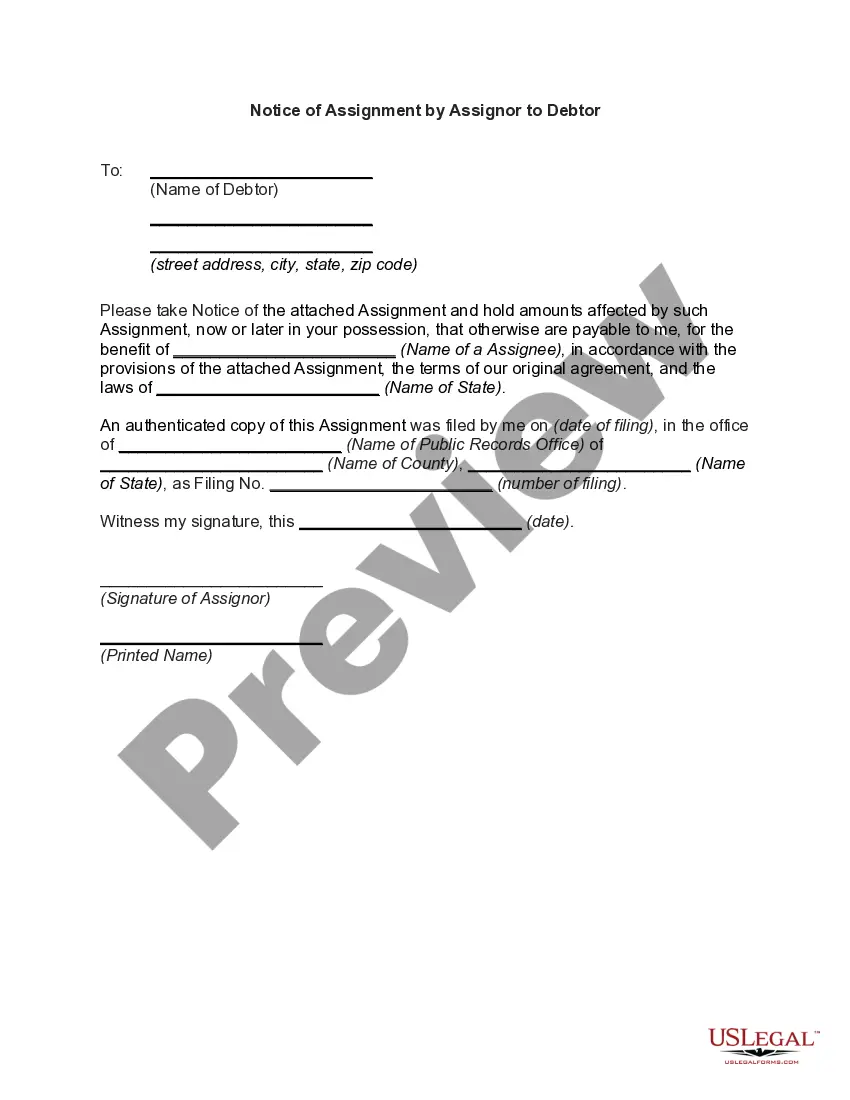
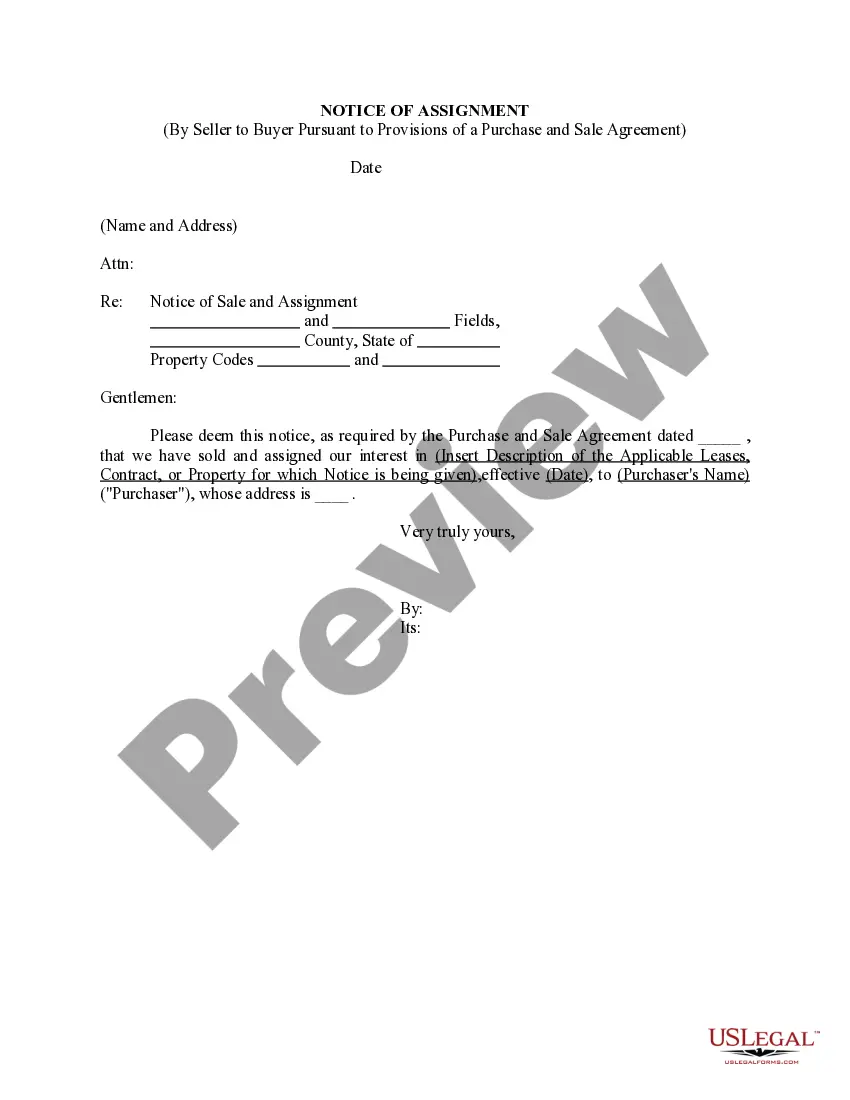
The Notice of Assignment of Contract for Deed is a legal document used by a Seller to notify a Buyer that the Seller has transferred their rights and obligations under a contract for deed to a third party. This form is essential to ensure that the Buyer makes future payments to the designated third party rather than the original Seller. It is important to note that this form serves a unique purpose compared to other contract assignments, specifically focusing on contracts for deed that have not been recorded.
Key components of this form
- Seller's declaration of assignment of the contract for deed.
- Identification of the parties involved, including the Seller and Buyer.
- Statements regarding the unrecorded status of the contract for deed.
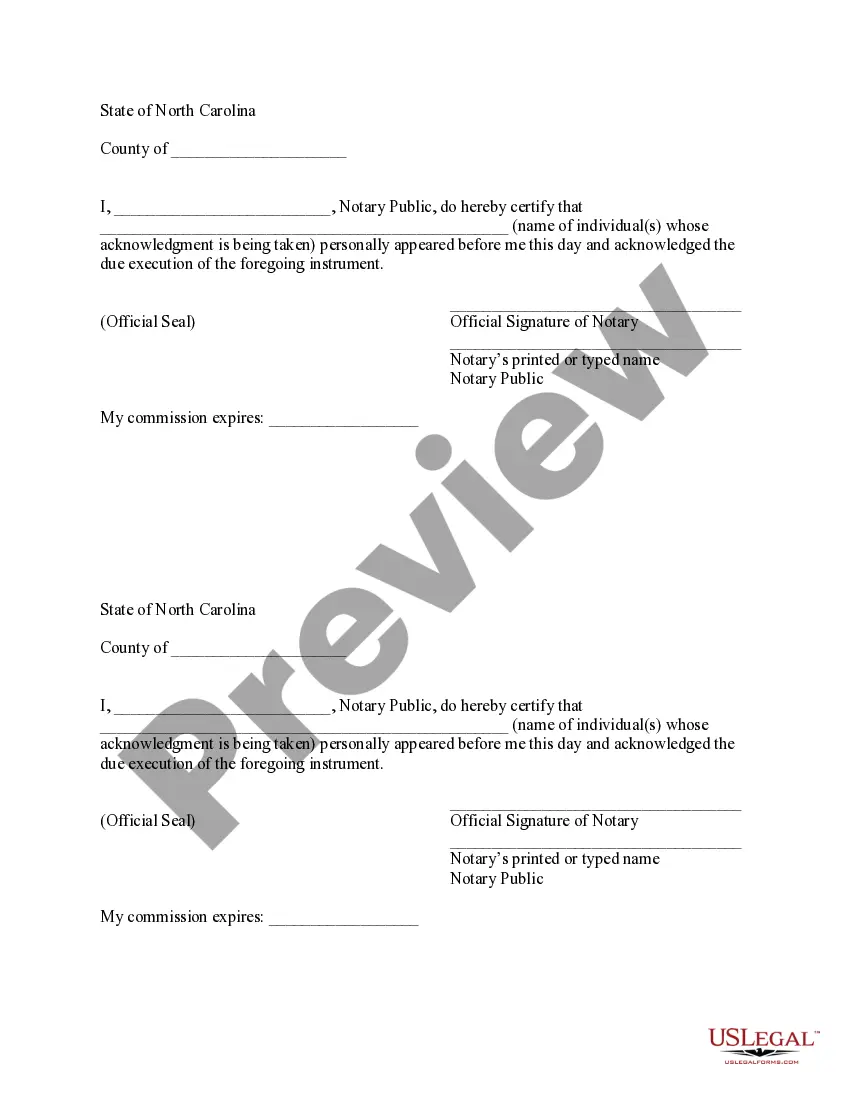
- Signature lines for the Seller and space for notarization.
- Notary public certification section to verify the authenticity of signatures.
When to use this document
This form is typically used when a Seller decides to transfer their interests in a contract for deed to another party. Such situations may arise when a Seller sells their rights to receive future payments from the Buyer or when the Seller is unable to fulfill their obligations and wants to assign them to someone else. Utilizing this form helps to ensure that all parties are informed of the new payment arrangements.
Who should use this form
- Original Sellers who want to assign their contract for deed to another party.
- Buyers who need to be informed about the change in payment recipients.
- Parties involved in real estate transactions specifically structured as contracts for deed.
Steps to complete this form
- Identify the Seller and Buyer by entering their names in the designated sections.
- State the current date and year when the assignment is executed.
- Clearly indicate the property involved in the contract for deed.
- Have the Seller sign the document in the presence of a notary public.
- Fill out the notarization section, ensuring it includes the notary's signature and seal.
Notarization guidance
Notarization is required for this form to take effect. Our online notarization service, powered by Notarize, lets you verify and sign documents remotely through an encrypted video session, available 24/7.
Get your form ready online
Our built-in tools help you complete, sign, share, and store your documents in one place.
Make edits, fill in missing information, and update formatting in US Legal Forms—just like you would in MS Word.
Download a copy, print it, send it by email, or mail it via USPS—whatever works best for your next step.
Sign and collect signatures with our SignNow integration. Send to multiple recipients, set reminders, and more. Go Premium to unlock E-Sign.
If this form requires notarization, complete it online through a secure video call—no need to meet a notary in person or wait for an appointment.
We protect your documents and personal data by following strict security and privacy standards.

Make edits, fill in missing information, and update formatting in US Legal Forms—just like you would in MS Word.

Download a copy, print it, send it by email, or mail it via USPS—whatever works best for your next step.

Sign and collect signatures with our SignNow integration. Send to multiple recipients, set reminders, and more. Go Premium to unlock E-Sign.

If this form requires notarization, complete it online through a secure video call—no need to meet a notary in person or wait for an appointment.

We protect your documents and personal data by following strict security and privacy standards.
Mistakes to watch out for
- Failing to notarize the document, which may render it invalid.
- Not clearly identifying all parties involved in the assignment.
- Omitting the property details which can lead to confusion.
- Providing incorrect dates that could affect the validity of the assignment.
Benefits of completing this form online
- Convenient access allows you to download the form anytime, anywhere.
- Editable templates ensure that you can customize the form to fit your specific situation.
- Reliability in using attorney-drafted templates helps ensure that the form is legally sound.
Summary of main points
- The Notice of Assignment of Contract for Deed is necessary for formalizing an assignment.
- It protects both seller and buyer by clarifying payment responsibilities.
- Notarization is required to ensure the document's legal validity.
Looking for another form?







Form popularity
FAQ
An assignment is a legal term used in the context of the law of contract and of property. In both instances, assignment is the process whereby a person, the assignor, transfers rights or benefits to another, the assignee.The rights may be vested or contingent, and may include an equitable interest.
To transfer ownership of land in North Carolina, the owner must execute and file a new deed with the register of deeds for the North Carolina county where the property is located.
An assignment of contract occurs when one party to an existing contract (the "assignor") hands off the contract's obligations and benefits to another party (the "assignee"). Ideally, the assignor wants the assignee to step into his shoes and assume all of his contractual obligations and rights.
Find a motivated seller. First, let's understand what a motivated seller is. Get the contract. Submit contract to title. Assign the contract to the buyer. Get paid!
An assignment of contract occurs when one party to an existing contract (the "assignor") hands off the contract's obligations and benefits to another party (the "assignee"). Ideally, the assignor wants the assignee to step into his shoes and assume all of his contractual obligations and rights.
Find the right property. Acquire a real estate contract template. Submit the contract. Assign the contract. Collect the fee.
A real estate deal can take a turn for the worst if the contract is not carefully written to include all the legal stipulations for both the buyer and seller.You can write your own real estate purchase agreement without paying any money as long as you include certain specifics about your home.
An assignment of contract occurs when one party to an existing contract (the "assignor") hands off the contract's obligations and benefits to another party (the "assignee"). Ideally, the assignor wants the assignee to step into his shoes and assume all of his contractual obligations and rights.
Find a motivated seller. First, let's understand what a motivated seller is. Get the contract. Submit contract to title. Assign the contract to the buyer. Get paid!