Montana Essential Legal Life Documents for New Parents
Understanding this form package
The Montana Essential Legal Life Documents for New Parents package provides crucial legal documents tailored specifically for new parents. This package stands out by addressing the unique legal needs that arise with the addition of a child, ensuring that parents have the necessary documents to manage their finances, healthcare decisions, and child custody effectively. Included in this package are state-specific forms drafted by licensed attorneys, making it a comprehensive resource for new families.
What’s included in this form package
- General Power of Attorney for Care and Custody of Child or Children
- Statutory General Power of Attorney with Durable Provisions
- Statutory Equivalent of Living Will or Declaration
- Financial Statement Form - Husband and Wife Joint
- Parental Permission and Medical Consent Form
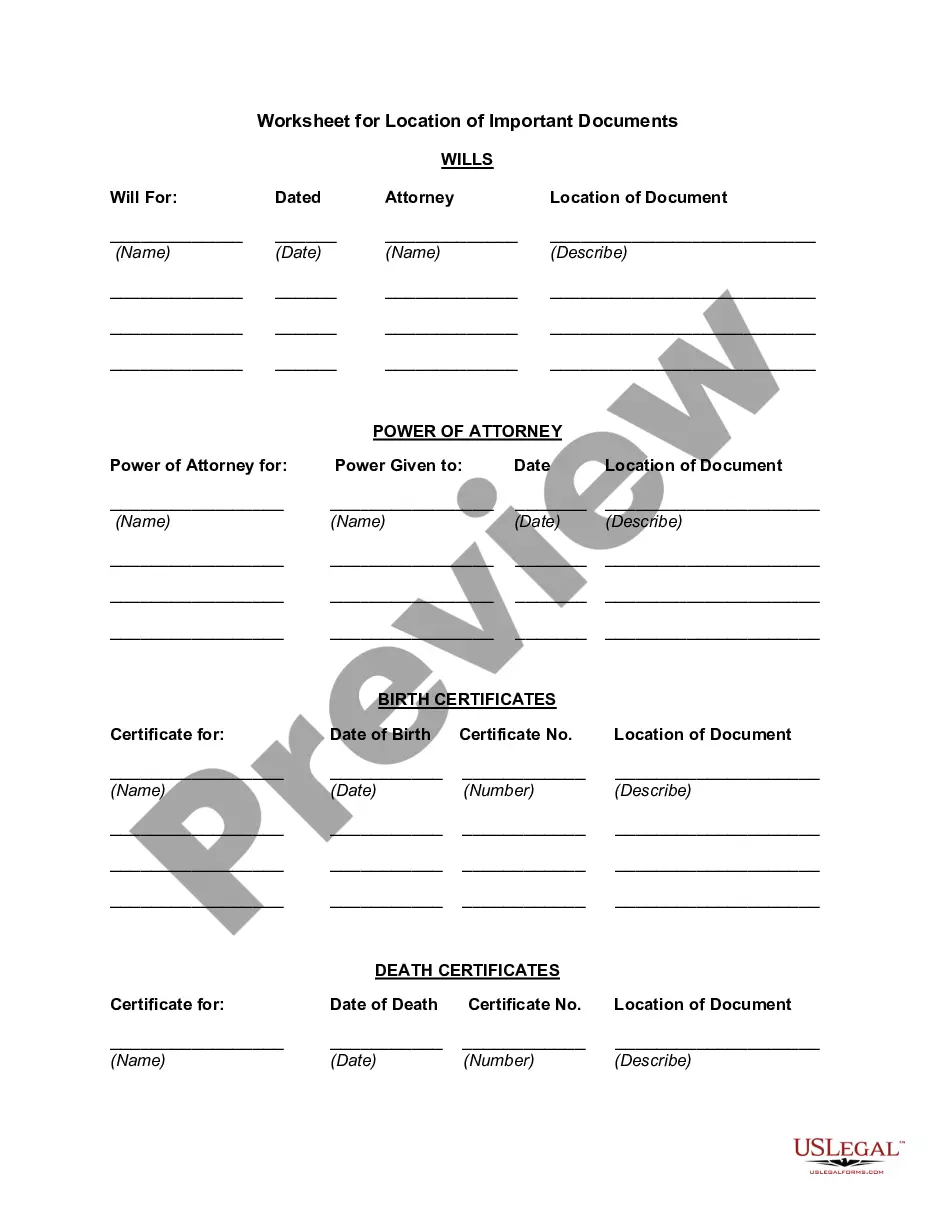
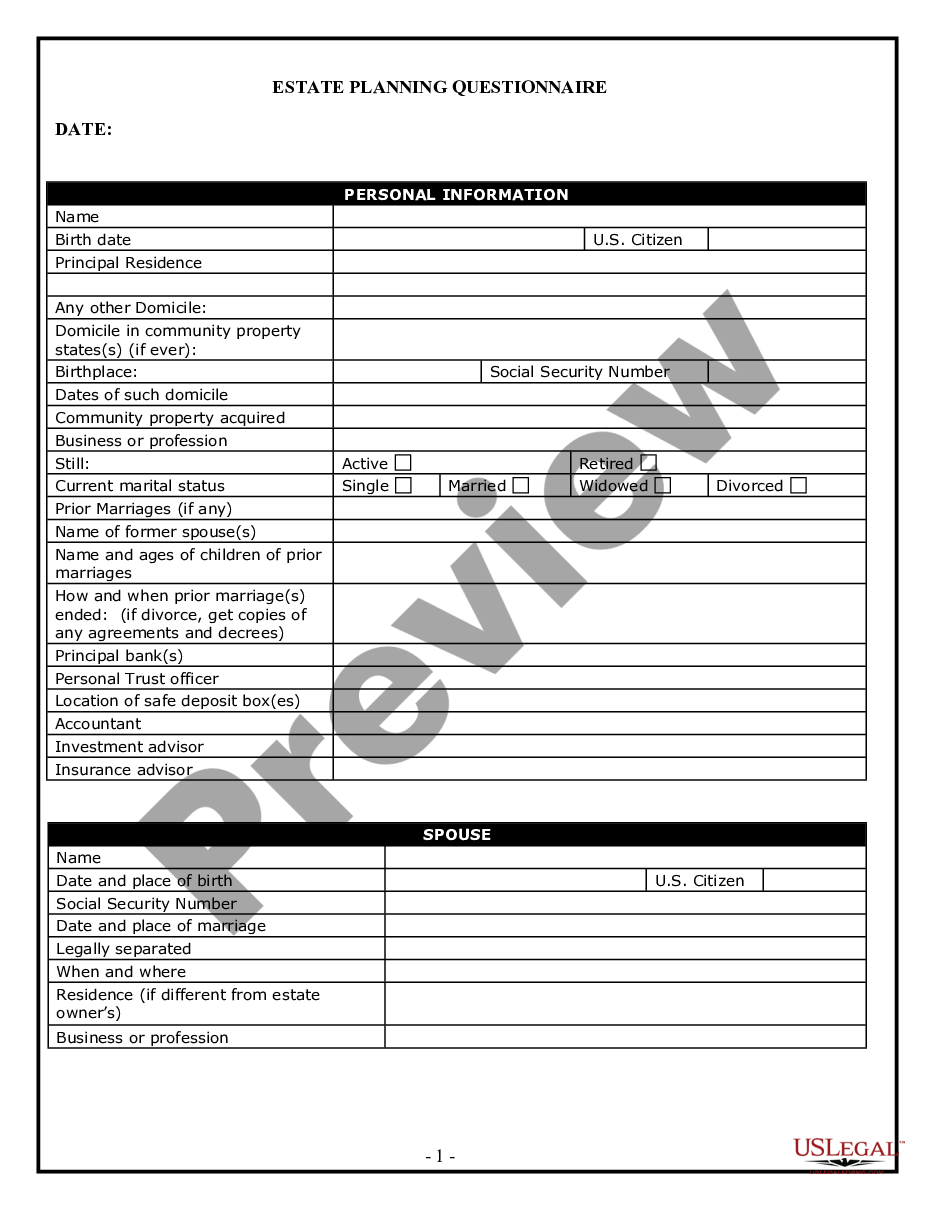
- Personal Planning Information and Document Inventory Worksheets - A Legal Life Document


When to use this form package
This package is ideal for new parents looking to establish legal clarity and protect their family's well-being. You should consider using it when:
- You have recently welcomed a child into your family and need to plan for their future.
- You want to ensure your healthcare preferences are documented in the event of an emergency.
- You are setting up arrangements for financial management and child custody.
- You need a structured way to inventory your important personal and financial information.
Who this form package is for
- New parents in Montana who want to prepare for their child's future.
- Parents seeking to make informed legal decisions regarding healthcare and custody.
- Couples who wish to manage their finances more effectively with a unified financial statement.
- Any parent looking to document their wishes regarding medical care for their children.
Completing these forms step by step
- Review each of the included forms carefully to understand their purpose and requirements.
- Gather the necessary information, such as your child's information, financial details, and medical preferences.
- Complete the forms by filling in the required fields, ensuring all information is accurate.
- Have the forms signed appropriately, and ensure notarization where required.
- Store your completed documents in a secure location, such as a safe or a bank safety deposit box.
Notarization details for included forms
Some forms in this package require notarization to be legally valid. US Legal Forms provides secure online notarization powered by Notarize, allowing you to complete the process through a verified video call, available 24/7.
Get your form ready online
Our built-in tools help you complete, sign, share, and store your documents in one place.
Make edits, fill in missing information, and update formatting in US Legal Forms—just like you would in MS Word.
Download a copy, print it, send it by email, or mail it via USPS—whatever works best for your next step.
Sign and collect signatures with our SignNow integration. Send to multiple recipients, set reminders, and more. Go Premium to unlock E-Sign.
If this form requires notarization, complete it online through a secure video call—no need to meet a notary in person or wait for an appointment.
We protect your documents and personal data by following strict security and privacy standards.

Make edits, fill in missing information, and update formatting in US Legal Forms—just like you would in MS Word.

Download a copy, print it, send it by email, or mail it via USPS—whatever works best for your next step.

Sign and collect signatures with our SignNow integration. Send to multiple recipients, set reminders, and more. Go Premium to unlock E-Sign.

If this form requires notarization, complete it online through a secure video call—no need to meet a notary in person or wait for an appointment.

We protect your documents and personal data by following strict security and privacy standards.
Common mistakes
- Not signing forms in the presence of a notary when required.
- Failing to review forms for completeness before submitting or storing them.
- Neglecting to update documents when family circumstances change.
- Overlooking the need for witnesses on certain documents.
Why use this package online
- Convenience of accessing and downloading forms from home.
- Editability that allows you to customize forms to your needs.
- Reliability of documents prepared by licensed attorneys specific to Montana law.
Looking for another form?

Form popularity
FAQ
File the original Motion to Amend Parenting Plan, Supporting Affidavit, Proposed Amended Parenting Plan, Order to Show Cause, and Order Amending Parenting Plan with the Clerk of District Court in the county where your original Parenting Plan was filed. Give the Clerk of Court a self-addressed stamped envelope.
The physical well-being of the child: For example, focus on your child's routine, sleeping habits, eating schedule, and after-school activities. The psychological well-being of the child: For example, making sure that the child has access to liberal visitation with the other parent.
California courts only allow parents to terminate their parental rights voluntarily under specific circumstances. Generally, it is only possible to give up parental rights for the purposes of adoption.
Child custody laws in Montana allow judges to take a child's wishes into account as a single factor in custody determinations, but will not allow any child under 18 to unilaterally decide which parent to reside with.
1 attorney answer Although a child's wishes are one factor among many the court must consider in determining the child's best interests, a minor child never gets to "decide" which parent to live with.
In cases where parents can't agree, a judge will decide visitation and custody based on the child's best interests.Both parents are bound by the terms of a custody order. If your child refuses to go to visits with the other parent, you could still be on the hook for failing to comply with a custody order.
There are a few exceptions, but, generally, Montana courts do not have jurisdiction to make judgments regarding the children unless they have resided in the state for at least six months (M.C.A. § 40-4-211).
You can demonstrate this by showing that you have enrolled your child in school, are involved in his or her education and upbringing, have participated in extracurricular activities, and have made other parenting decisions demonstrating an interest in nurturing your child.
If the child is 12 or older, the judge may consider the wishes of the child. The judge may consider the wishes of the child as long as the judge determines that the child is "of sufficient age and capacity."