Mississippi Last Will and Testament with All Property to Trust called a Pour Over Will
Understanding this form
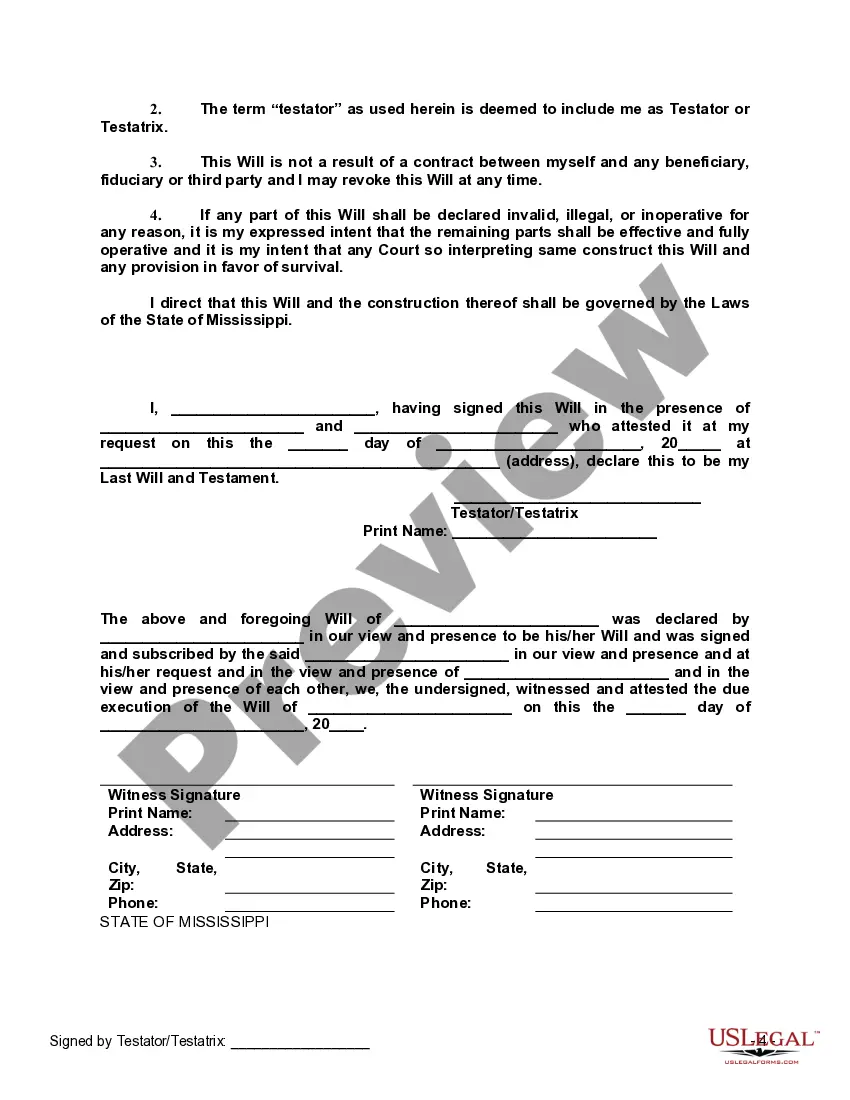
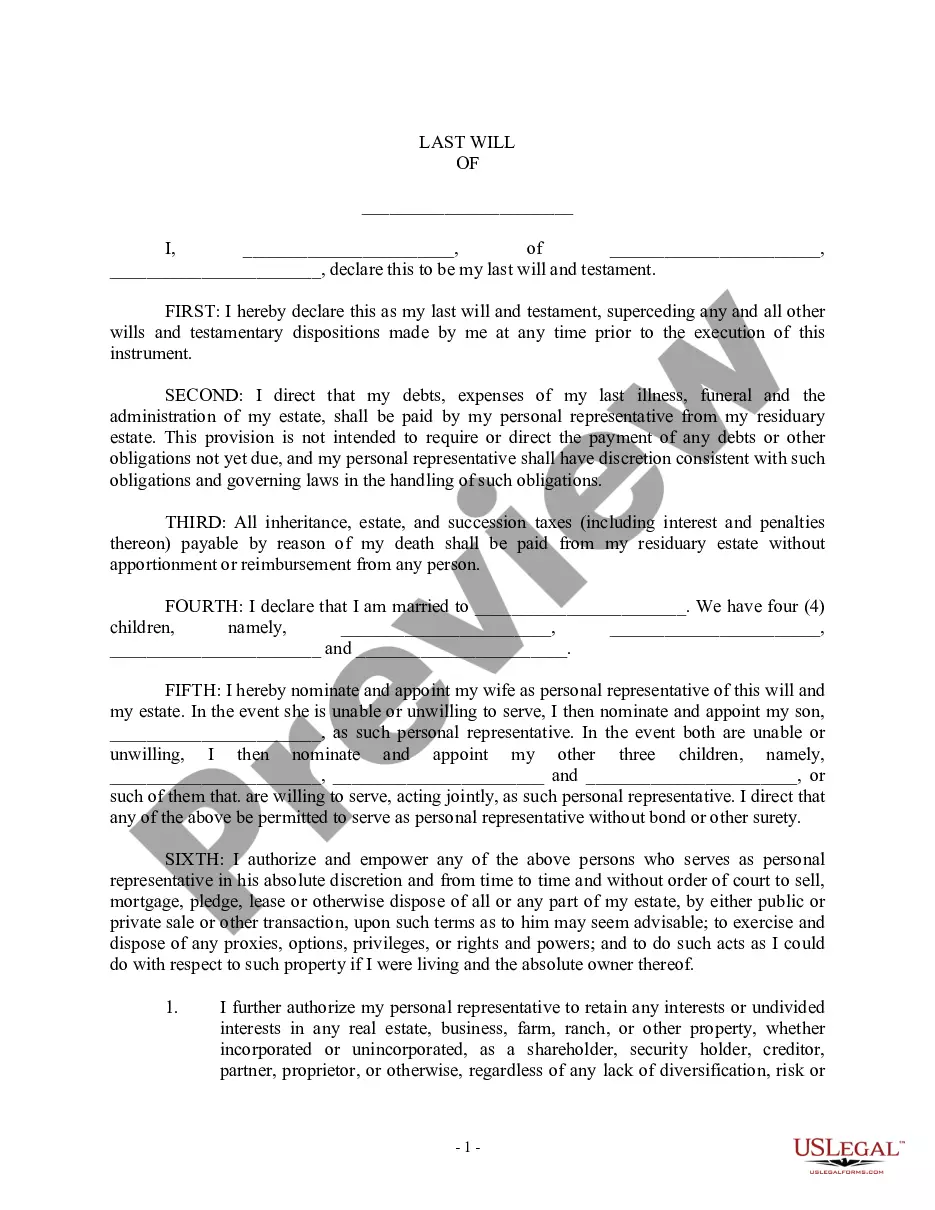
This Last Will and Testament, known as a Pour Over Will, is a legal document that facilitates the transfer of any remaining property to your living trust upon your death. Unlike a standard will, this form ensures that any assets not already in the trust "pour over" into the trust, allowing for a consolidated estate plan. This approach minimizes the need for probate and allows you to dictate how your assets are handled after your passing.
Main sections of this form
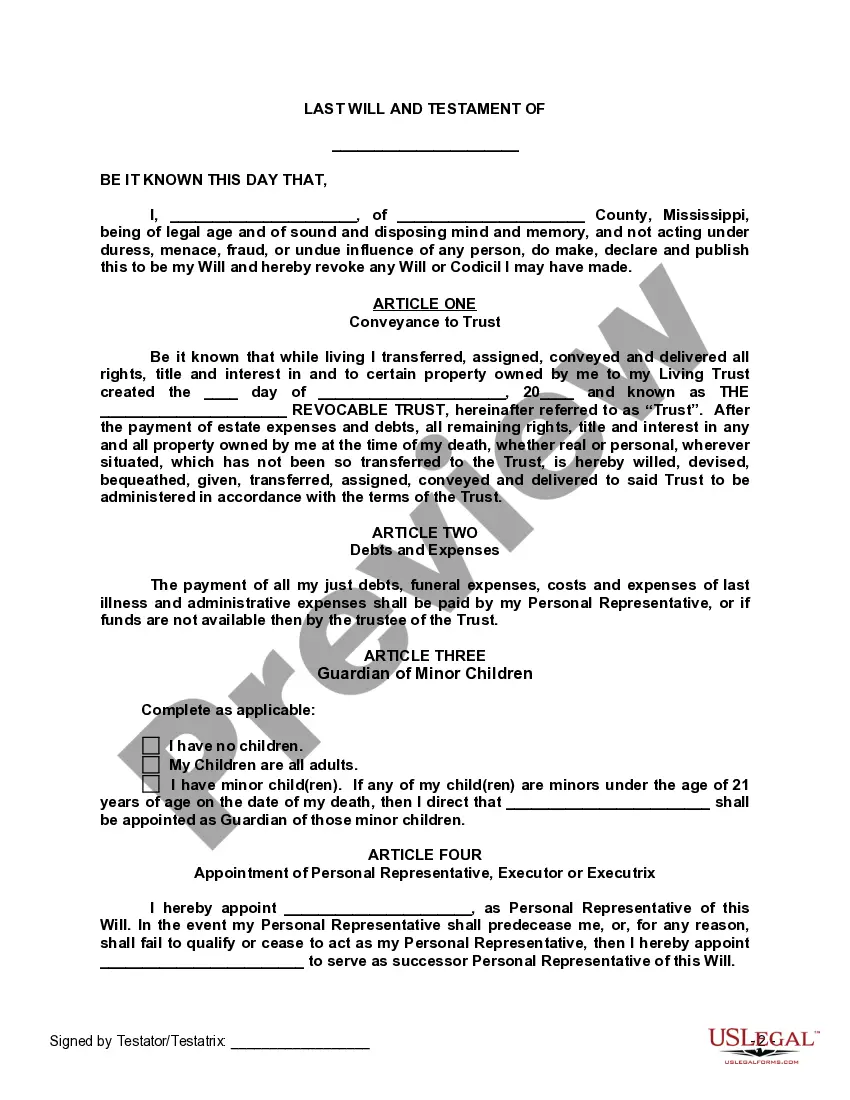
- Conveyance to Trust: Specifies that any remaining property will transfer to the living trust upon death.
- Debts and Expenses: Outlines the payment of debts, funeral, and administrative expenses.
- Guardian of Minor Children: Designates a guardian if minor children are involved.
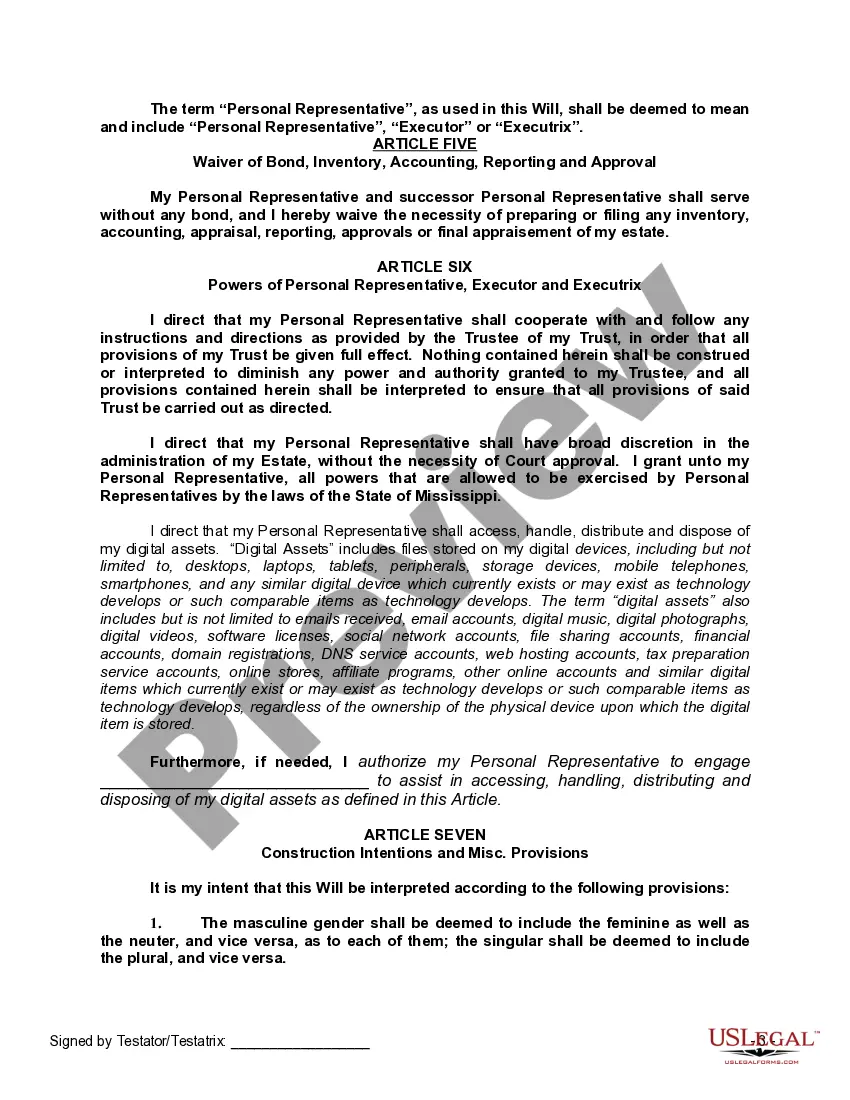
- Personal Representative: Appoints an individual to manage the estate and execute the will.
- Powers of Personal Representative: Grants the personal representative the authority to act without needing court approval.


Situations where this form applies
You should use this Pour Over Will when you have created or are planning to create a living trust. It is also necessary if you want to ensure that any assets not previously transferred to the trust will still be controlled by the trust's terms, preventing state intestacy laws from applying.
Who can use this document
- Individuals establishing a new living trust.
- Individuals who already have a living trust in place.
- People wanting to ensure their assets are administered according to their wishes following their death.
- Those with minor children needing to designate a guardian.
How to prepare this document
- Identify and enter your full legal name and address.
- Specify the date the living trust was created in the appropriate section.
- Clearly designate a guardian for any minor children if applicable.
- Appoint a personal representative to manage your estate.
- Ensure you and the required witnesses sign the document in accordance with state laws.
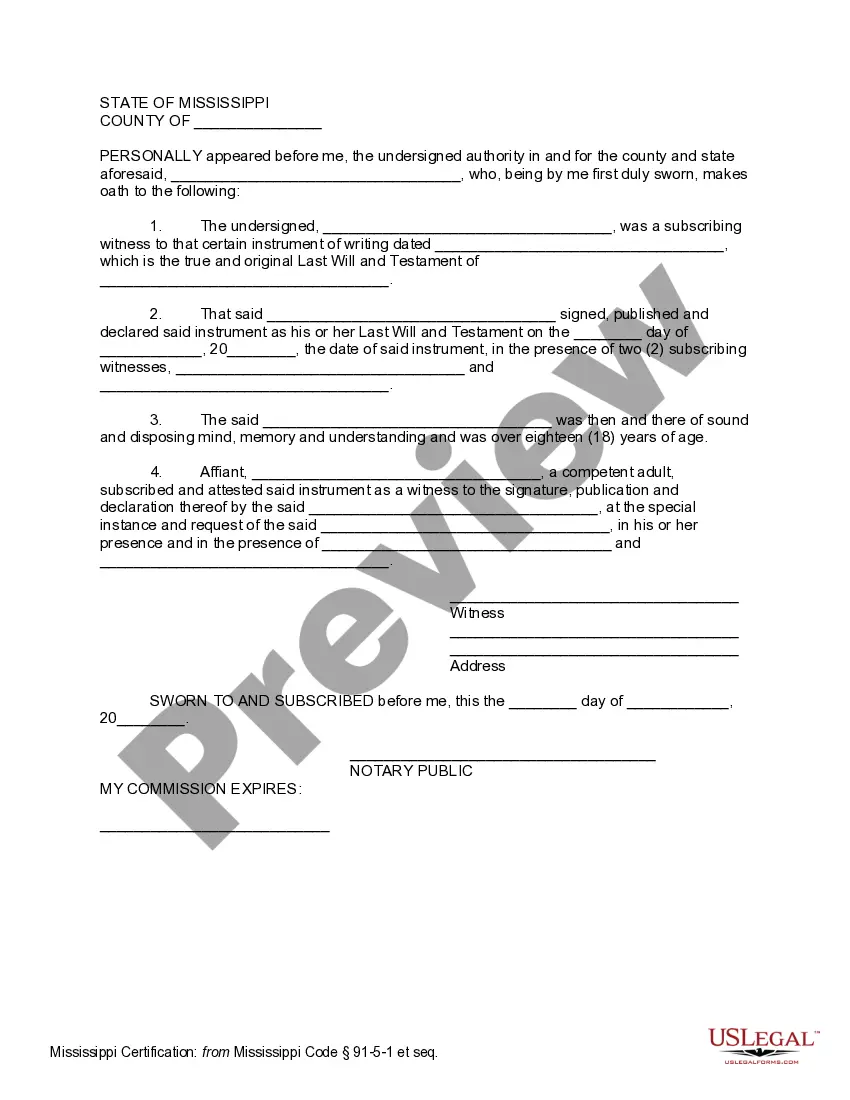
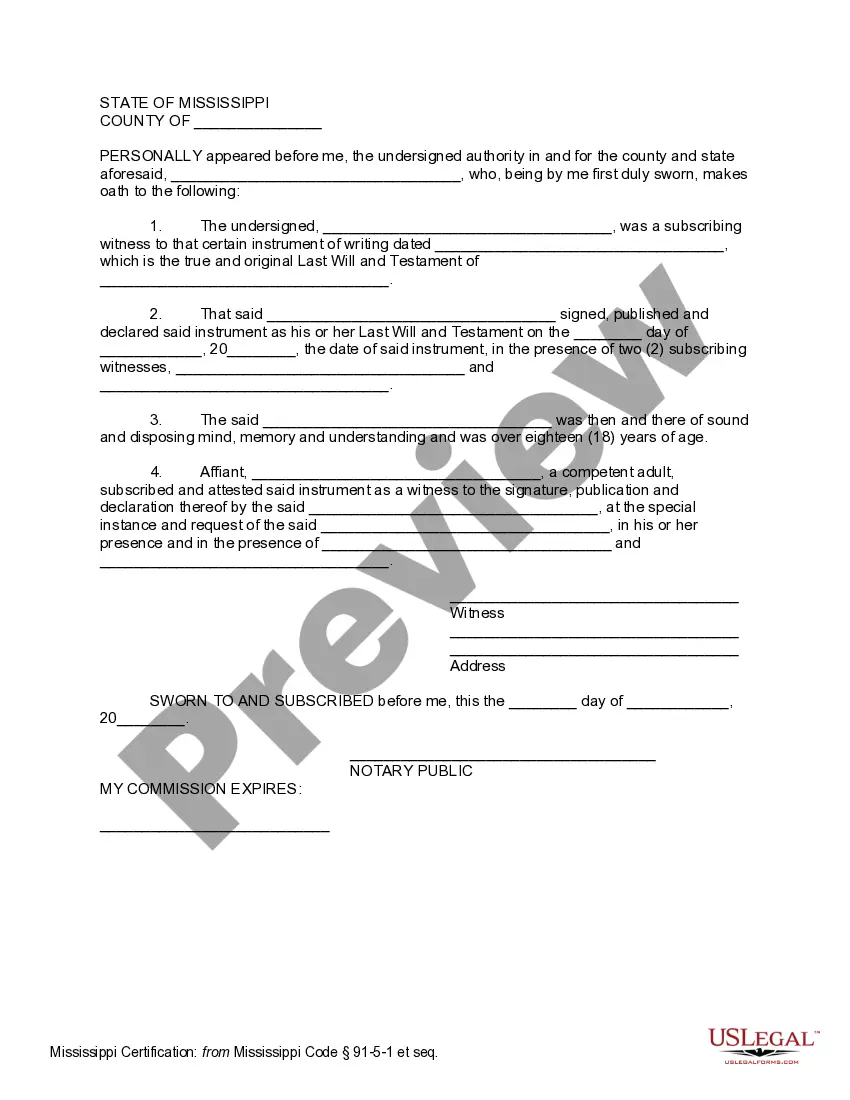
Does this form need to be notarized?
This document requires notarization to meet legal standards. US Legal Forms provides secure online notarization powered by Notarize, allowing you to complete the process through a verified video call, available 24/7.
Get your form ready online
Our built-in tools help you complete, sign, share, and store your documents in one place.
Make edits, fill in missing information, and update formatting in US Legal Forms—just like you would in MS Word.
Download a copy, print it, send it by email, or mail it via USPS—whatever works best for your next step.
Sign and collect signatures with our SignNow integration. Send to multiple recipients, set reminders, and more. Go Premium to unlock E-Sign.
If this form requires notarization, complete it online through a secure video call—no need to meet a notary in person or wait for an appointment.
We protect your documents and personal data by following strict security and privacy standards.

Make edits, fill in missing information, and update formatting in US Legal Forms—just like you would in MS Word.

Download a copy, print it, send it by email, or mail it via USPS—whatever works best for your next step.

Sign and collect signatures with our SignNow integration. Send to multiple recipients, set reminders, and more. Go Premium to unlock E-Sign.

If this form requires notarization, complete it online through a secure video call—no need to meet a notary in person or wait for an appointment.

We protect your documents and personal data by following strict security and privacy standards.
Common mistakes to avoid
- Failing to transfer all assets to the trust before death.
- Not properly witnessing or signing the will, leading to its invalidation.
- Neglecting to update the will after significant life changes.
- Leaving out detailed instructions for asset distribution.
Why complete this form online
- Convenience of completing the form at your own pace.
- Editability allows changes to be made easily where necessary.
- Access to attorney-drafted templates ensures reliability and legal compliance.
Legal use & context
- This form is legally valid in Mississippi and is designed to meet state laws.
- It helps to avoid probate for assets transferred to the living trust.
- Consulting an attorney can further clarify specific legal questions or concerns regarding your estate plan.
Key takeaways
- The Pour Over Will complements a living trust.
- It ensures all assets, even those not transferred, are controlled by the trust.
- Proper execution is vital to its enforceability.
Looking for another form?
Form popularity
FAQ
Both are useful estate planning devices that serve different purposes, and both can work together to create a complete estate plan. One main difference between a will and a trust is that a will goes into effect only after you die, while a trust takes effect as soon as you create it.
One main difference between a will and a trust is that a will goes into effect only after you die, while a trust takes effect as soon as you create it. A will is a document that directs who will receive your property at your death and it appoints a legal representative to carry out your wishes.
If you make a living trust, you might well think that you don't need to also make a will. After all, a living trust basically serves the same purpose as a will: it's a legal document in which you leave your property to whomever you choose.But even if you make a living trust, you should make a will as well.
When people make revocable living trusts to avoid probate, it's common for them to also make what's called a "pour-over will." The will directs that if any property passes through the will at the person's death, it should be transferred to (poured into) the trust, and then distributed to the beneficiaries of the trust.
A will and a trust are separate legal documents that typically share a common goal of facilitating a unified estate plan.Since revocable trusts become operative before the will takes effect at death, the trust takes precedence over the will, when there are discrepancies between the two.
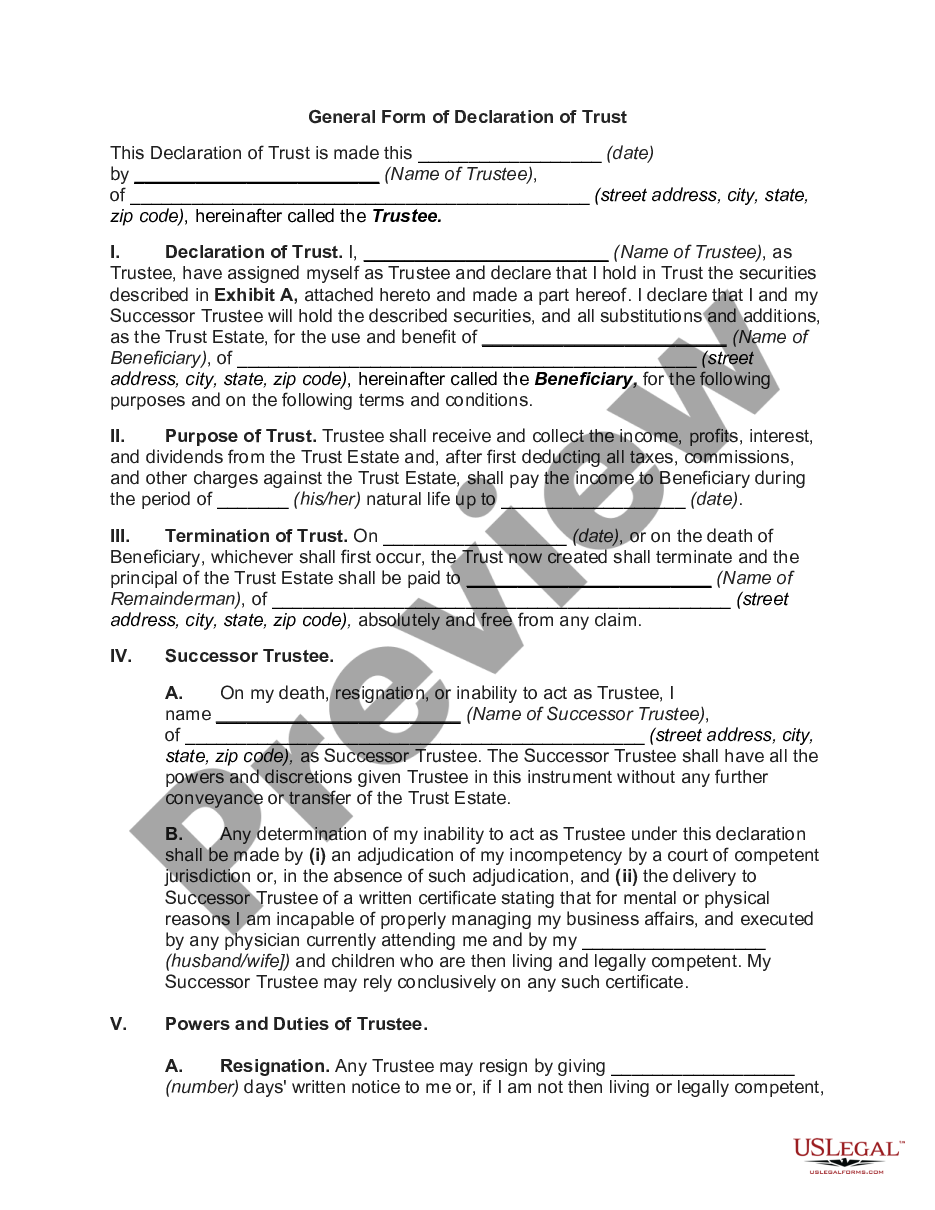
A pour-over will is a testamentary device wherein the writer of a will creates a trust, and decrees in the will that the property in his or her estate at the time of his or her death shall be distributed to the Trustee of the trust.
Pour-over wills are subject to probate since the assets have not yet been transferred into the trust. Some states also require your assets to go through the probate process any time your assets or property are over a certain value.Even though pour-over wills don't avoid probate, there is still a measure of privacy.
After reading about the benefits of a revocable living trust, you may wonder, Why do I need a pour-over will if I have a living trust? A pour-over will is necessary in the event that you do not fully or properly fund your trust.Your trust agreement can only control the assets that the trust owns.
After reading about the benefits of a revocable living trust, you may wonder, Why do I need a pour-over will if I have a living trust? A pour-over will is necessary in the event that you do not fully or properly fund your trust.Your trust agreement can only control the assets that the trust owns.