Mississippi Notice of Default for Past Due Payments in connection with Contract for Deed
What this document covers
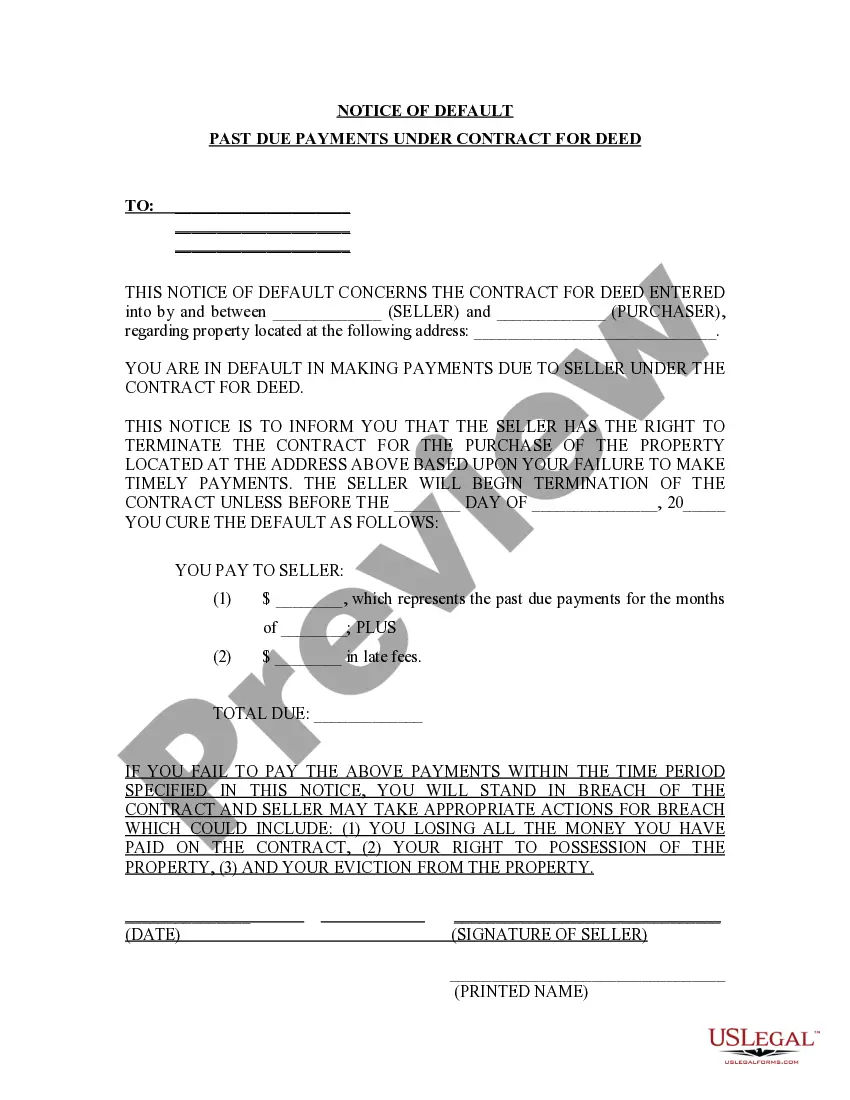
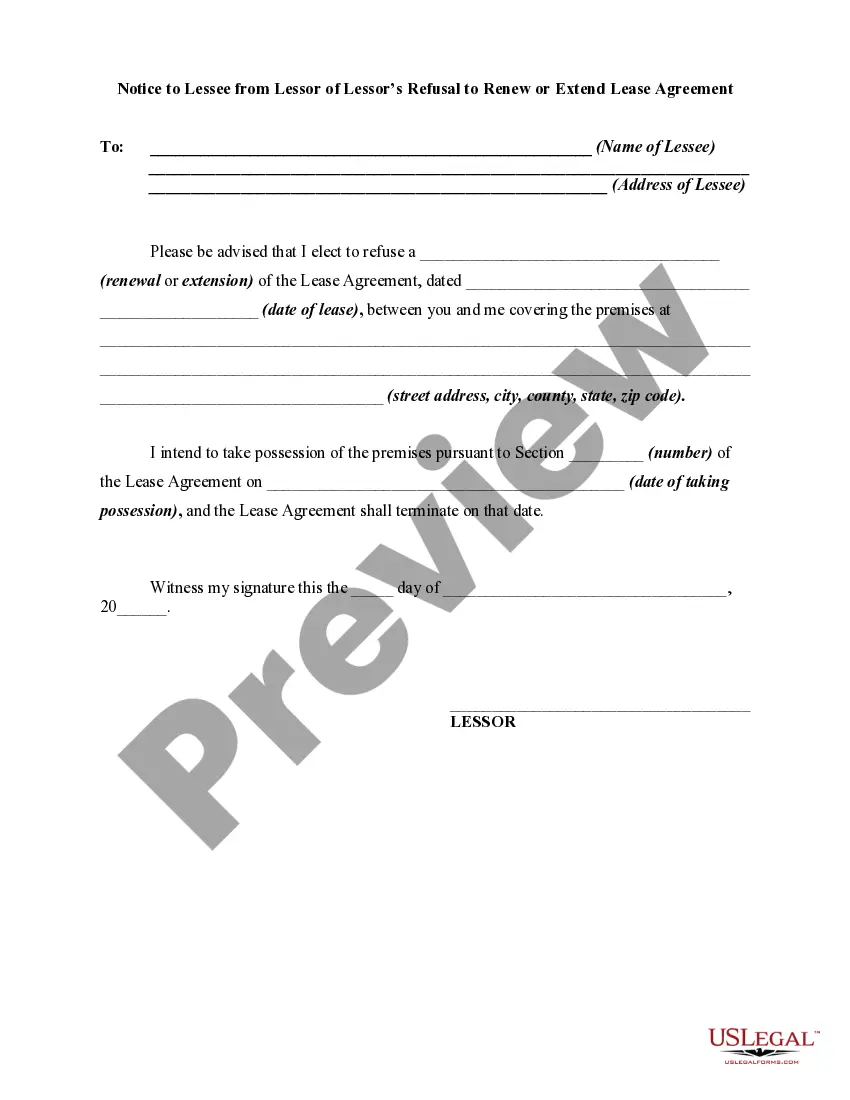
The Notice of Default for Past Due Payments in connection with Contract for Deed serves as the Seller's formal notice to the Purchaser regarding late payments. This document highlights that the Purchaser has not met the payment terms outlined in the contract for deed. By using this notice, Sellers can alert Purchasers of their delinquency and outline the potential consequences of failing to comply with the payment demands. This form is crucial for initiating the process of addressing payment defaults in real estate transactions.
Form components explained
- Identification of the Seller and Purchaser involved in the transaction.
- Details of the Contract for Deed, including property description and payment terms.
- The specific amount overdue and any applicable late fees.
- Instructions for the Purchaser regarding actions required to remedy the default.
- Consequences of failing to address the default.

When to use this document
This form is commonly used when a Purchaser has missed a scheduled payment or multiple payments under a Contract for Deed. It can be necessary in situations where the Seller needs to formally notify the Purchaser of the default to initiate further actions, which may include legal proceedings. This notice is an important step in the collection process and can help protect the Seller's rights in the transaction.
Who needs this form
- Sellers of real estate who have entered into a Contract for Deed.
- Legal professionals advising clients on property transactions.
- Purchasers who need to understand their obligations under the Contract for Deed.
How to prepare this document
- Identify and enter the names and addresses of both the Seller and Purchaser.
- Provide the details of the property covered by the Contract for Deed.
- Clearly state the overdue payment amount and any applicable fees.
- Set a deadline for the Purchaser to remedy the default as specified in the contract.
- Sign and date the form to make it legally binding.
Is notarization required?
This document requires notarization to meet legal standards. US Legal Forms provides secure online notarization powered by Notarize, allowing you to complete the process through a verified video call, available 24/7.
Get your form ready online
Our built-in tools help you complete, sign, share, and store your documents in one place.
Make edits, fill in missing information, and update formatting in US Legal Forms—just like you would in MS Word.
Download a copy, print it, send it by email, or mail it via USPS—whatever works best for your next step.
Sign and collect signatures with our SignNow integration. Send to multiple recipients, set reminders, and more. Go Premium to unlock E-Sign.
If this form requires notarization, complete it online through a secure video call—no need to meet a notary in person or wait for an appointment.
We protect your documents and personal data by following strict security and privacy standards.

Make edits, fill in missing information, and update formatting in US Legal Forms—just like you would in MS Word.

Download a copy, print it, send it by email, or mail it via USPS—whatever works best for your next step.

Sign and collect signatures with our SignNow integration. Send to multiple recipients, set reminders, and more. Go Premium to unlock E-Sign.

If this form requires notarization, complete it online through a secure video call—no need to meet a notary in person or wait for an appointment.

We protect your documents and personal data by following strict security and privacy standards.
Avoid these common issues
- Failing to include complete and accurate contact information for both parties.
- Not specifying the correct amount of overdue payments.
- Overlooking the deadline for the Purchaser to respond or remedy the default.
- Neglecting to keep a copy of the notice for your records.
Advantages of online completion
- Convenience of downloading and completing the form from anywhere at any time.
- Editability allows Sellers to customize the notice to fit their specific situation.
- Access to professionally drafted templates ensures legal compliance.
Looking for another form?
Form popularity
FAQ
Your company name and address. recipient's name and address. today's date. a clear reference and/or any account reference numbers. the amount outstanding. original payment due date. a brief explanation that no payment has been received.
A clear subject line detailing what the email is about. An opening line that's warm. State the purpose of the email in a non-harassing tone (include amount owed, invoice number, and due date) Inquire about the progress of the invoice.
When an account is considered past due, that means the minimum required payment was not applied to the account as of the last payment due date. Your account technically becomes past due the moment after you miss the payment. Some credit card issuers immediately apply a late fee to your credit card.
To request payment professionally, it's important to first make sure there was no error or miscommunication about the invoice. Send a polite email to your client explaining that the payment is now past due and ask to make sure they received the initial invoice and there were no problems with it.
Invoice number and date. Amount owing. Payment terms such as late fees. Reminders of previous letters. Instructions for payment (include links in emails) Your contact information.
Past due refers to a payment that has not been made by its cutoff time at the end of its due date. A borrower who is past due will usually face some penalties and can be subject to late fees.
A few more observations: Ask for the payment simply and be straightforward. Tell them you have included the invoice as part of the email and how you want to be paid. The conclusion is polite and lets them know that you'd love to work more with them in the future.
#1 Keep the Subject Line Concise and Precise. #2 Encapsulate Updated Information. #3 Clarify The Types of Payment You Accept. #4 Mention The Invoice Date. #5 Do Not Forget to Include Contact Details. #1 Initial Payment Reminder: 7 Days Before the Due Date.