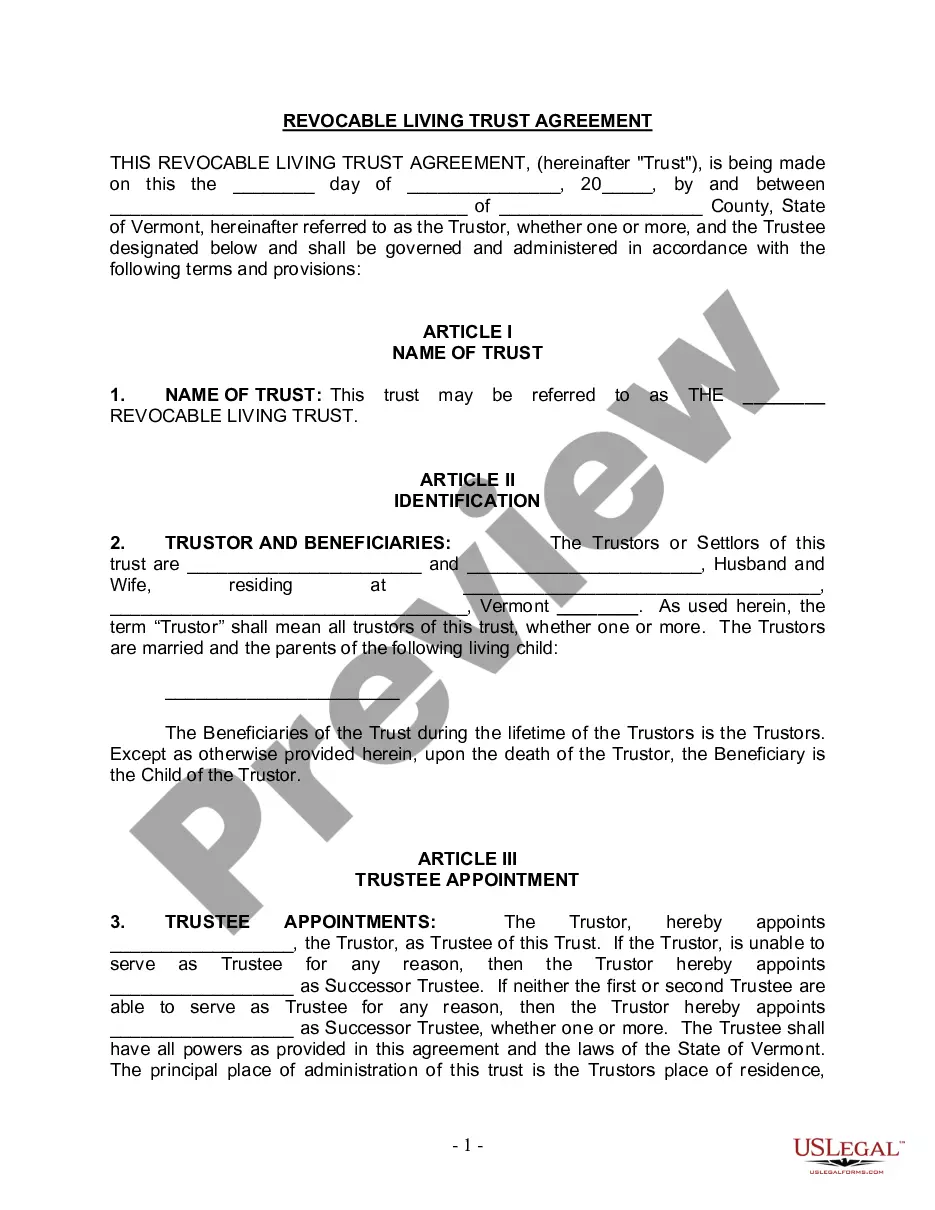
Missouri Letter from Tenant to Landlord about Sexual Harassment
What is this form?
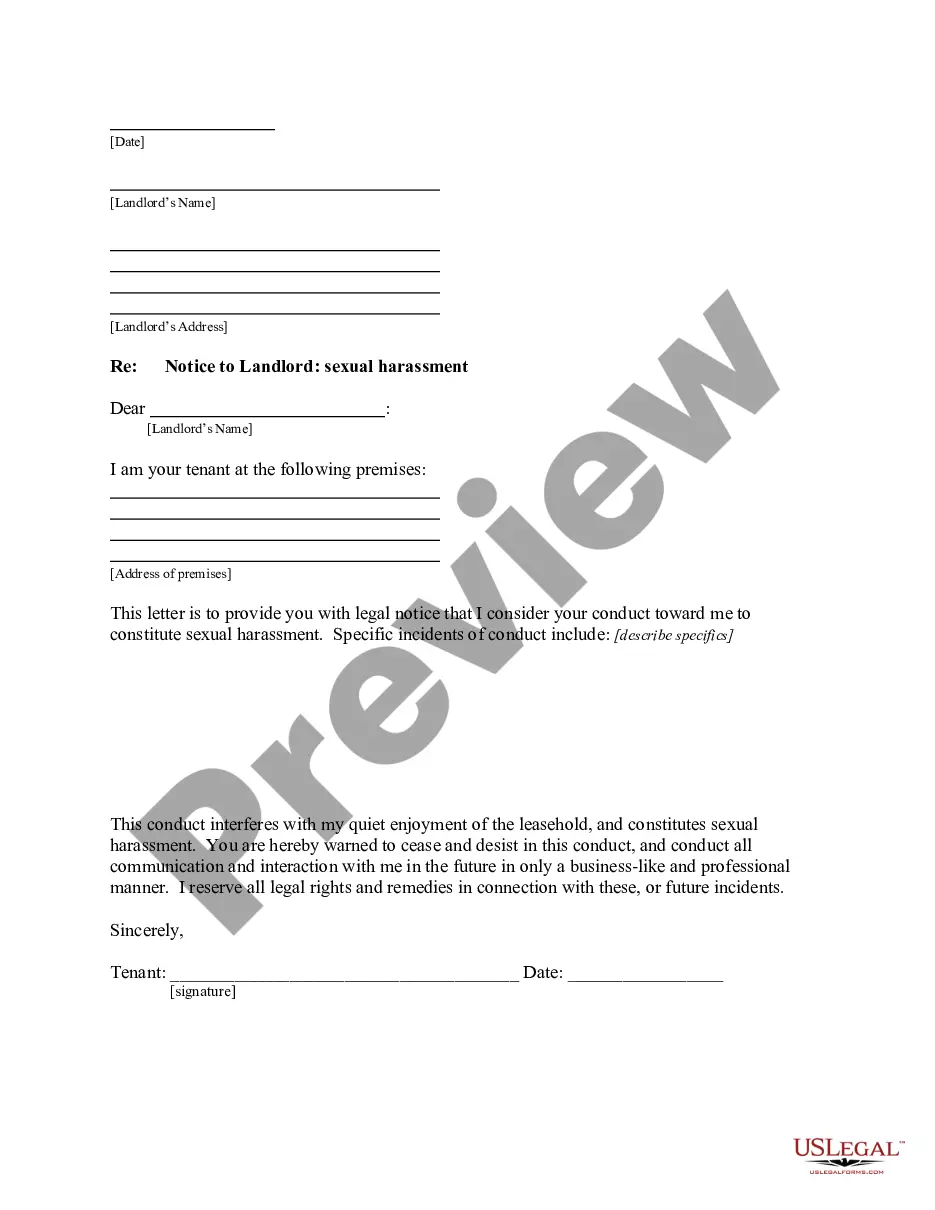
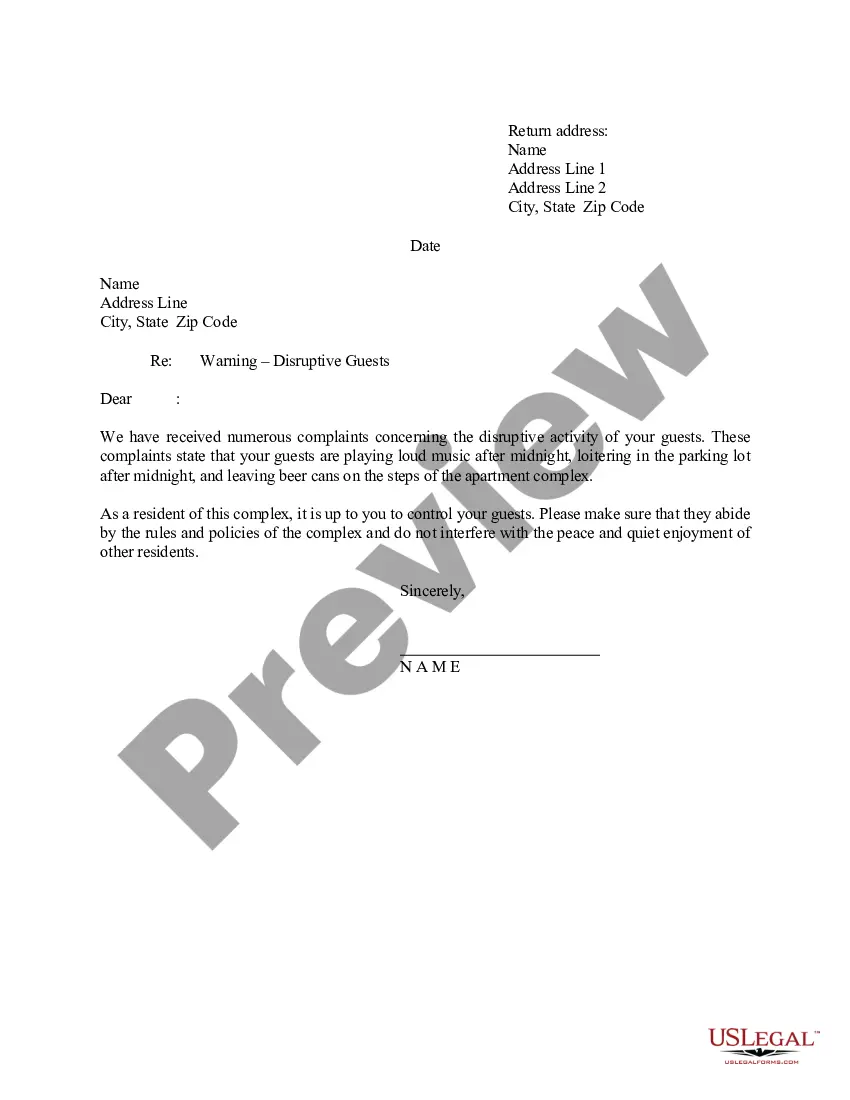
This form is a Letter from Tenant to Landlord about Sexual Harassment, designed to formally address inappropriate and illegal conduct by a landlord towards a tenant. This letter serves as a warning, notifying the landlord to cease such behavior, which interferes with the tenant's right to enjoy their living space peacefully. It specifies the need for all future interactions to remain professional and business-like.
Key parts of this document
- Identification of the tenant and landlord.
- A clear statement describing the harassment behavior.
- A request for the landlord to cease all harassment immediately.
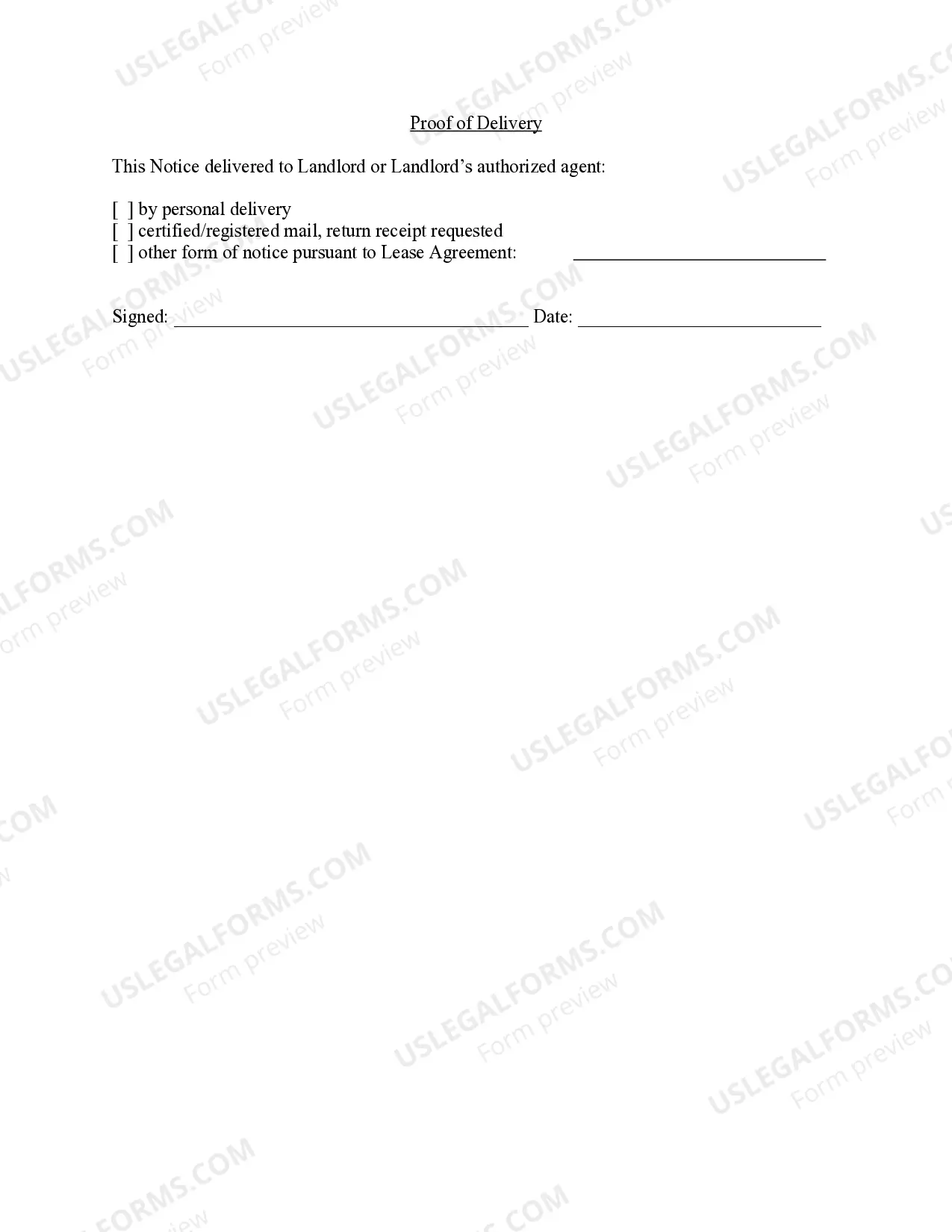
- Instructions for formal delivery of this notice.
- Space for tenant's signature and date.

Common use cases
This form should be used when a tenant has experienced sexual harassment from their landlord. It is appropriate to use this letter if the landlord's behavior has made it difficult for the tenant to feel safe and enjoy their home environment. Sending this letter is a critical step before considering legal action or reporting the harassment to higher authorities.
Who should use this form
This form is intended for:
- Tenants who have experienced sexual harassment from their landlord.
- Individuals seeking to formally document and address inappropriate landlord behavior.
- People who wish to preserve a record of their interactions regarding the harassment.
Steps to complete this form
- Identify the parties by entering the tenant's and landlord's names and addresses.
- Detail the specific harassment incidents to ensure clarity.
- State your demand for the landlord to stop the harassment.
- Sign the letter and include the date of signing.
- Deliver the letter to the landlord in a manner that provides proof of delivery, such as certified mail or personal delivery.
Does this form need to be notarized?
This form usually doesn’t need to be notarized. However, local laws or specific transactions may require it. Our online notarization service, powered by Notarize, lets you complete it remotely through a secure video session, available 24/7.
Get your form ready online
Our built-in tools help you complete, sign, share, and store your documents in one place.
Make edits, fill in missing information, and update formatting in US Legal Forms—just like you would in MS Word.
Download a copy, print it, send it by email, or mail it via USPS—whatever works best for your next step.
Sign and collect signatures with our SignNow integration. Send to multiple recipients, set reminders, and more. Go Premium to unlock E-Sign.
If this form requires notarization, complete it online through a secure video call—no need to meet a notary in person or wait for an appointment.
We protect your documents and personal data by following strict security and privacy standards.

Make edits, fill in missing information, and update formatting in US Legal Forms—just like you would in MS Word.

Download a copy, print it, send it by email, or mail it via USPS—whatever works best for your next step.

Sign and collect signatures with our SignNow integration. Send to multiple recipients, set reminders, and more. Go Premium to unlock E-Sign.

If this form requires notarization, complete it online through a secure video call—no need to meet a notary in person or wait for an appointment.

We protect your documents and personal data by following strict security and privacy standards.
Avoid these common issues
- Failing to include specific details about the harassment.
- Not providing proof of delivery, which is essential for future reference.
- Using informal language when a professional tone is required.
Benefits of using this form online
- Instant access to a professionally drafted template tailored for your situation.
- Easy customization to include relevant details specific to your circumstances.
- Convenient download options that allow for quick delivery to your landlord.
Key takeaways
- This form is vital for notifying your landlord of sexual harassment and demanding it cease.
- Ensure your documentation includes precise details and is delivered properly.
- Understand your legal rights and the importance of keeping records of any harassment.
Looking for another form?



Form popularity
FAQ
Yes, you can break a lease if you are experiencing harassment. In Missouri, tenants have rights that protect them from such situations, and you can take action to ensure your safety. It is essential to document the harassment and consider sending a Missouri Letter from Tenant to Landlord about Sexual Harassment, which outlines your concerns. This letter can serve as a formal notice and help facilitate a resolution.
Yes, you can take action against a landlord for harassment. If your landlord engages in sexual harassment, you can document the incidents and send a formal complaint, such as a Missouri Letter from Tenant to Landlord about Sexual Harassment. Depending on the severity of the situation, you may also consider seeking legal advice or contacting local housing authorities for support.
To write an effective Missouri Letter from Tenant to Landlord about Sexual Harassment, start by clearly stating the issue. Include specific details about the harassment incidents, such as dates and descriptions of the behavior. It is important to express how this behavior affects your living situation. Finally, request a prompt response or action from your landlord to address the issue.
Report the anti social behaviour If you know your neighbour is renting and who from, talk to their landlord first - this might be a private landlord, housing association or the council. If that doesn't sort out the problem you can go to the council if you haven't already talked to them.
Sample Noise Complaint Letter Dear Landlord/Manager's Name, I am writing to formally request your help in dealing with an ongoing issue with my neighbor. I have lived in your apartment number or address for the last three years and have greatly enjoyed my experience in this building.
If you're seeking damages for emotional distress caused by a landlord's discrimination, or punitive damages for especially blatant and intentional discrimination, a lawsuit may well be your best bet. Understand what's involved in suing your landlord. You may file a lawsuit in either federal or state court.
Don't Get into Arguments. Fighting with your landlord will only keep you up at night. Refer to the Lease Agreement. If your landlord is unreasonable about something that you have the right to under the lease agreement, simply refer back to your lease. Take Pictures. Go to the Top.
State that you will be making a complaint. Explain why you are making a complaint and make sure to add your account of the event and other supporting facts. Let the management know what steps you wish to be made to address your complaint. End on a positive tone.
Explain that you are making a complaint. Relate what the complaint is actually about and make sure to include the specific details about the complaint, especially an account of the event. Inform the management of what you wish to be done regarding the complaint that you are making. End on a positive tone.
Keep a log of every encounter you have with your landlord. Write a letter to your landlord asking for the harassment to stop. Ask a witness to be there for landlord interactions.