Minnesota Letter from Landlord to Tenant for Failure to use electrical, plumbing, sanitary, heating, ventilating, air conditioning and other facilities in a reasonable manner
What this document covers
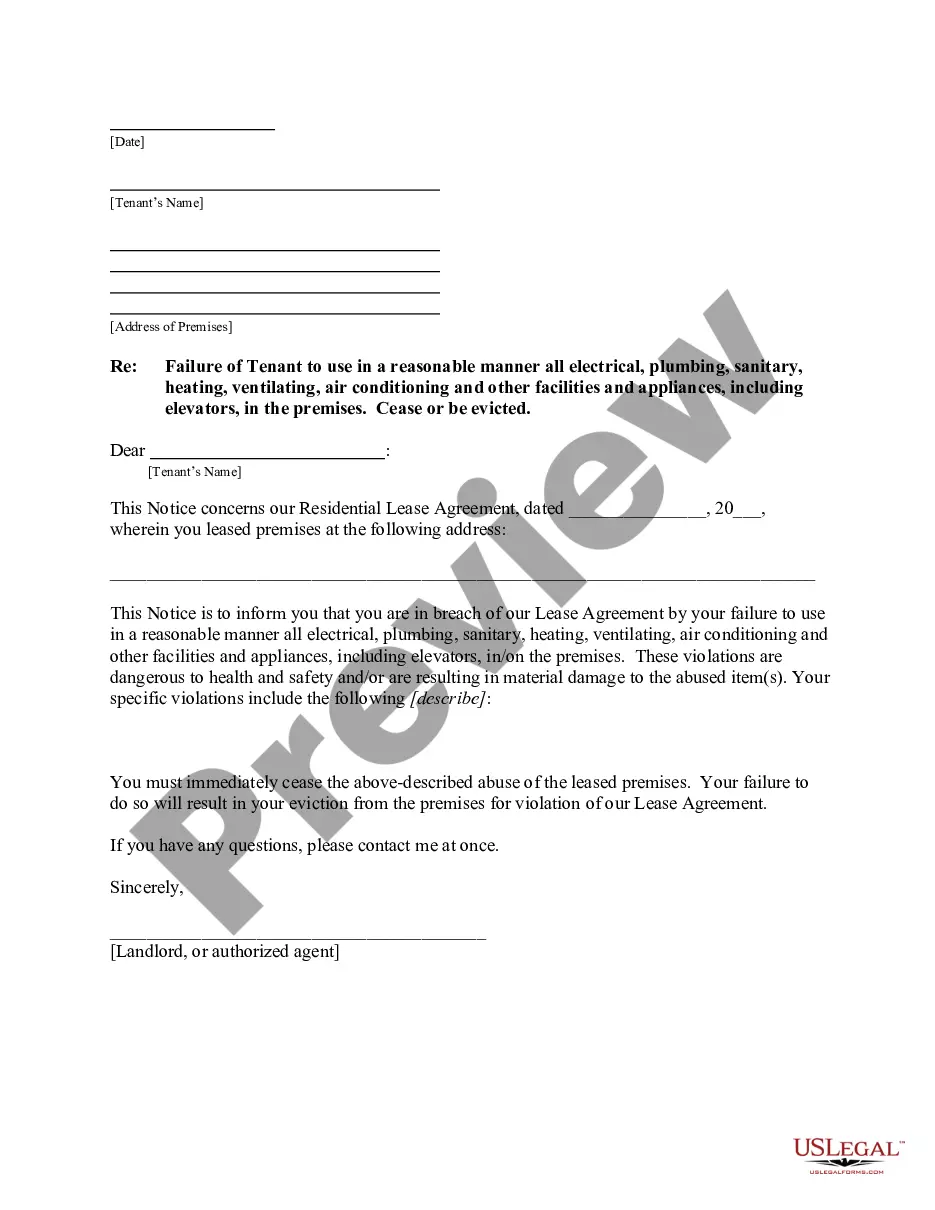
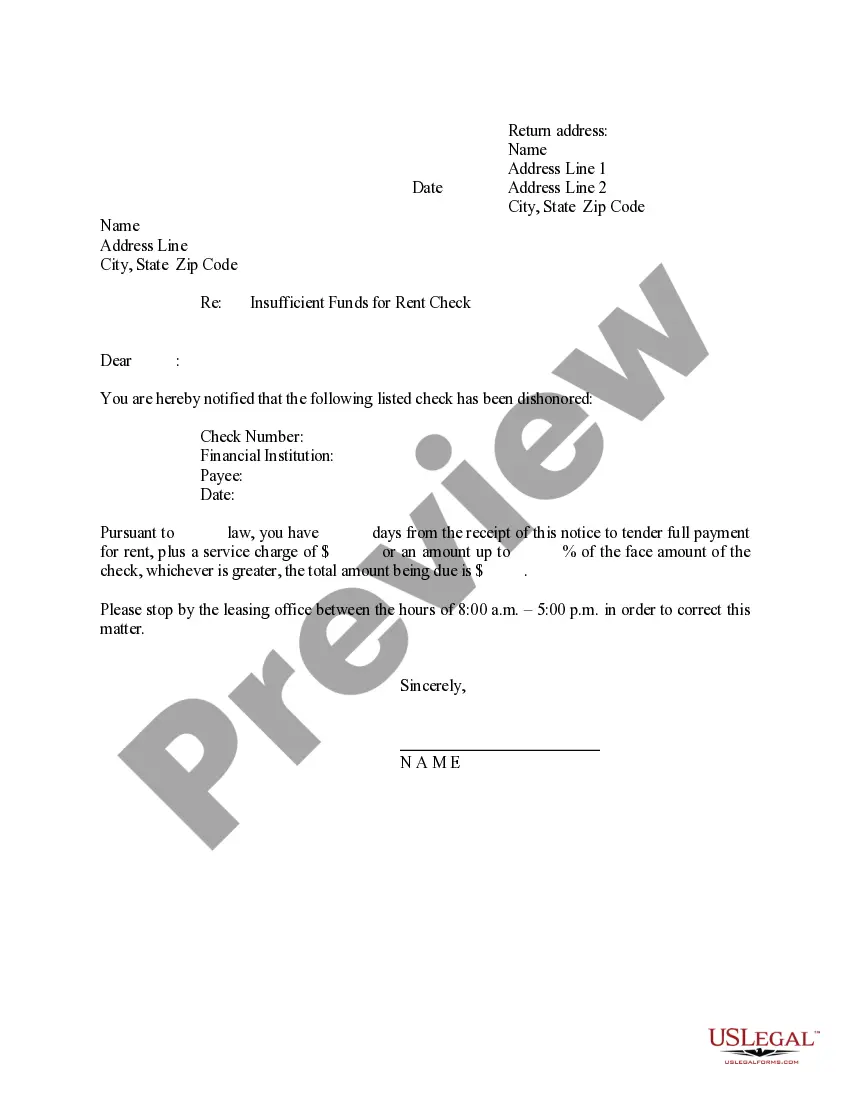
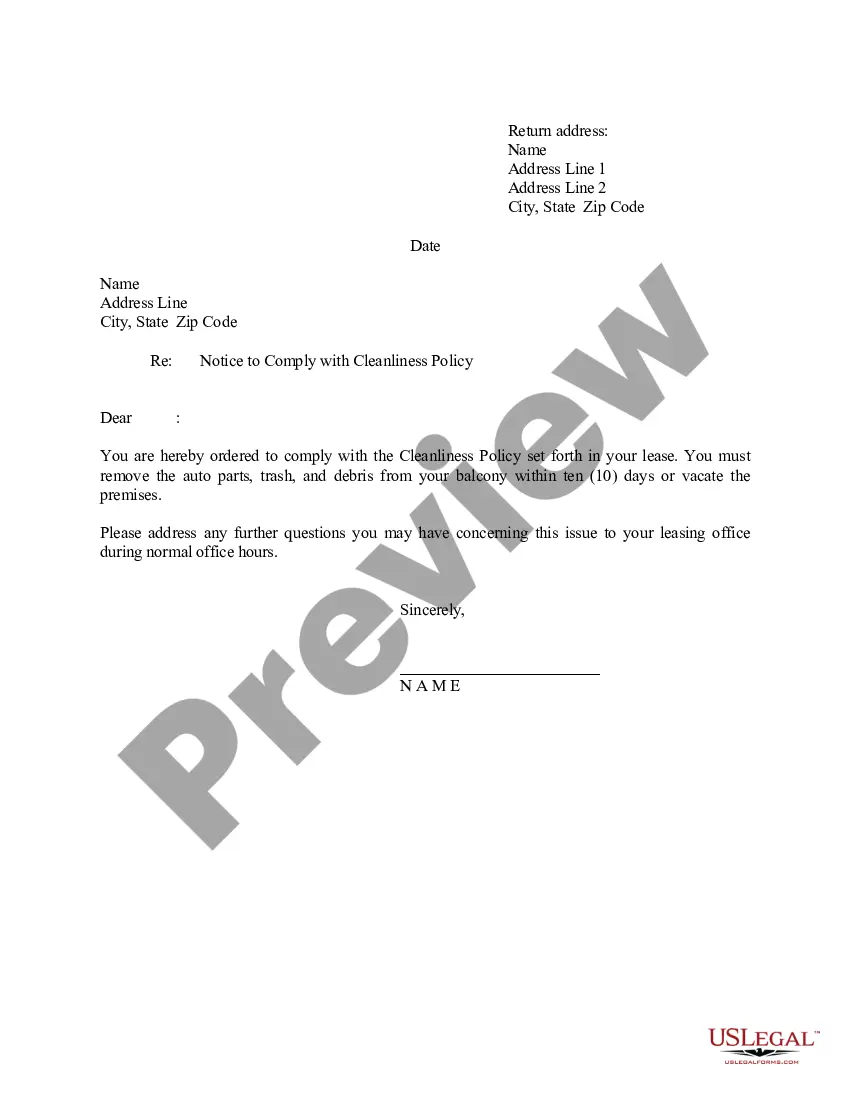
This form is a notice from a landlord to a tenant regarding the improper use of essential facilities and appliances as outlined in the lease agreement. It specifically addresses issues related to the electrical, plumbing, sanitary, heating, ventilating, air conditioning systems, and other facilities. Unlike general notices, this letter serves as a cease or eviction notice, warning the tenant that continued misuse may lead to eviction.
Main sections of this form
- Identification of the landlord and tenant.
- A detailed statement of the violations related to facility usage.
- Instructions for the tenant regarding corrective actions.
- A warning regarding potential eviction if the misuse continues.
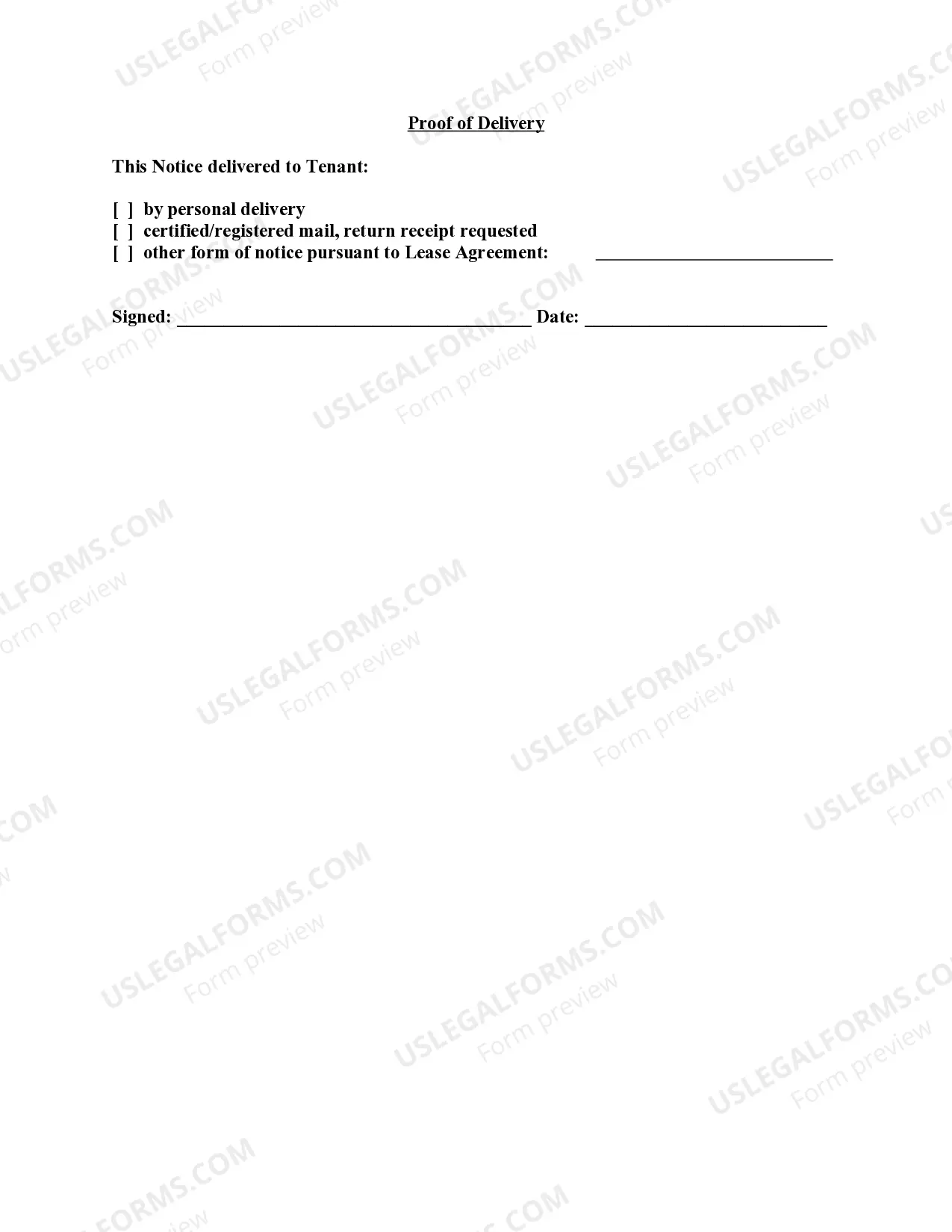
- Proof of delivery method specified (e.g., personal delivery, certified mail).


When to use this document
This form is used when a landlord needs to formally inform a tenant of their failure to use essential facilities properly, as defined in the lease agreement. It is essential when there are ongoing issues that could lead to further legal actions, such as eviction. For example, if a tenant is misusing heating or air conditioning systems, leading to excessive utility costs or damage to property, this notice can be issued.
Who should use this form
- Landlords seeking to enforce the terms of a lease agreement.
- Property managers acting on behalf of landlords.
- Owners of rental properties who need to address tenant misconduct.
Instructions for completing this form
- Identify and enter the parties involved (landlord and tenant) at the top of the form.
- Clearly state the specific failures of the tenant regarding facility usage.
- Provide a deadline or time frame for the tenant to correct the misuse.
- Sign the letter with the landlord's name and title (or authorized agent).
- Select the delivery method for the notice and ensure proof of delivery is noted.
Does this form need to be notarized?
This form does not typically require notarization unless specified by local law. Ensure to check any state-specific regulations that may apply.
Get your form ready online
Our built-in tools help you complete, sign, share, and store your documents in one place.
Make edits, fill in missing information, and update formatting in US Legal Forms—just like you would in MS Word.
Download a copy, print it, send it by email, or mail it via USPS—whatever works best for your next step.
Sign and collect signatures with our SignNow integration. Send to multiple recipients, set reminders, and more. Go Premium to unlock E-Sign.
If this form requires notarization, complete it online through a secure video call—no need to meet a notary in person or wait for an appointment.
We protect your documents and personal data by following strict security and privacy standards.

Make edits, fill in missing information, and update formatting in US Legal Forms—just like you would in MS Word.

Download a copy, print it, send it by email, or mail it via USPS—whatever works best for your next step.

Sign and collect signatures with our SignNow integration. Send to multiple recipients, set reminders, and more. Go Premium to unlock E-Sign.

If this form requires notarization, complete it online through a secure video call—no need to meet a notary in person or wait for an appointment.

We protect your documents and personal data by following strict security and privacy standards.
Mistakes to watch out for
- Failing to specify the exact nature of the tenant's misuse.
- Not including a clear deadline for corrective action.
- Neglecting to proofread for accuracy in names and addresses.
- Overlooking the inclusion of necessary delivery proof.
Advantages of online completion
- Convenient access to legally drafted templates anytime.
- Editable format allows landlords to tailor the letter to specific situations.
- Assurance of using a compliant and professionally drafted document.
- This form serves as formal notification, which is important for legal processes, especially in eviction cases.
- It is essential that the notice is delivered properly to ensure the tenant has received it.
- Each state may have specific rules about how such notices must be issued, so always verify local requirements.
Quick recap
- This form serves as a formal notice of misuse of facilities by the tenant.
- It is an important step before starting eviction procedures.
- Clear communication and documentation are key when addressing tenant violations.
Looking for another form?
Form popularity
FAQ
You can potentially sue your landlord for uninhabitable housing if they neglect necessary repairs. It's important to keep detailed records of the issues and your communications with them. Plus, consider sending a Minnesota Letter from Landlord to Tenant for Failure to use electrical, plumbing, sanitary, heating, ventilating, air conditioning and other facilities in a reasonable manner to formally document your grievances. Legal advice can help you navigate this process.
Yes, you may have grounds to sue your landlord for failing to fix plumbing issues. Before taking legal action, ensure you have documented all communications and attempts to resolve the problem. Sending a Minnesota Letter from Landlord to Tenant for Failure to use electrical, plumbing, sanitary, heating, ventilating, air conditioning and other facilities in a reasonable manner can serve as a formal notice. Consult an attorney to explore your options.
If your landlord is not addressing uninhabitable conditions, document everything and communicate your concerns in writing. Consider sending a Minnesota Letter from Landlord to Tenant for Failure to use electrical, plumbing, sanitary, heating, ventilating, air conditioning and other facilities in a reasonable manner to formally request repairs. If your landlord still fails to act, seek assistance from your local housing authority or legal counsel to understand your rights.
When your rental becomes uninhabitable, it's essential to act quickly. Notify your landlord immediately in writing, outlining the conditions that make the property unsafe. You may need to send a Minnesota Letter from Landlord to Tenant for Failure to use electrical, plumbing, sanitary, heating, ventilating, air conditioning and other facilities in a reasonable manner. If the landlord does not respond, you might have the option to withhold rent or terminate your lease.
If your landlord refuses to make necessary repairs, first communicate your concerns in writing. If that doesn't work, research your rights as a tenant in your state. Sending a Minnesota Letter from Landlord to Tenant for Failure to use electrical, plumbing, sanitary, heating, ventilating, air conditioning and other facilities in a reasonable manner may encourage your landlord to take action. Additionally, consulting a legal professional can help you understand your next steps.
Documenting problems with your rental is crucial for ensuring your rights are protected. Start by taking clear photographs of any issues and maintaining a detailed log of when they occurred. Include dates and any communication with your landlord. This documentation can be beneficial if you need to send a Minnesota Letter from Landlord to Tenant for Failure to use electrical, plumbing, sanitary, heating, ventilating, air conditioning and other facilities in a reasonable manner.
If your landlord fails to address repairs, you may have several options. First, document the issues thoroughly, including dates and photos. In some cases, sending a Minnesota Letter from Landlord to Tenant for Failure to use electrical, plumbing, sanitary, heating, ventilating, air conditioning and other facilities in a reasonable manner can prompt action. If the problem persists, consider seeking legal advice or contacting local housing authorities.
If your rental property becomes uninhabitable, you have several rights, including the right to a habitable living environment. You may request repairs and document any failures with a Minnesota Letter from Landlord to Tenant for Failure to use electrical, plumbing, sanitary, heating, ventilating, air conditioning and other facilities in a reasonable manner. If the landlord does not comply, you may have the right to withhold rent or seek legal remedies. Understanding these rights is essential for safeguarding your living conditions.
In Minnesota, landlords cannot retaliate against tenants for reporting uninhabitable conditions or exercising their legal rights. They must also provide a safe living environment, which includes maintaining essential utilities. If you experience issues related to electrical, plumbing, or heating facilities, a Minnesota Letter from Landlord to Tenant for Failure to use electrical, plumbing, sanitary, heating, ventilating, air conditioning and other facilities in a reasonable manner can help clarify your situation. Knowing your rights enables you to hold landlords accountable.
If a landlord ignores uninhabitable conditions, it is crucial to document the issues in writing. Send a Minnesota Letter from Landlord to Tenant for Failure to use electrical, plumbing, sanitary, heating, ventilating, air conditioning and other facilities in a reasonable manner to formally address your concerns. If the landlord still does not respond, you may consider contacting local housing authorities or seeking legal advice to explore your options. Taking proactive steps can help ensure your rights are protected.