Michigan Warranty Deed from two Individuals to Corporation
What is this form?
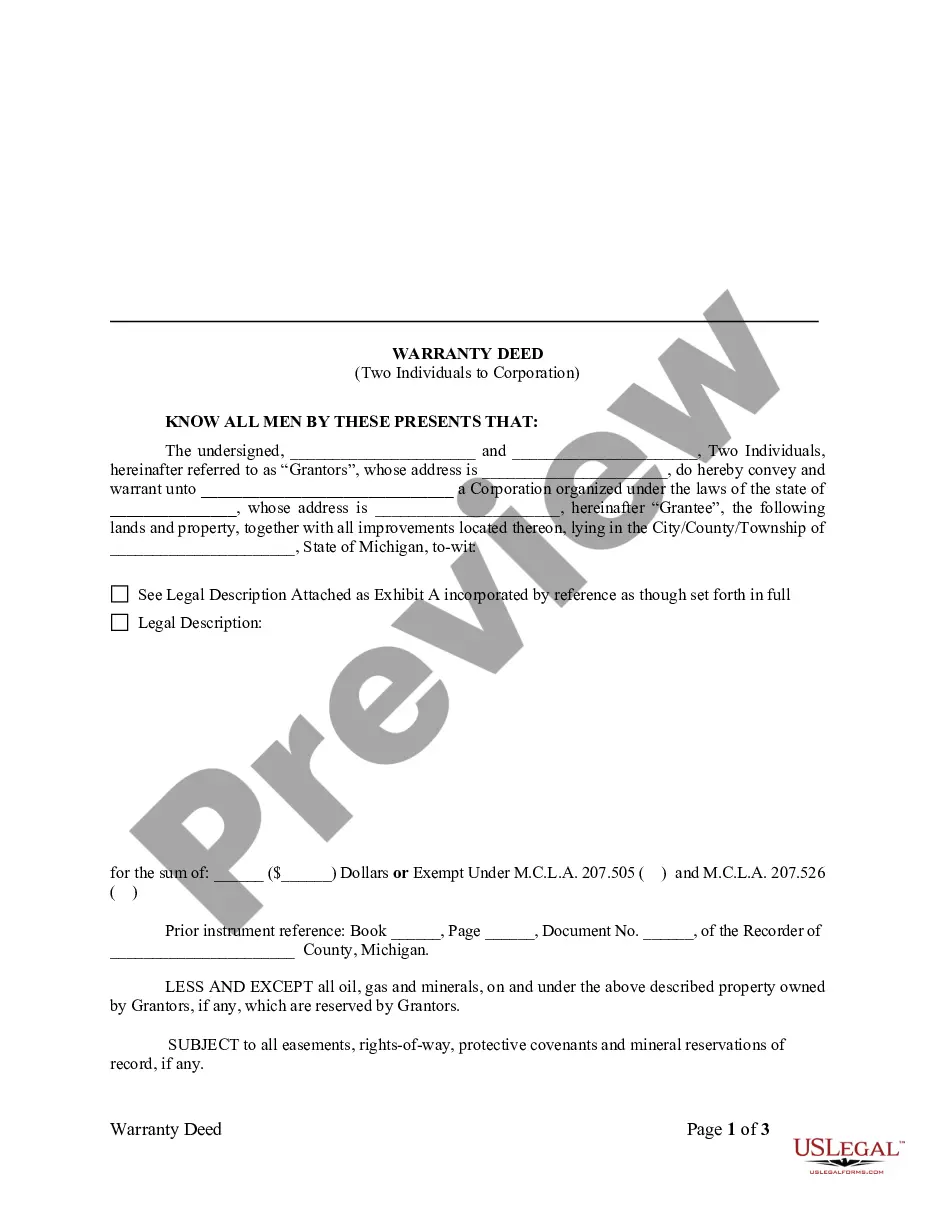
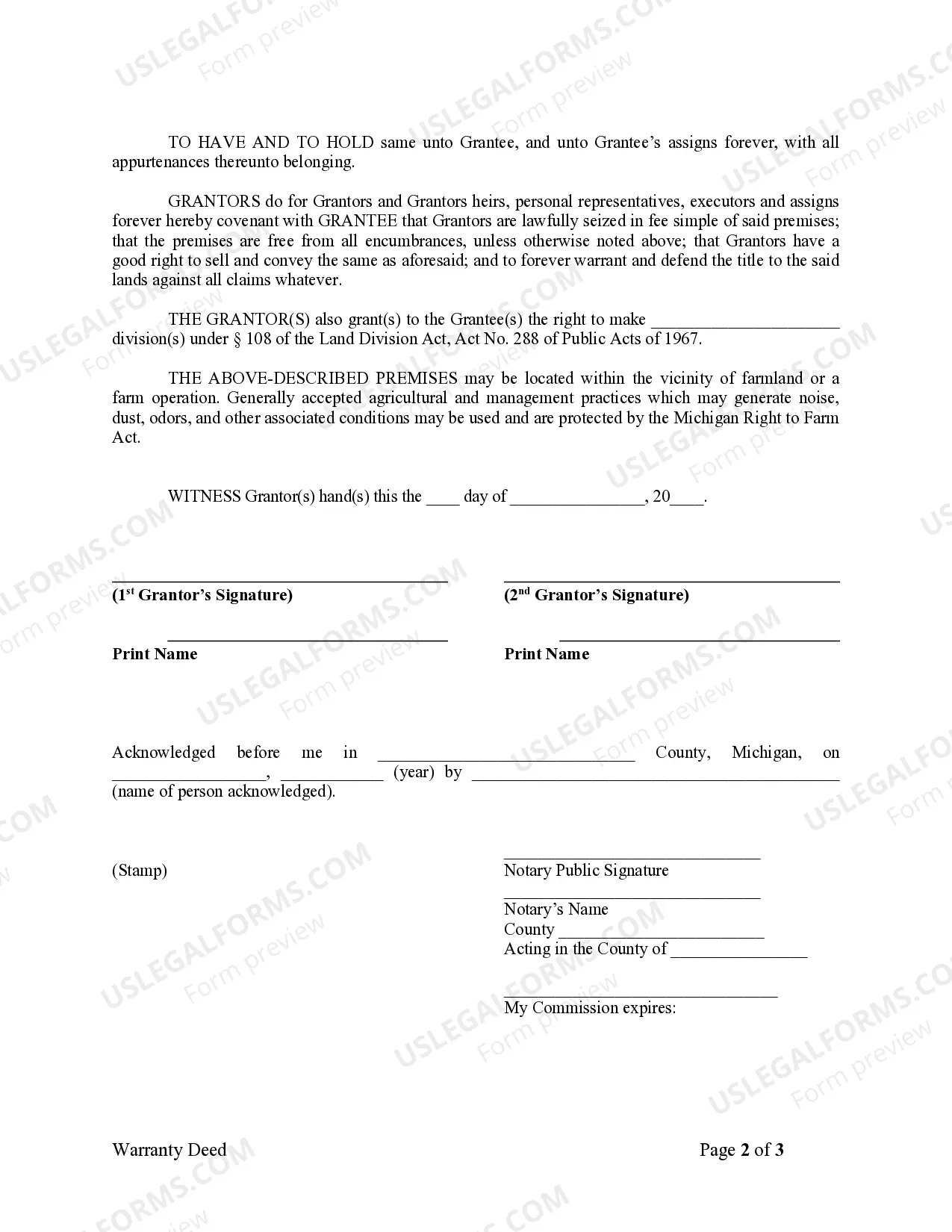
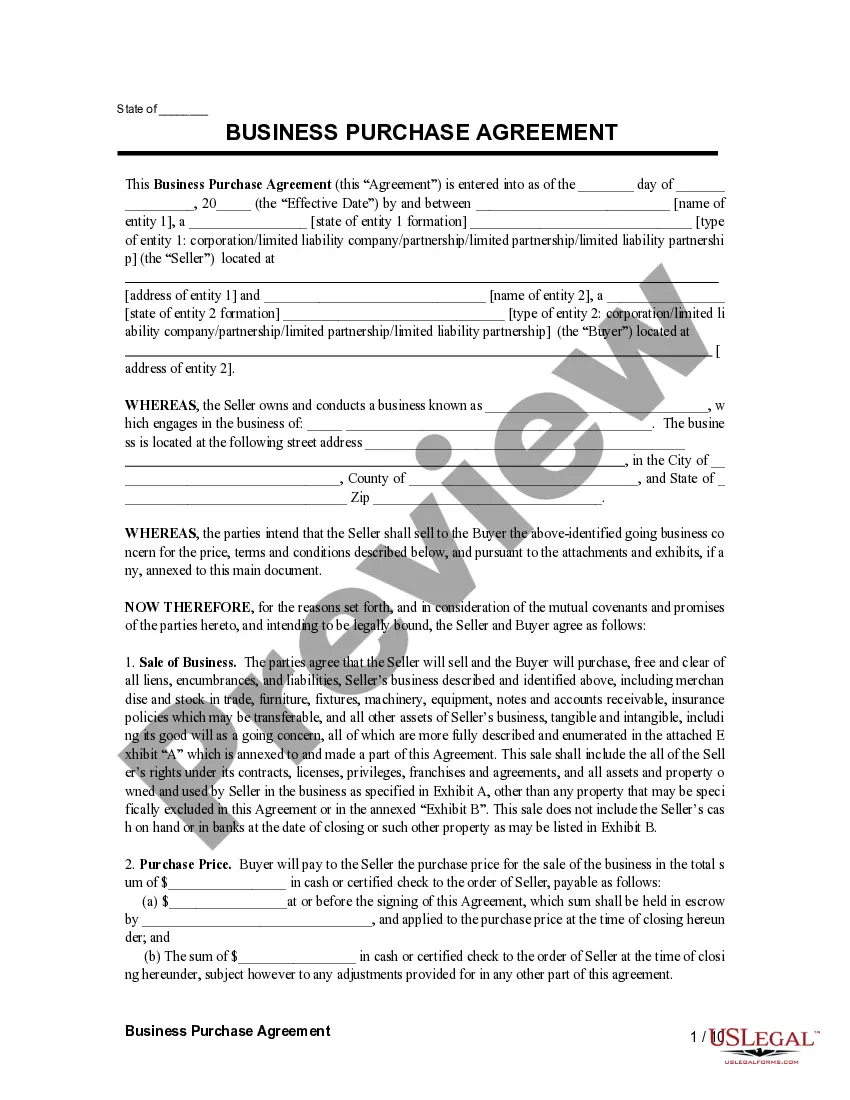
The Warranty Deed from Two Individuals to Corporation is a legal document used to transfer property ownership from two individuals, referred to as Grantors, to a corporation, known as the Grantee. This form ensures that the Grantors convey the property to the Grantee while reserving any rights to oil, gas, and minerals. Unlike other deed types, this warranty deed provides a guarantee that the Grantors hold clear title to the property and can transfer ownership without encumbrances.
Key parts of this document
- Grantors and Grantee: Names and addresses of the two individuals transferring the property and the corporation receiving it.
- Property Description: Detailed legal description of the property being conveyed, including its location.
- Reservations: A clause noting the reservation of oil, gas, and minerals by the Grantors.
- Covenants: Assurances from the Grantors regarding their ownership and the absence of encumbrances.
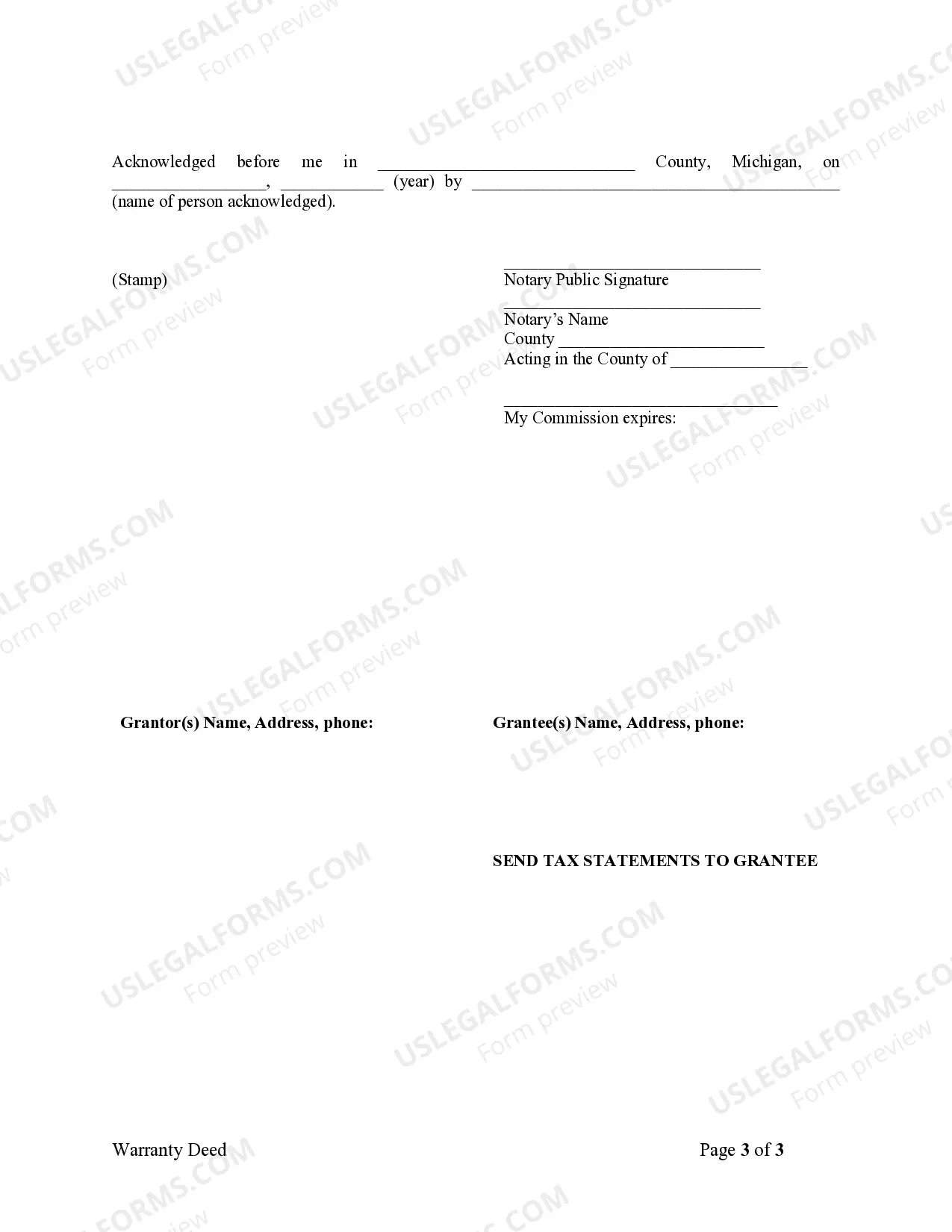
- Notary Information: Signature and details of the notary public who verifies the document.


Situations where this form applies
This form should be used when two individuals want to legally transfer ownership of a property to a corporation. It is suitable in scenarios such as when a partnership is being dissolved, a business is acquiring real estate, or when individual owners wish to formalize the transfer of property to an existing corporate structure. Using this warranty deed helps ensure clear title and legal protection for the corporation receiving the property.
Who this form is for
- Two individuals who currently hold property and wish to transfer ownership to a corporation.
- Corporations looking to acquire real estate from individual owners.
- Legal representatives or real estate attorneys facilitating the transfer process.
Completing this form step by step
- Identify the Grantors: Enter the names and addresses of the two individuals transferring the property.
- Specify the Grantee: Fill in the name and address of the corporation receiving the property.
- Provide the Property Description: Include the legal description of the property in the designated section.
- Detail Reservations: Clearly state any reserved rights, such as oil, gas, and minerals.
- Sign and notarize: Both Grantors must sign the document, and it should be notarized to confirm authenticity.
Notarization guidance
Yes, this form must be notarized to be legally valid. This ensures that the signatures of the Grantors are verified and that the document can be upheld in court if necessary. US Legal Forms offers an integrated online notarization service, providing 24/7 availability through secure video calls, ensuring a seamless process without the need for physical travel.
Get your form ready online
Our built-in tools help you complete, sign, share, and store your documents in one place.
Make edits, fill in missing information, and update formatting in US Legal Forms—just like you would in MS Word.
Download a copy, print it, send it by email, or mail it via USPS—whatever works best for your next step.
Sign and collect signatures with our SignNow integration. Send to multiple recipients, set reminders, and more. Go Premium to unlock E-Sign.
If this form requires notarization, complete it online through a secure video call—no need to meet a notary in person or wait for an appointment.
We protect your documents and personal data by following strict security and privacy standards.

Make edits, fill in missing information, and update formatting in US Legal Forms—just like you would in MS Word.

Download a copy, print it, send it by email, or mail it via USPS—whatever works best for your next step.

Sign and collect signatures with our SignNow integration. Send to multiple recipients, set reminders, and more. Go Premium to unlock E-Sign.

If this form requires notarization, complete it online through a secure video call—no need to meet a notary in person or wait for an appointment.

We protect your documents and personal data by following strict security and privacy standards.
Typical mistakes to avoid
- Failing to include a complete legal description of the property.
- Not clearly stating reservations, which can lead to future disputes.
- Neglecting to have the document notarized, potentially rendering it ineffective.
Why use this form online
- Convenience: Download and complete the form from the comfort of your home.
- Editability: Modify the form as needed before finalizing it.
- Reliability: Access legally vetted templates crafted by licensed attorneys.
Looking for another form?






Form popularity
FAQ
Retrieve your original deed. Get the appropriate deed form. Draft the deed. Sign the deed before a notary. Record the deed with the county recorder. Obtain the new original deed.
To make the form legally binding, you must sign it in front of a notary public. You must then file your signed and notarized deed with the county office that's in charge of recording property documents. Once the grantee signs the warranty deed, he/she legally has ownership and claim to the property.
Adding someone to your house deed requires the filing of a legal form known as a quitclaim deed. When executed and notarized, the quitclaim deed legally overrides the current deed to your home. By filing the quitclaim deed, you can add someone to the title of your home, in effect transferring a share of ownership.
Find the most recent deed to the property. Create the new deed. Sign and notarize the deed. File the deed in the county land records.
If you've recently married and already own a home or other real estate, you may want to add your new spouse to the deed for your property so the two of you own it jointly. To add a spouse to a deed, all you have to do is literally fill out, sign and record a new deed in your county recorder's office.
To add your spouse to your property deed: Have your lawyer do a Michigan Quit Claim Deed for you and then record it with your County's Register of Deeds. If you croak before you get it recorded, your property goes into probate, instead of to your spouse.
In Michigan, a quit claim deed must be signed by a witness, in addition to the notary, to make it legal.After all required signatures are collected and notarized, file the document with your local register of deeds to complete the transaction.
The Tax ID No of both buyer and seller. Notarized Deed of Absolute Sale (DAS)-1 Original copy + 2 photocopies. If you are transferring a house or lot Transfer Certificate of Title (TCT)-duplicate copy.
If you live in a common-law state, you can keep your spouse's name off the title the document that says who owns the property.You can put your spouse on the title without putting them on the mortgage; this would mean that they share ownership of the home but aren't legally responsible for making mortgage payments.