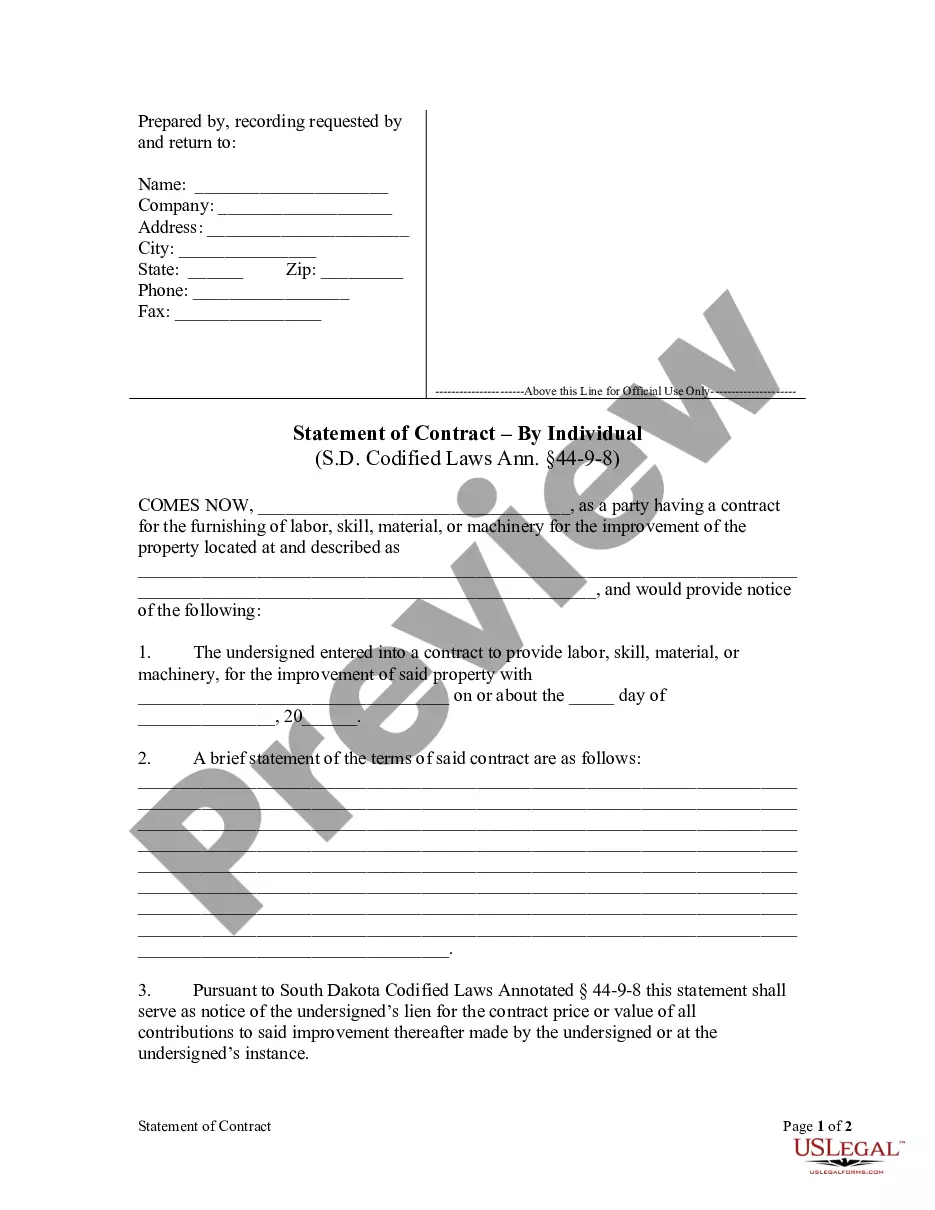
Michigan Warranty Deed from Husband and Wife to a Trust
About this form
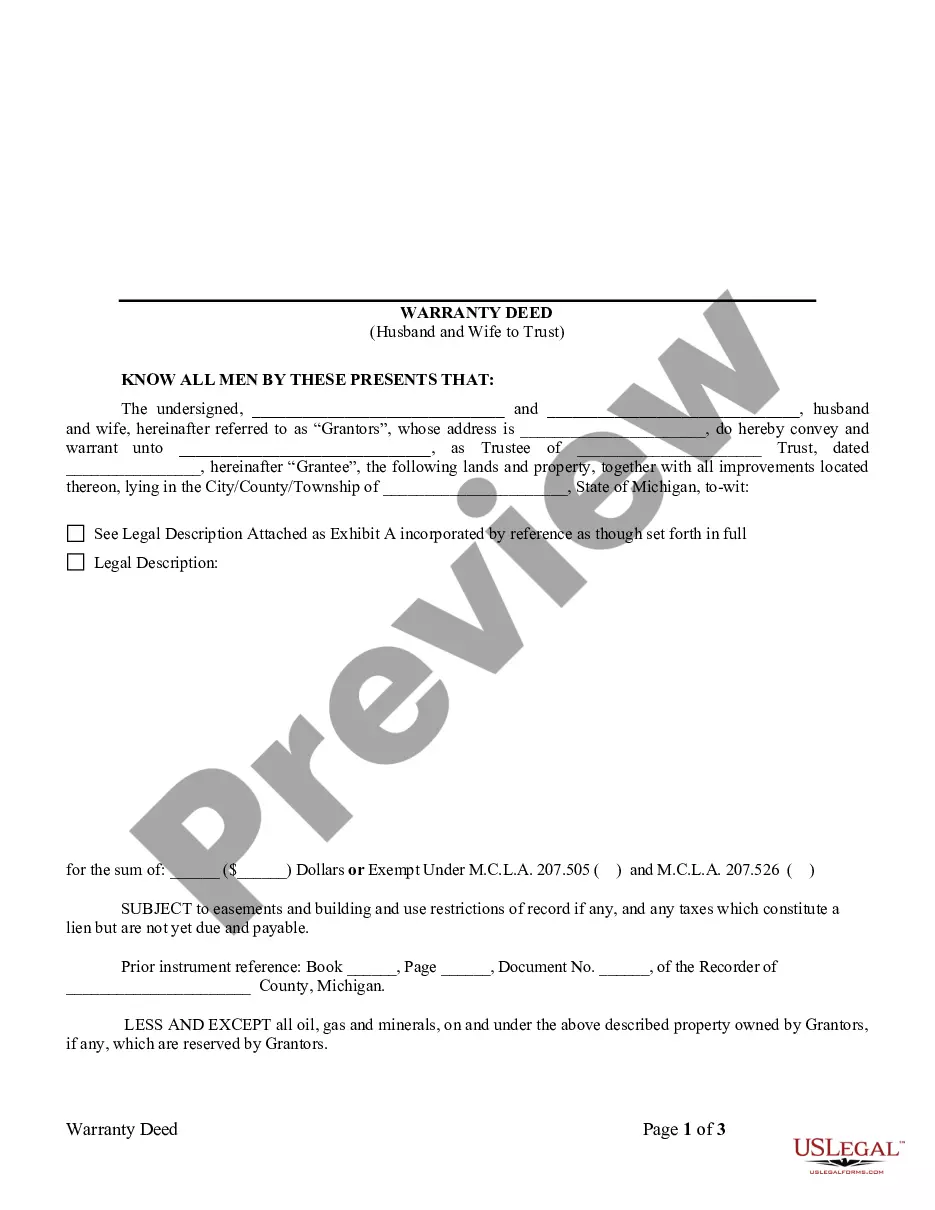
A Warranty Deed from Husband and Wife to a Trust is a legal document that enables a married couple (the grantors) to transfer property ownership to a trust (the grantee). This form guarantees that the grantors have clear title to the property and that it is free from encumbrances, save for any exceptions noted in the deed. Unlike other deeds, this warranty deed specifically provides a warranty on the title, ensuring the trust receives full ownership rights, making it distinct and critical for estate planning purposes.
Key parts of this document
- Names and addresses of the grantors (husband and wife)
- Name of the trust and trustee receiving the property
- Description of the property being transferred
- Reservation of oil, gas, and minerals by the grantors
- Covenants that guarantee the title and free from encumbrances
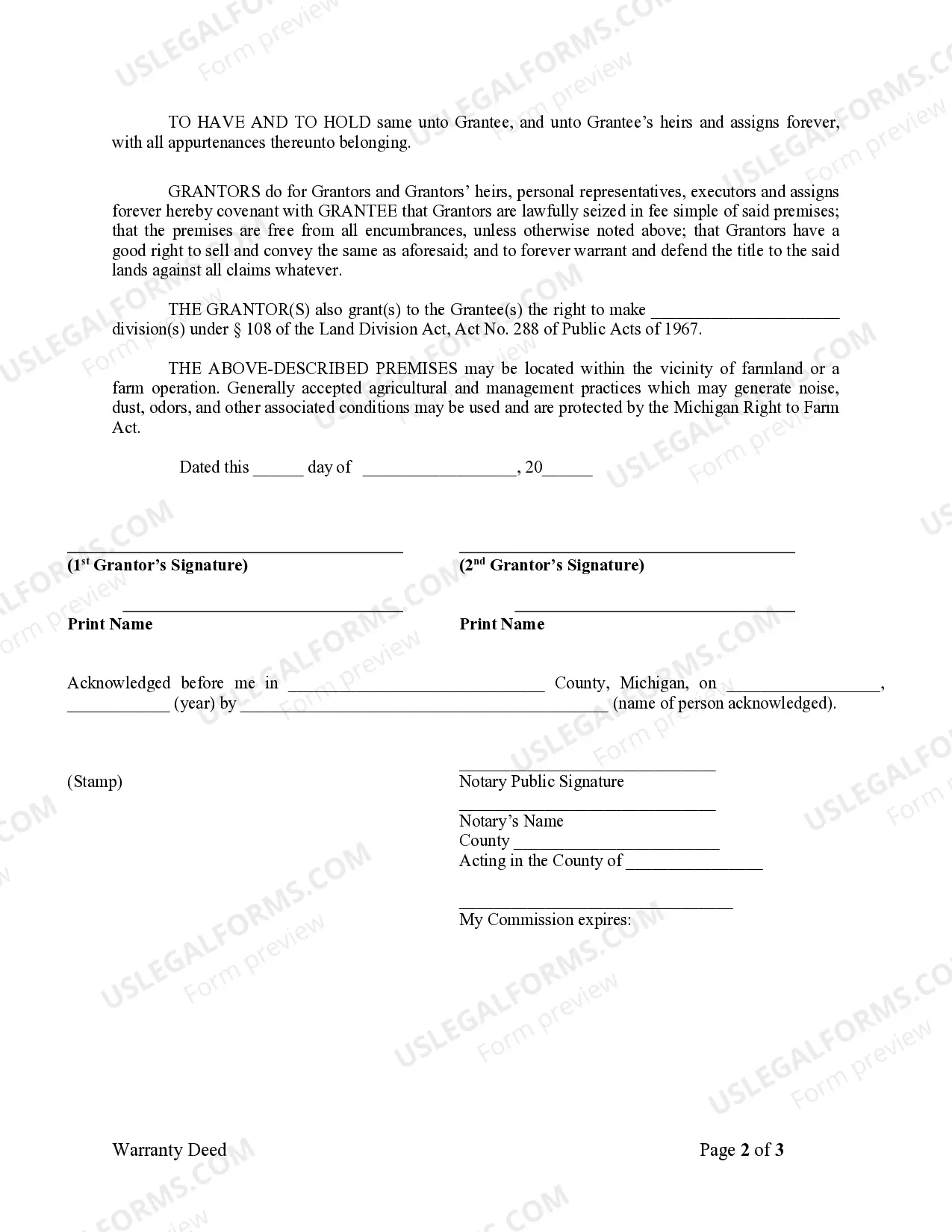
- Notary section for validation





When to use this document
This form is typically used when a married couple wishes to transfer their property into a trust, often as part of estate planning. It ensures that the property is managed according to the trust's terms after the grantors' passing. This transfer may also help in avoiding probate, offering a streamlined process for passing assets to beneficiaries.
Who should use this form
This form is suitable for:
- Married couples looking to transfer real estate into a trust for estate planning
- Individuals managing family estates or planning for future beneficiaries
- Trustees seeking formal documentation of property transfers to the trust
How to complete this form
- Identify the grantors by entering the names and addresses of the husband and wife.
- Specify the trust name and trustee's name that will receive the property.
- Providing a complete legal description of the property being conveyed.
- Note any exceptions, such as oil, gas, and mineral rights reserved by the grantors.
- Include the date of the trust and gather necessary signatures.
- Complete the notary section to notarize the document, if required.
Notarization requirements for this form
Yes, this form must be notarized to be legally valid. Notarization verifies the identity of the signers and the authenticity of their signatures, providing additional assurance for legal transactions. US Legal Forms offers integrated online notarization, allowing you to complete this process conveniently via secure video call, 24/7.
Get your form ready online
Our built-in tools help you complete, sign, share, and store your documents in one place.
Make edits, fill in missing information, and update formatting in US Legal Forms—just like you would in MS Word.
Download a copy, print it, send it by email, or mail it via USPS—whatever works best for your next step.
Sign and collect signatures with our SignNow integration. Send to multiple recipients, set reminders, and more. Go Premium to unlock E-Sign.
If this form requires notarization, complete it online through a secure video call—no need to meet a notary in person or wait for an appointment.
We protect your documents and personal data by following strict security and privacy standards.

Make edits, fill in missing information, and update formatting in US Legal Forms—just like you would in MS Word.

Download a copy, print it, send it by email, or mail it via USPS—whatever works best for your next step.

Sign and collect signatures with our SignNow integration. Send to multiple recipients, set reminders, and more. Go Premium to unlock E-Sign.

If this form requires notarization, complete it online through a secure video call—no need to meet a notary in person or wait for an appointment.

We protect your documents and personal data by following strict security and privacy standards.
Mistakes to watch out for
- Failing to complete the legal description of the property accurately.
- Not identifying all grantors involved in the transaction.
- Omitting necessary signatures or dates from the document.
- Not reserving mineral rights when applicable.
Advantages of online completion
- Convenient access to legal forms that can be downloaded immediately.
- Editability allows users to customize fields as per their requirements.
- Reliability with forms drafted by licensed attorneys to ensure compliance.
Looking for another form?




Form popularity
FAQ
Trustee's deeds convey real estate out of a trust.This type of conveyance is named for the person using the form the trustee who stands in for the beneficiary of the trust and holds title to the property.
A warranty deed guarantees that: The grantor is the rightful owner of the property and has the legal right to transfer the title.The title would withstand third-party claims to ownership of the property. The grantor will do anything to ensure the grantee's title to the property.
Typically, the lender will provide you with a copy of the deed of trust after the closing. The original warranty deeds are often mailed to the grantee after they are recorded. These are your original copies and should be kept in a safe place, such as a fireproof lockbox or a safe deposit box at a financial institution.
A trustee deedsometimes called a deed of trust or a trust deedis a legal document created when someone purchases real estate in a trust deed state, such as California (check your local laws to see what is required in your state). A trust deed is used in place of a mortgage.
A fiduciary deed does not contain the same warranties as a warranty or grant deed. Often it only warranties that the fiduciary acts in an appointed capacity and that signing the deed falls within the authority given him.
Let's start with the definition of a deed: DEED: A written instrument by which one party, the Grantor, conveys the title of ownership in property to another party, the Grantee. A Warranty Deed contains promises, called covenants, that the Grantor makes to the Grantee.
Special warranty deeds do not protect against any mistakes in a free-and-clear title that may exist before the seller's ownership. Thus, the grantor of a special warranty deed is only liable for debts, problems, or other encumbrances to the title that they caused or that happened during their ownership of the property.
A warranty deed protects property owners from future claims that someone else actually owns a portion (or all) of their property, while trustee deeds protect lenders when borrowers default on their mortgage loans.
Fiduciary deeds are just one of several types of deeds used in property transfers. This type is used to transfer property such as real estate when the owner can't sign a deed for legal or other reasons. Fiduciary deeds are commonly employed when settling estates and the original owner of the property is deceased.