Maine Letter from Tenant to Landlord about Insufficient notice of rent increase
What is this form?
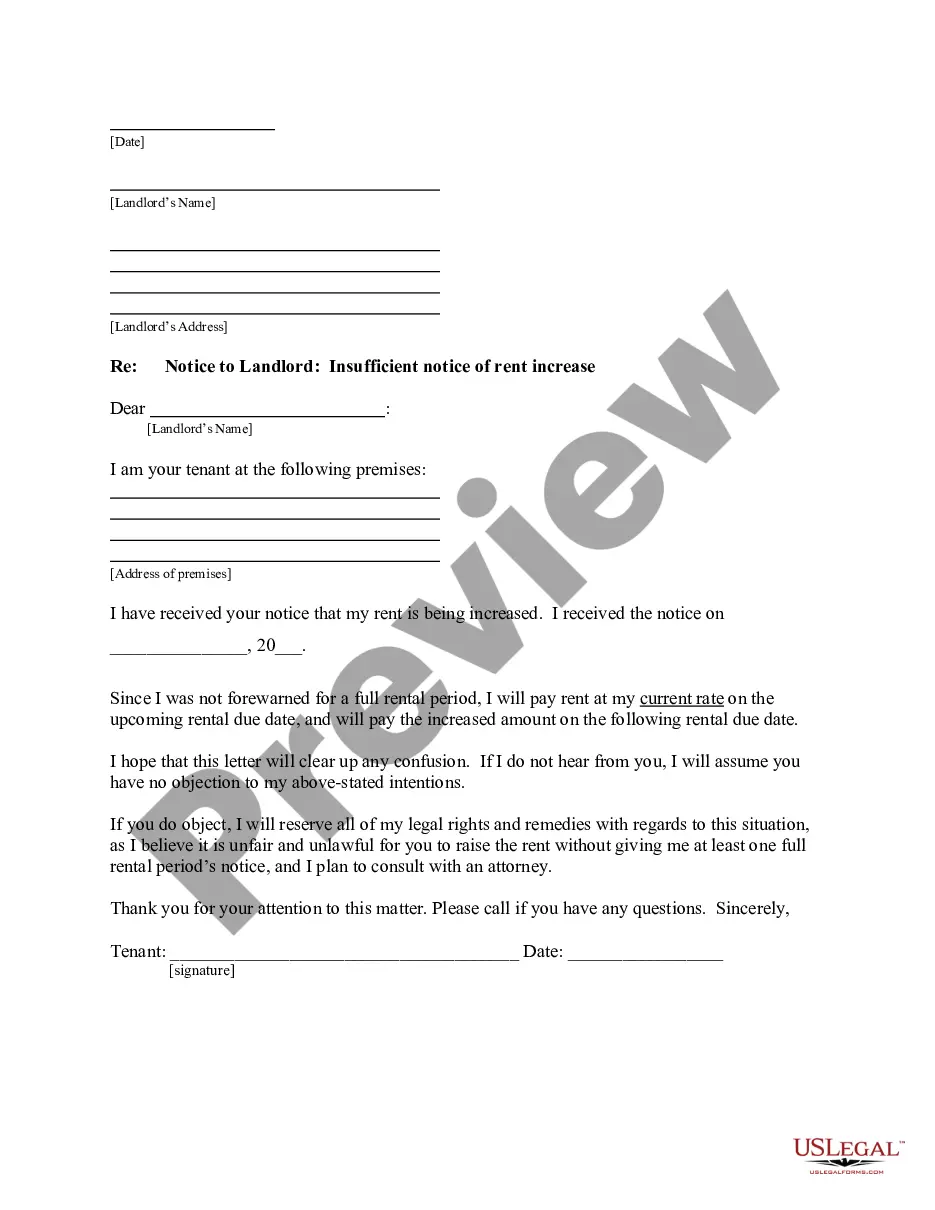
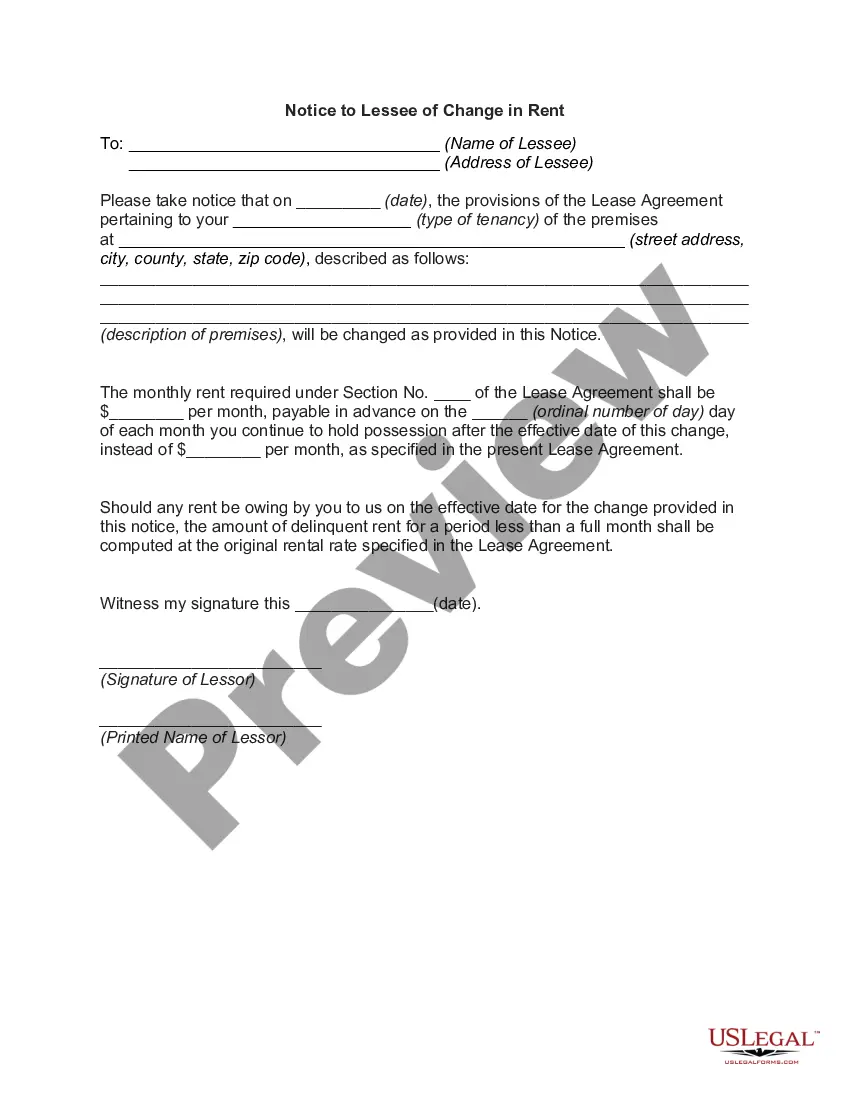
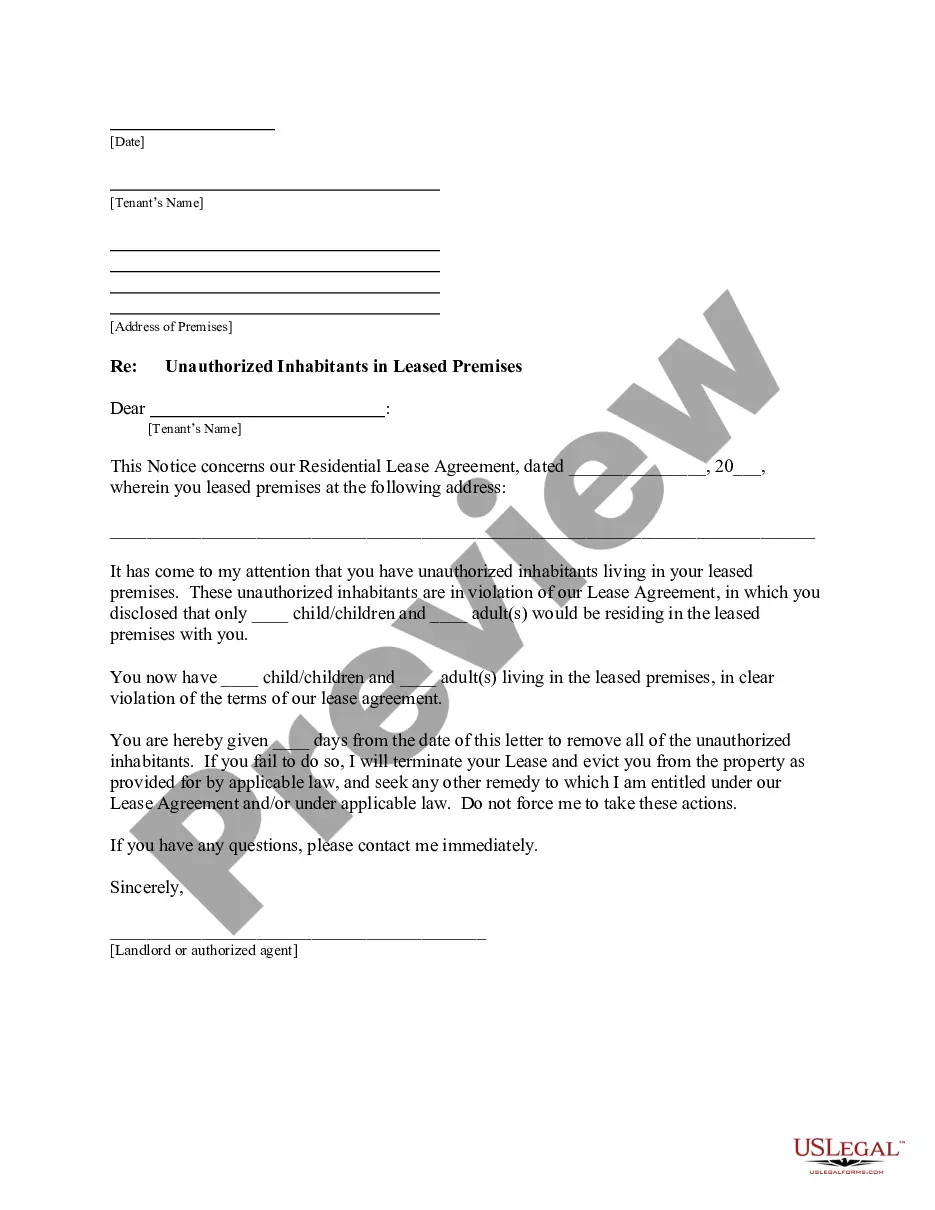
This form is a Letter from Tenant to Landlord about Insufficient Notice of Rent Increase. It notifies the landlord that the tenant did not receive proper notice of a rent increase for a month-to-month lease. This form's primary purpose is to assert the tenant's right to maintain the current rent amount until the appropriate notice period has lapsed, distinguishing it from other tenant-landlord communications regarding rent issues.
Main sections of this form
- Tenant's and landlord's contact information.
- Statement of the tenant's intention to continue paying the current rent rate.
- Clarification of the date when the rent increase will take effect.
- Legal assertion regarding the requirement of proper notice.
- Signature field for the tenant to affirm the letter's contents.
Situations where this form applies
This form is essential when a landlord attempts to increase the rent without providing sufficient notice. Use it when you are currently renting on a month-to-month lease and received an unexpected notice of a rent increase. It is designed to formally address the situation and communicate the tenant's rights and intentions regarding the rent increase.
Who should use this form
- Tenants on a month-to-month lease agreement.
- Tenants who have received insufficient notice about a rent increase.
- Anyone seeking to formally document their position regarding a rent increase.
Steps to complete this form
- Identify the parties: Write the tenant's and landlord's full legal names and addresses.
- State the issue: Clearly mention the insufficient notice of the rent increase.
- Specify the payment details: Indicate that the upcoming rent is to be paid at the current rate.
- Set the date for the rent increase: Mention when the new rent amount will start based on legal notice period.
- Sign and date the letter: Include the tenant's signature and the date of the letter.
Does this document require notarization?
This form does not typically require notarization unless specified by local law. You should check any state-specific requirements that may necessitate notarization for enhanced legal standing.
Get your form ready online
Our built-in tools help you complete, sign, share, and store your documents in one place.
Make edits, fill in missing information, and update formatting in US Legal Forms—just like you would in MS Word.
Download a copy, print it, send it by email, or mail it via USPS—whatever works best for your next step.
Sign and collect signatures with our SignNow integration. Send to multiple recipients, set reminders, and more. Go Premium to unlock E-Sign.
If this form requires notarization, complete it online through a secure video call—no need to meet a notary in person or wait for an appointment.
We protect your documents and personal data by following strict security and privacy standards.

Make edits, fill in missing information, and update formatting in US Legal Forms—just like you would in MS Word.

Download a copy, print it, send it by email, or mail it via USPS—whatever works best for your next step.

Sign and collect signatures with our SignNow integration. Send to multiple recipients, set reminders, and more. Go Premium to unlock E-Sign.

If this form requires notarization, complete it online through a secure video call—no need to meet a notary in person or wait for an appointment.

We protect your documents and personal data by following strict security and privacy standards.
Common mistakes
- Failing to provide the landlordâs correct contact information.
- Not mentioning the specific law or lease terms regarding notice periods.
- Neglecting to keep a copy of the letter for personal records.
Why use this form online
- Convenient access to a legally vetted template.
- Editable format, allowing you to customize the letter as needed.
- Immediate download for timely communication with the landlord.
Legal use & context
- This letter serves to protect tenant rights by documenting the tenant's response to an improper notice.
- Using this form helps clarify communication between landlords and tenants, potentially avoiding further disputes.
What to keep in mind
- Use this letter to formally address insufficient notice of a rent increase.
- Clarify your payment intentions to protect your rights as a tenant.
- Ensure compliance with local laws regarding rent increases.
Looking for another form?

Form popularity
FAQ
A landlord can only increase a unit's rent once every 12 months, beginning January 1 or the date the unit came on the market (whichever is earlier). By how much can a landlord increase rent? to receive a fair rate of return.
State law regulates several rent-related issues, including late fees, the amount of notice (at least 45 days in Maine) landlords must give tenants to raise the rent, and how much time (seven days in Maine) a tenant has to pay rent or move before a landlord can file for eviction.
A landlord can only increase a unit's rent once every 12 months, beginning January 1 or the date the unit came on the market (whichever is earlier).
Renter ResponsibilitiesYou will maintain the property in a clean and habitable condition. You will inform the landlord when issues arise that could harm the value of the property. You will pay for any repairs due to your negligence or misuse of the property.
Maine is a moderately landlord-friendly state as currently there are no rent control policies and are required to provide relatively few essential amenities.
A landlord cannot legally evict you without a court order, whether or not you have a lease.) How long does it take for a landlord to evict a tenant? A landlord can evict a tenant only by going through a formal eviction proceeding, which can take a few weeks from start to finish.
The Tenant Doesn't Make Enough Income. The Tenant Smokes. The Tenant Has a Pet. The Tenant's Income Isn't Verified. The Tenant Has Been Convicted of a Crime. The Tenant Does Not Have Rental History. The Tenant Has a History of Damaging Property and Not Paying Rent. The Tenant Provides False Information.
Rent control.Maine law neither preempts nor enforces rent control policies.
If the landlord prevails in the Maine eviction process, then the court will issue a Writ of Possession in 7 days. Once served, the tenant has only 48-hours to vacate the property.