Maine Buyer's Notice of Intent to Vacate and Surrender Property to Seller under Contract for Deed
What this document covers
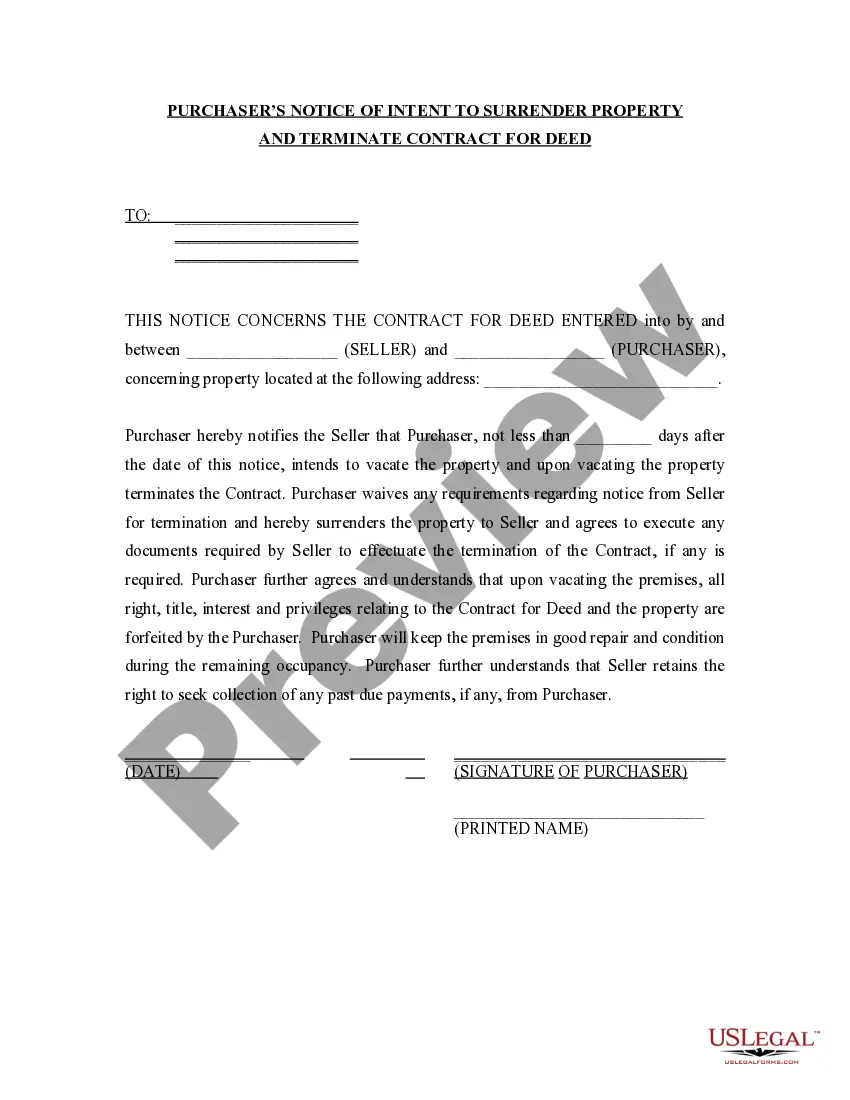
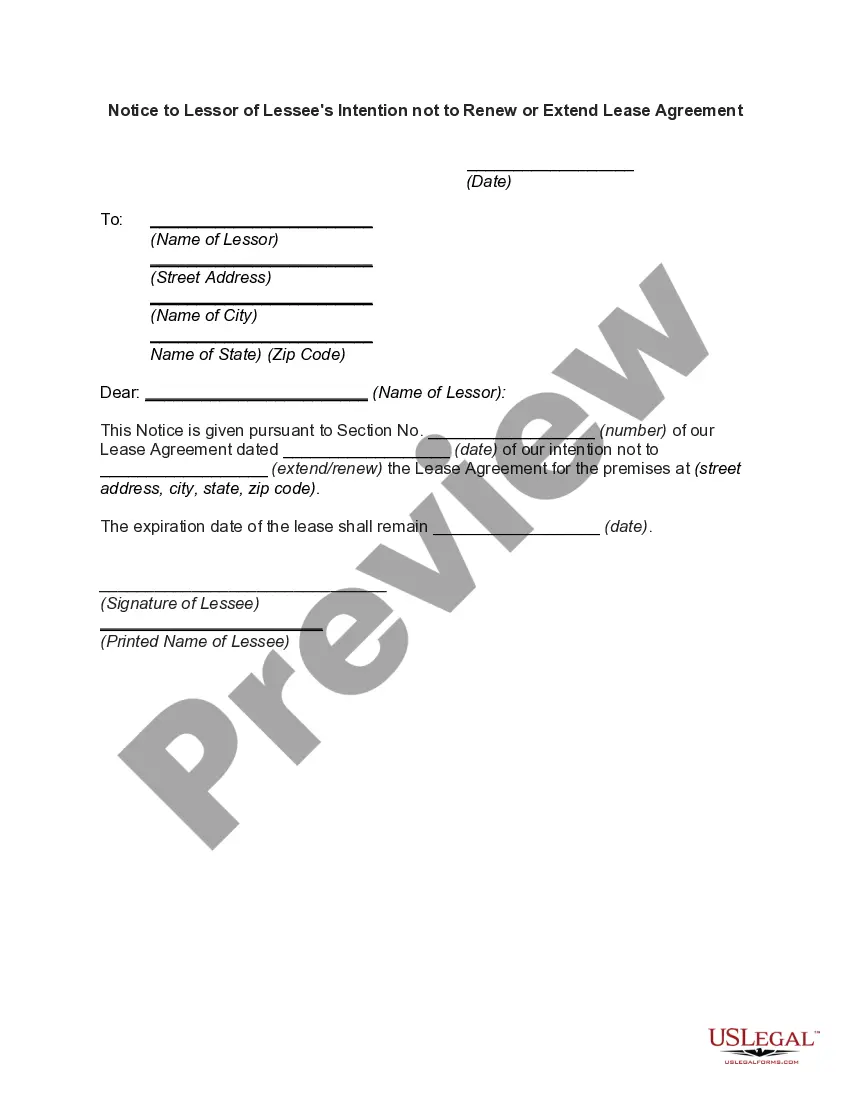
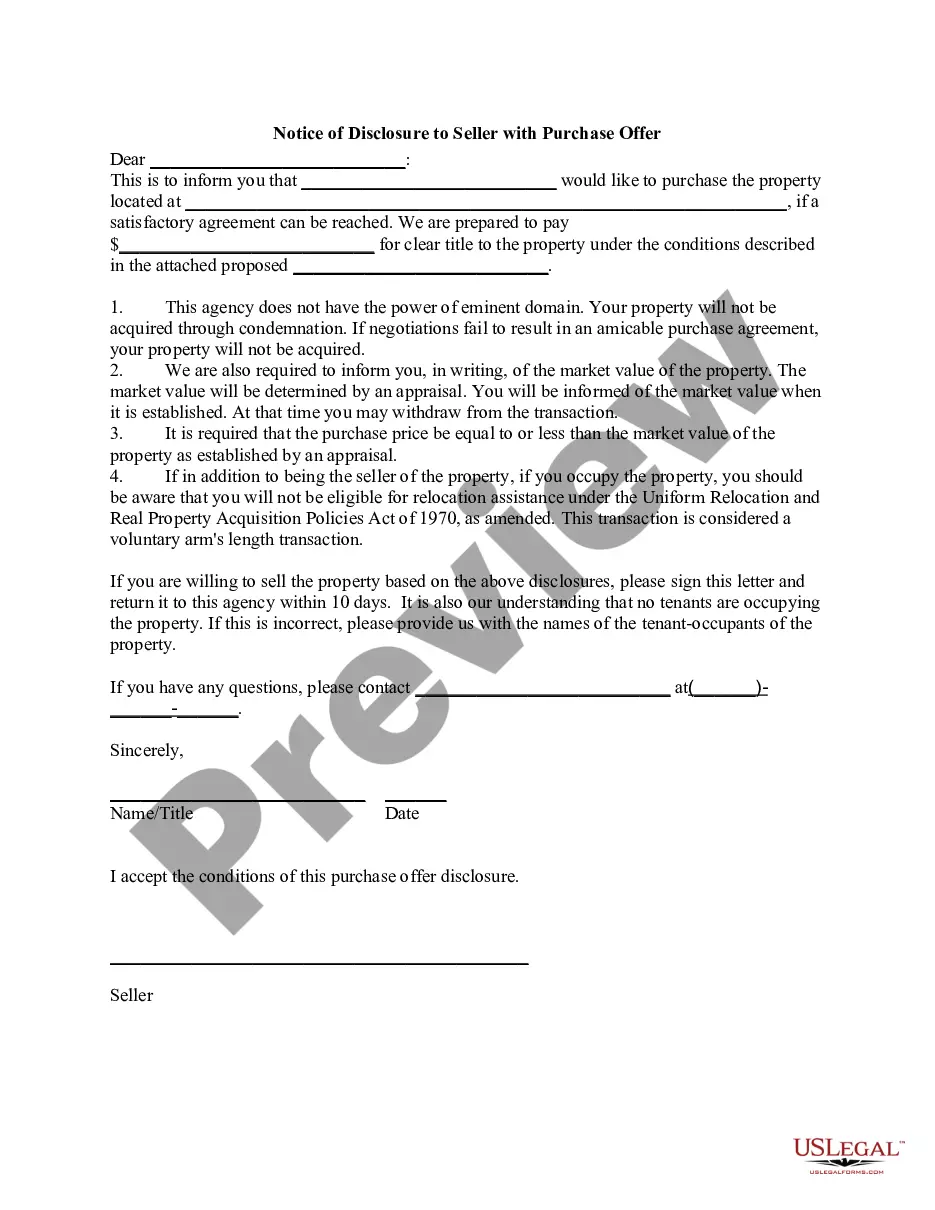
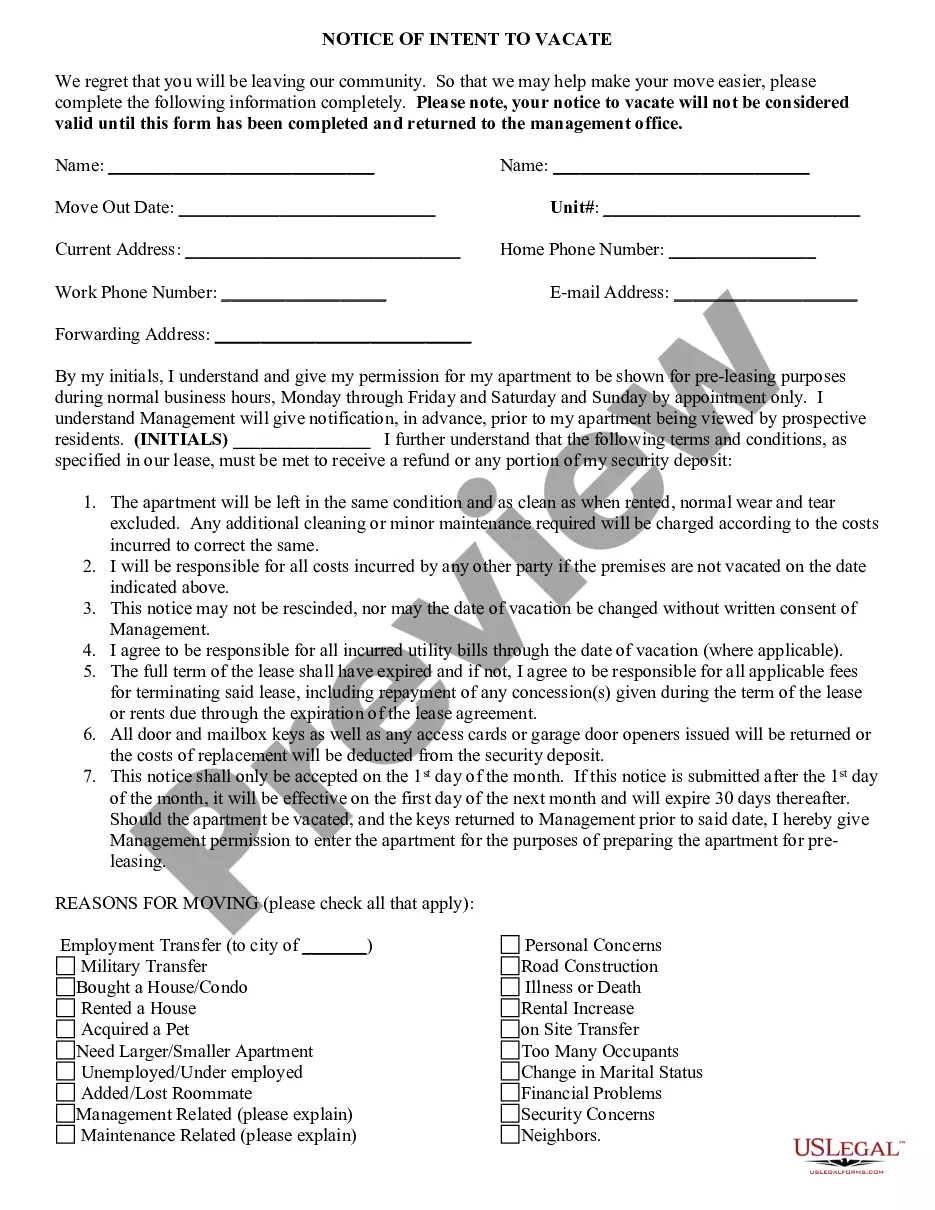
The Buyer's Notice of Intent to Vacate and Surrender Property to Seller under Contract for Deed is a legal document used by purchasers to officially notify the seller of their intention to cease occupancy of a property that is under a contract for deed. This form emphasizes that the purchaser relinquishes all rights and claims related to the property after vacating. Unlike similar notices, this form specifically addresses situations involving a contract for deed, ensuring clarity for both parties involved in the transaction.
Form components explained
- Purchaser's identification: Includes the name and contact details of the buyer.
- Property details: Specifies the address and description of the property involved.
- Intent to vacate statement: Clearly states the purchaser's desire to surrender the property.
- Consequences of vacating: Outlines that all rights associated with the property and contract will be forfeited after vacating.
- Signature section: Provides space for the purchaser to sign and date the notice.
When to use this form
This form is typically used when a purchaser wishes to formally notify the seller that they are leaving the property under a contract for deed arrangement. It may be necessary in situations where the buyer is unable or unwilling to continue payments, or wants to clarify their position regarding occupancy and rights to the property. Use this form to ensure the seller is informed and to establish a clear record of the purchaser's intent.
Intended users of this form
- Homebuyers who have entered into a contract for deed.
- Individuals intending to vacate a property they purchased under a contract for deed.
- Property sellers wishing to receive formal notice from purchasers regarding their intent to leave.
- Real estate professionals assisting clients with properties under contract for deed arrangements.
Completing this form step by step
- Identify the parties: Provide full names and contact information for both the purchaser and seller.
- Specify the property: Include the complete address and a description of the property being vacated.
- State intent: Clearly articulate your intention to vacate and surrender the property.
- Review consequences: Acknowledge understanding of forfeiting all rights associated with the property.
- Sign and date: Ensure that the purchaser signs and dates the notice to validate it.
Does this document require notarization?
This form does not typically require notarization unless specified by local law. However, checking local regulations is advisable to ensure compliance with any specific requirements.
Get your form ready online
Our built-in tools help you complete, sign, share, and store your documents in one place.
Make edits, fill in missing information, and update formatting in US Legal Forms—just like you would in MS Word.
Download a copy, print it, send it by email, or mail it via USPS—whatever works best for your next step.
Sign and collect signatures with our SignNow integration. Send to multiple recipients, set reminders, and more. Go Premium to unlock E-Sign.
If this form requires notarization, complete it online through a secure video call—no need to meet a notary in person or wait for an appointment.
We protect your documents and personal data by following strict security and privacy standards.

Make edits, fill in missing information, and update formatting in US Legal Forms—just like you would in MS Word.

Download a copy, print it, send it by email, or mail it via USPS—whatever works best for your next step.

Sign and collect signatures with our SignNow integration. Send to multiple recipients, set reminders, and more. Go Premium to unlock E-Sign.

If this form requires notarization, complete it online through a secure video call—no need to meet a notary in person or wait for an appointment.

We protect your documents and personal data by following strict security and privacy standards.
Common mistakes to avoid
- Failing to provide accurate property details, leading to potential disputes.
- Not signing or dating the notice, which may render it invalid.
- Overlooking to inform the seller in a timely manner, which can complicate the eviction process.
Benefits of using this form online
- Immediate access: Download the form instantly without waiting times.
- Editability: Customize the form with your information easily before printing.
- Legal assurance: Forms are drafted by licensed attorneys to ensure compliance with legal standards.
Looking for another form?

Form popularity
FAQ
The most obvious result of the Hundred Years' War was to make both France and England determined to avoid the revival of such a struggle, in which both sides had squandered their manpower and resources utterly without profit. In both countries rulers and populace alike avidly turned their energies to other projects.
But on 17 July 1453, his army was disastrously defeated at Castillon and Talbot himself killed. Soon after, with Bordeaux once more in French hands, there was nothing left of the former English territories in France, bar Calais. The war was effectively over, even though it would not officially end for many years yet.
After a hiatus, Henry V of England renewed the war and proved victorious at Agincourt (1415), conquered Normandy (1417-1418), and then attempted to have himself crowned as the future king of France by the Treaty of Troyes (1420).
At Tours in May 1444, Suffolk (William de la Pole) promised to surrender Maine in exchange for a two2010year truce and Henry was betrothed to Margaret of Anjou, niece of Charles VII of France. The break in hostilities lasted only until 1449 when Charles attacked Normandy.
End of the War The French were inspired by Joan of Arc's leadership and sacrifice. They continued to fight back. They pushed the English army out of France taking Bordeaux in 1453 signaling the end of the Hundred Years War.
Then, the struggle see-saws back and forth. In the 1360s, the French are winning. From 1415-1422, the English are winning. After 1415, King Henry V of England revives the campaign and he conquers large portions of France, winning extraordinary political concessions.
A long conflict inevitably ensued, in which the French kings steadily reduced and weakened the Angevin empire. This struggle, which could well be termed the First Hundred Years' War, was ended by the Treaty of Paris between Henry III of England and Louis IX of France, which was finally ratified in December 1259.
The immediate causes of the Hundred Years War were the dissatisfaction of Edward III of England with the nonfulfillment by Philip VI of France of his pledges to restore a part of Guienne taken by Charles IV; the English attempts to control Flanders, an important market for English wool and a source of cloth; and