Maryland Quitclaim Deed from Husband and Wife to Three Individuals as Joint Tenants
What is this form?
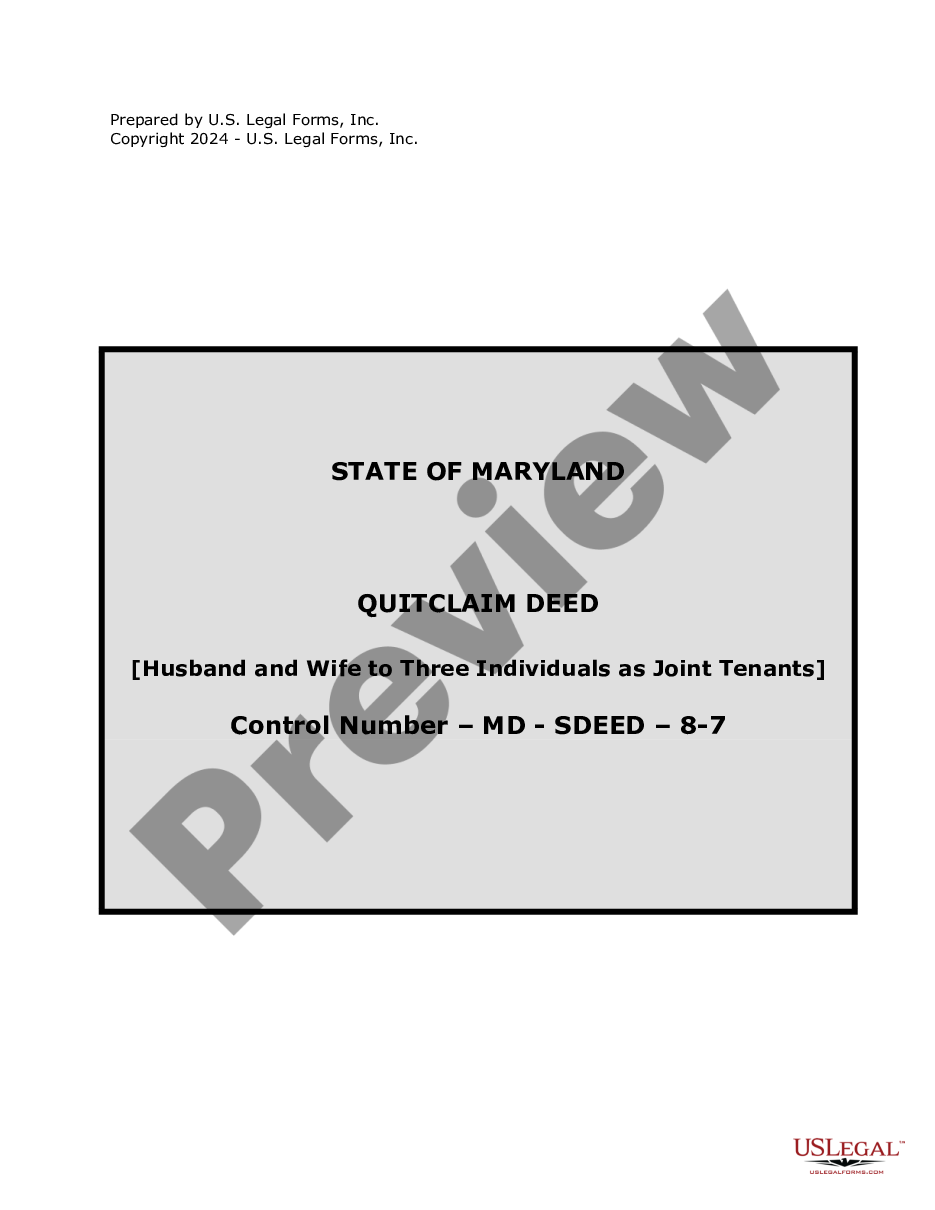
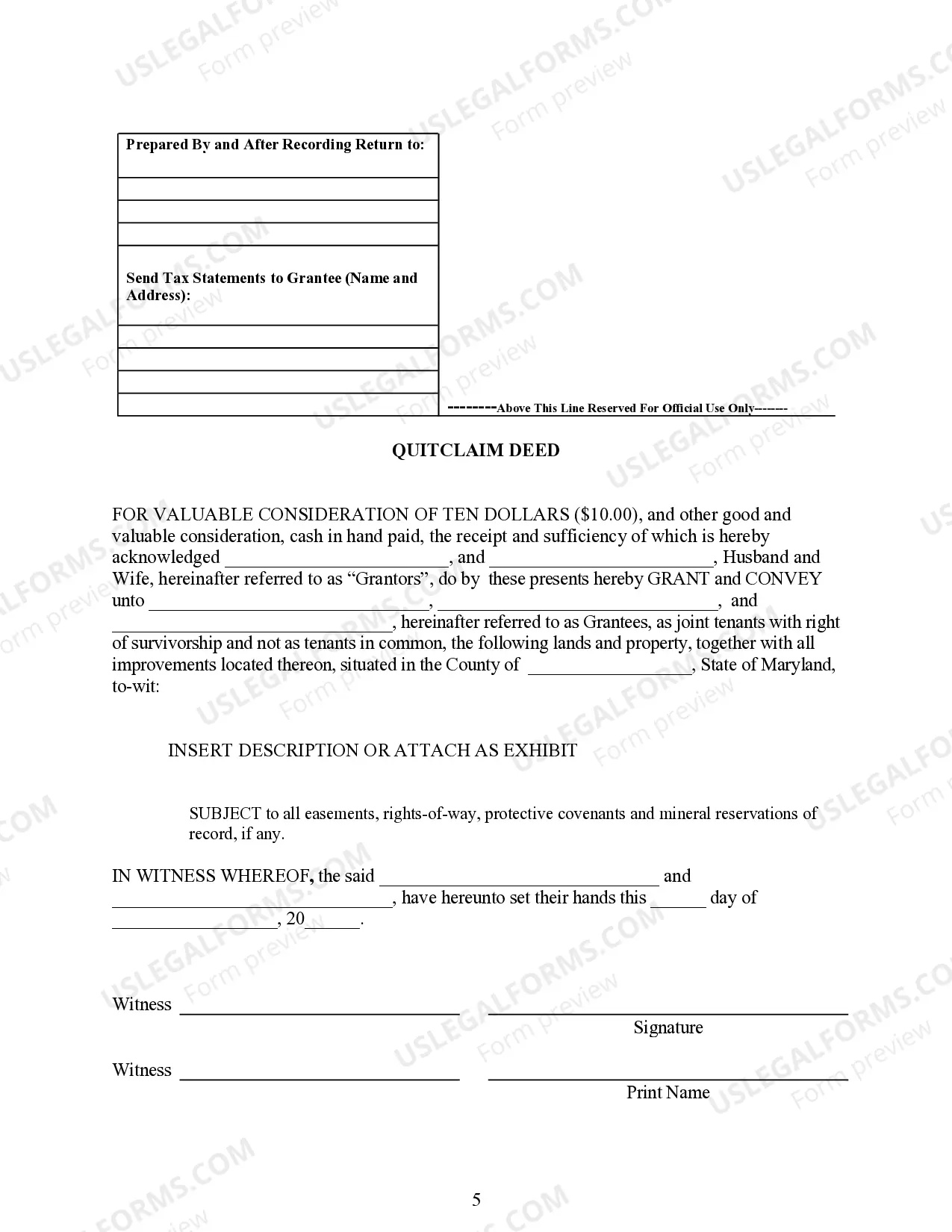
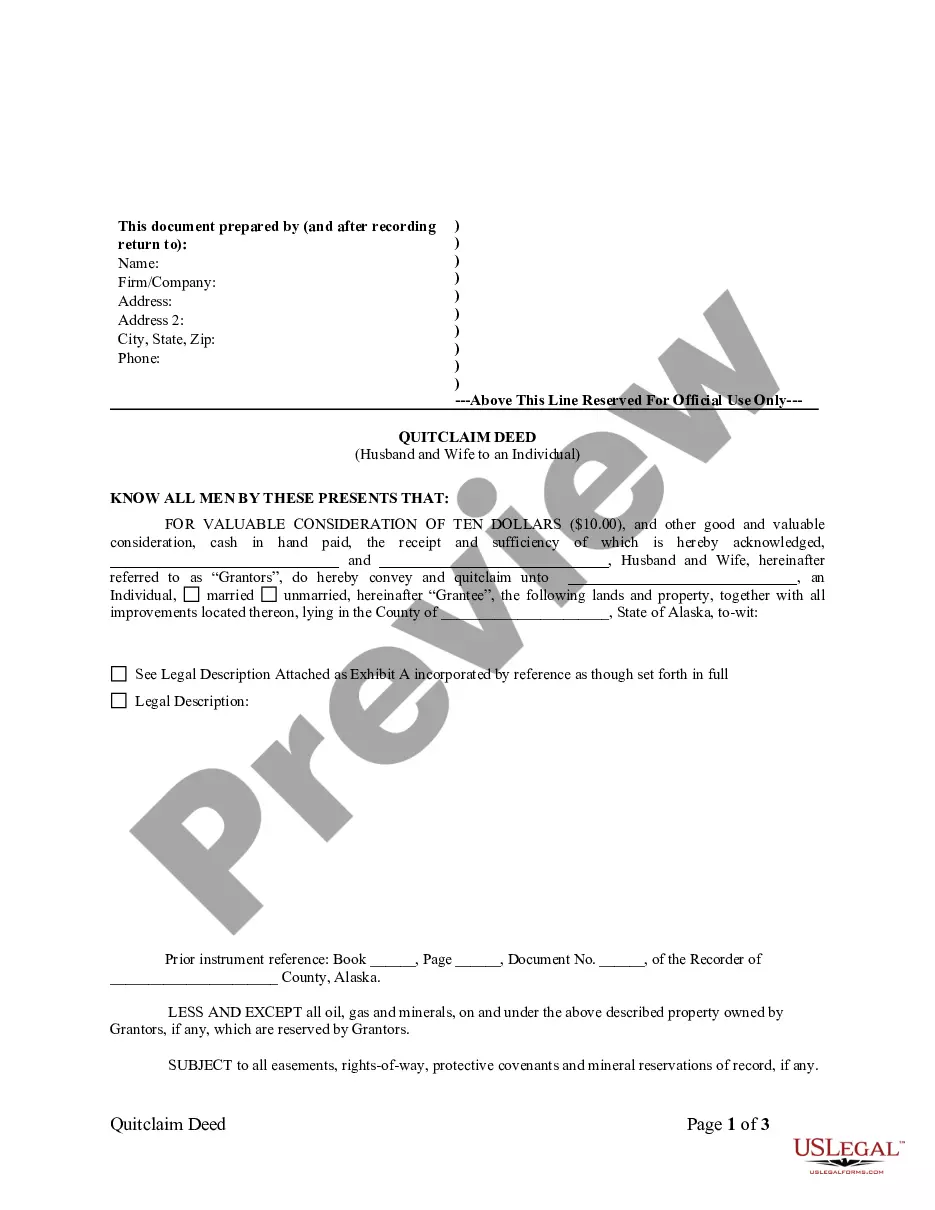
The Quitclaim Deed from Husband and Wife to Three Individuals as Joint Tenants is a legal document used to transfer ownership of property from a married couple (the grantors) to multiple individuals (the grantees) who will hold the property as joint tenants. This form is specifically designed to ensure clarity in the transfer and establish the rights of the owners. Unlike other deed types, a quitclaim deed does not guarantee that the grantors hold clear title to the property, making it essential for situations where the parties have a previously established trust or relationship regarding the property.
Main sections of this form
- Parties involved: Includes the full names of the husband and wife as grantors and the three individuals as grantees.
- Property description: Specifies the real estate being transferred, including its legal description.
- Consideration: Indicates the monetary consideration (often a nominal amount) for the property transfer.
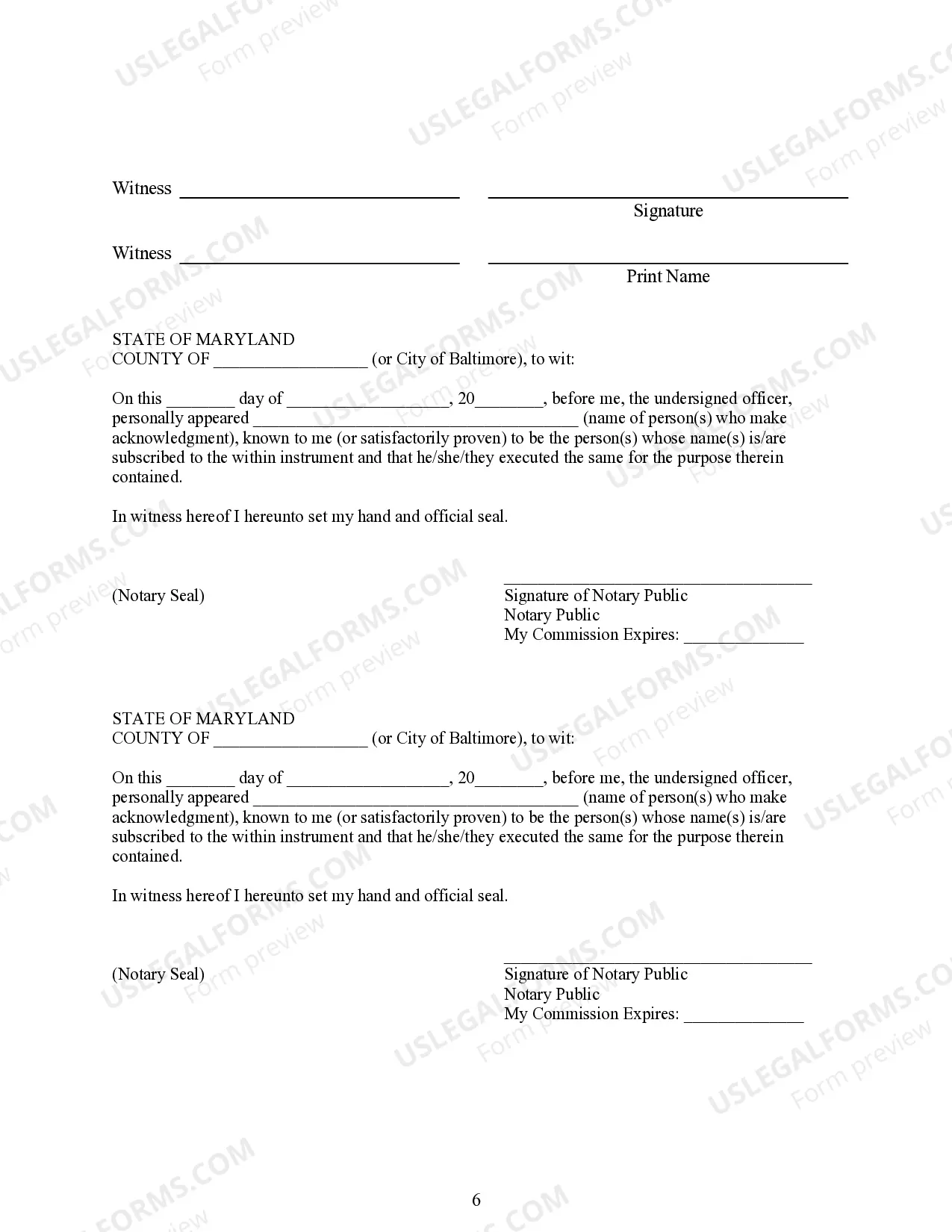
- Witness and notary sections: Requires signatures from witnesses and a notary public to validate the document.
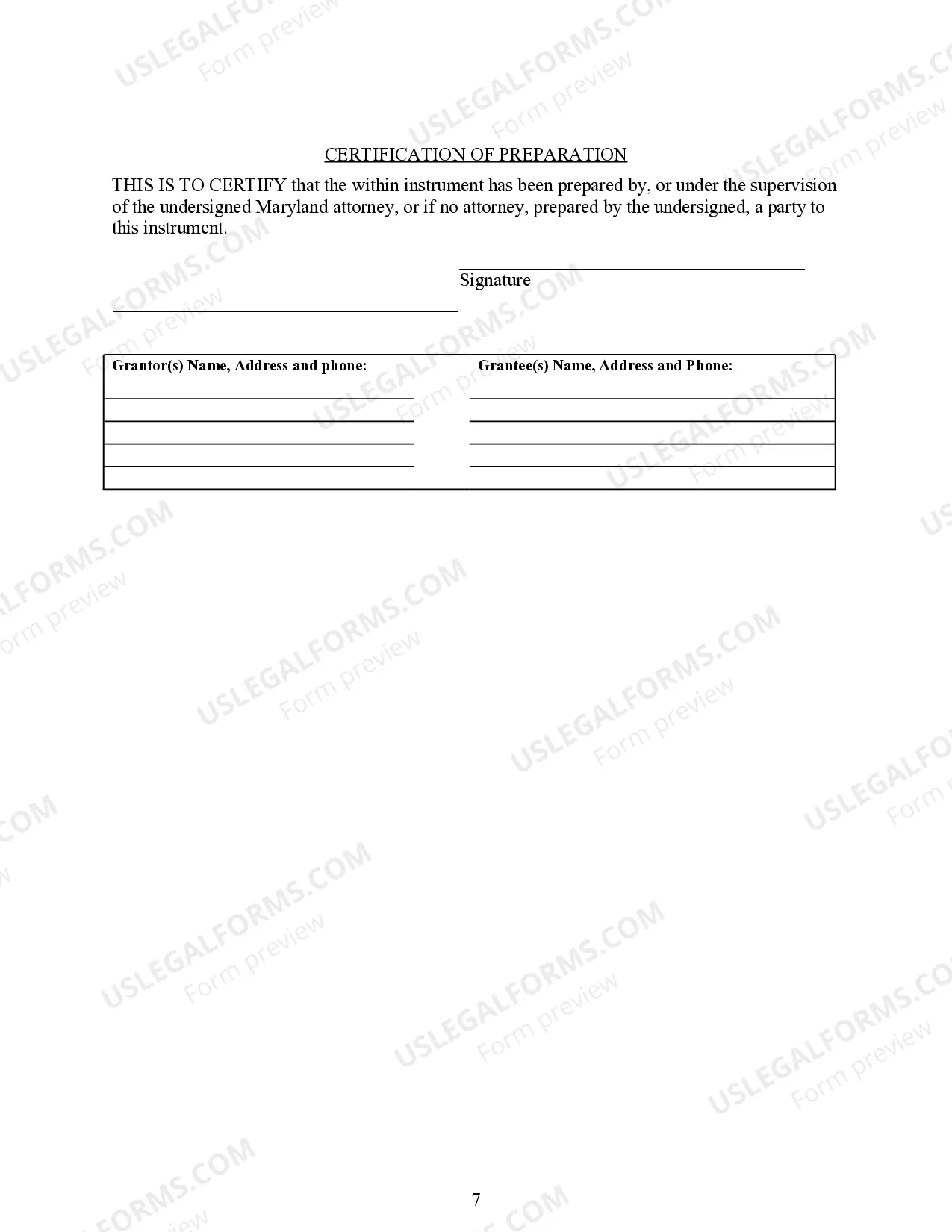
- Certification of preparation: Confirms that the document was prepared by a qualified individual or attorney.





Common use cases
This form is used when a husband and wife wish to transfer ownership of their property to three individuals as joint tenants. This may occur during family estate planning, property gifts among trusted friends or family, or in situations where the couple intends to ensure that the property automatically transfers to the surviving joint tenant(s) upon their death.
Intended users of this form
- Married couples looking to convey property to multiple individuals.
- Families engaging in estate planning or gifting property among trusted parties.
- Individuals familiar with the significance of joint tenancy and its implications for property rights.
Completing this form step by step
- Identify the parties: Fill in the names of the husband and wife as grantors and the three individuals as grantees.
- Specify the property: Include a detailed legal description of the property being transferred.
- Enter consideration: State the amount of consideration agreed upon for the property transfer.
- Gather signatures: Ensure that all parties sign the document in the presence of witnesses and a notary public.
- File the deed: Submit the completed deed along with any required county forms to the appropriate local government office.
Does this form need to be notarized?
This form must be notarized to be legally valid. US Legal Forms provides secure online notarization powered by Notarize, allowing you to complete the process through a verified video call.
Get your form ready online
Our built-in tools help you complete, sign, share, and store your documents in one place.
Make edits, fill in missing information, and update formatting in US Legal Forms—just like you would in MS Word.
Download a copy, print it, send it by email, or mail it via USPS—whatever works best for your next step.
Sign and collect signatures with our SignNow integration. Send to multiple recipients, set reminders, and more. Go Premium to unlock E-Sign.
If this form requires notarization, complete it online through a secure video call—no need to meet a notary in person or wait for an appointment.
We protect your documents and personal data by following strict security and privacy standards.

Make edits, fill in missing information, and update formatting in US Legal Forms—just like you would in MS Word.

Download a copy, print it, send it by email, or mail it via USPS—whatever works best for your next step.

Sign and collect signatures with our SignNow integration. Send to multiple recipients, set reminders, and more. Go Premium to unlock E-Sign.

If this form requires notarization, complete it online through a secure video call—no need to meet a notary in person or wait for an appointment.

We protect your documents and personal data by following strict security and privacy standards.
Common mistakes to avoid
- Failing to provide a thorough property description, which can lead to disputes over the property being transferred.
- Omitting witnesses or notarization, making the deed invalid for legal purposes.
- Not consulting local laws, resulting in improperly completed forms or filings.
- Using the form without understanding the implications of joint tenancy and the rights of all parties involved.
Advantages of online completion
- Convenience: Download and complete the form from anywhere, without the need for an in-person visit to a legal office.
- Editability: Fill in specific fields digitally, ensuring clarity and reducing errors.
- Reliable templates: Use forms crafted by licensed attorneys, ensuring compliance with state laws.
Main things to remember
- The Quitclaim Deed transfers property ownership without warranty.
- It is important for both spouses to sign the form.
- Joint tenancy allows for automatic transfer of property rights upon death.
- A notary public must validate the document for it to be effective in Maryland.
Looking for another form?


Form popularity
FAQ
For example, joint tenants must all take title simultaneously from the same deed while tenants in common can come into ownership at different times. Another difference is that joint tenants all own equal shares of the property, proportionate to the number of joint tenants involved.
As with the tenancy-in-common, a joint tenancy can exist in three or more people. Obviously, each party must have an interest that is equal to one divided by the total number of joint tenants. If one of the joint tenants dies, the others share his or her interest and they remain joint tenants with each other.
In order to transfer ownership of the marital home pursuant to a divorce, one spouse is going to need to sign a quitclaim deed, interspousal transfer deed, or a grant deed, in order to convey the title to the property.
A Yes, you will have to draw up new wills if you decide to own your home as tenants in common by severing your joint tenancy.
The following applies to joint tenancy and to tenancy in common. Up to four people can be named as legal owners. If there are more than four owners then ownership is through the device of a trust. The additional owners (and there can be any number) can be named as beneficiaries of the resulting trust for sale.
When one joint owner (called a joint tenant, though it has nothing to do with renting) dies, the surviving owners automatically get the deceased owner's share of the joint tenancy property.The surviving joint tenant will automatically own the property after your death.
In Maryland, each owner, called a joint tenant, must own an equal share. Tenancy by the entirety. This form of joint ownership is like joint tenancy, but it is allowed only for married couples in Maryland.
Joint tenancy can only be created if the four people obtain their interest at the same time. In other words, if three people own a building, they cannot add a fourth person to the deed and create a joint tenancy.
It is also crucial that a spouse know about the loan, even if he or she is not on the mortgage. In general, the spouse must sign a deed of trust, the Truth in Lending and Right to Cancel documents. By signing these documents, they are simply acknowledging the existence of the mortgage.