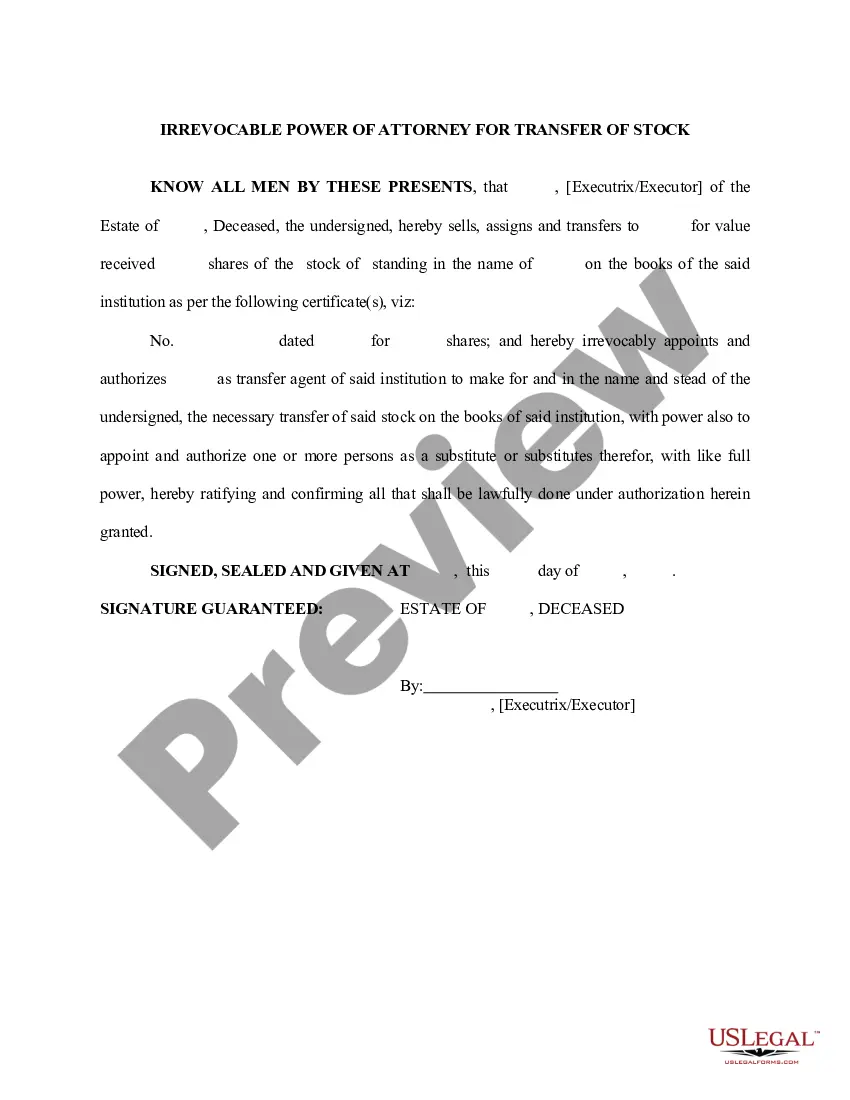
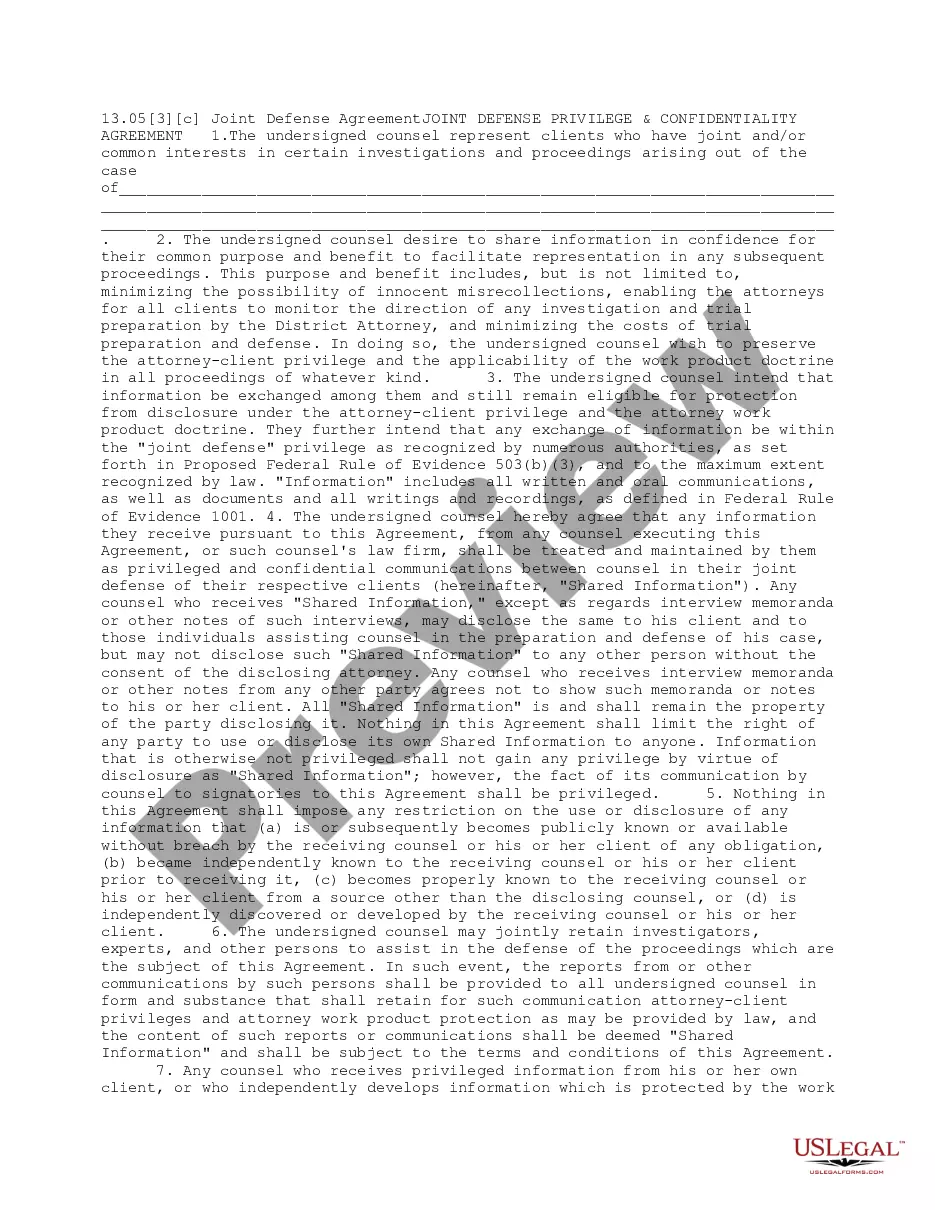
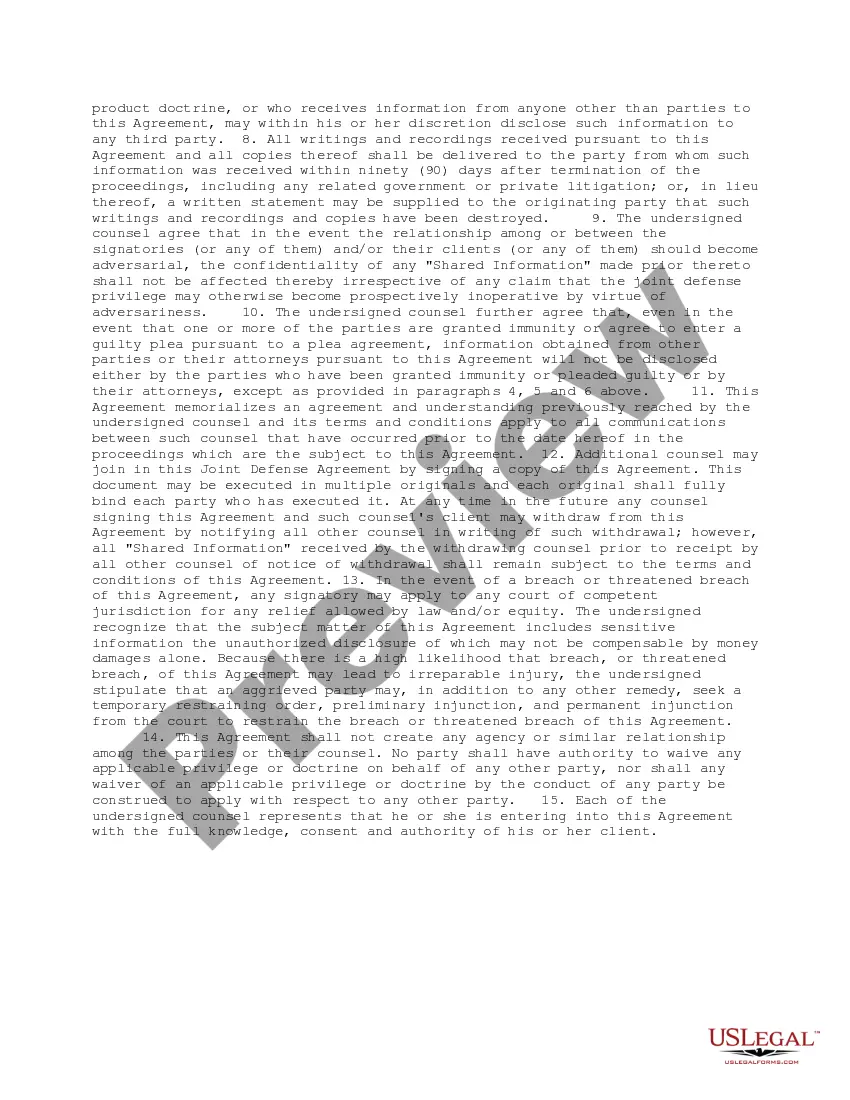
This form is a Joint Defense Privilege and Confidentiality Agreement usable by parties in cases involving commercial trade secrets.
Riverside California Joint Defense Agreement
State:
Multi-State
County:
Riverside
Control #:
US-TS13053C
Format:
Word;
PDF;
Rich Text
Instant download
Description
Free preview

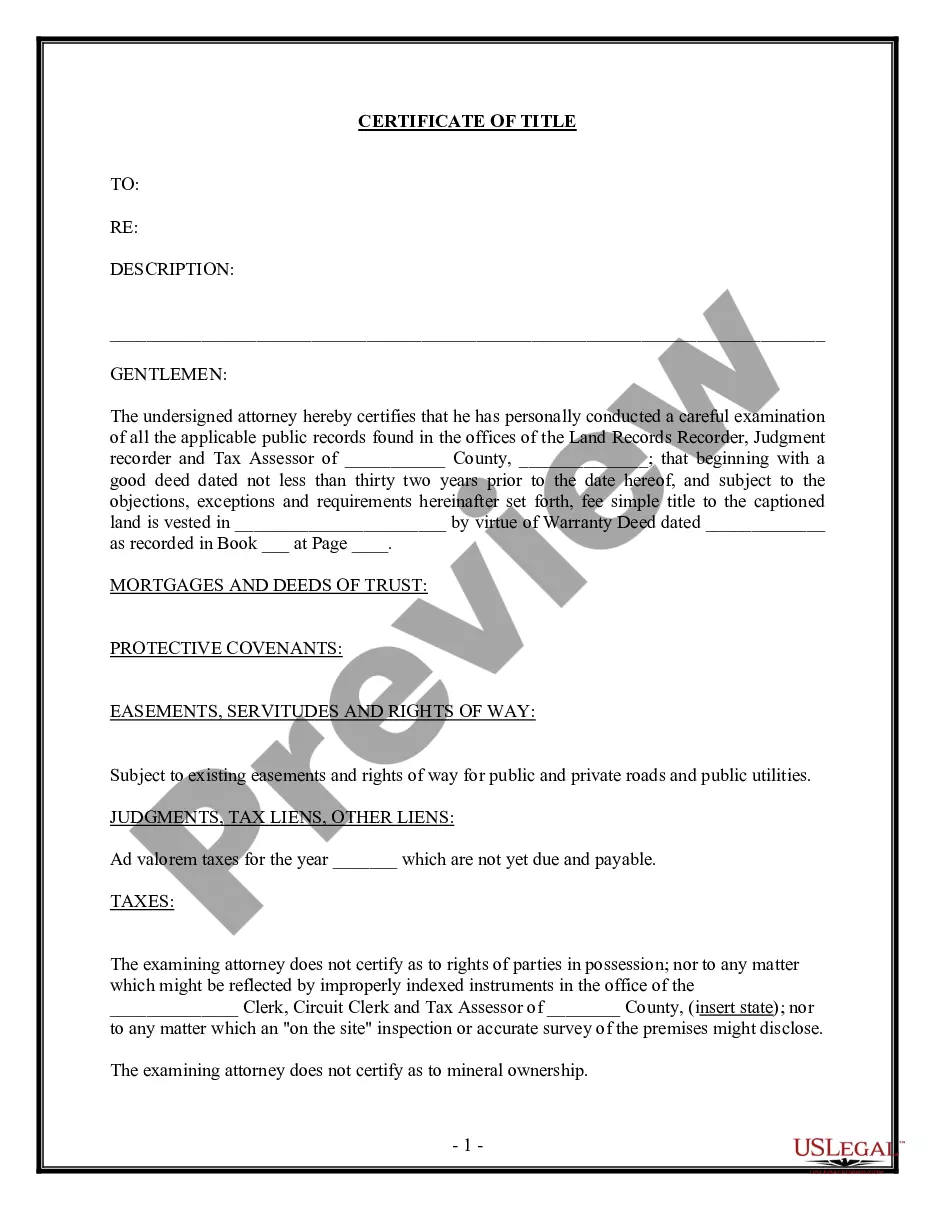
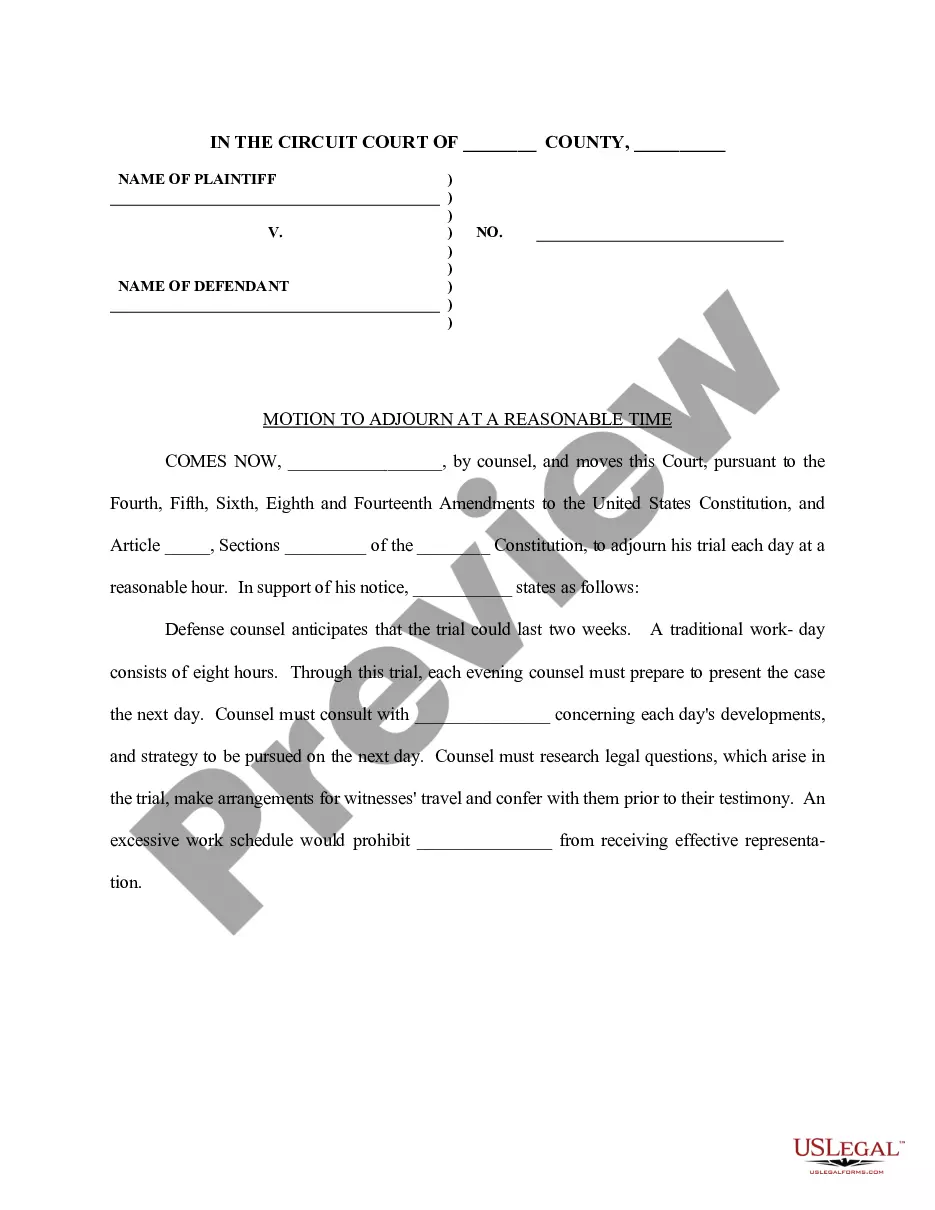
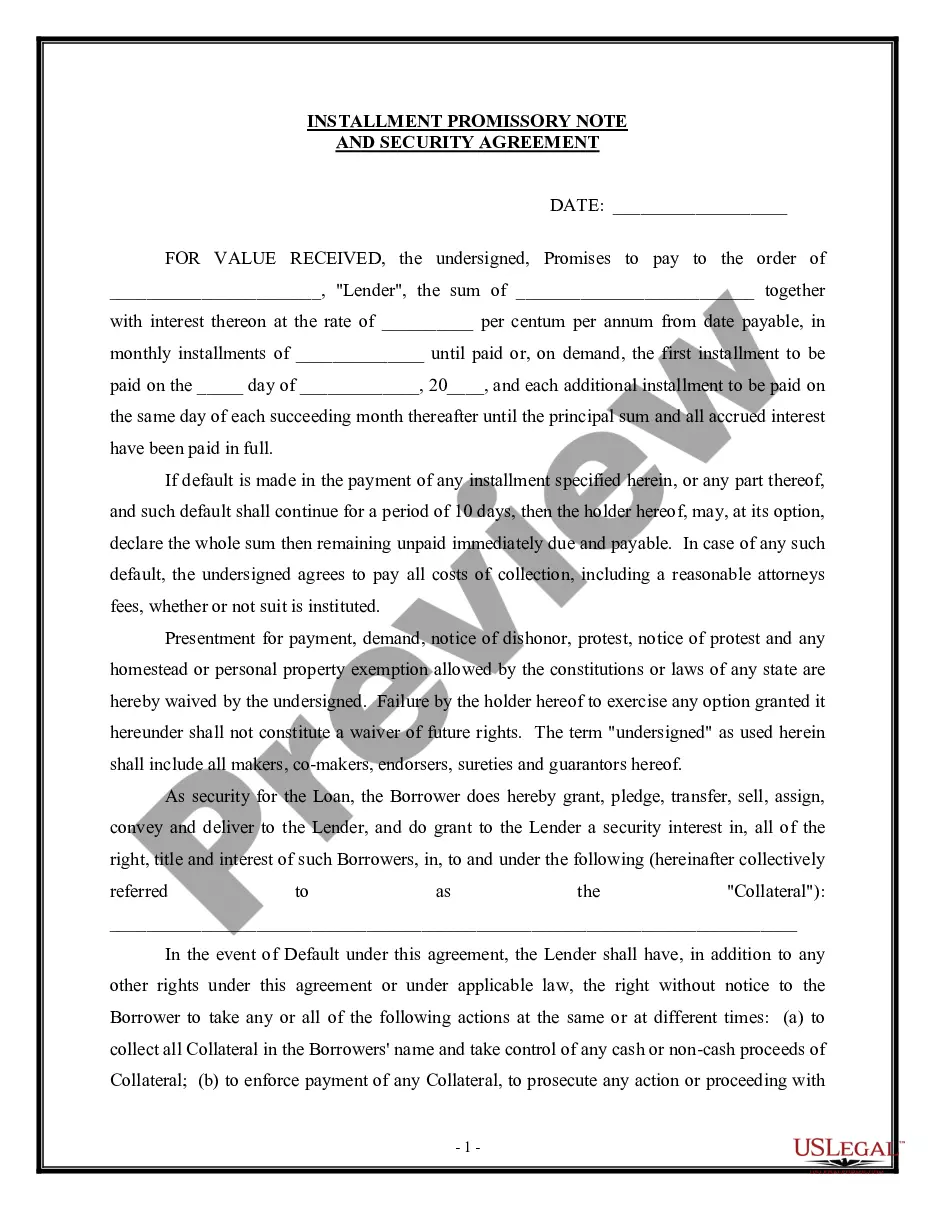
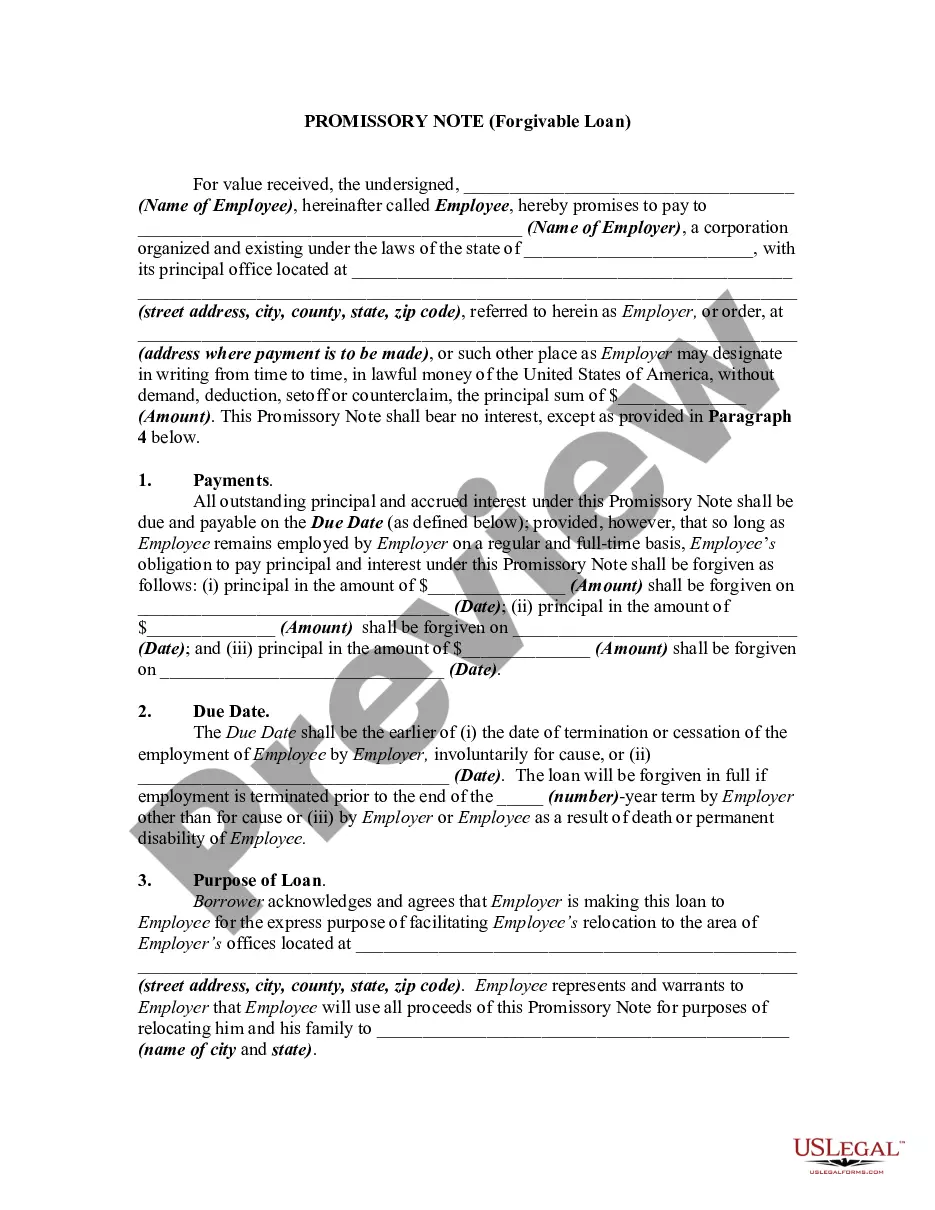

How to fill out Joint Defense Agreement?
Are you seeking to swiftly develop a legally-binding Riverside Joint Defense Agreement or perhaps any other document to manage your personal or corporate matters.
You can choose between two options: engage a specialist to draft a legitimate document for you or produce it entirely by yourself. Fortunately, there's another alternative - US Legal Forms.
If the form comes with a description, ensure to check its intended purpose.
If the document doesn’t match your expectations, restart your search using the search bar in the header. Select the subscription that suits your needs best and proceed to make a payment. Choose the file format you wish to receive your form in and download it. Print it, complete it, and sign where indicated. If you’ve already created an account, you can conveniently Log In to it, locate the Riverside Joint Defense Agreement template, and download it. To re-download the form, simply navigate to the 'My documents' tab.
- It will assist you in obtaining professionally crafted legal documents without incurring exorbitant fees for legal services.
- US Legal Forms provides an extensive collection of over 85,000 state-specific document templates, including Riverside Joint Defense Agreement and form bundles.
- We offer templates for a wide variety of scenarios, ranging from divorce documentation to real estate papers.
- With over 25 years in the industry, we have earned an impeccable reputation among our clientele.
- Here’s how you can join them and acquire the necessary document without unnecessary hassle.
- To begin, confirm if the Riverside Joint Defense Agreement complies with your state's or county's regulations.
Form popularity
FAQ
Joint Defense Agreement ("JDA") is an oral or written agreement between the parties which includes the parties' commitments to one another to assure confidentiality pursuant to the Common Interest Doctrine.
Joint Defense Agreement (JDA)
Unlike the Ninth Circuit, California does not recognize a joint-defense privilege per se; however, California does recognize a common interest doctrine which can allow privileged information to be disclosed without waiver of the privilege. See Meza v.
Joint Defense Agreement (JDA)
Courts have no power to create new privileges, and the California Evidence Code does not include a joint defense privilege for separately represented parties. Thus, California courts held that there is no joint defense privilege.
The common interest doctrine allows for the disclosure between parties, without waiver of privileges, of communications that are protected by the attorney-client privilege or the work product doctrine, when the disclosure is necessary to accomplish the purpose for which the legal advice was sought.
Cal. 2014) ("The attorney-client privilege generally does not preclude disclosure of fee agreements."). However, under California state law, a "written fee contract shall be deemed to be a confidential communication' that is not subject to discovery." Moriarty v.
Unlike the Ninth Circuit, California does not recognize a joint-defense privilege per se; however, California does recognize a common interest doctrine which can allow privileged information to be disclosed without waiver of the privilege. See Meza v. H.
The joint defense agreement may be discoverable.
The court cited decisions holding "that joint-defense agreements are indeed protected by the joint-defense privilege," but also noted that "other courts have found that joint-defense agreements are not protected by that privilege." Id.