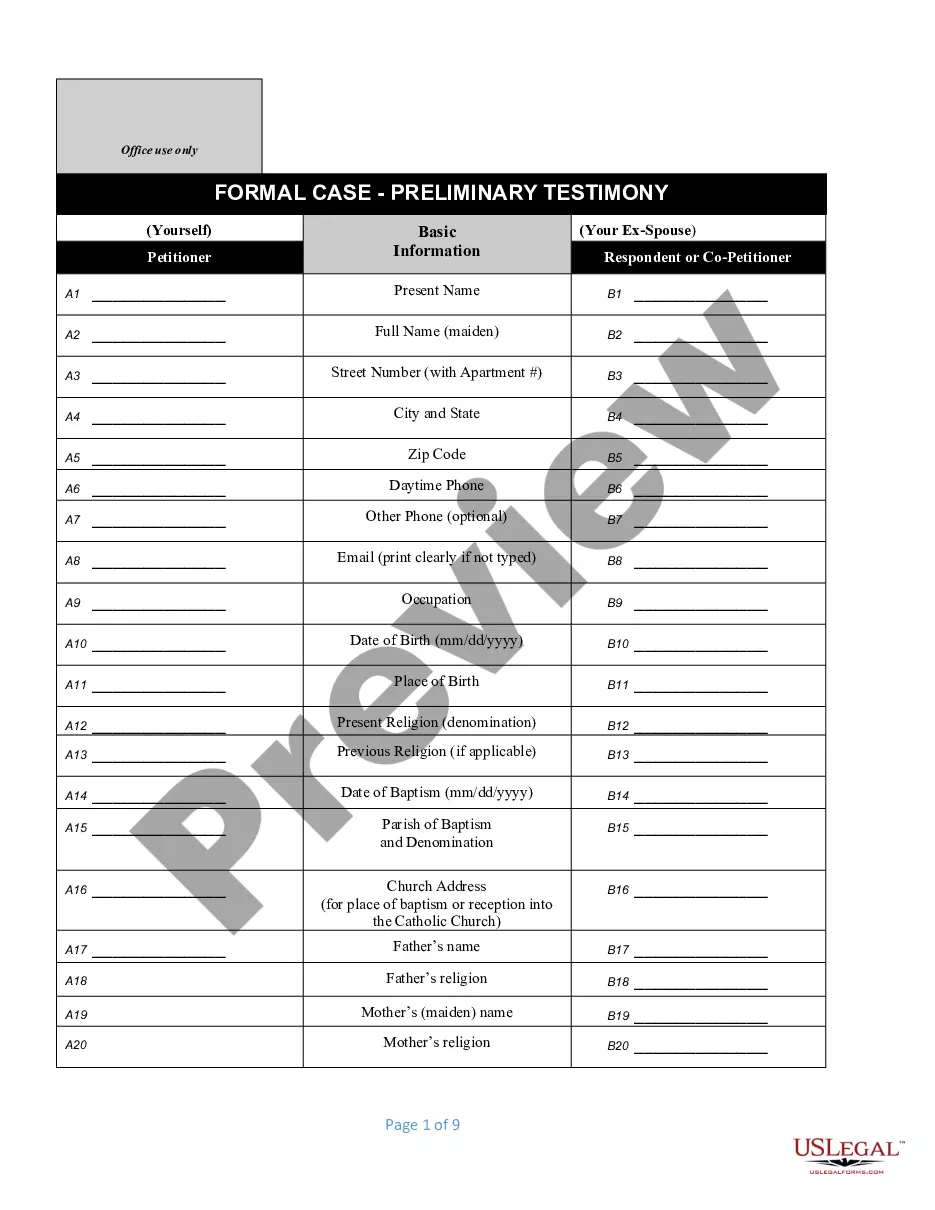
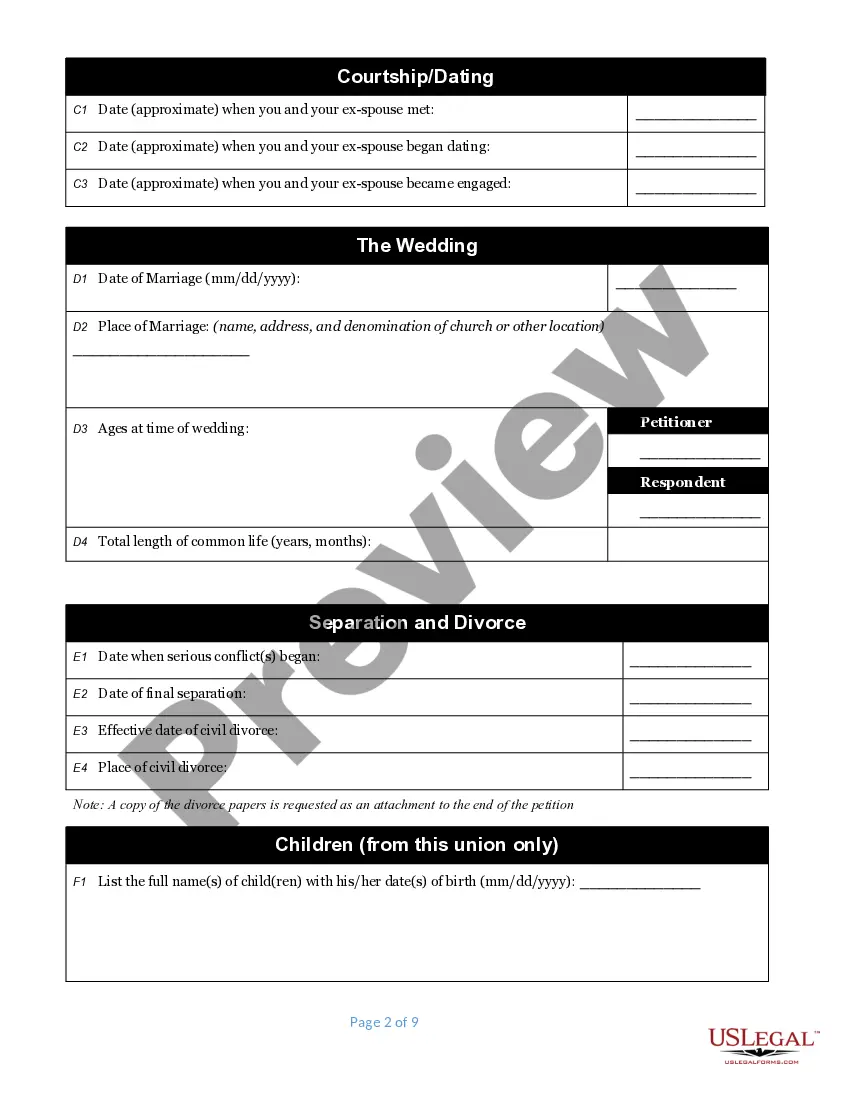
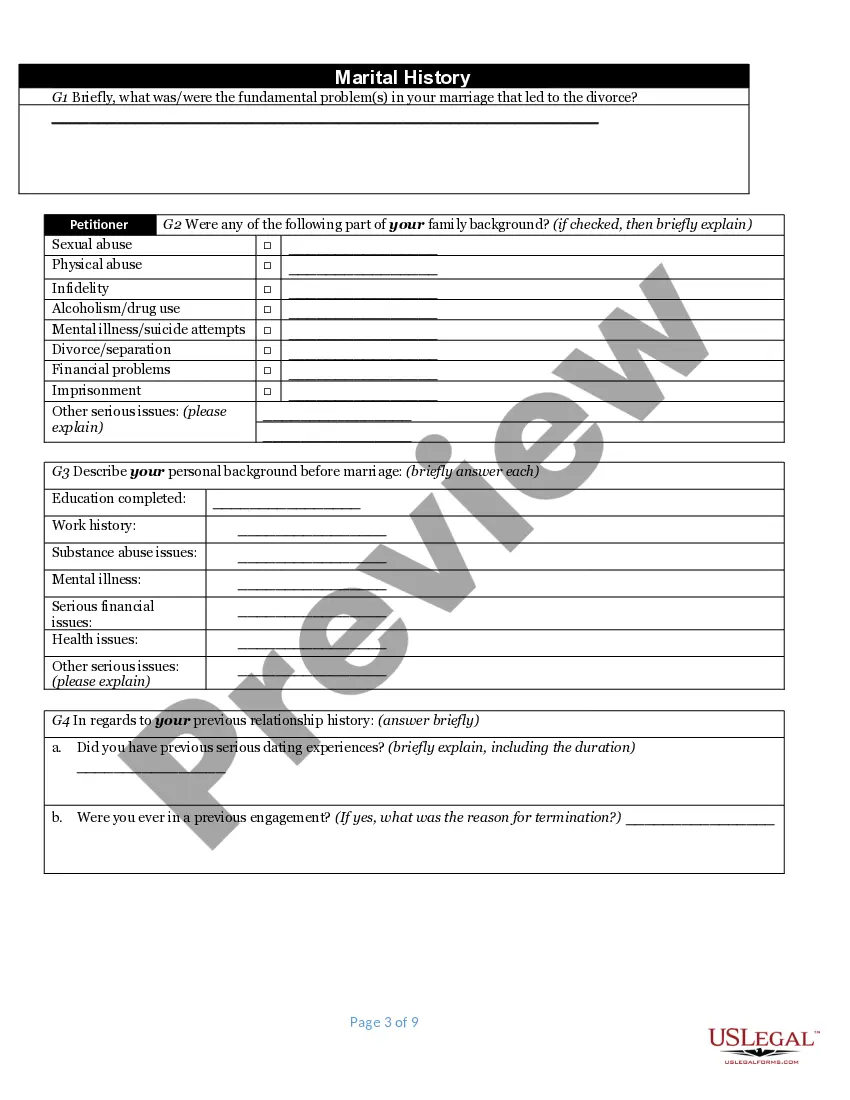
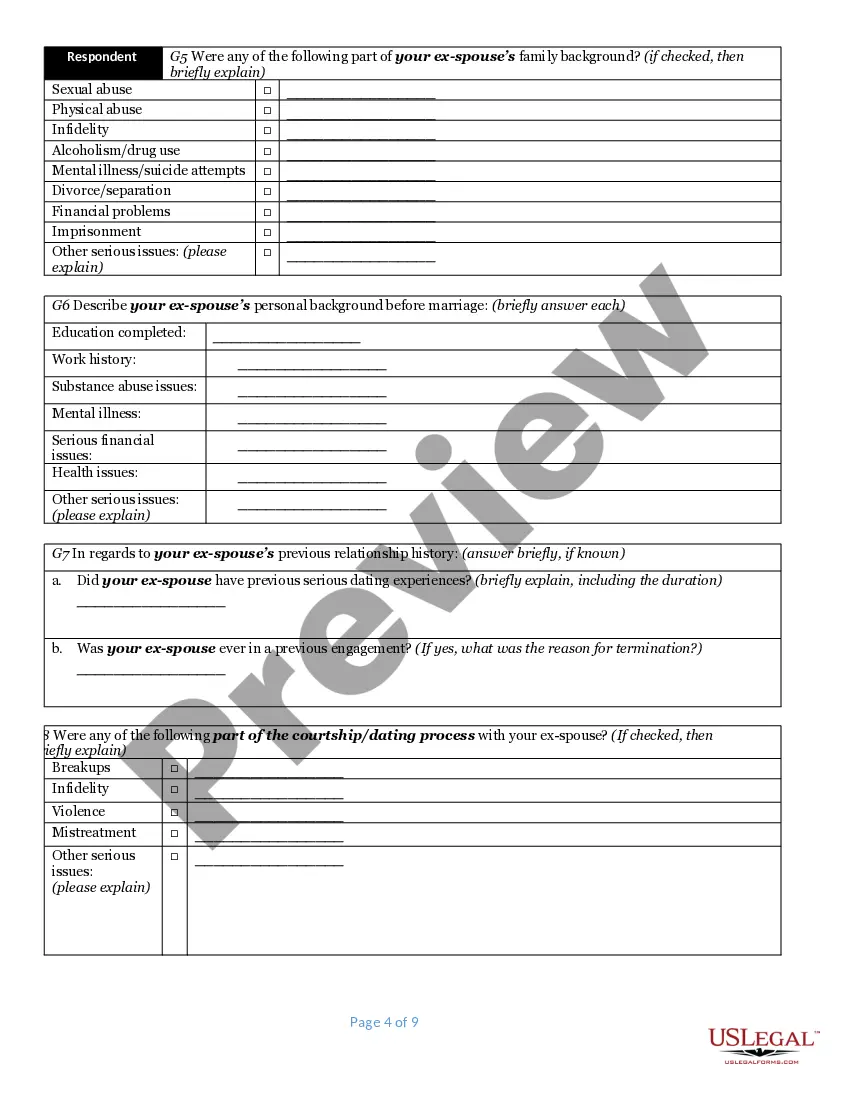
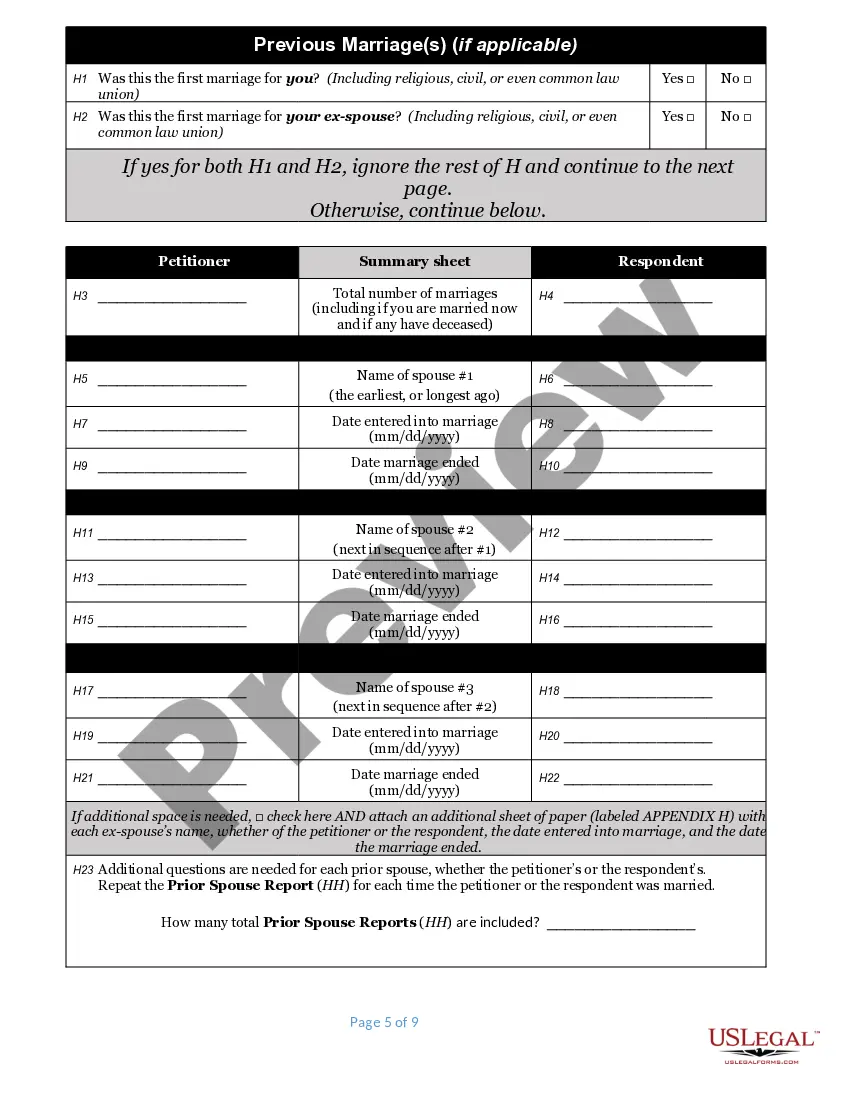
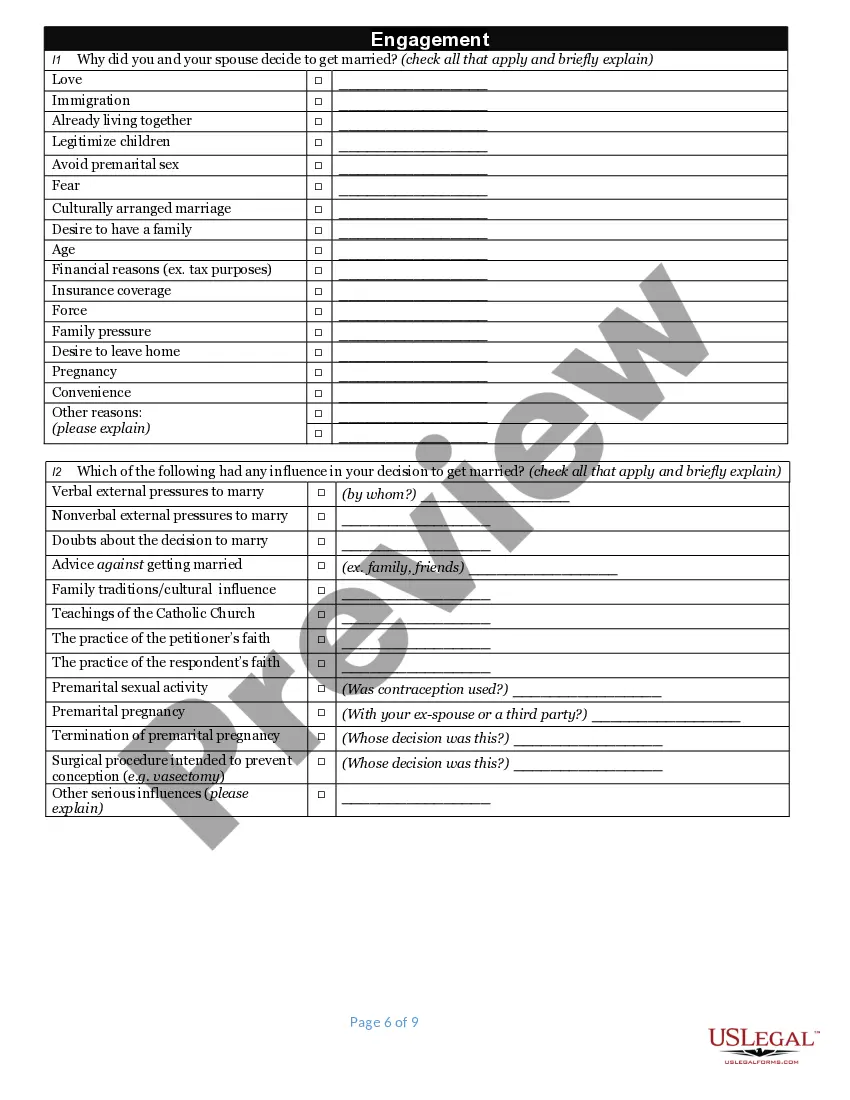
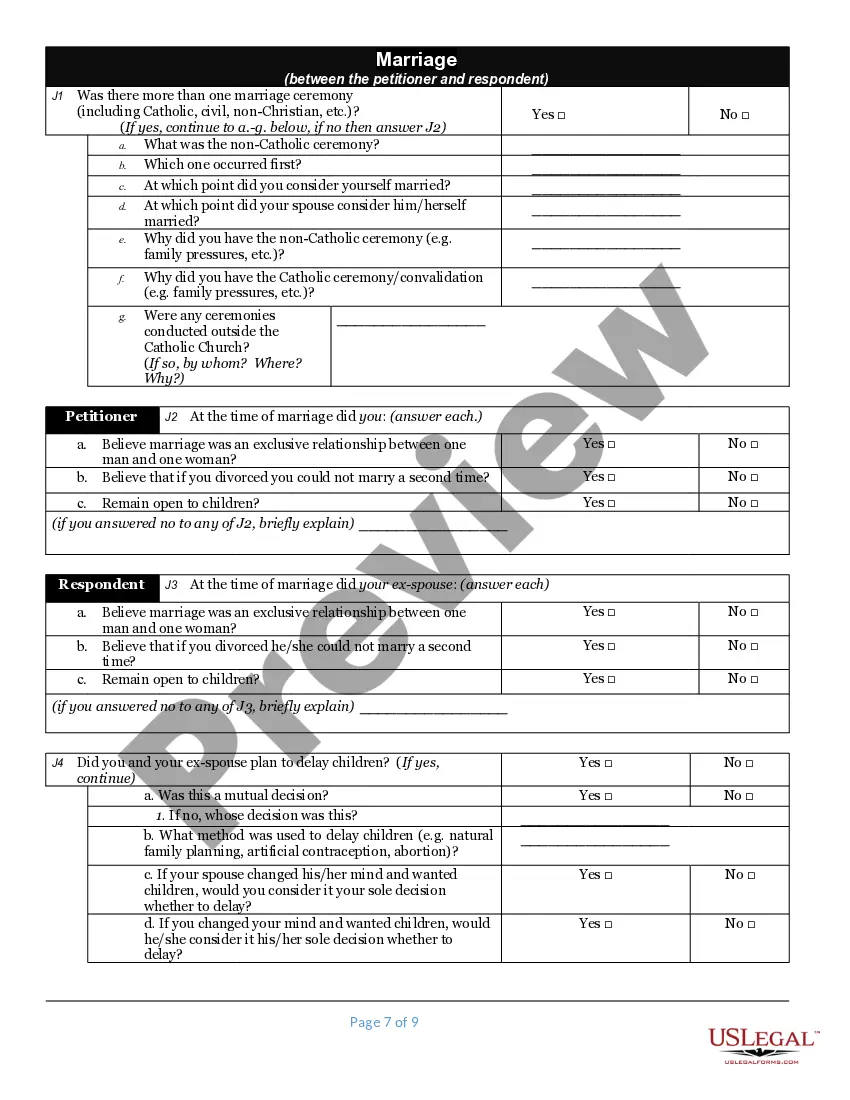
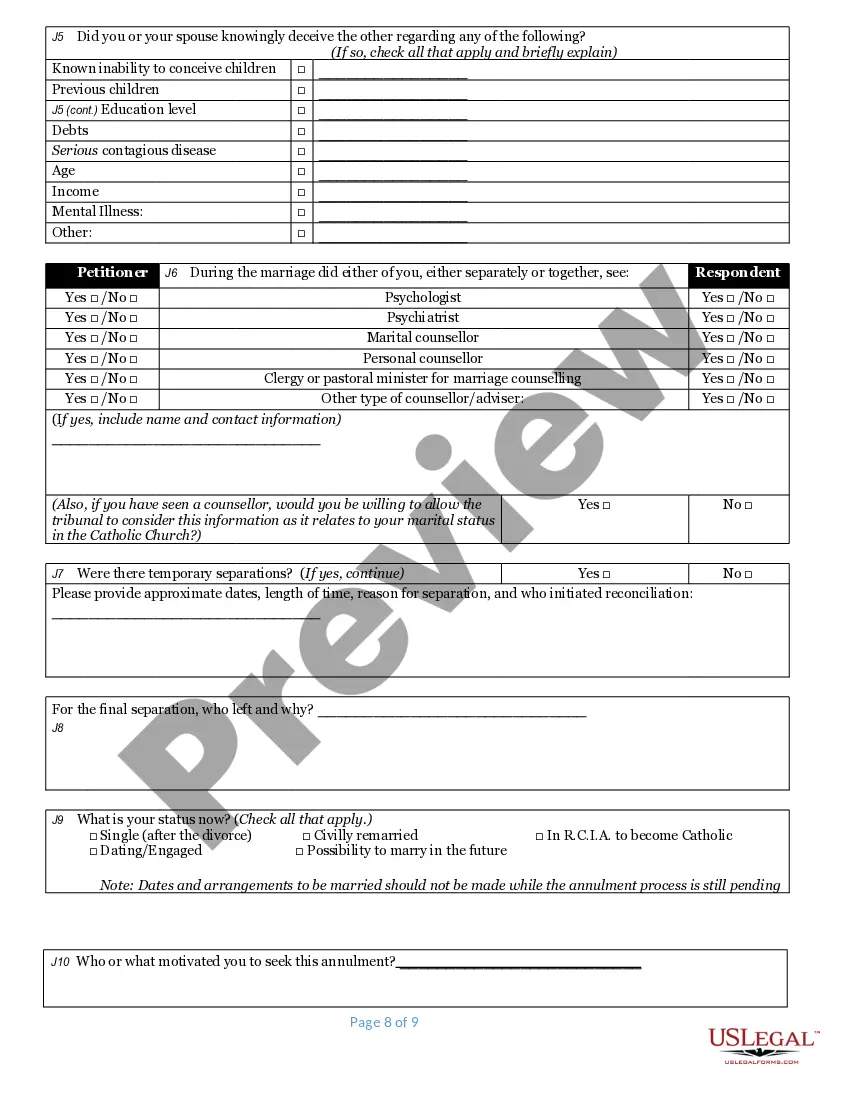
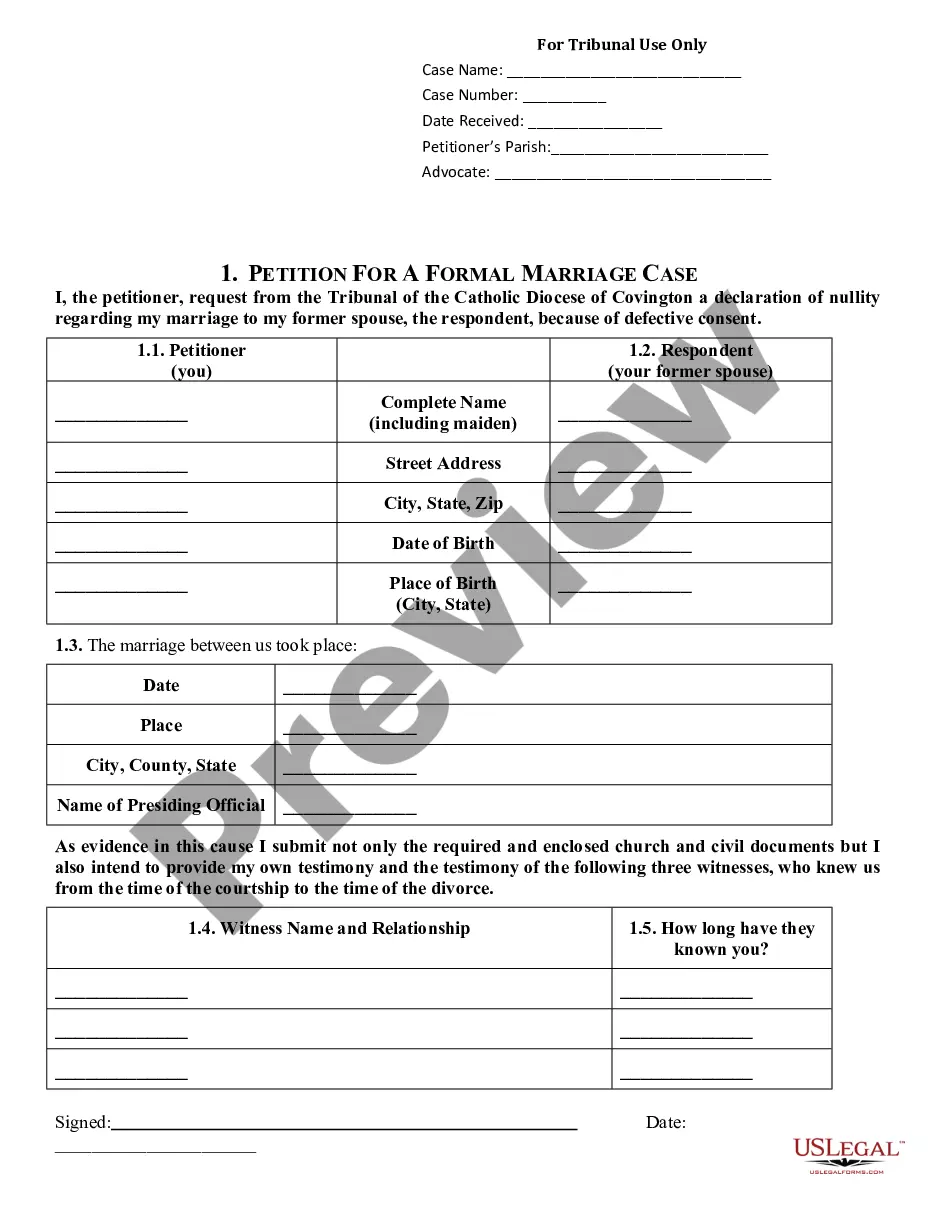
Either party in a marriage that has ended in divorce has the right to ask the Church to review a former marriage. The petitioner has the burden of providing proofs to demonstrate why a marriage may be considered invalid.The formal process is not adversarial and does not make a moral judgment on any person involved, it simply makes a statement of truth regarding the validity of the prior bond according to Church teaching.
Generally, Preliminary Testimony is part of the public record, but some sensitive information may be kept confidential. Just keep in mind, it’s not all behind closed doors.
You should bring any documents or evidence that support your statements, along with your memories and a clear mind. It’s all about getting your ducks in a row!
Yes, you can participate without being a lawyer, but it’s often best to have legal guidance. It’s like having a trusty map when navigating unfamiliar territory.
The length of the process can vary widely depending on the complexity of the case and how many witnesses there are. It can be a fast ride or a slow crawl.
Anyone who has relevant information about the case can give testimony, including witnesses, experts, and sometimes even the parties involved.
During a Preliminary Testimony, witnesses provide their initial statements. It’s like setting the stage before the main act, giving a sneak peek of what the case is about.
A Formal Case is a legal process where issues are officially presented and examined in front of a judge or another authority, ensuring that everyone gets a fair chance to present their side.