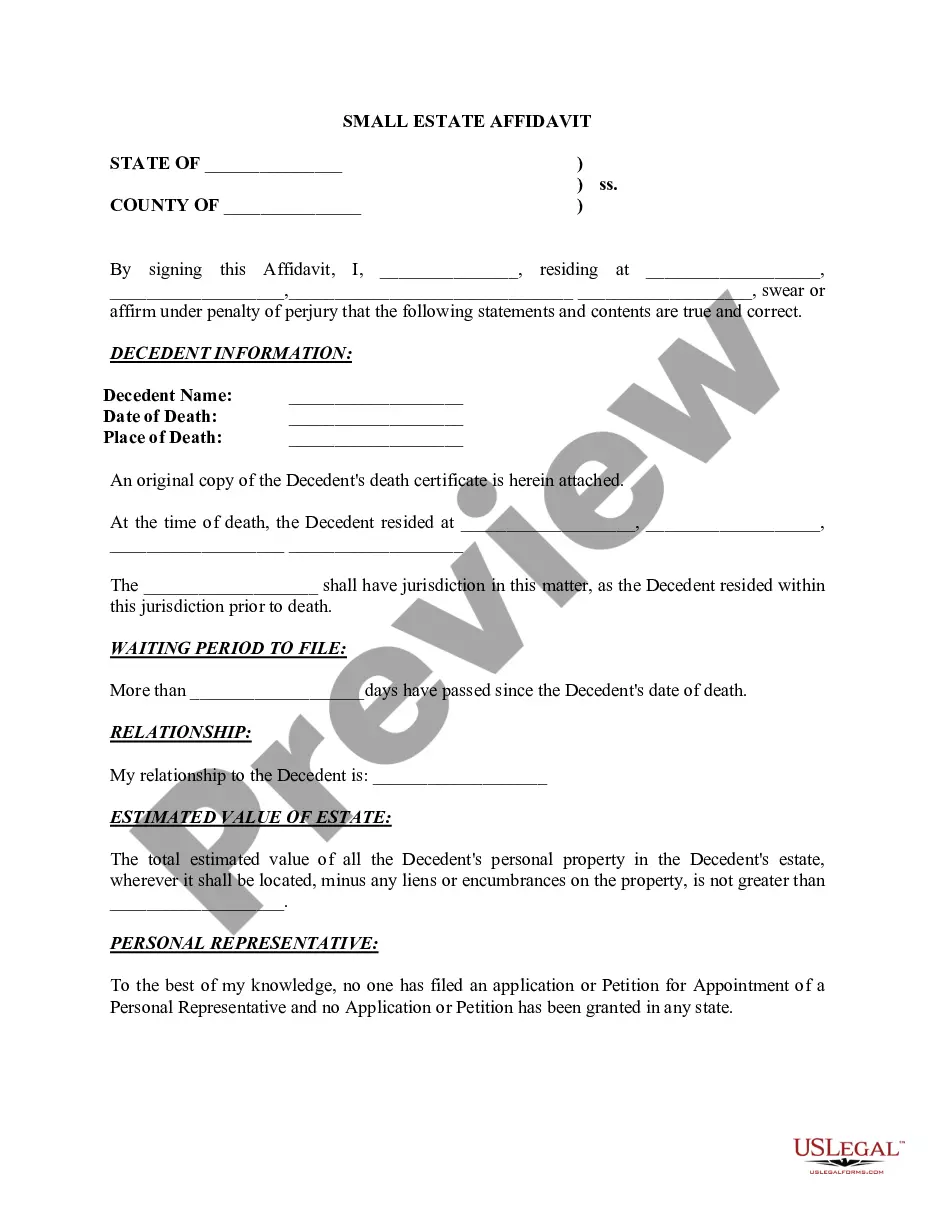
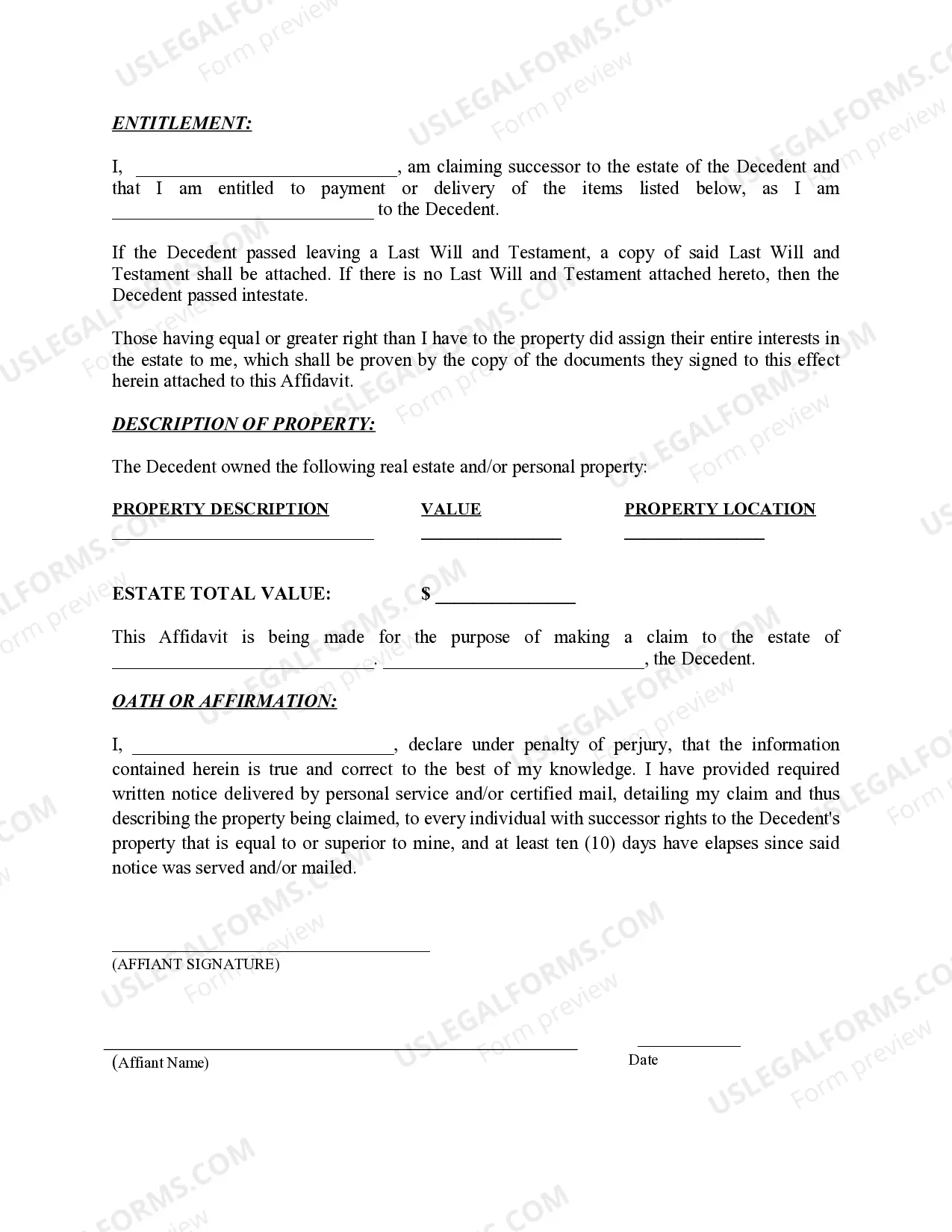
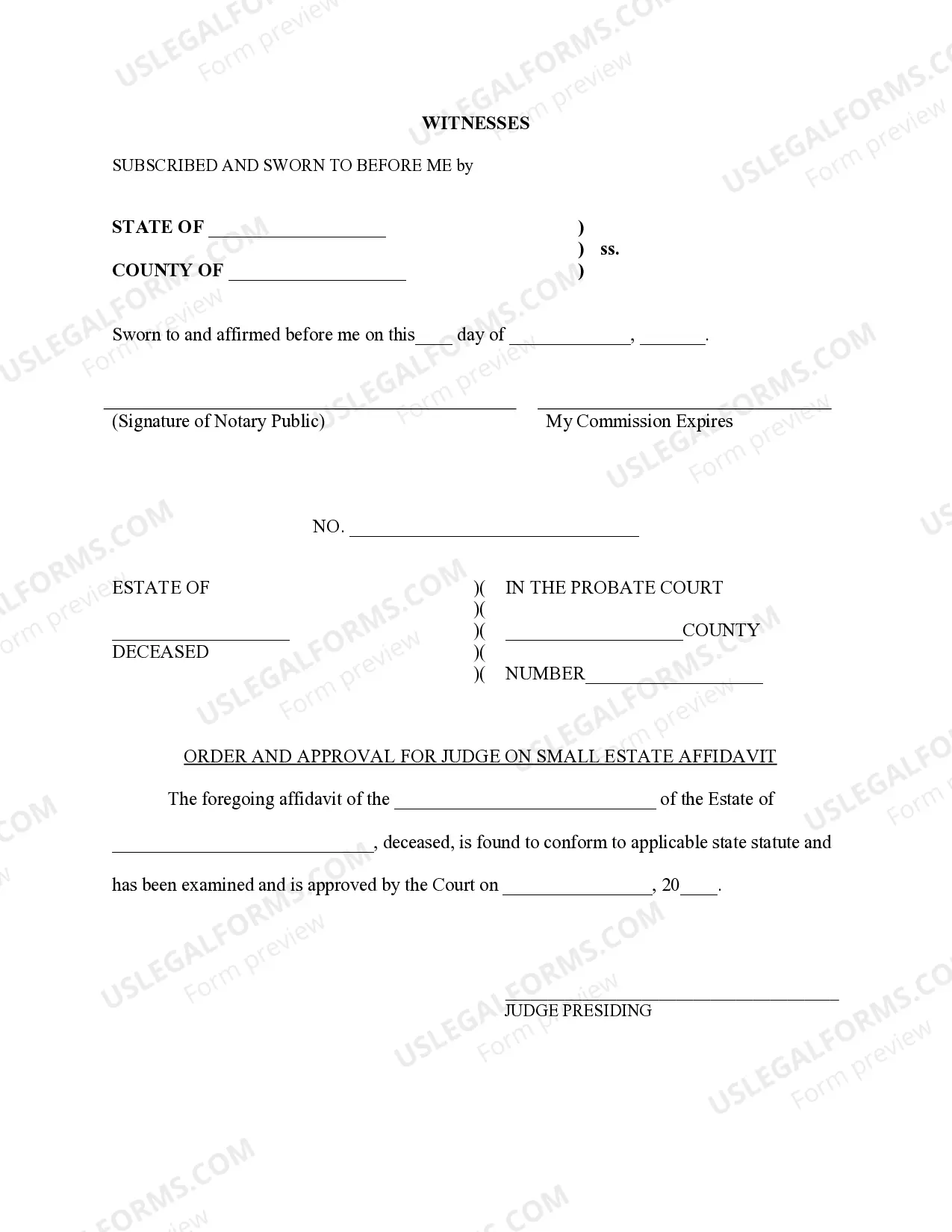
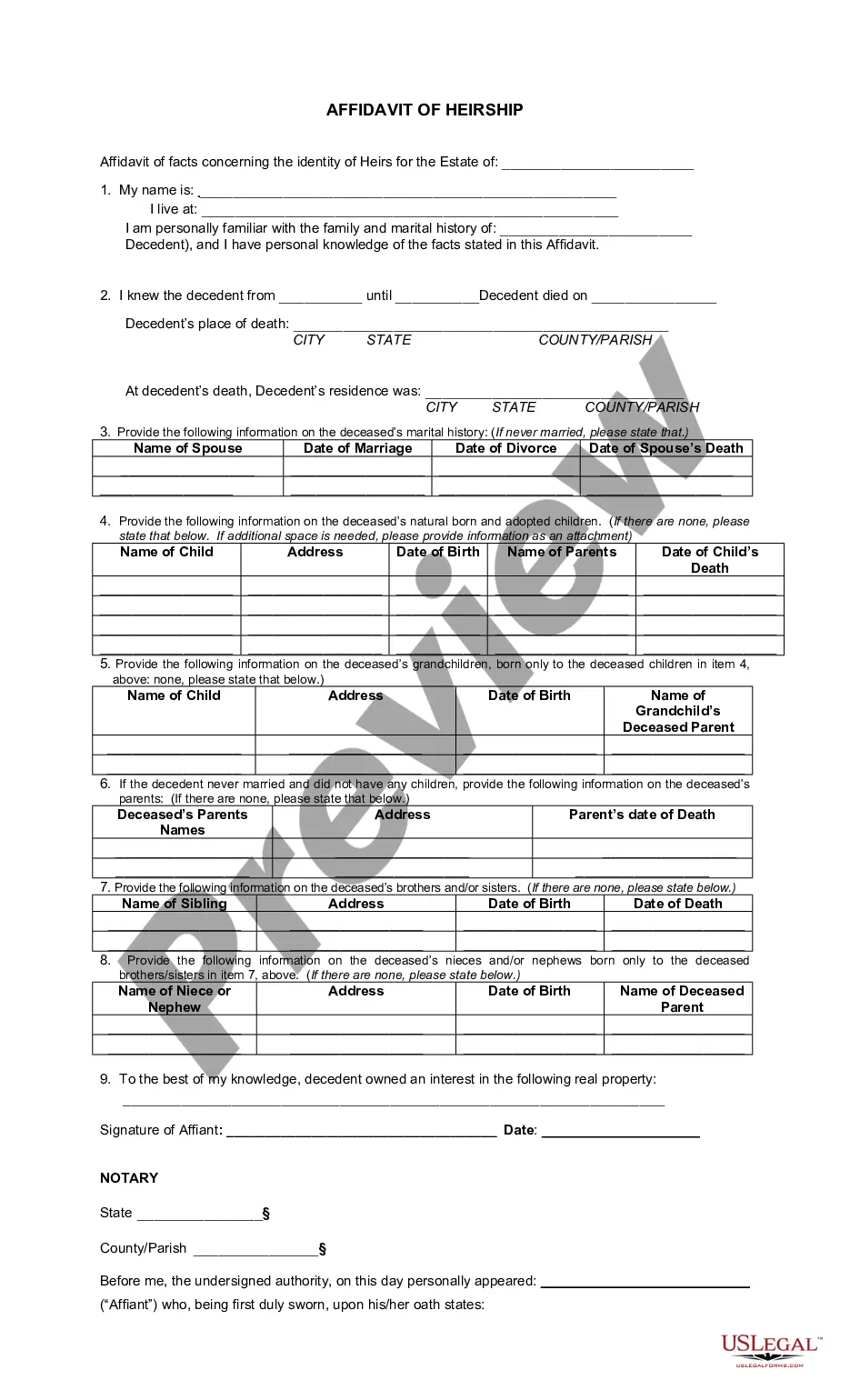
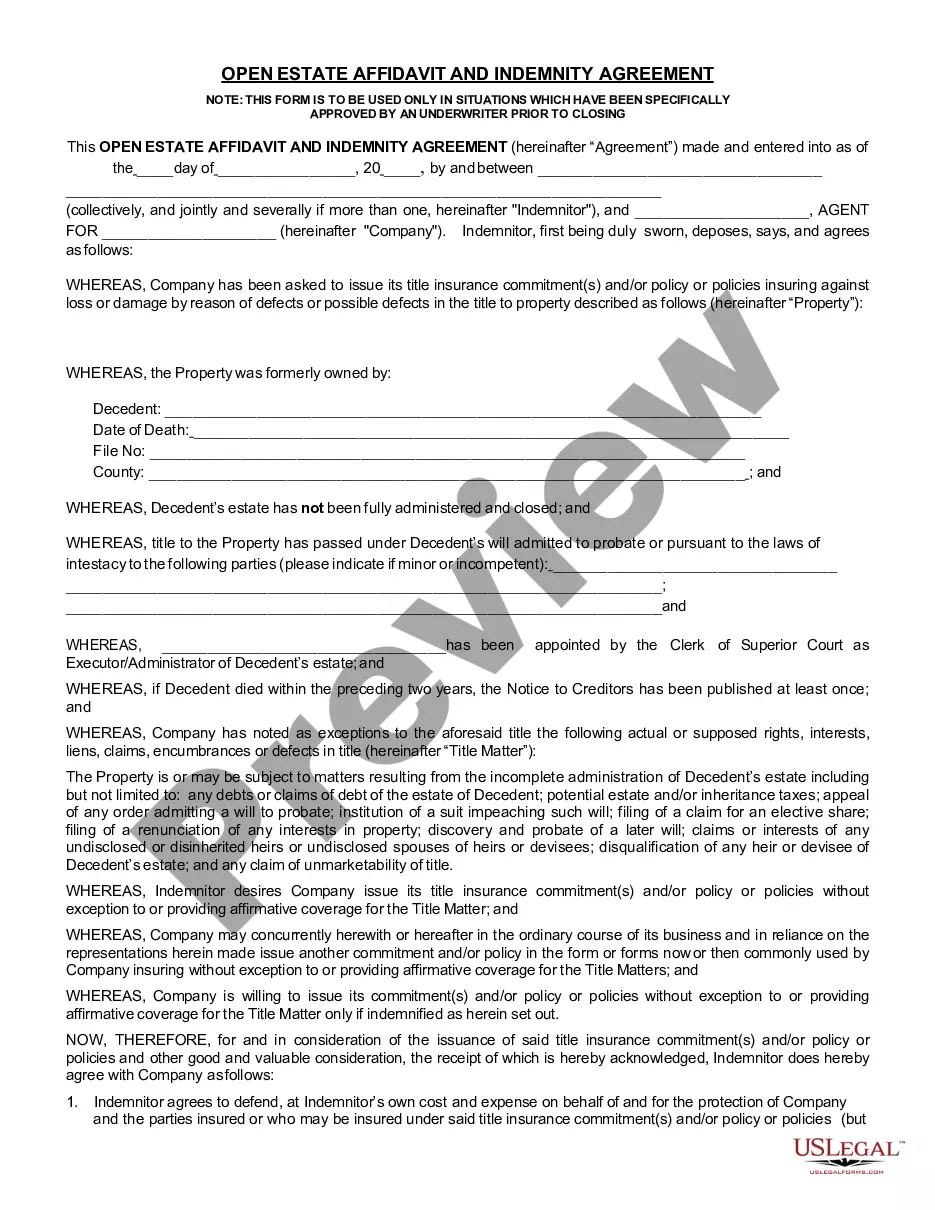
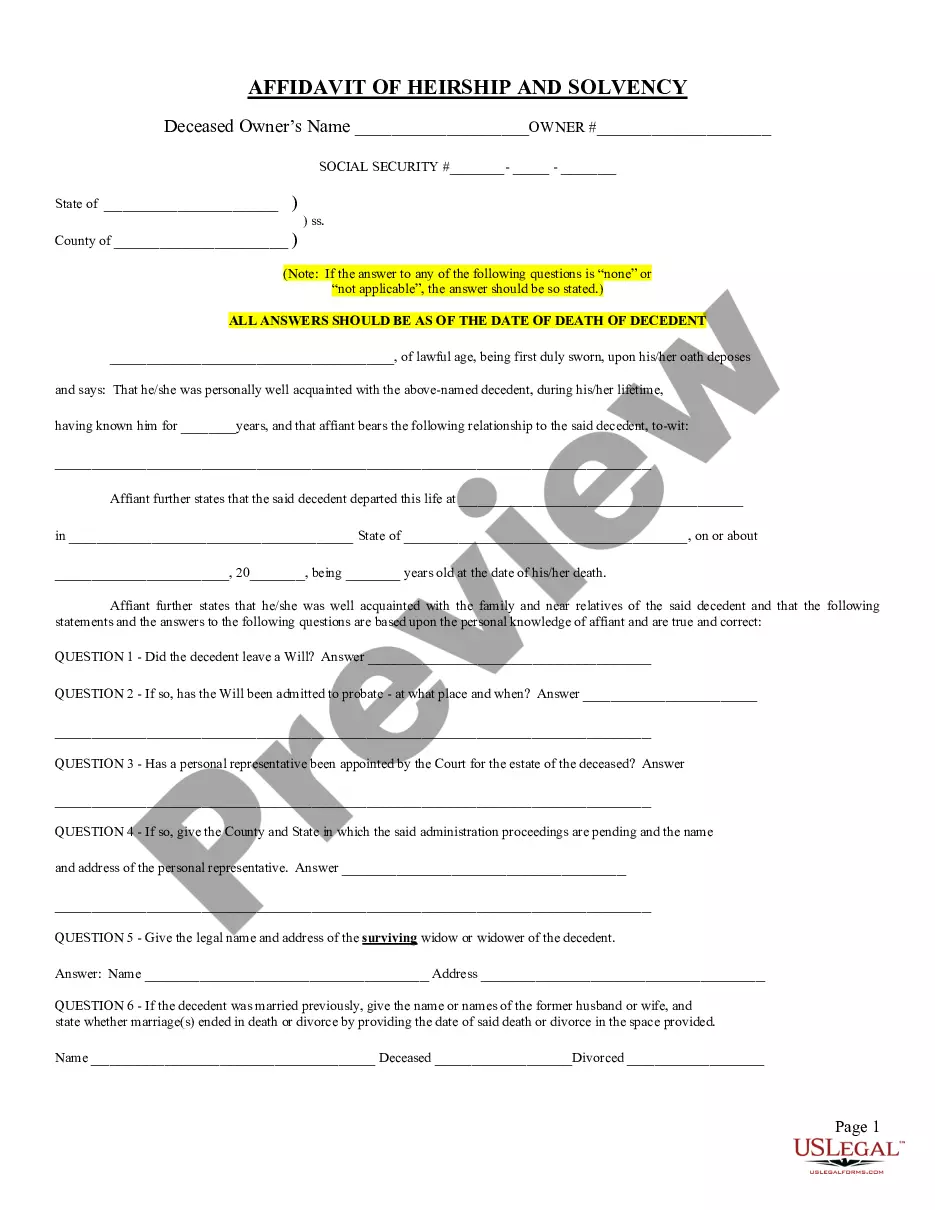
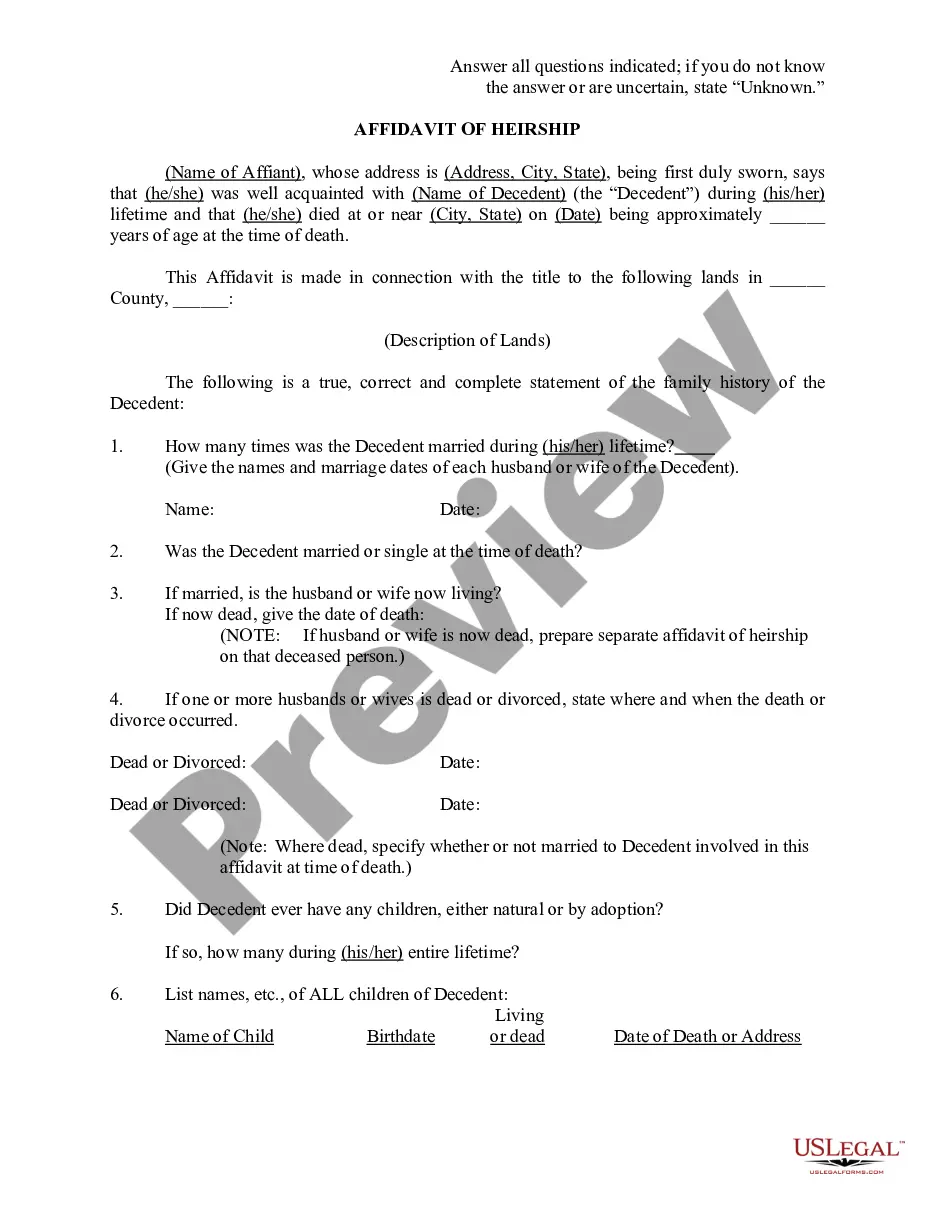
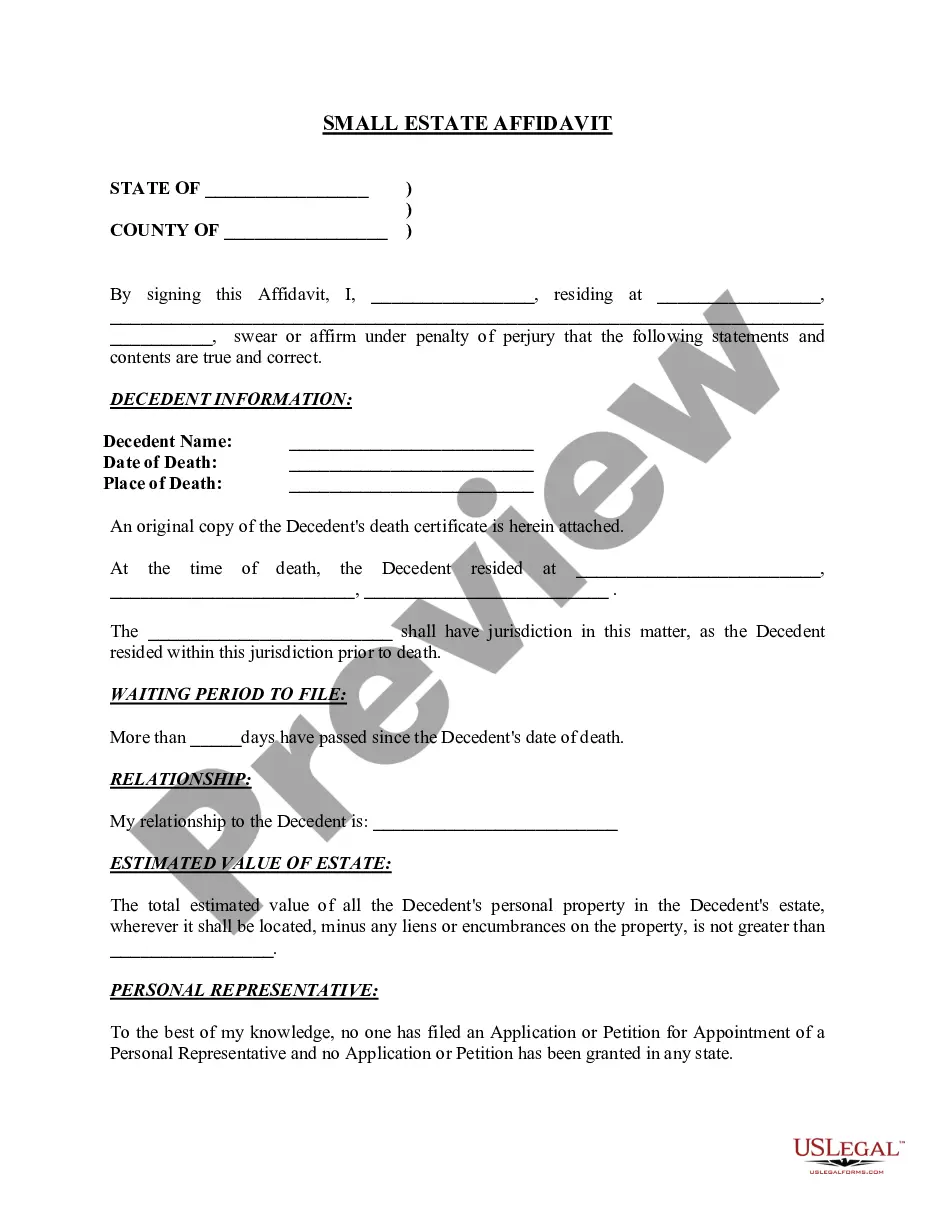
An Affidavit is a sworn, written statement of facts, signed by the 'affiant' (the person making the statement) before a notary public or other official witness. The affiant swears to the truth and accuracy of the statement contained in the affidavit. Where an estate is valued at less than $100,000, an interested party, as successor to the decedent, may, issue a small estate affidavit to collect or claim entitlement to the deceased property.
Yes, you can use a Small Estate Affidavit even if there’s a will, as long as the estate meets the eligibility criteria. It's sort of like having a ticket even when the concert is sold out; you just have to follow the right steps.
After submitting, you typically wait for a short period for any objections. If all is clear, the court will recognize the affidavit, and you can get access to the assets. It’s like waiting for the green light before you can hit the road!
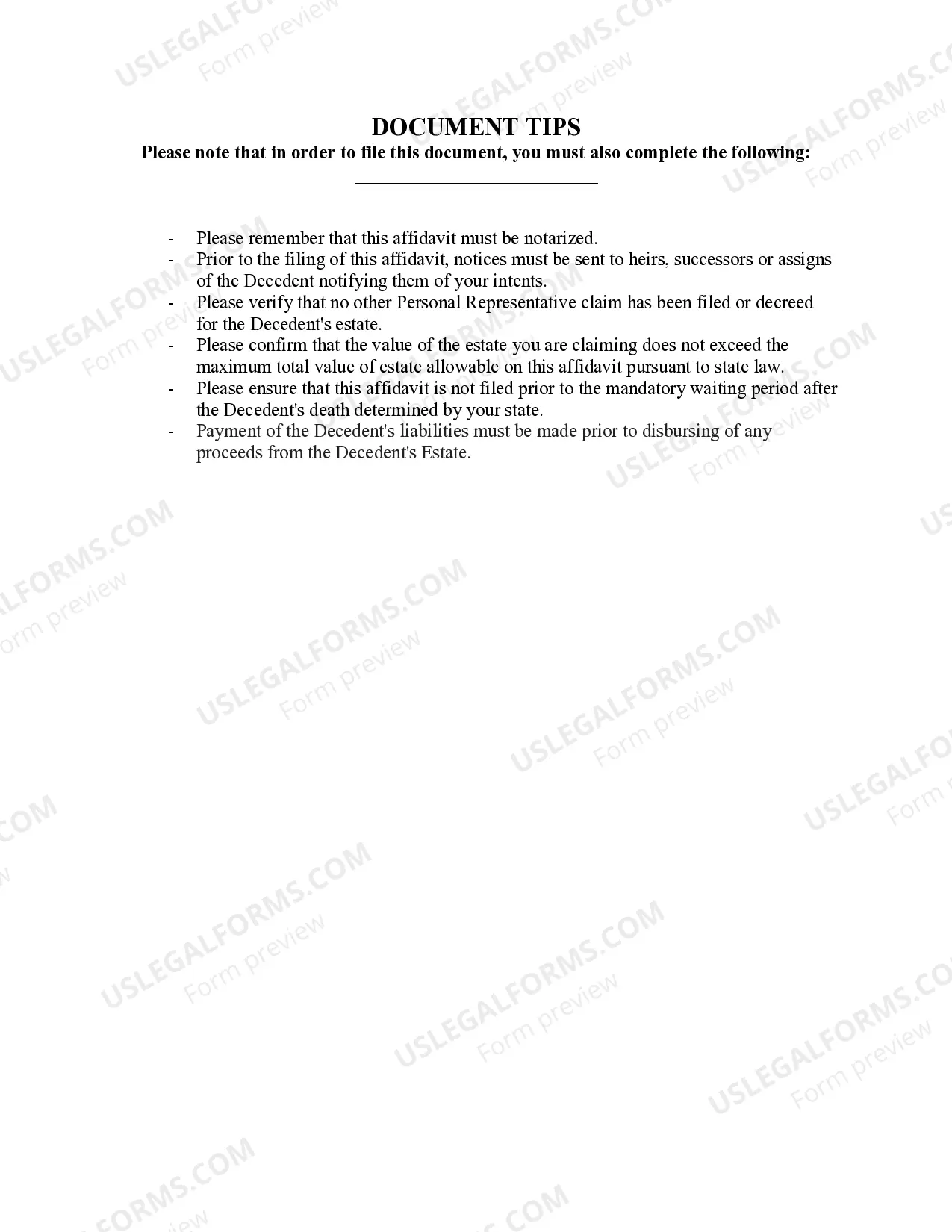
You'll need the death certificate, an inventory of the deceased's assets, and identification for the heirs. Think of it like gathering your tools before starting a DIY project.
While it's not required to have a lawyer, it can be helpful if you have questions or if your situation is a bit sticky. Having an expert is like having a map when you’re navigating a new city!
To qualify, the total value of the deceased’s assets must be under a certain limit, and there typically shouldn’t be any debts that exceed that value. It’s like making sure the cake isn’t too big for the table!
Generally, if you're an heir or a beneficiary of the deceased, you can use a Small Estate Affidavit. It’s perfect for those who are looking to handle things smoothly without a lot of red tape.
A Small Estate Affidavit is a legal document that allows heirs to collect the deceased person's assets without going through a lengthy probate process. Think of it as a shortcut for settling the estate!