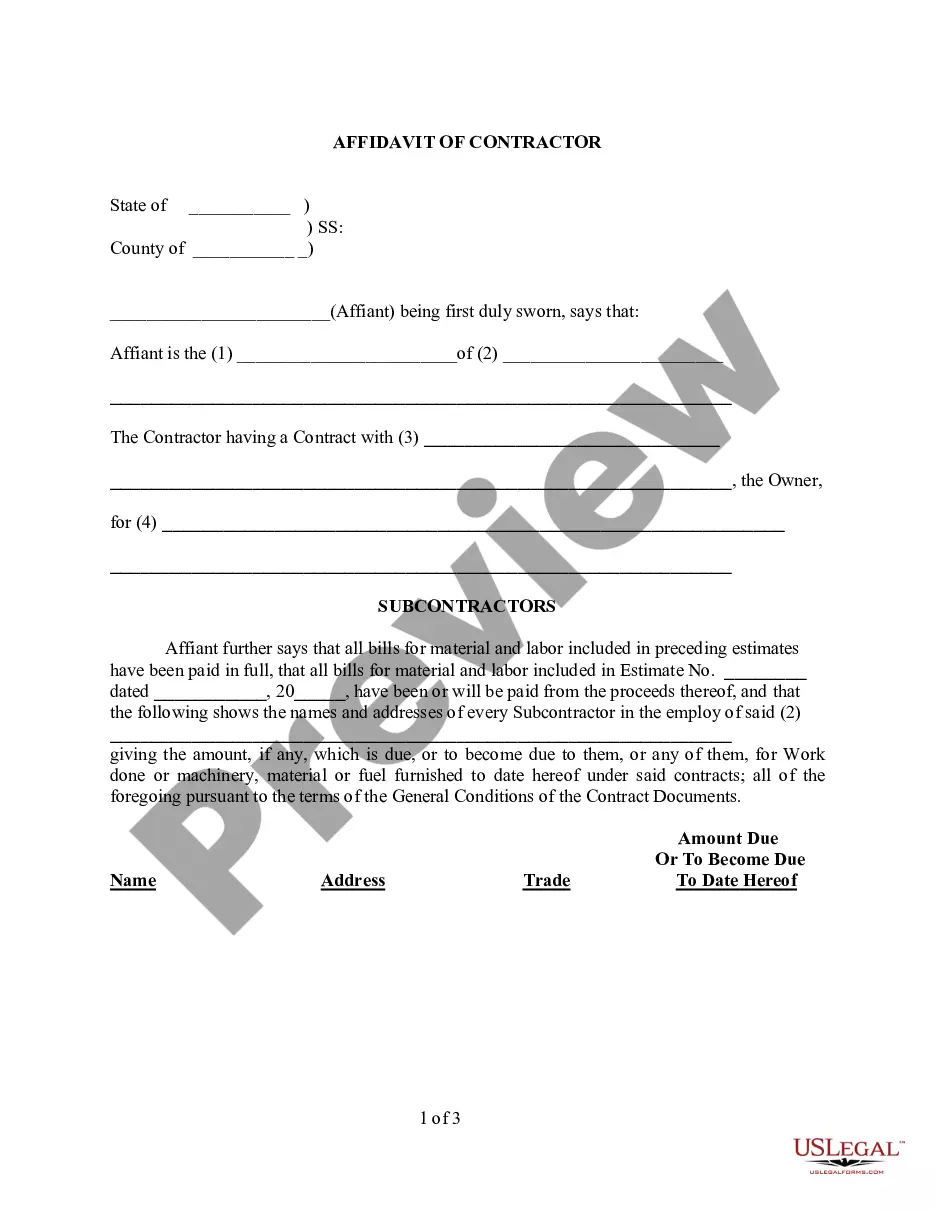
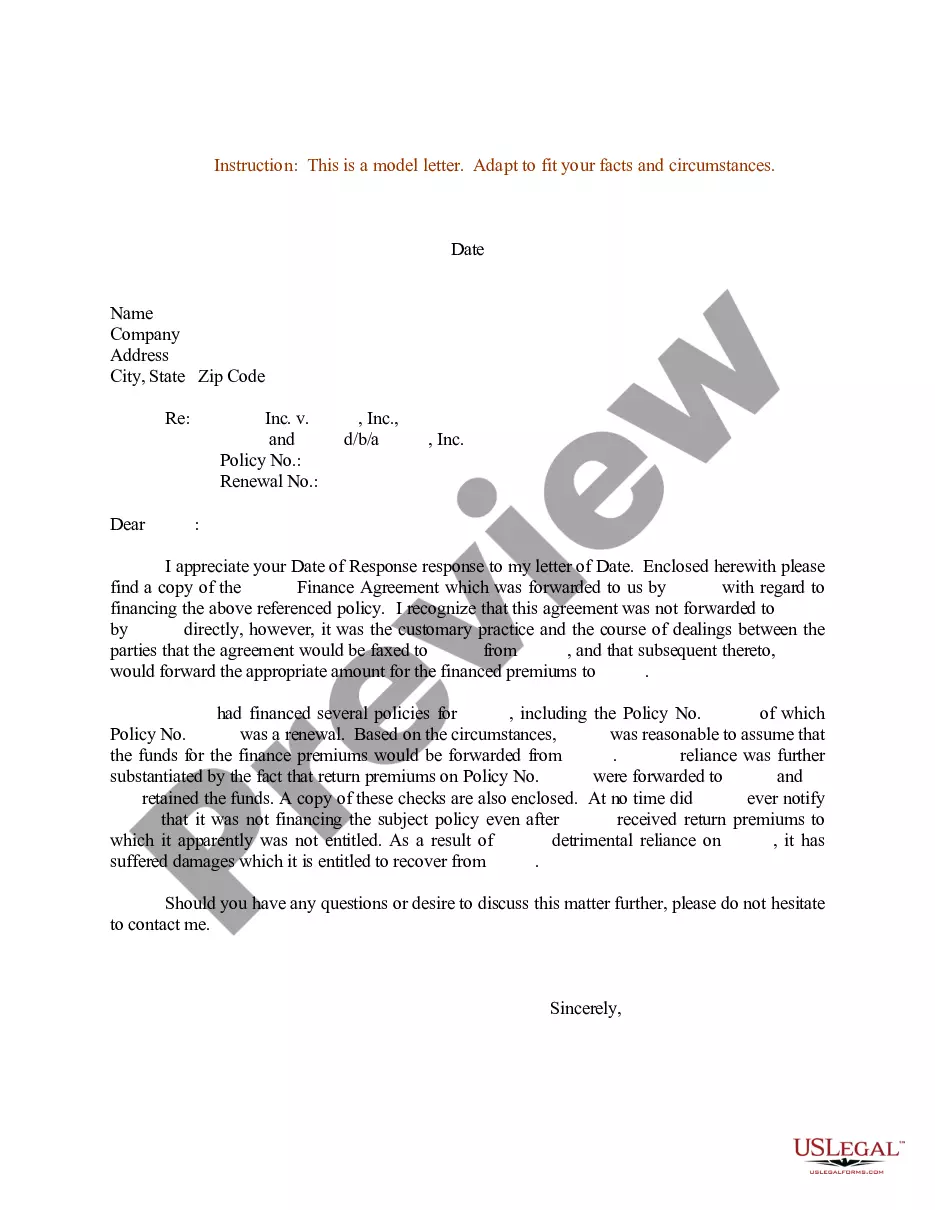
This form is used by a corporation or LLC furnishing professional services, materials, or equipment for the improvement of real property and is sent to the owner or reputed owner notifying him of the potential for a lien claim.
Skipping these documents can lead to potential headaches down the road, like disputes over ownership or title issues that could complicate your sale.
You can certainly try, but it’s usually wise to have a legal professional help you out to make sure everything is in order.
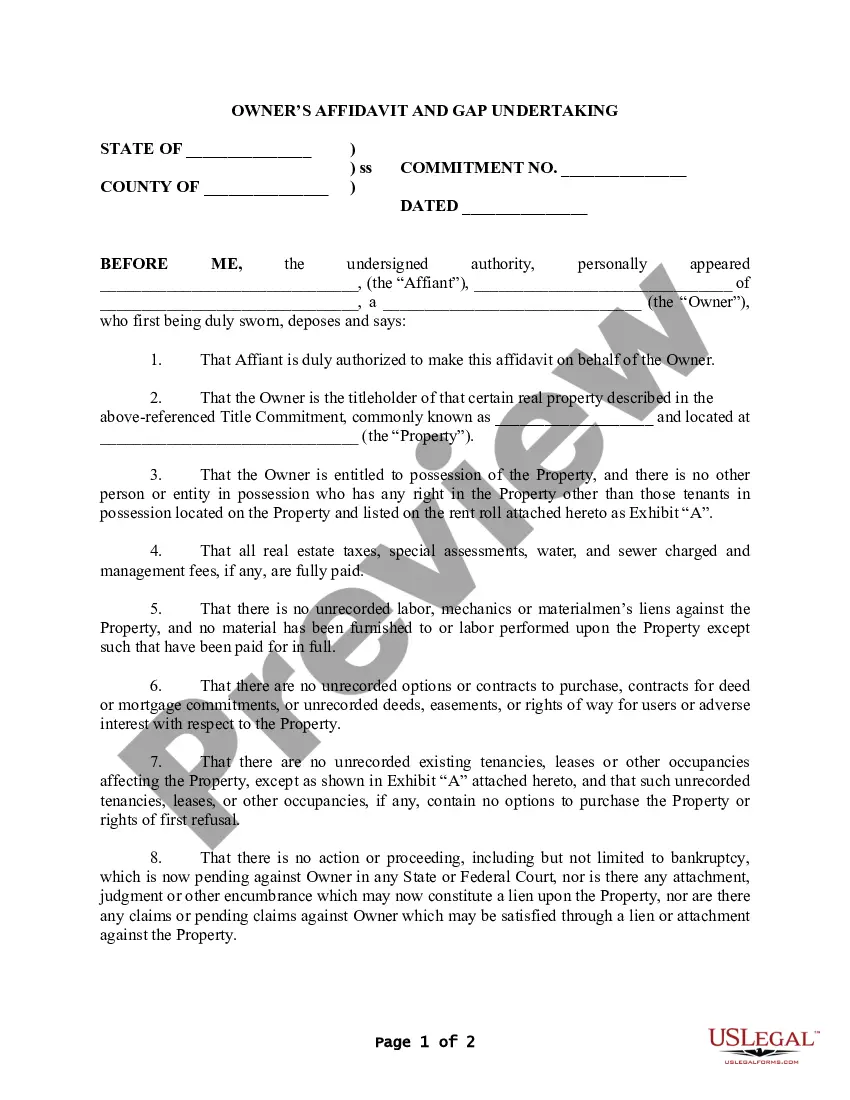
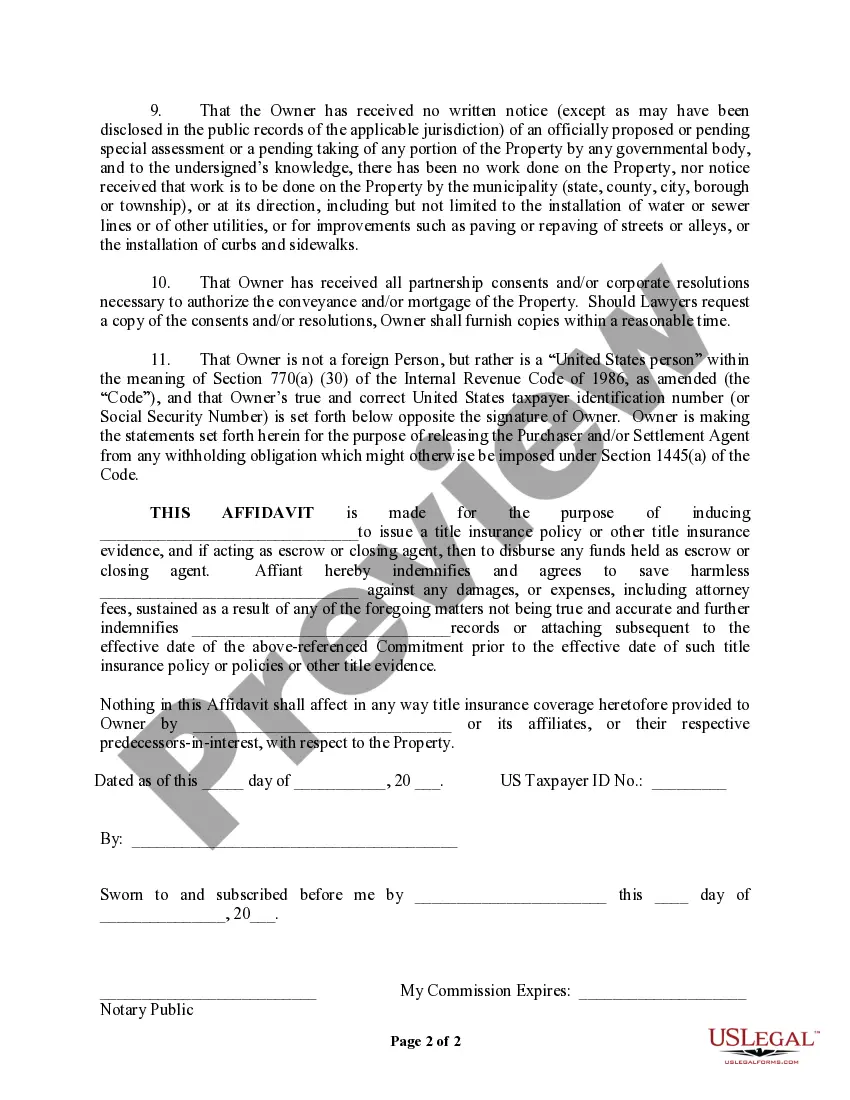
While it may not be mandatory in every case, it’s often smart to have a Gap Undertaking to prevent any hiccups during the title process.
It helps to assure that there are no hidden surprises, affirming your claim to the property and ensuring a smoother title transfer.
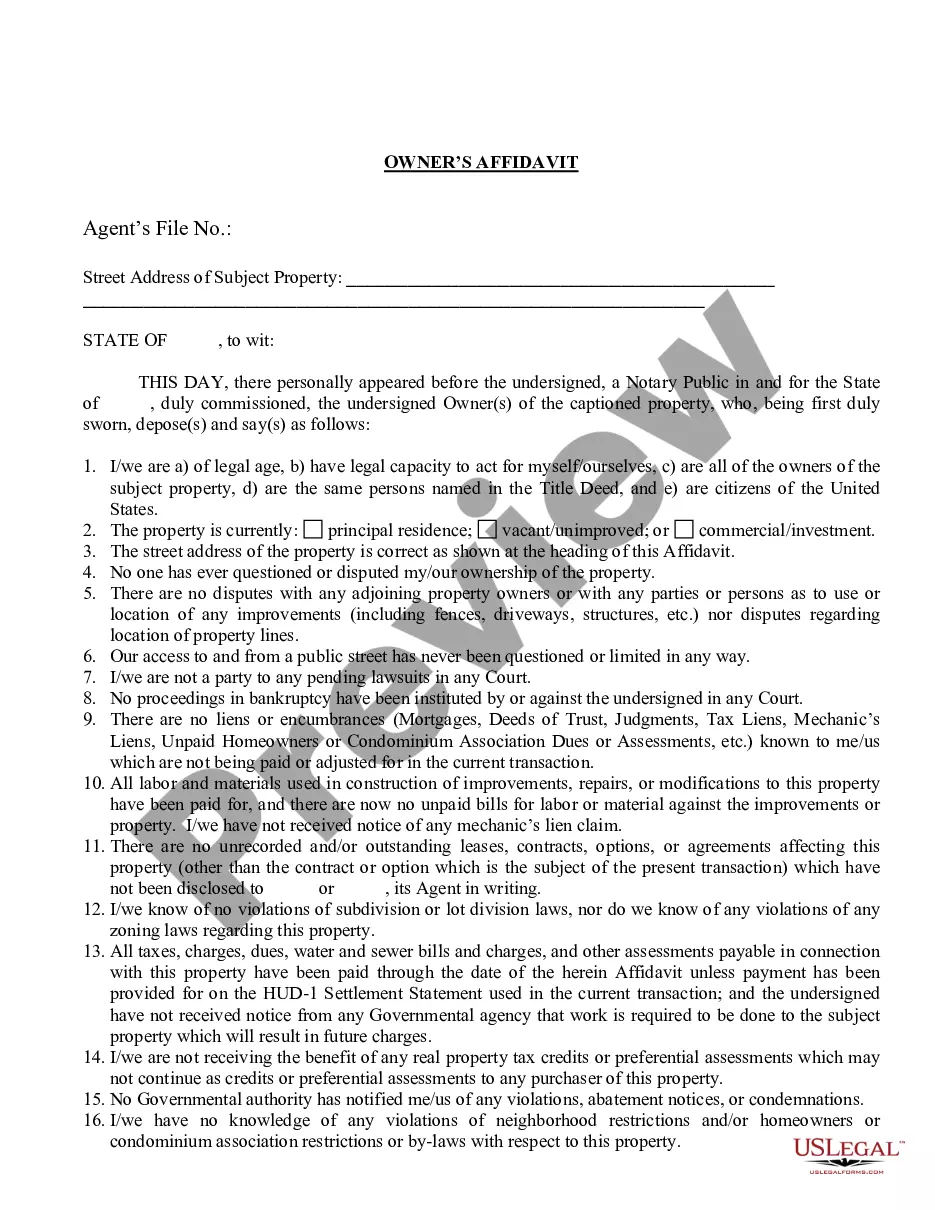
Usually, it's the property owner or their representative who signs the Owner's Affidavit, ensuring they’re acknowledging the truth of the information provided.
A Gap Undertaking is used to cover any gaps in the title until everything is settled, making sure you're protected during the property's legal transition.
An Owner's Affidavit is a document where the property owner swears to certain facts about the property, helping to clarify ownership and rights.