Key skills include strong communication, problem-solving, and an understanding of ecology and animal behavior. Being adaptable can go a long way, too!
Absolutely! Any hands-on experience shows that you're passionate and dedicated to your field, which can make a strong impression on potential employers.
Networking can be a lifesaver! Connecting with local professionals can lead to job opportunities and give you insights into the field that you might not find online.
You can look for roles with wildlife conservation groups, zoos, or research projects. There's a mix of fieldwork and lab work, depending on your interests.
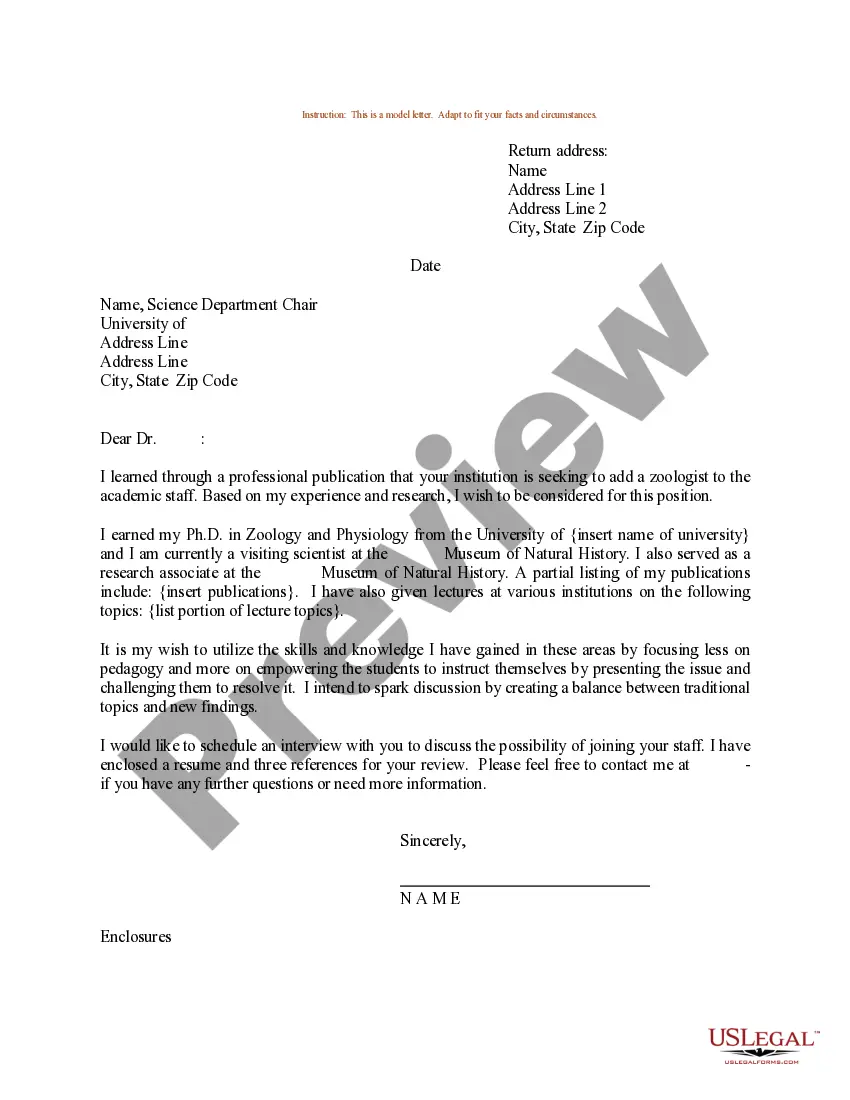
Typically, you'll want at least a bachelor's degree in biology or zoology, plus any hands-on experience with animals. Extra certifications can give you an edge.
Use action words, tailor your resume to the job description, and don't shy away from showcasing unique experiences that set you apart, like field research or special projects.
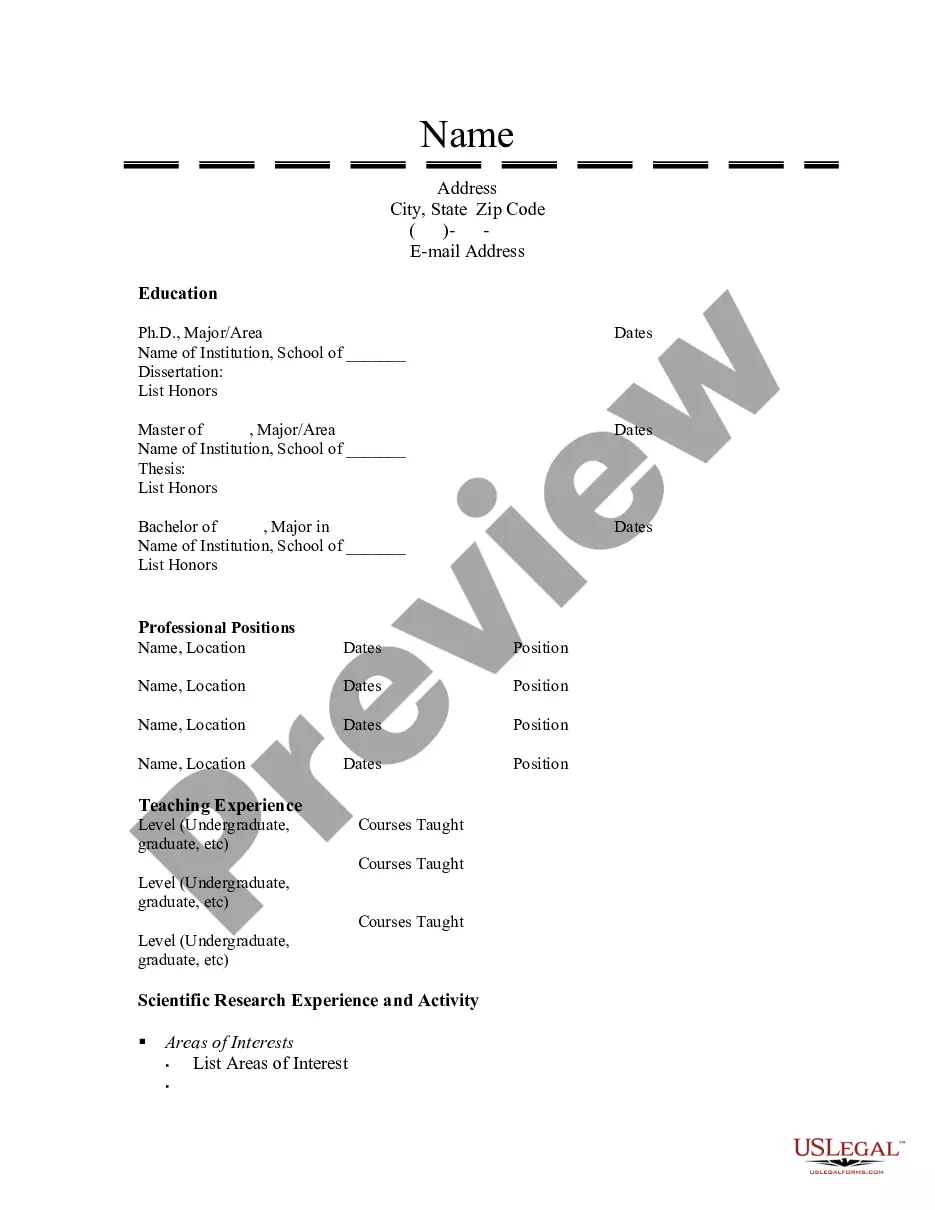
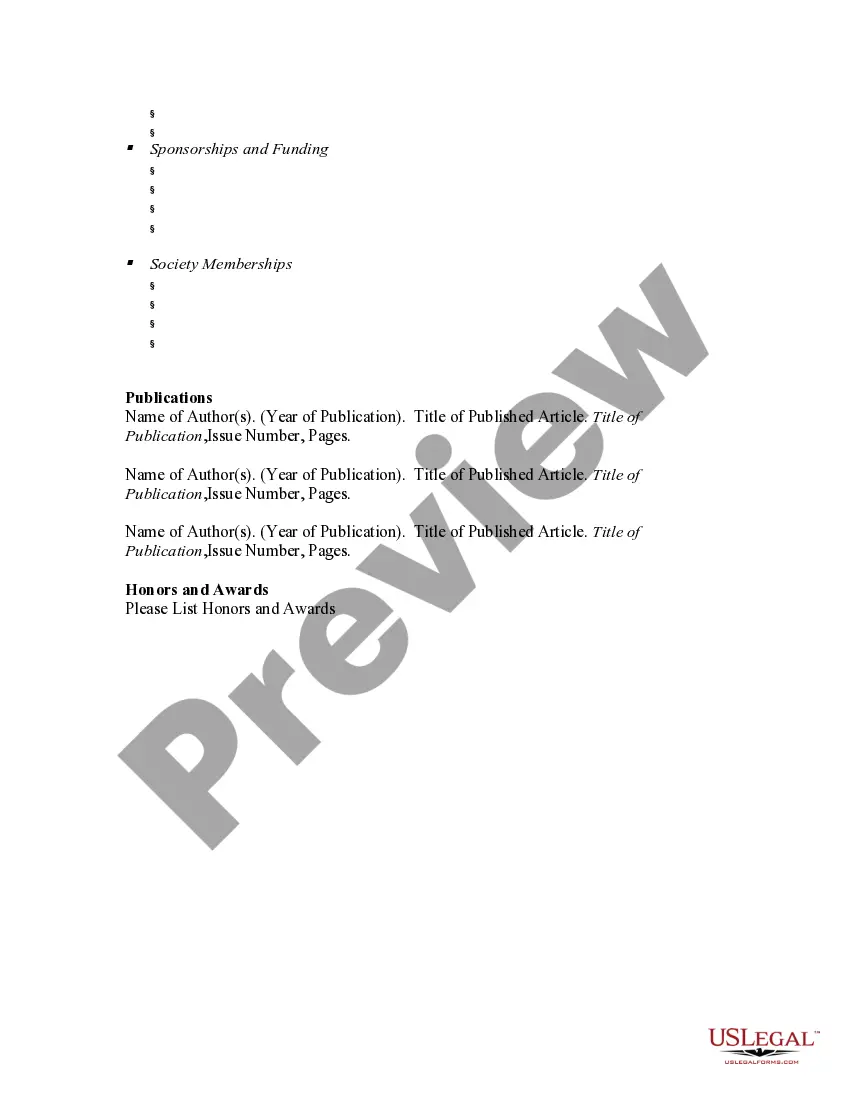
Be sure to highlight your education, relevant experience with animals, any internships or volunteer work, and specific skills like animal care or habitat assessment.