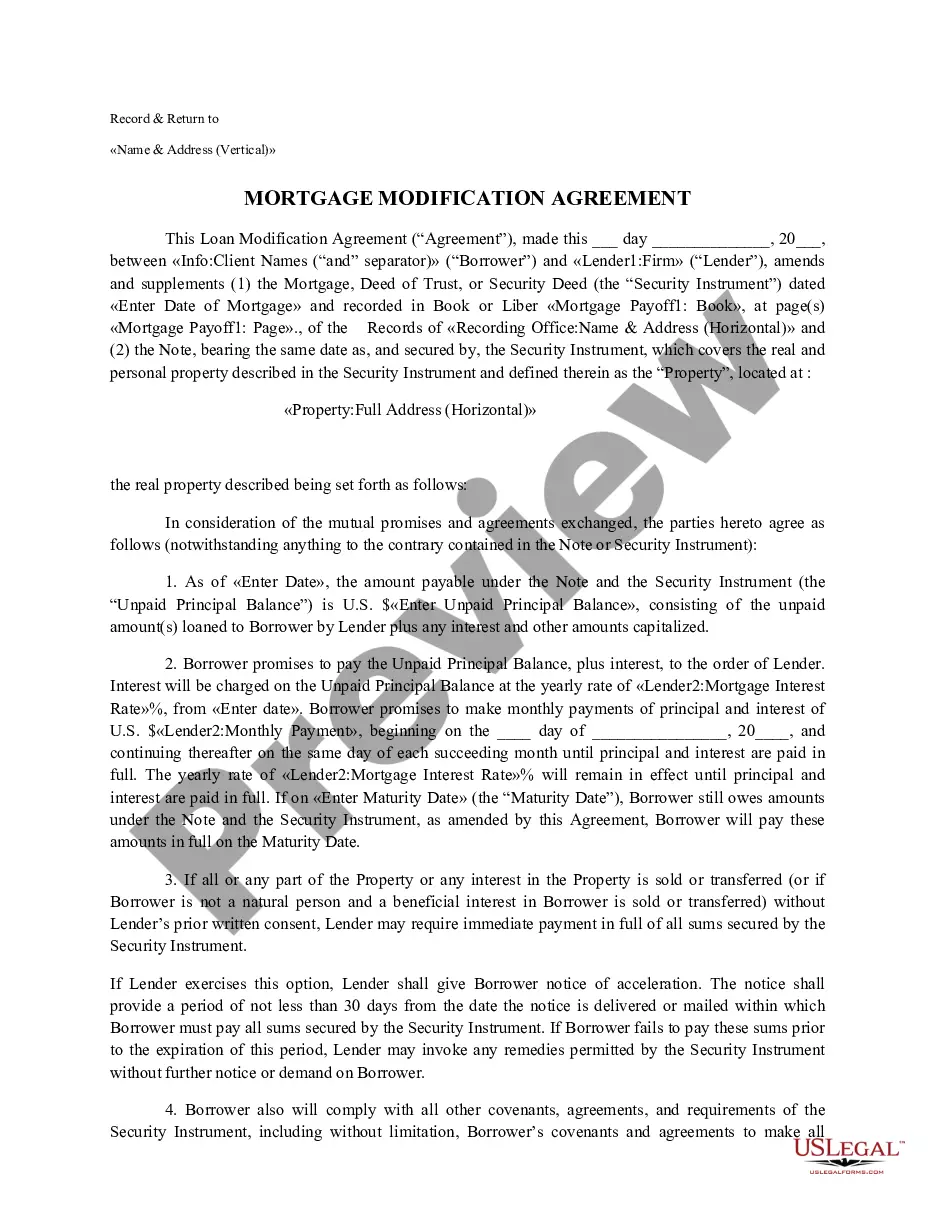
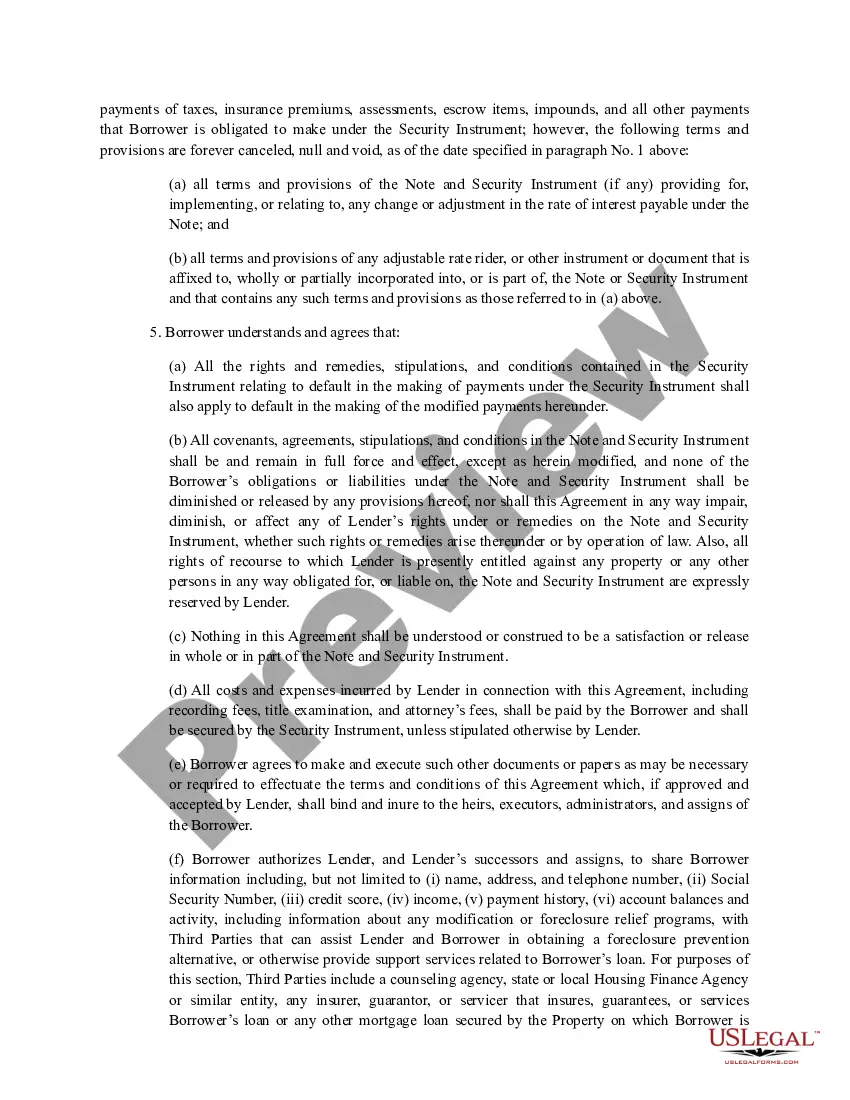
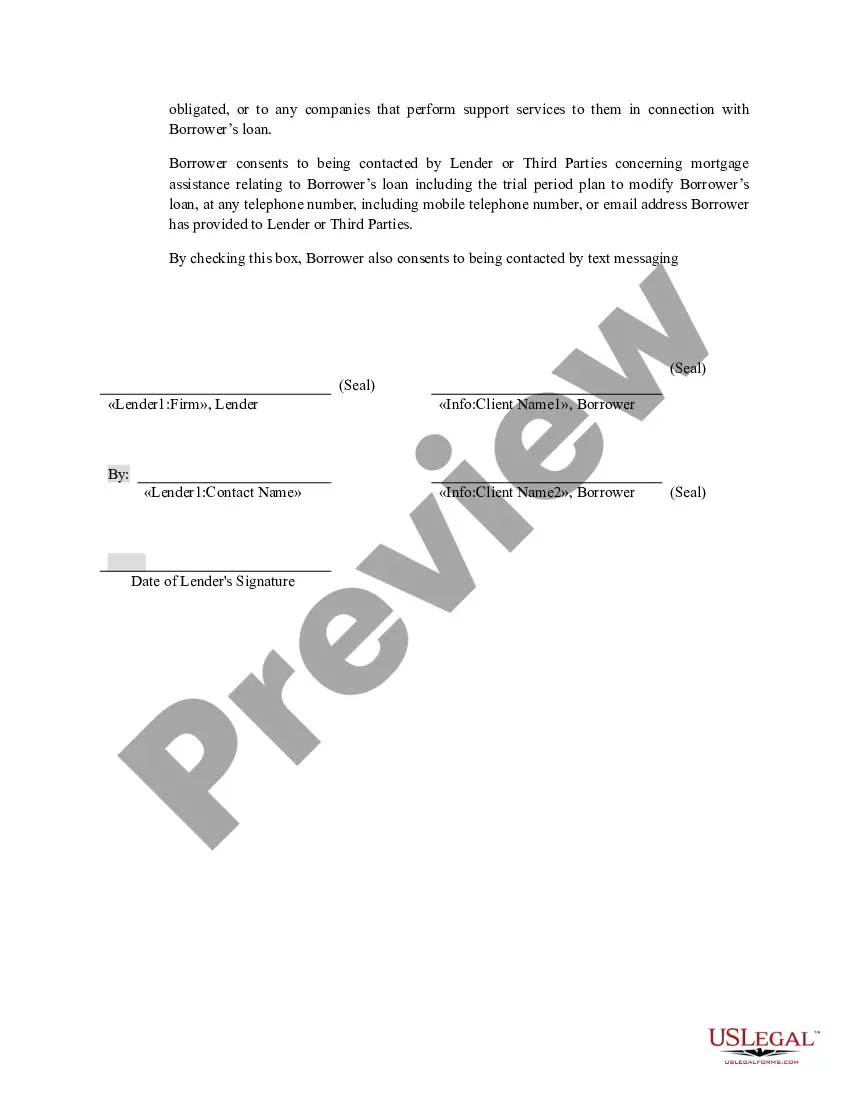
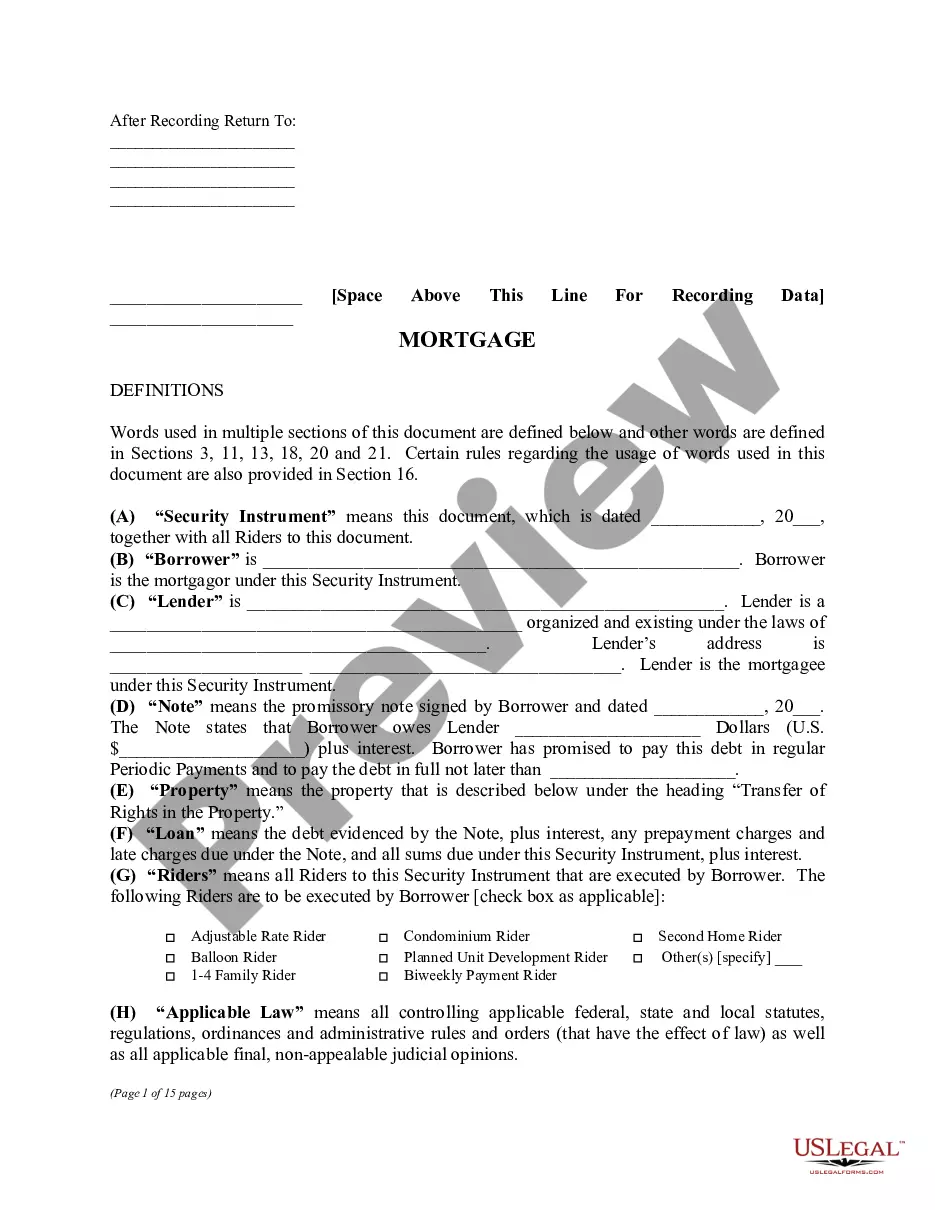
This document allows for the borrower and the lender to amend and supplement the mortgage, Deed of Trust or Deed to Secure Debt concerning the real and personal property described in the document.
If you find yourself denied, don't lose heart. You can ask your lender for the reasons and see if there are any alternative options available. Sometimes, a different approach can lead to success.
While it’s not a requirement, having an attorney can be helpful to navigate the details of your modification agreement. They can offer guidance and ensure you understand the terms.
The timeline can vary widely, but it can take anywhere from a few weeks to several months to finalize a mortgage modification. Patience is key during this process.
A mortgage modification might not have as severe an impact on your credit score as a foreclosure or short sale, but it’s still a good idea to check with your lender to understand how it may affect your credit.
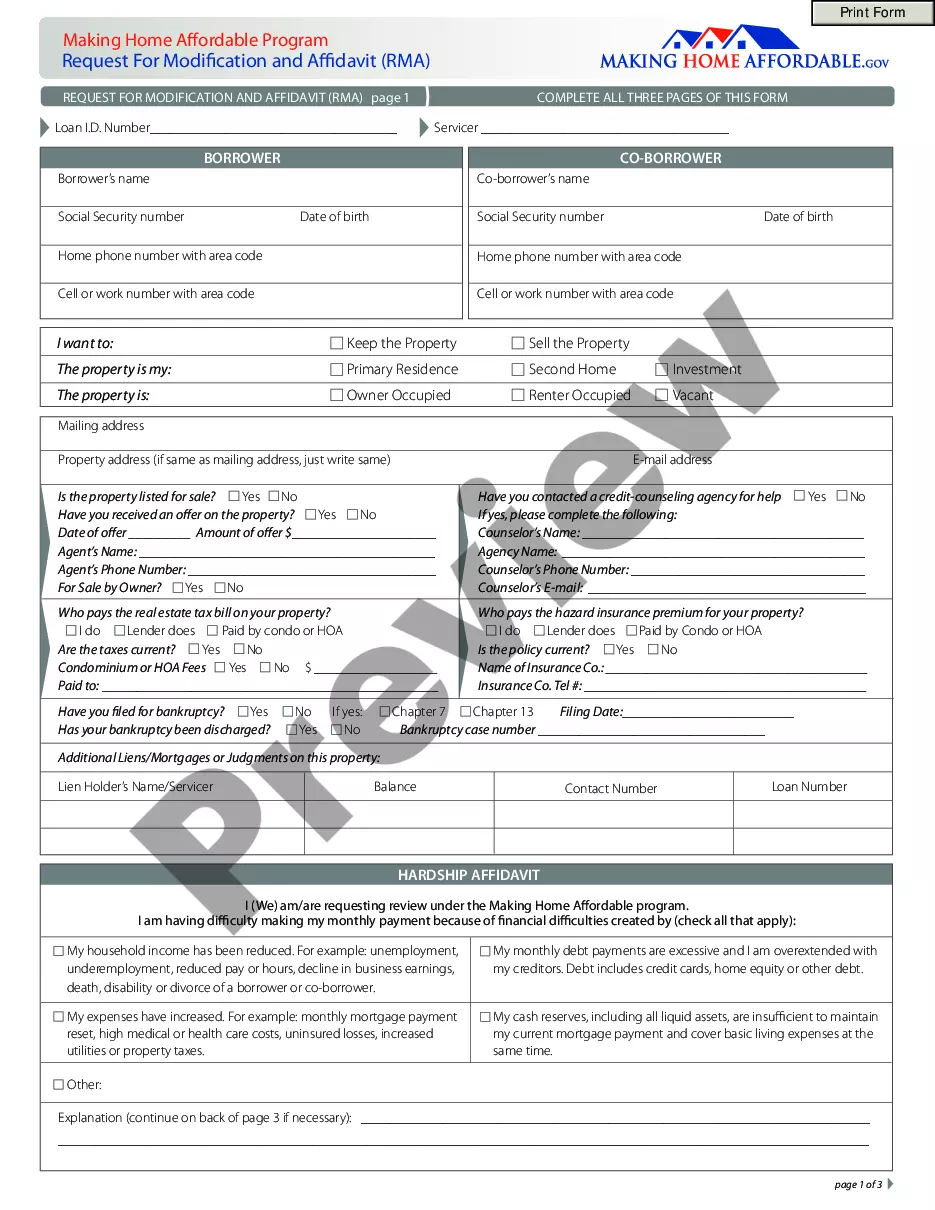
The process generally starts with you reaching out to your lender and expressing your need for modification. You'll need to provide financial documents, and then the lender will assess your situation and propose new terms if eligible.