Yes, Requests for Admissions can be utilized in various types of legal cases, from personal injury to contract disputes. They’re a versatile tool, much like a Swiss army knife in the legal toolbox.
Generally, the other party has 30 days to respond after receiving the Request for Admissions. It’s a standard grace period that keeps everyone moving at a steady pace.
If the other party doesn’t respond, they might be considered to have admitted the facts you asked about. It’s like giving them a chance to speak up, and if they choose to stay silent, the door might close on them.
Any party involved in a legal case can send a Request for Admissions. It's open for business, so to speak, for anyone looking to get clarity from the other party.
The purpose is to pinpoint and agree on certain facts of the case. It streamlines the process, so when you hit the court, you're not bogged down with disagreements over simple things.
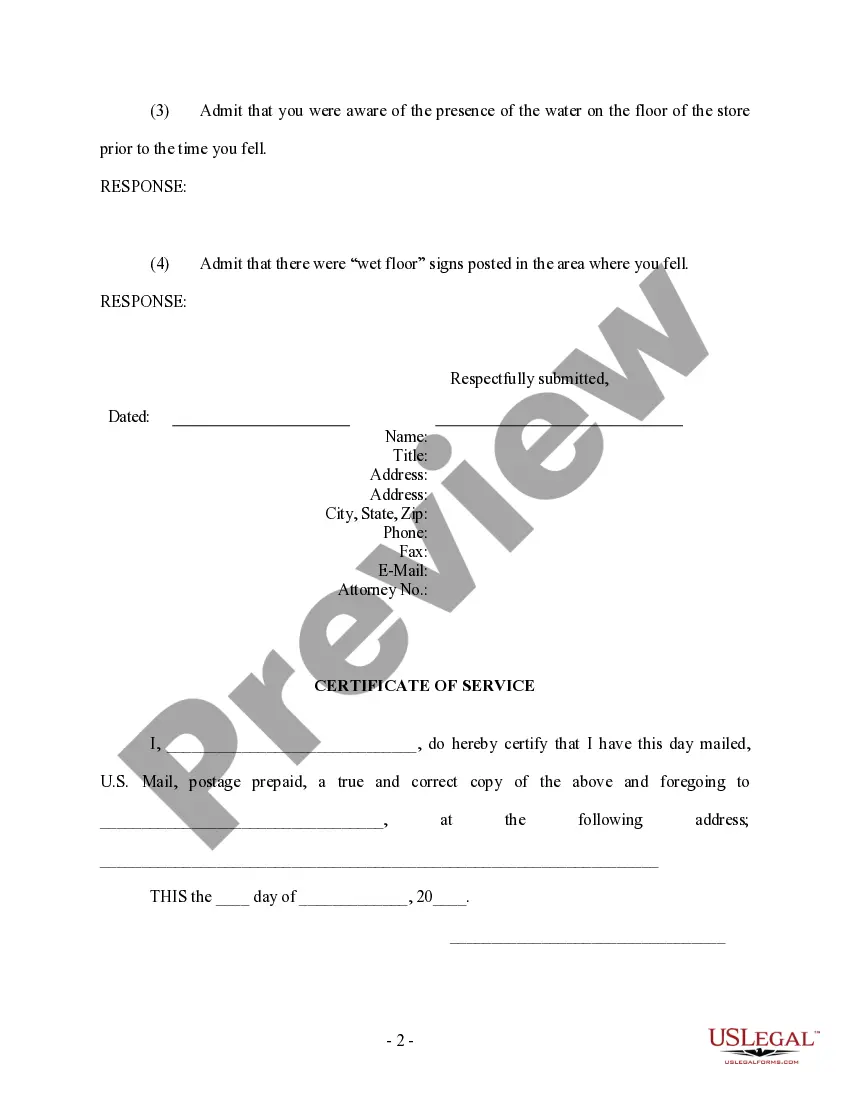
To file a Request for Admissions, you typically need to prepare your document, serve it to the other party, and follow the proper court procedures. It's a bit like sending an invitation – but this time, it’s to help resolve a legal matter.
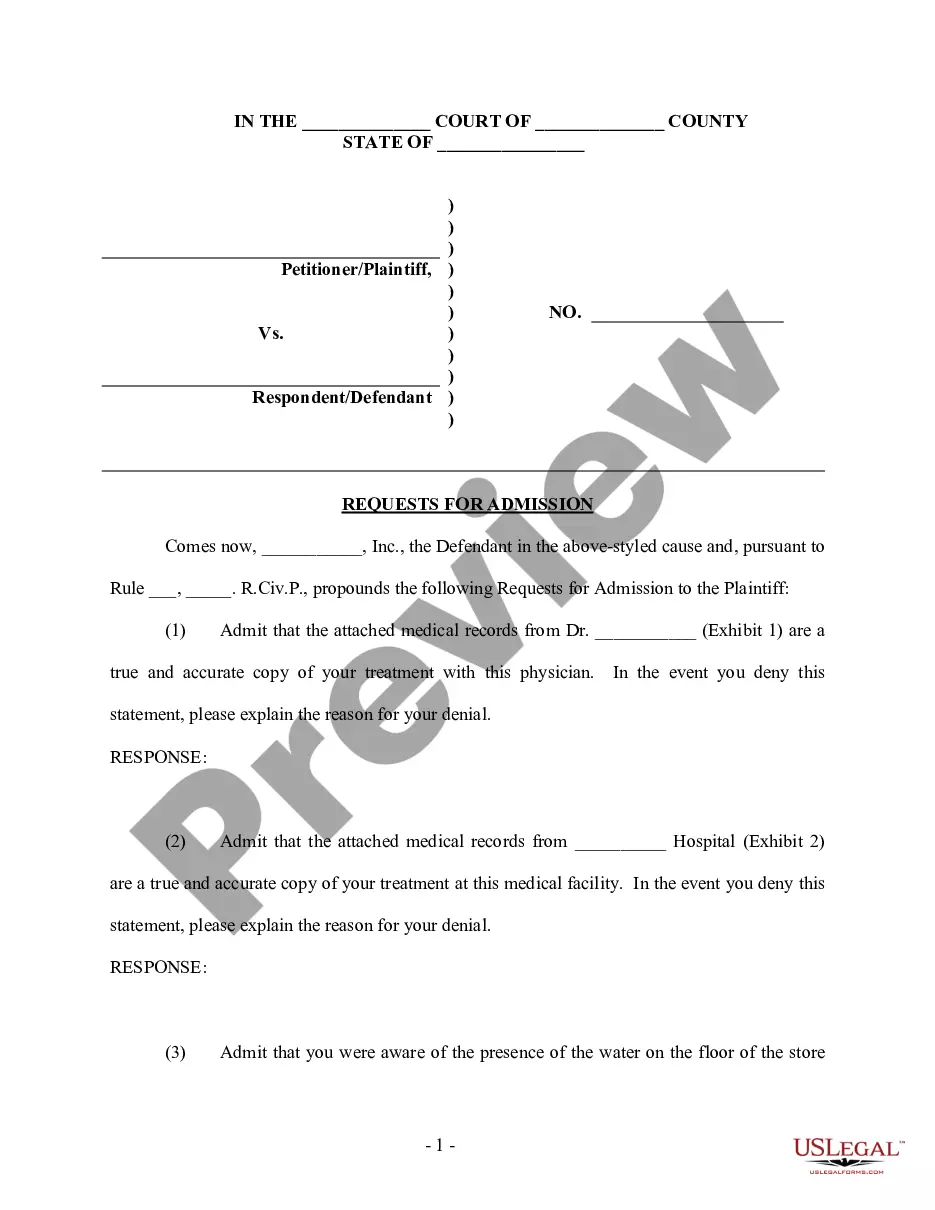
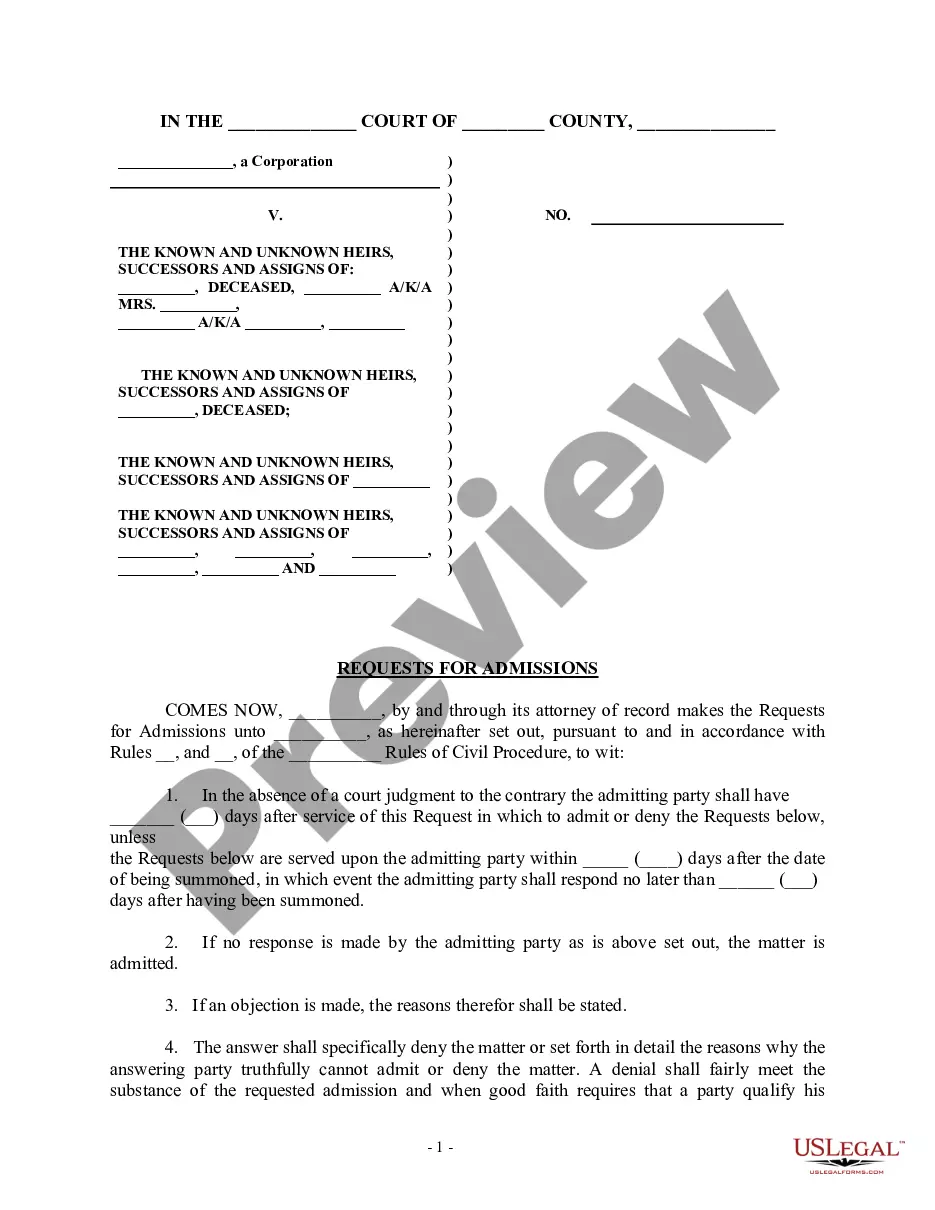
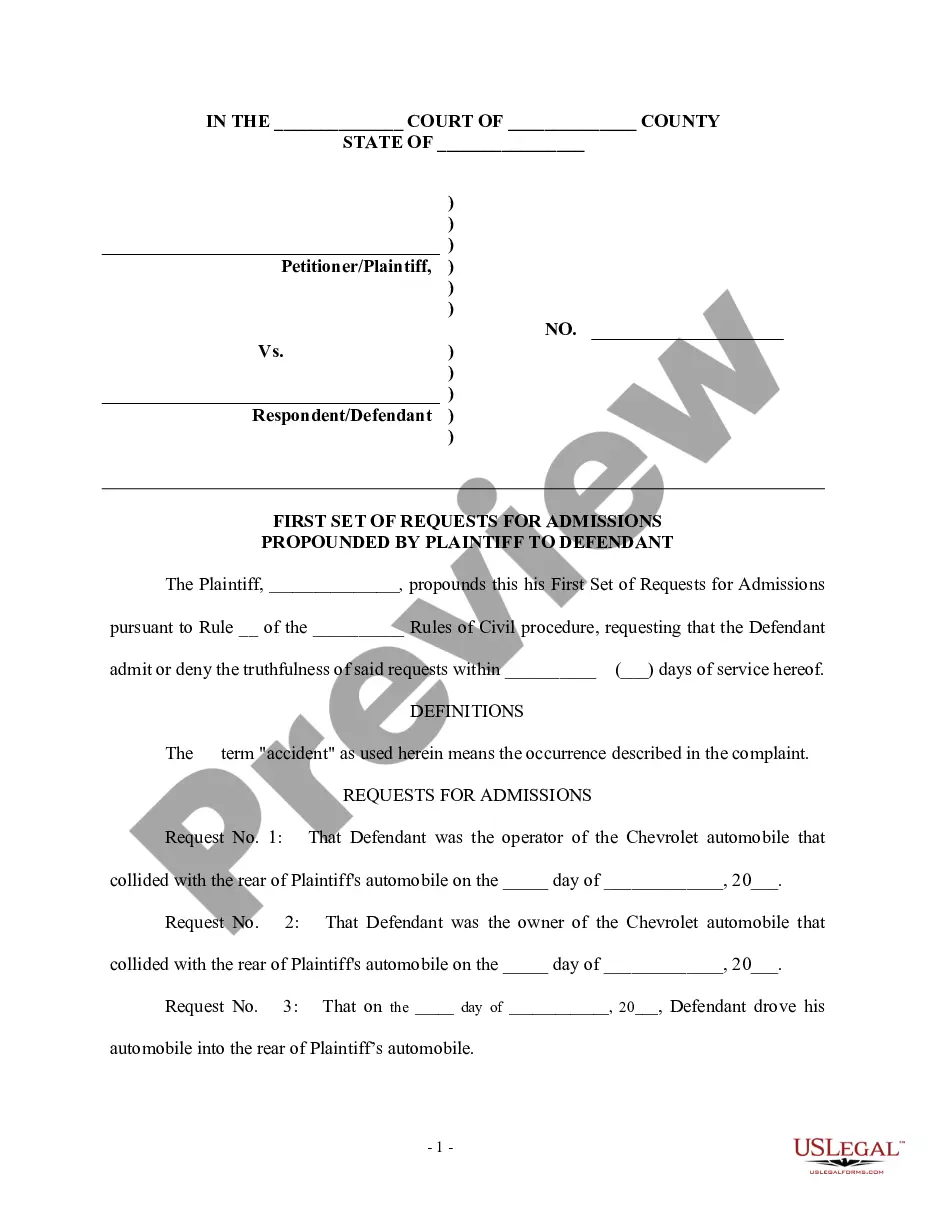
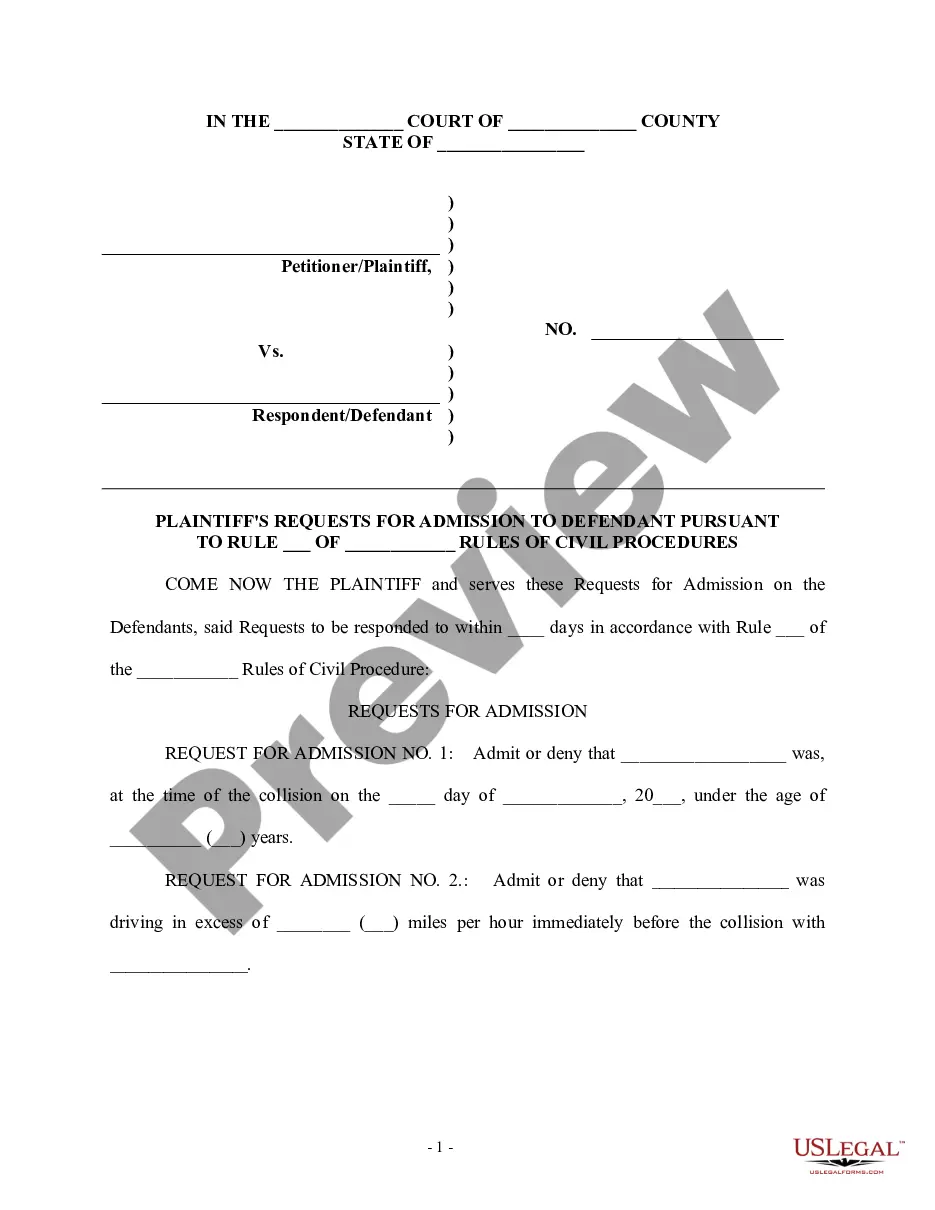
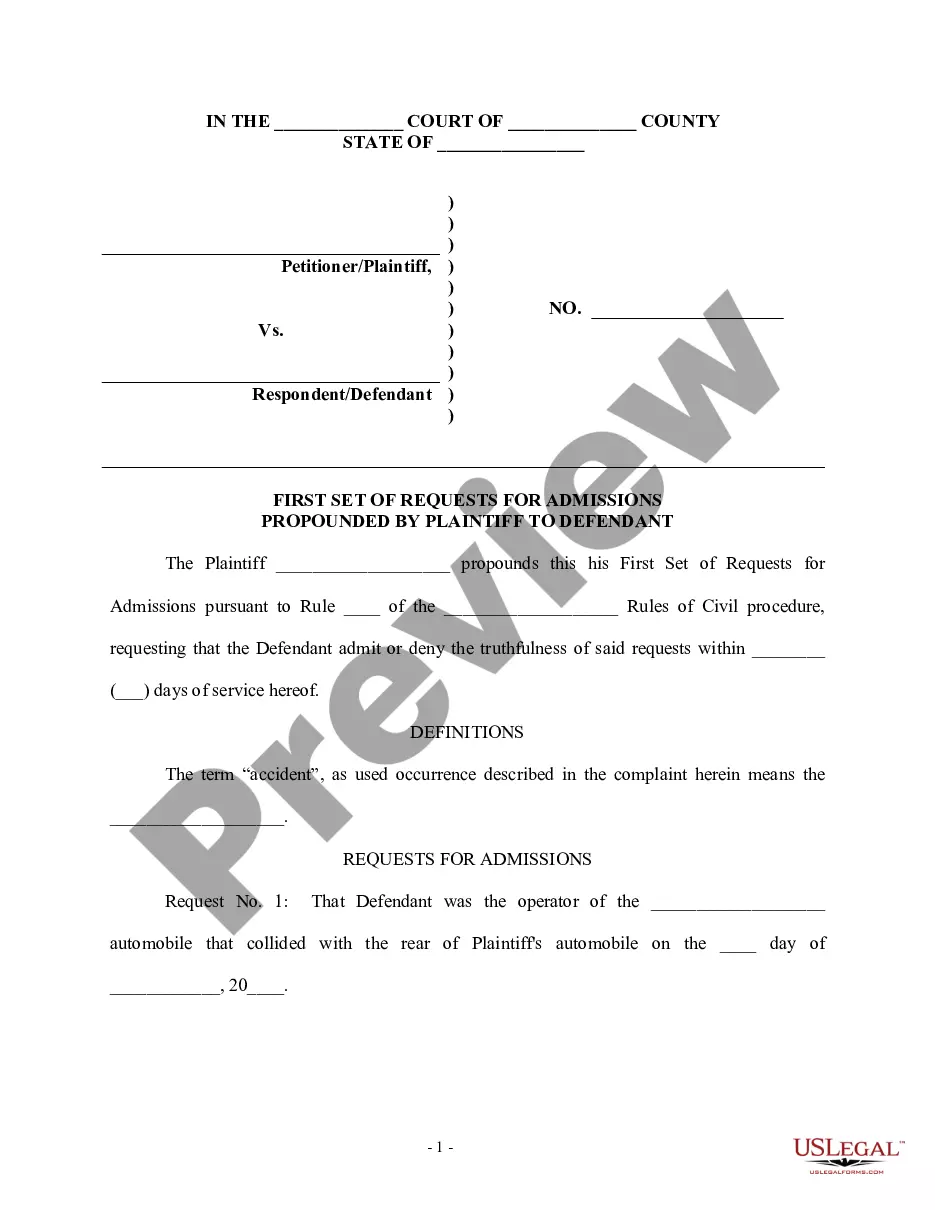
Requests for Admissions are formal papers that one party sends to another to ask them to admit or deny certain facts in a legal case. Think of it as a way to clear the air and make sure everyone is on the same page.