If you don’t respond, the other side can file a motion to compel you to answer, which could lead to court consequences. So it's best to stay on top of it.
Typically, you have a set amount of time—often 30 days—to reply, but it's best to check with your attorney for specifics.
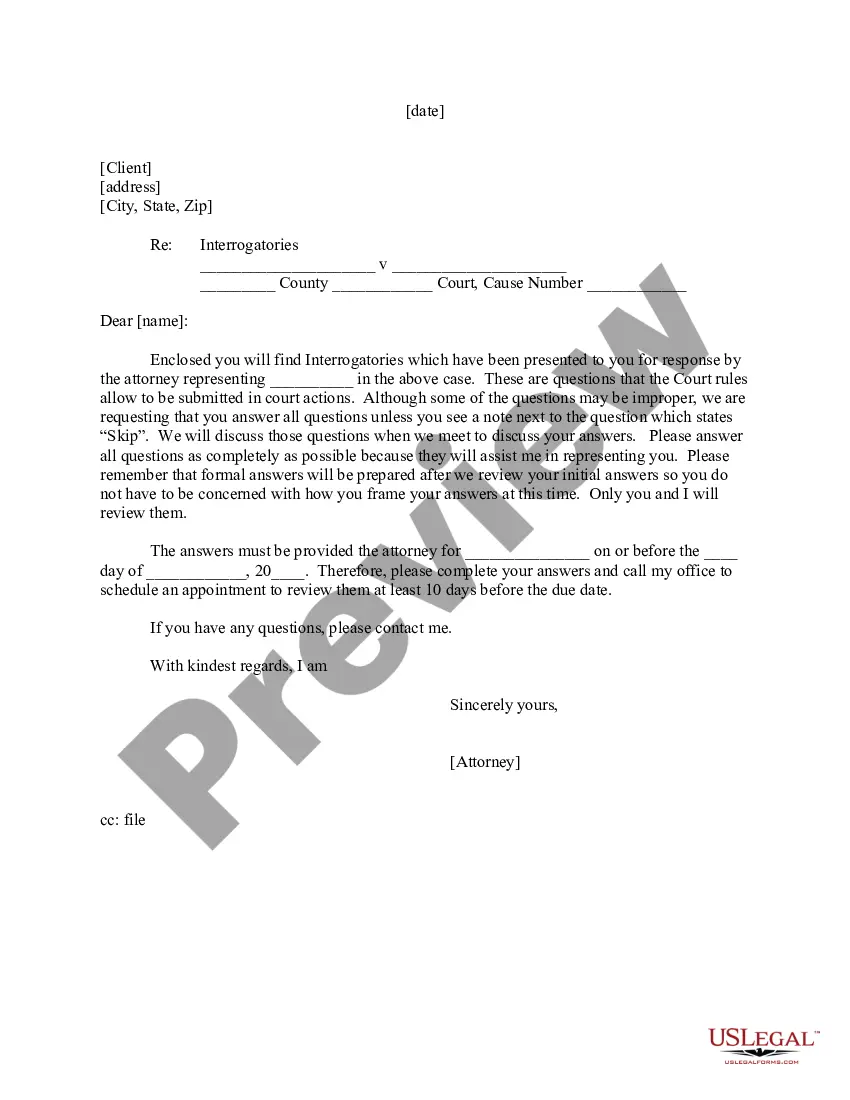
Absolutely! It’s a smart move to work with a lawyer or legal expert to make sure your answers are solid and protect your interests.
Generally, yes. You’re expected to answer all questions, but if something is too personal or doesn’t relate to the case, you can object.
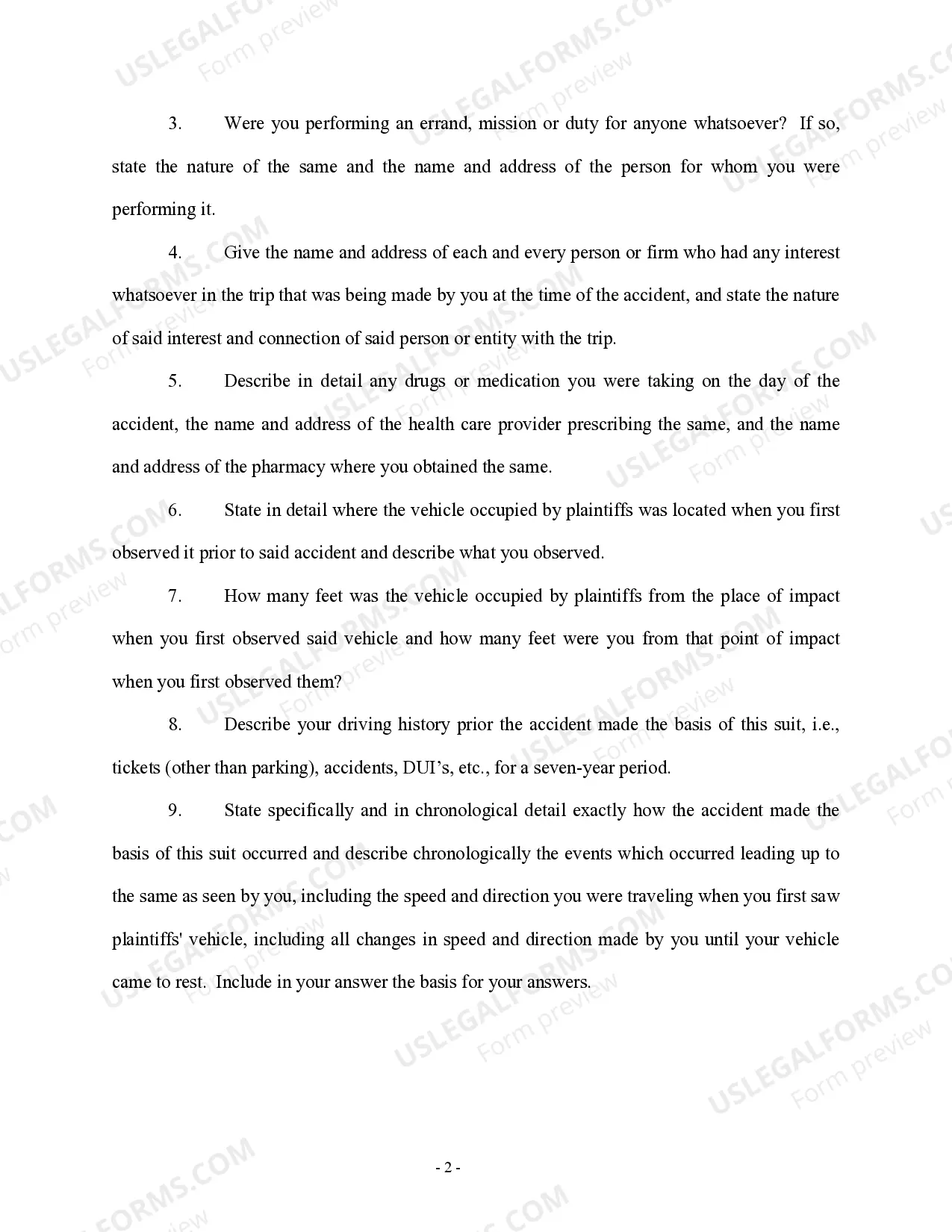
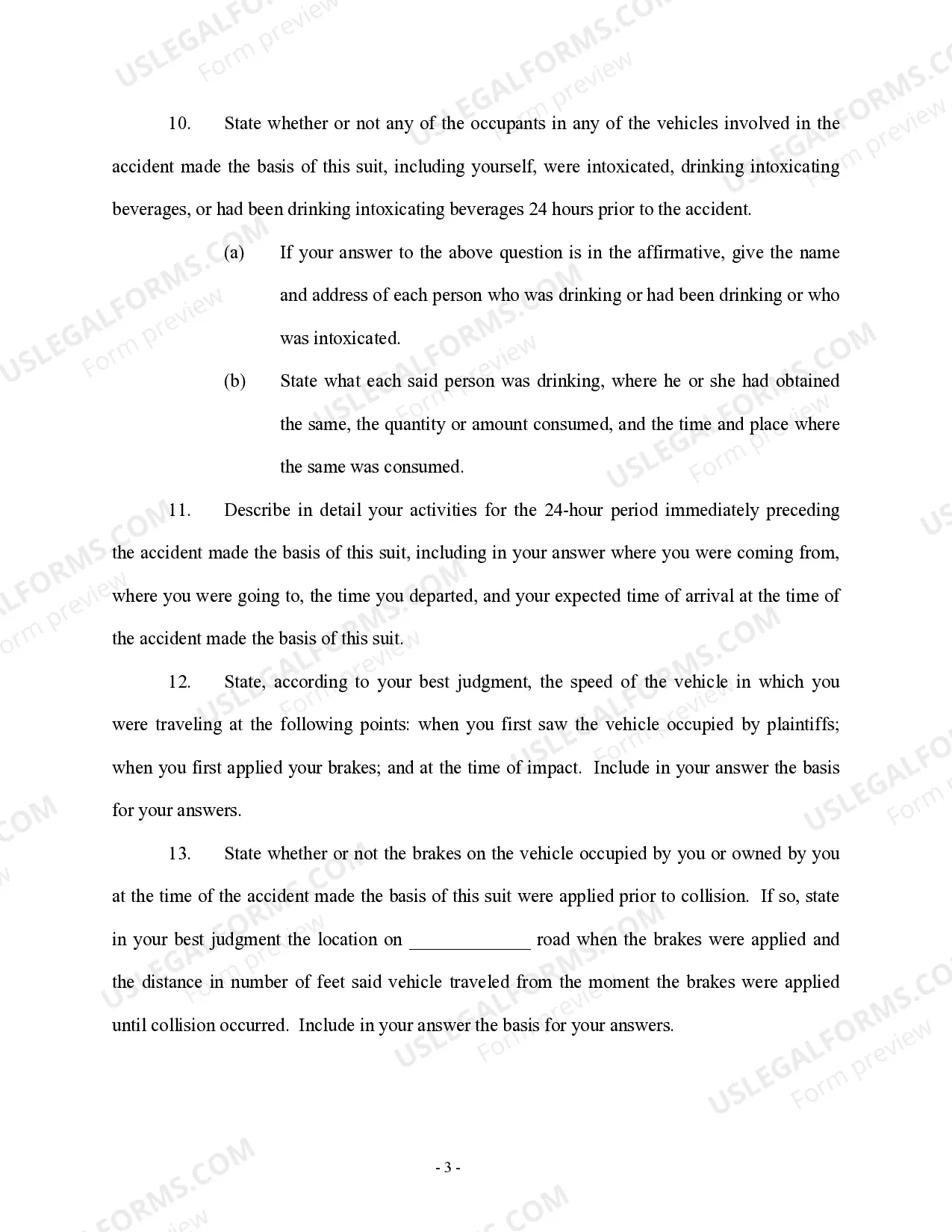
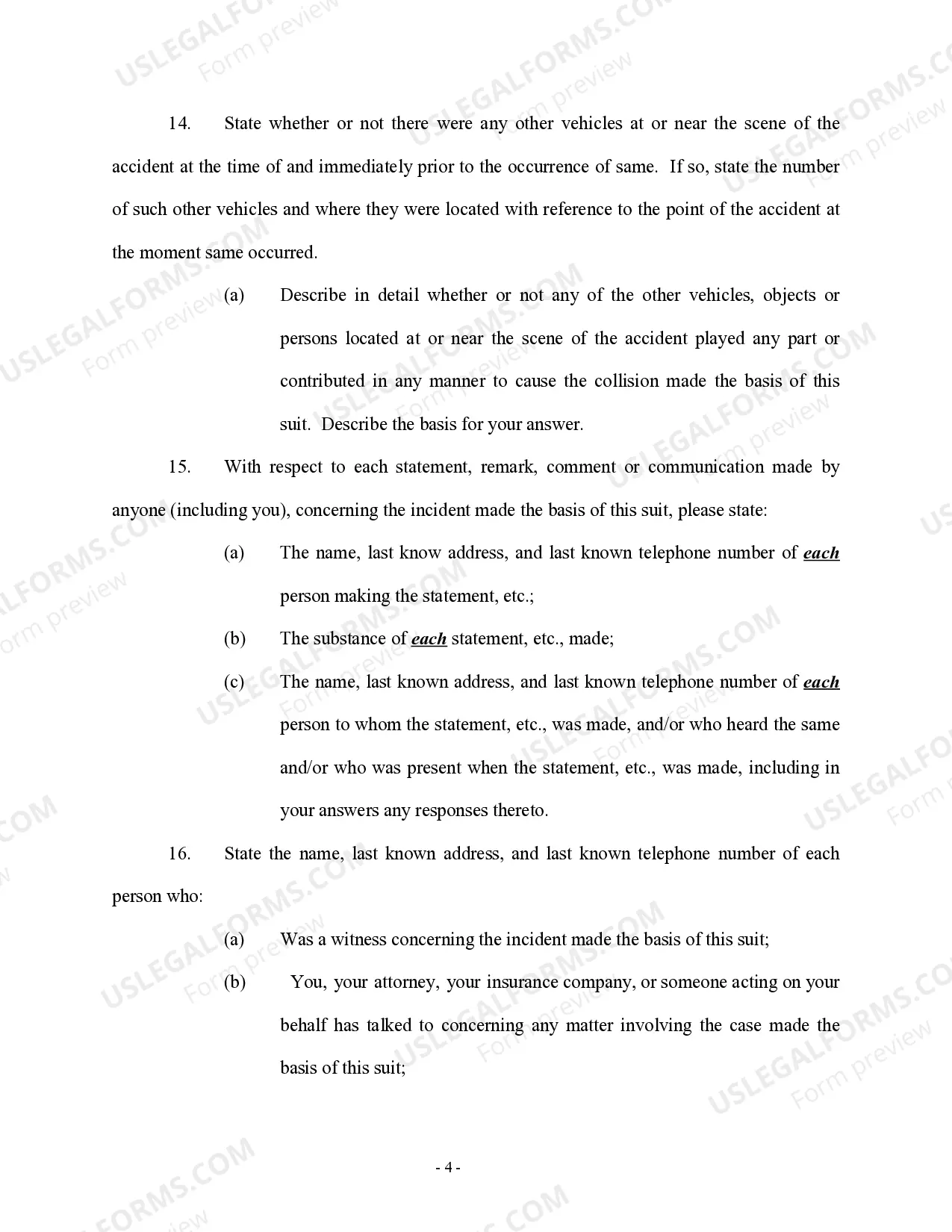
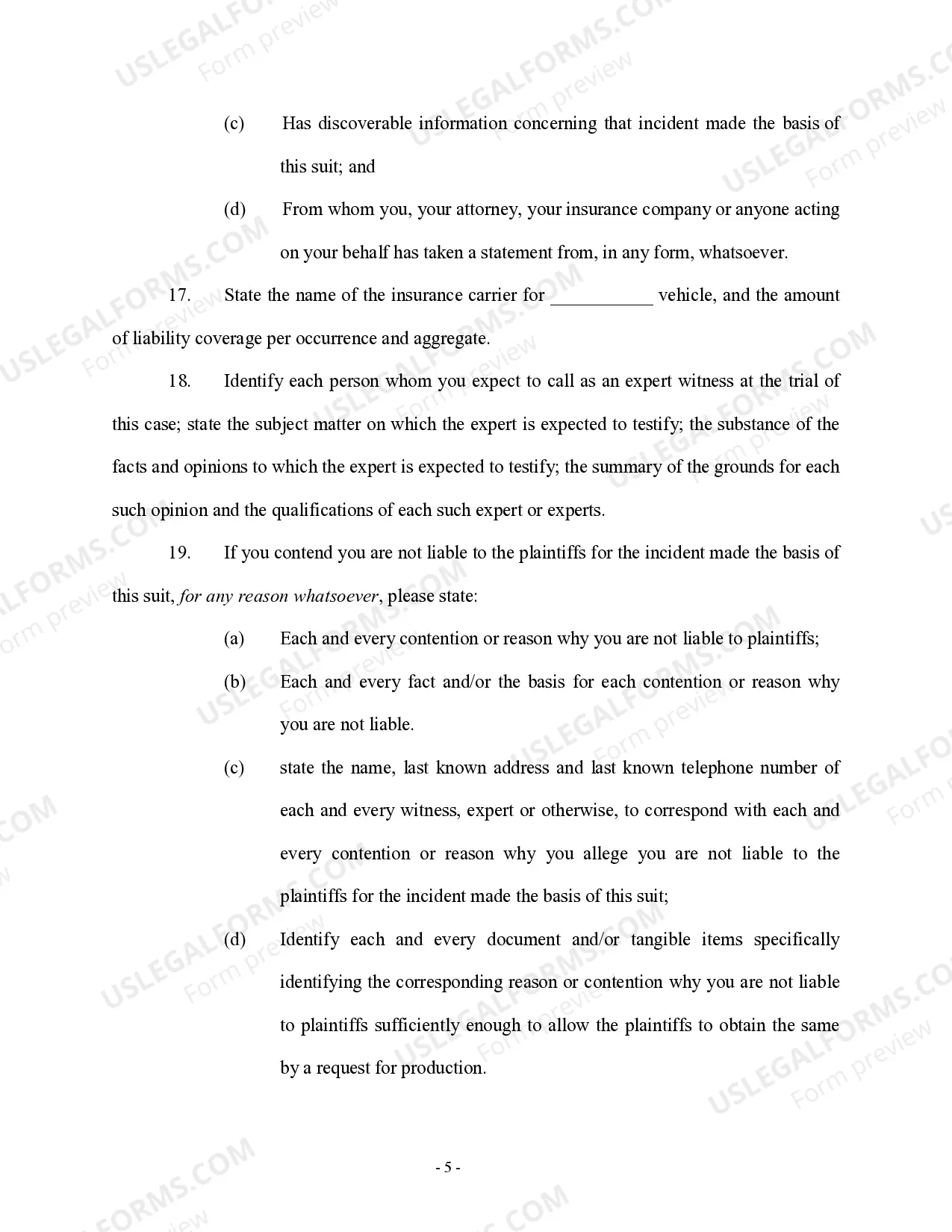
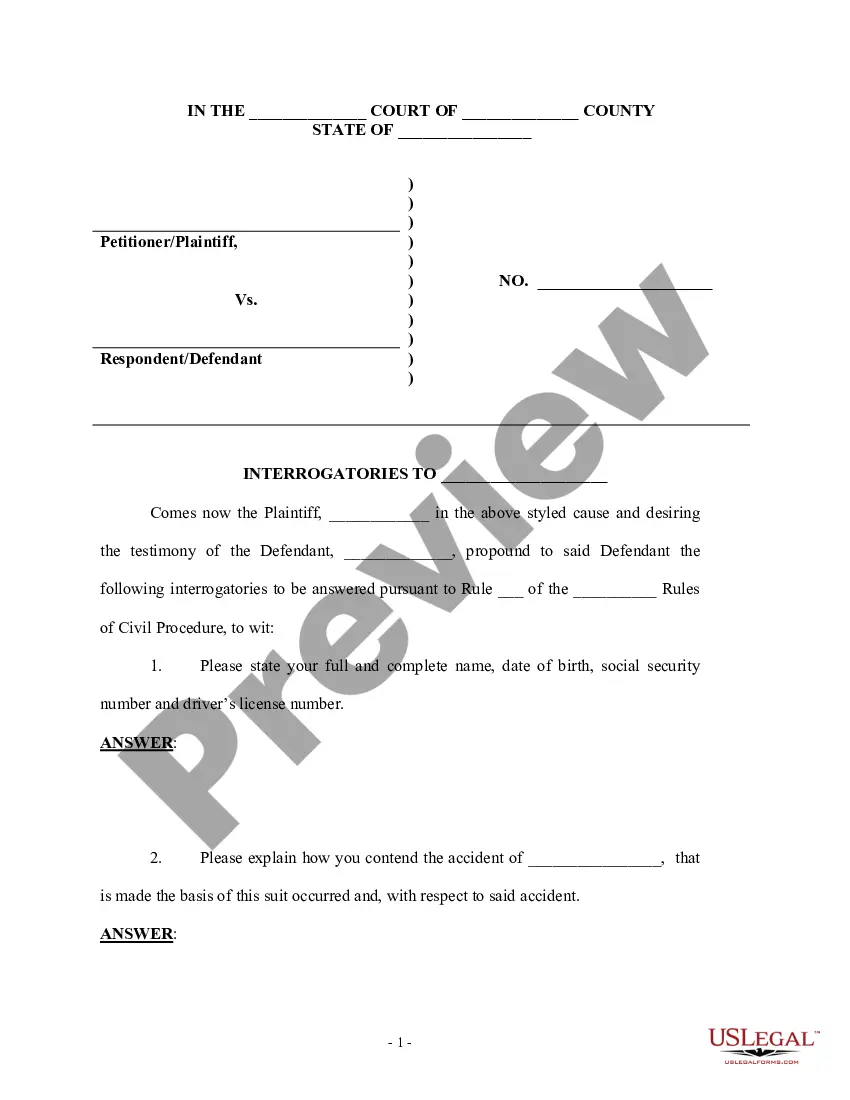
You might see questions about the accident details, your medical history, and any witnesses. They're designed to dig deep into the case.
You’ll need to carefully read each question and respond honestly, providing the requested information in clear and direct terms.
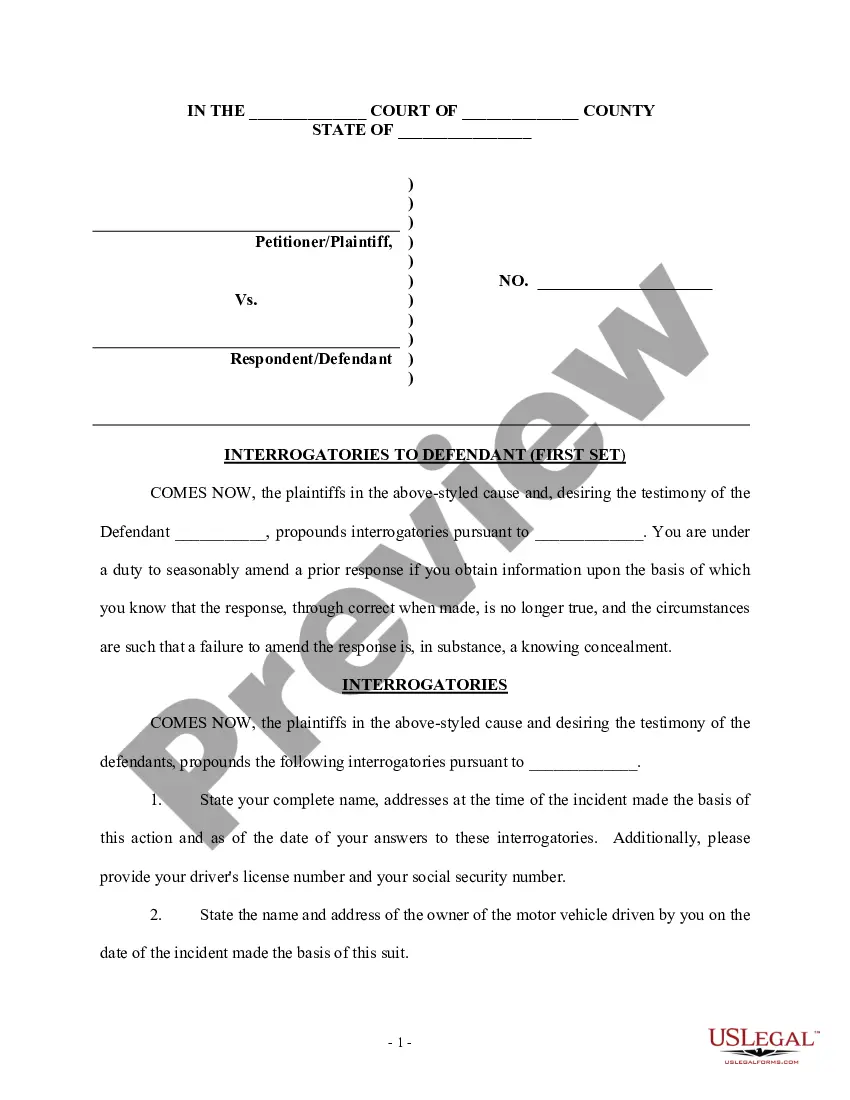
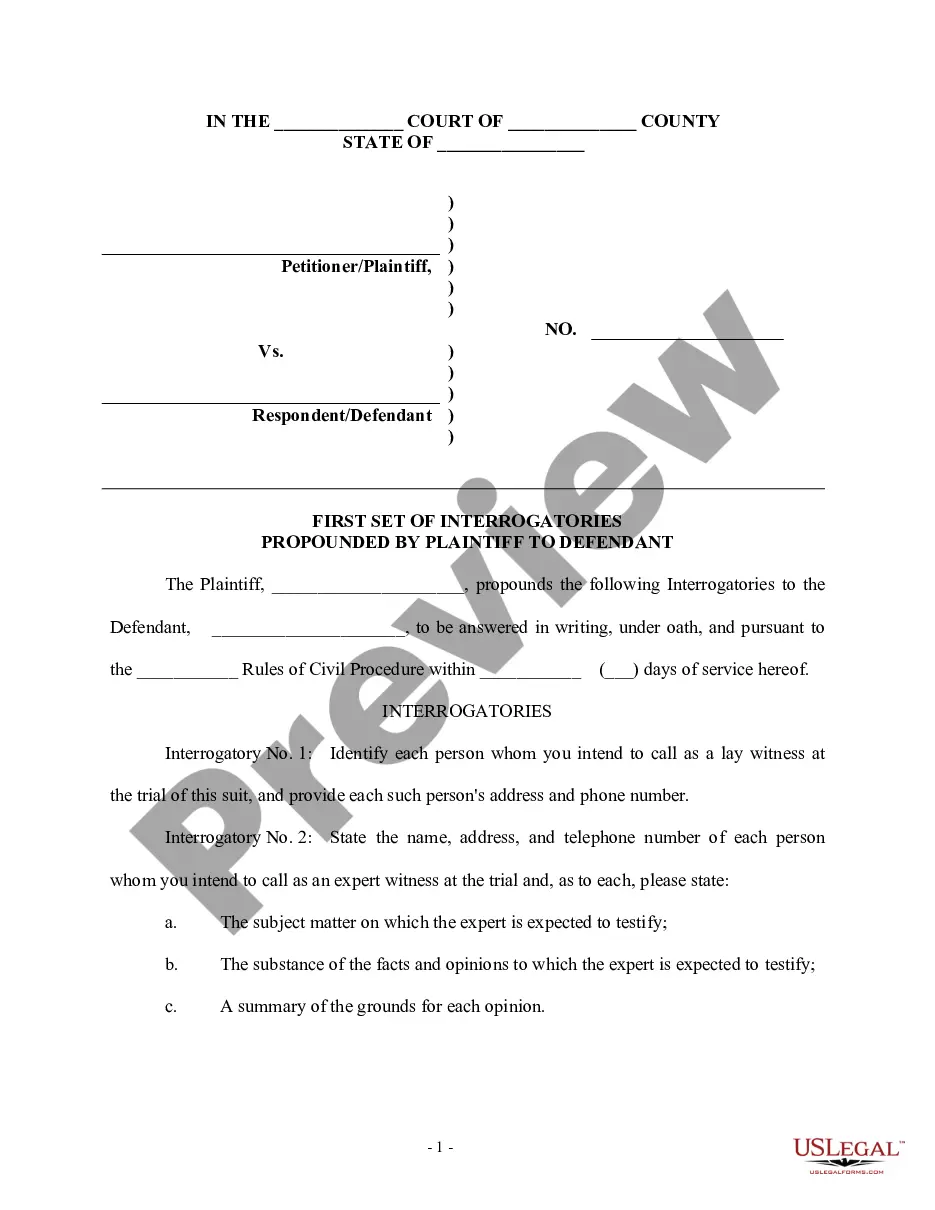
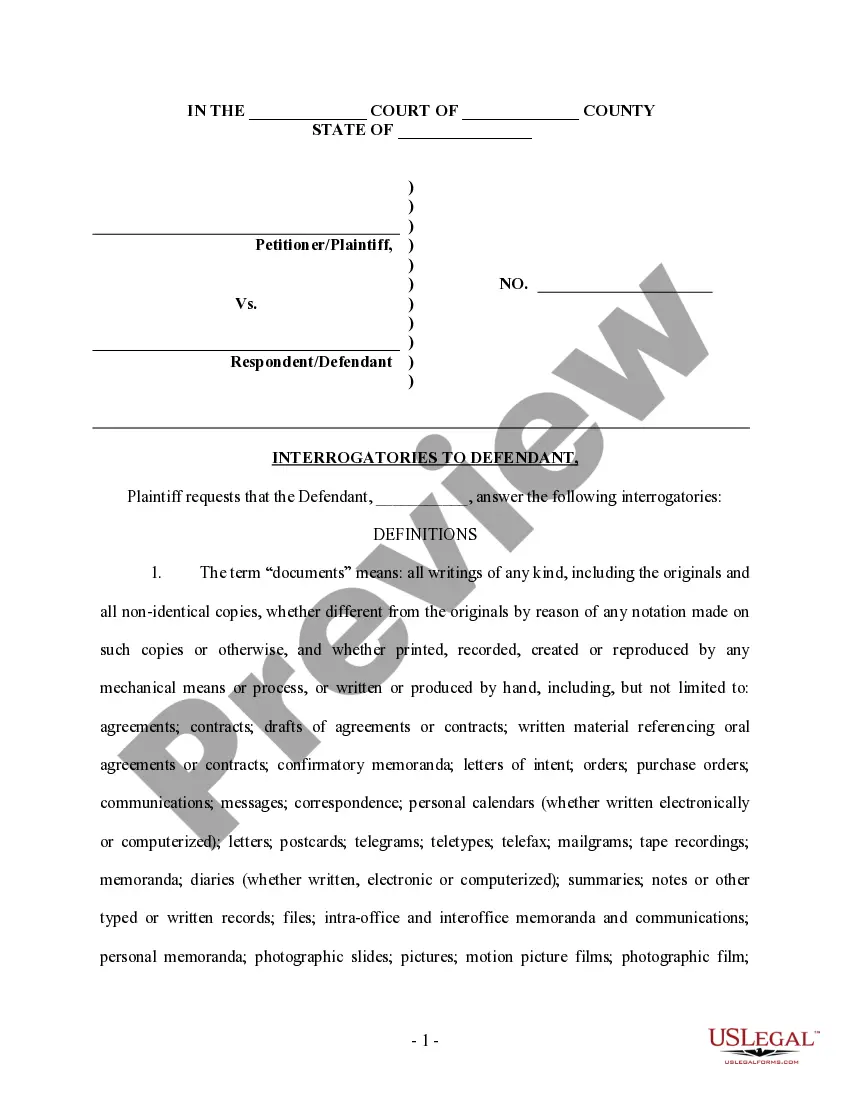
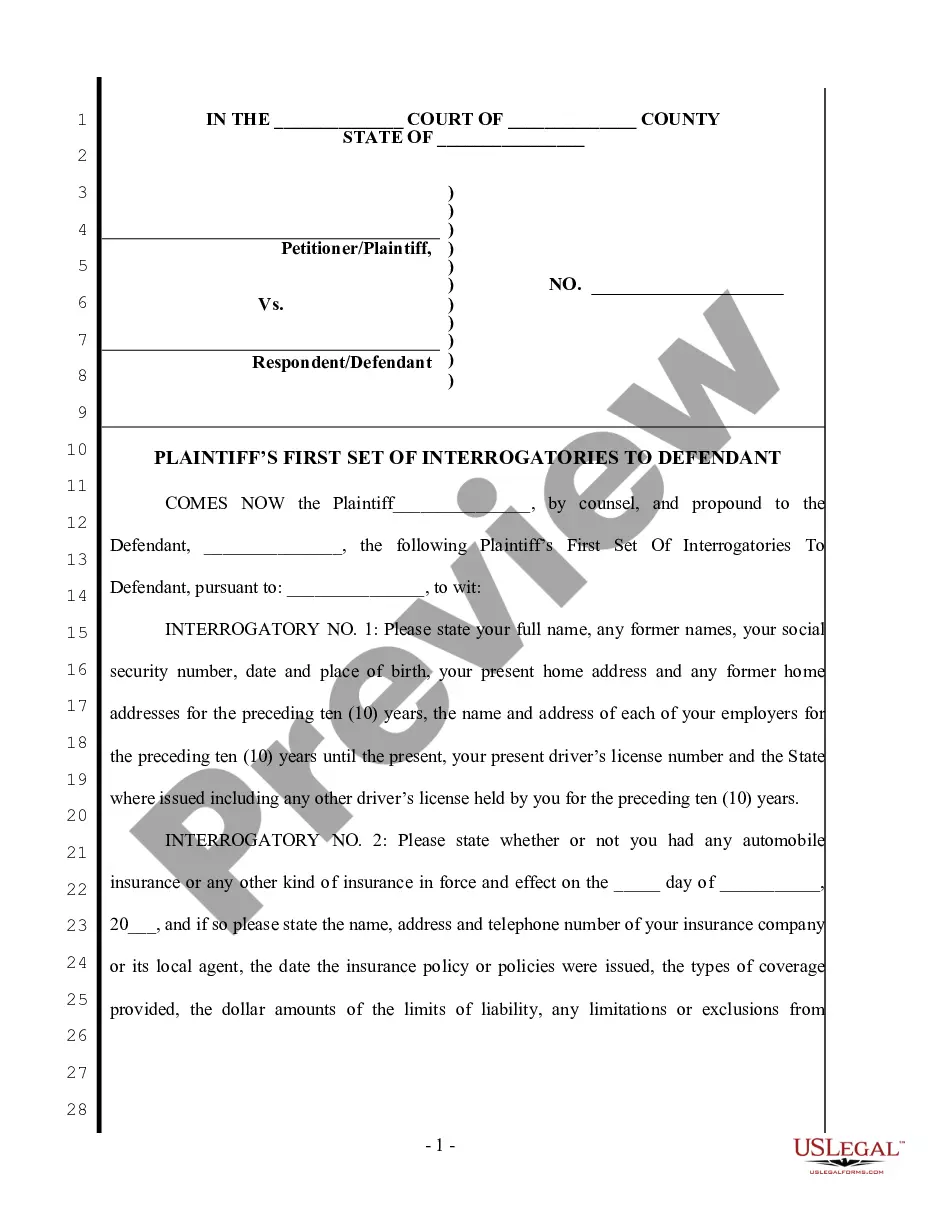
Interrogatories are written questions that one party sends to another party in a lawsuit. They're meant to gather information to help with the case.