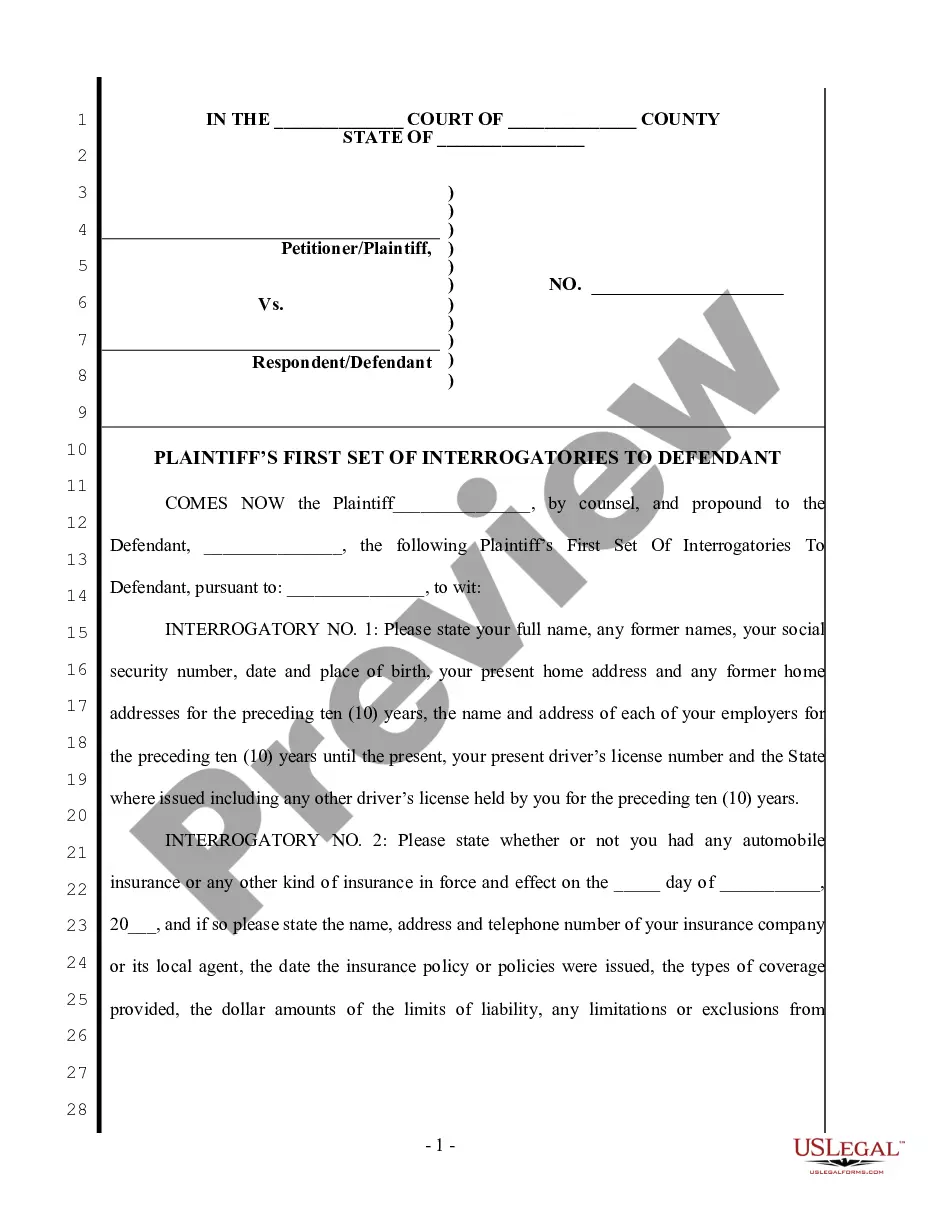
Interrogatories can help uncover essential facts and details, making it easier for you to build a strong case, and can even provide insights into the strengths and weaknesses of the defendant's position.
If a defendant fails to respond, the plaintiff can ask the court for an order to compel a response, which could lead to penalties for the defendant.
Typically, a defendant has a set time, often around 30 days, to respond to interrogatories after they receive them, but this can vary based on the court's rules.
Yes, a defendant can object to certain interrogatories if they are overly broad, irrelevant, or if answering might self-incriminate them.
Interrogatories can include questions about the events leading up to the injury, the defendant's actions, any witnesses, and medical treatments involved.
A plaintiff sends interrogatories to the defendant to get a better understanding of their side of the story, the details of the incident, and any defenses they may have.
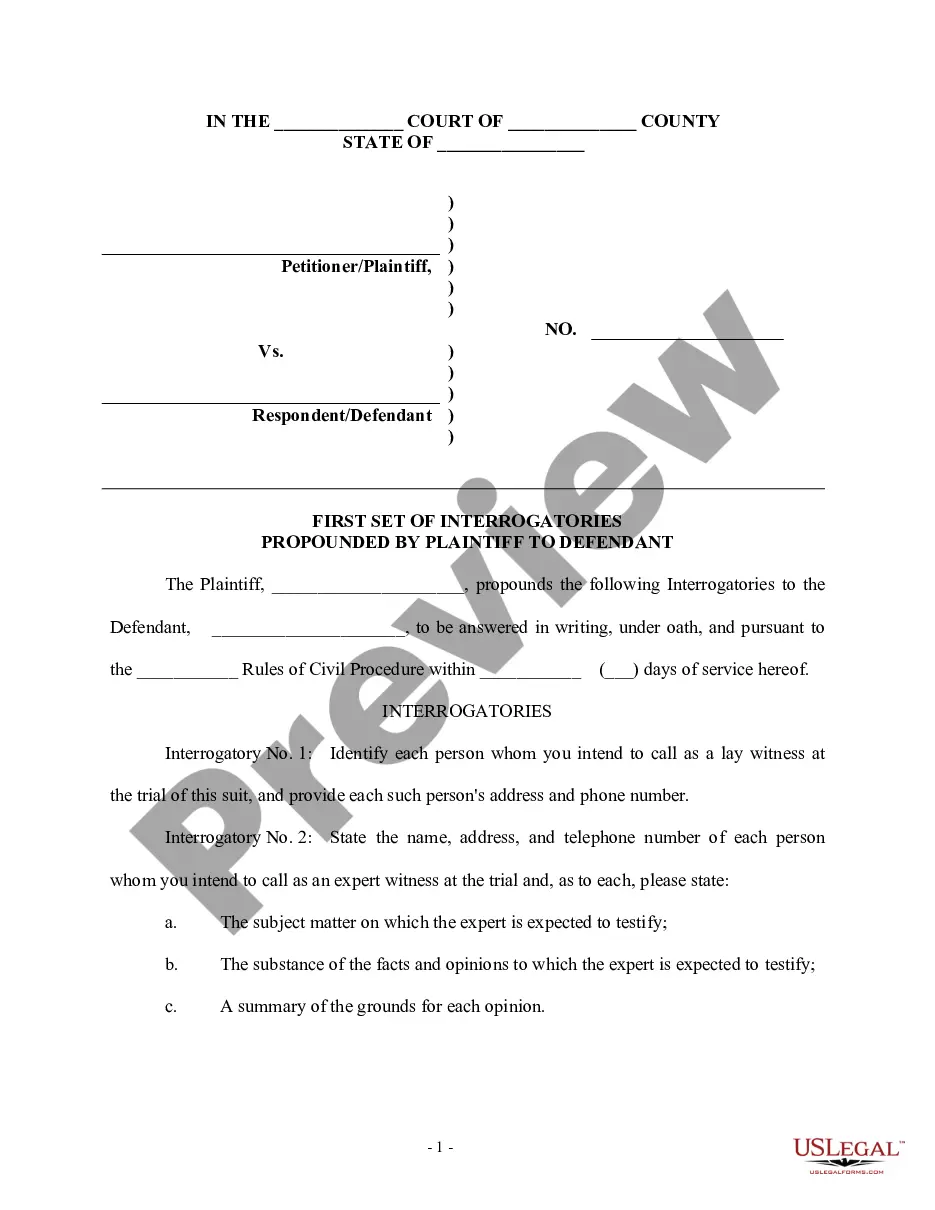
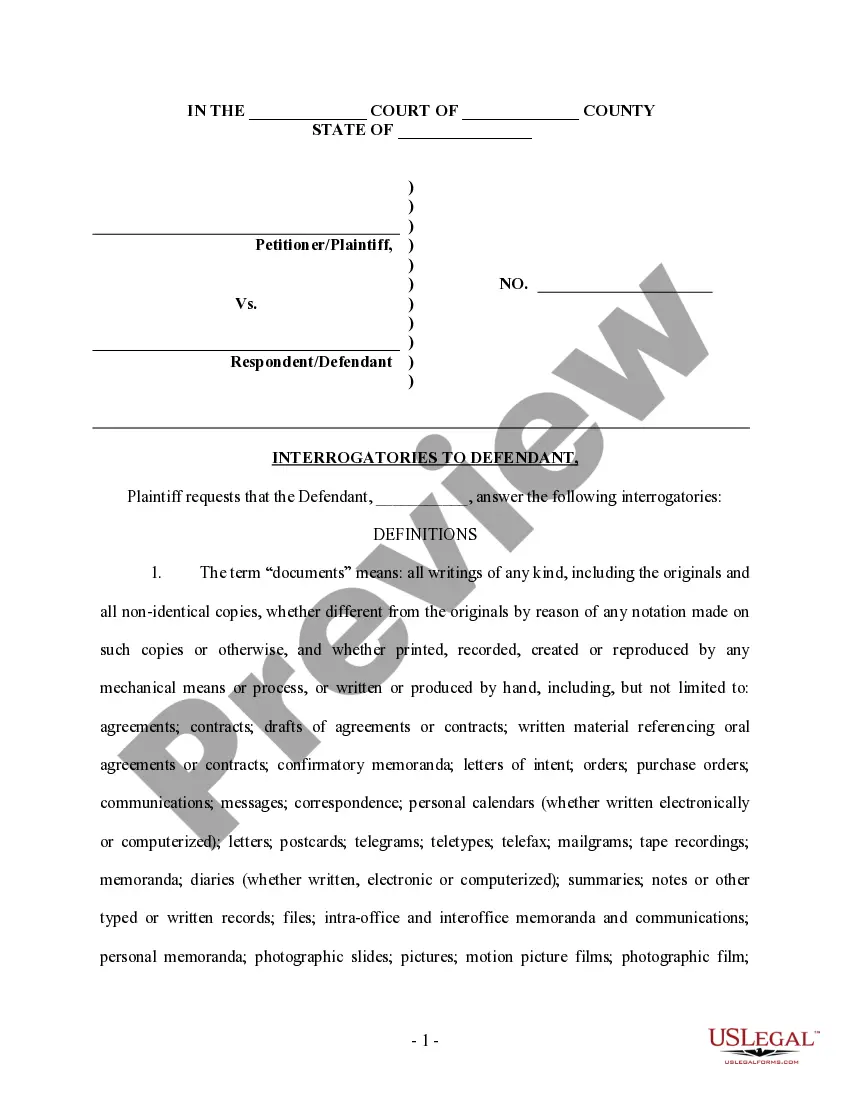
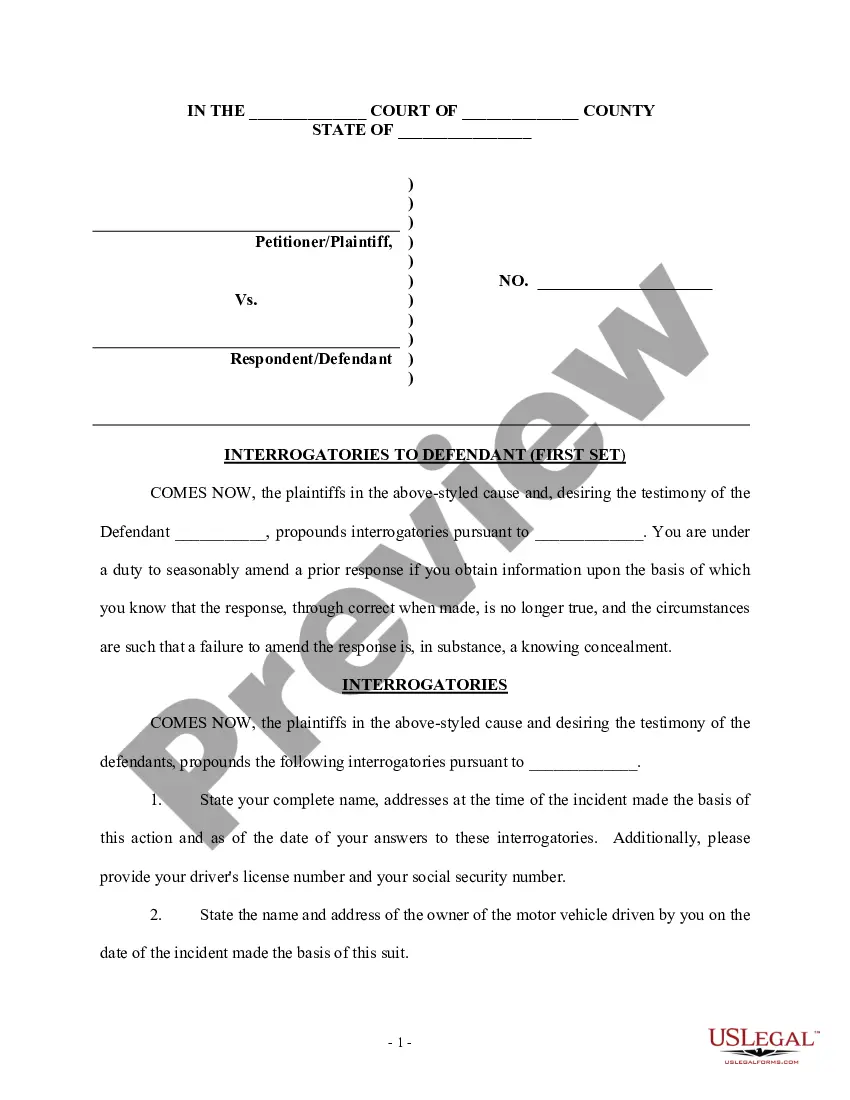
Interrogatories are written questions sent from one party to another during a lawsuit. They're used to gather important information that can clarify the facts of the case.