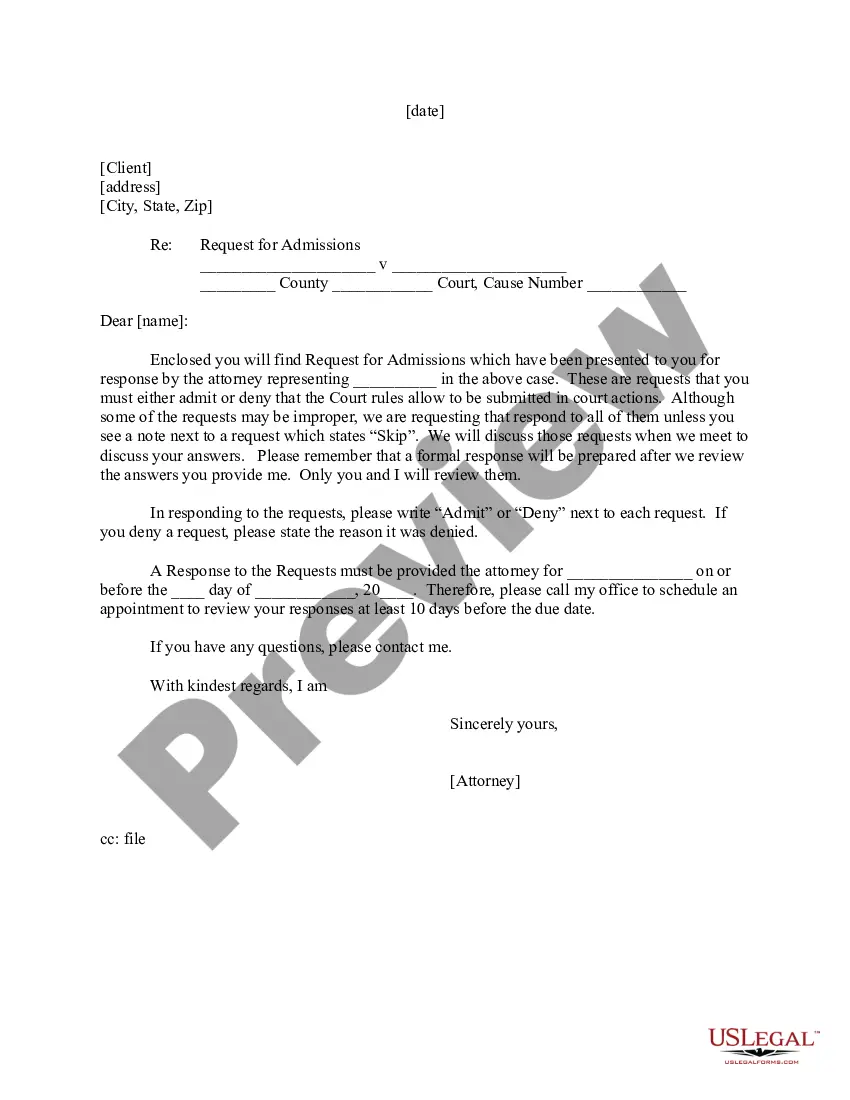
Memphis Letter to Client - Request for Admissions to Answer
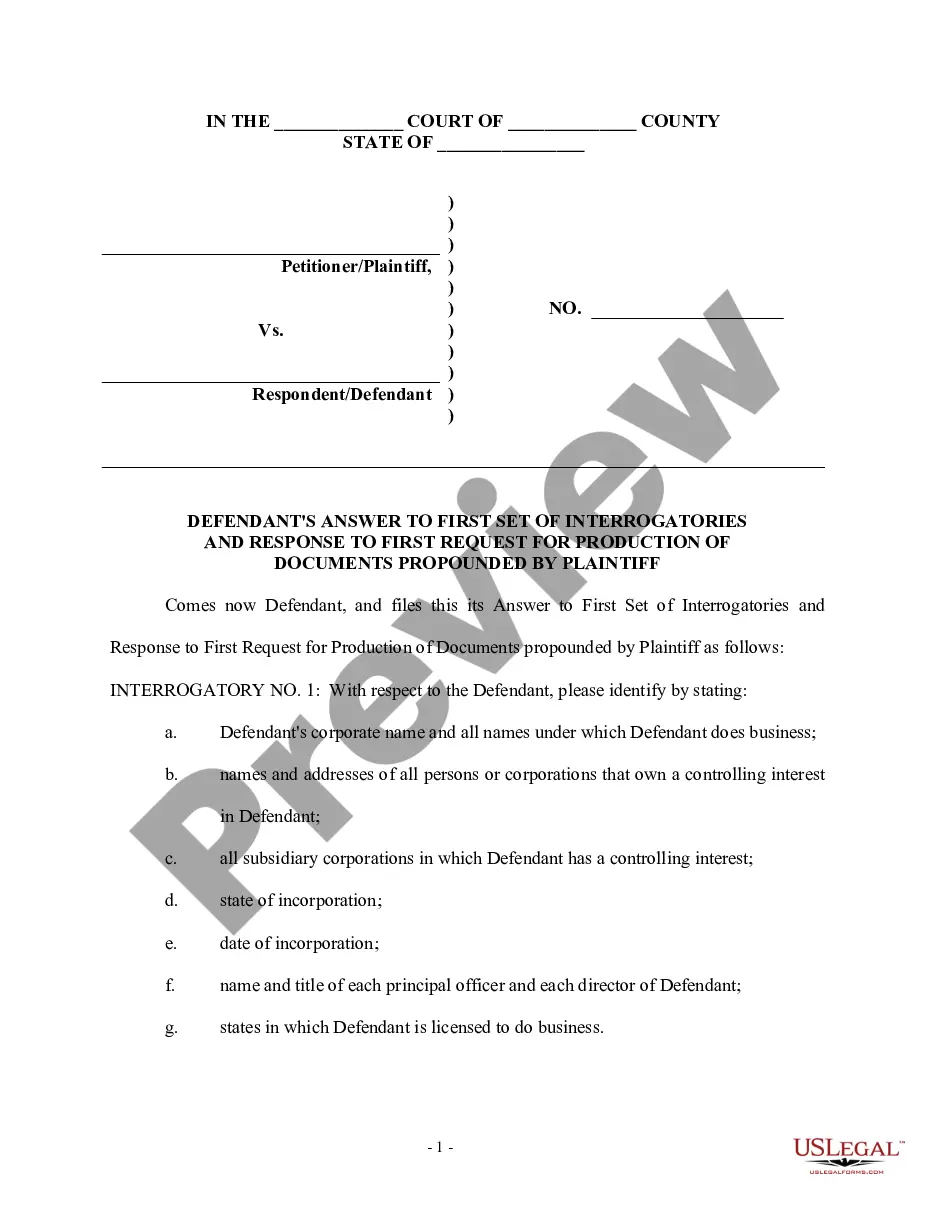
Memphis Defendant's Answers to Plaintiff's First Set of Interrogatories and Requests for Production of Documents
Memphis Plaintiff's Response to Defendant's First Request for Production of Documents - Personal injury
Memphis Defendant's First Supplemental response to Plaintiff's Discovery Request
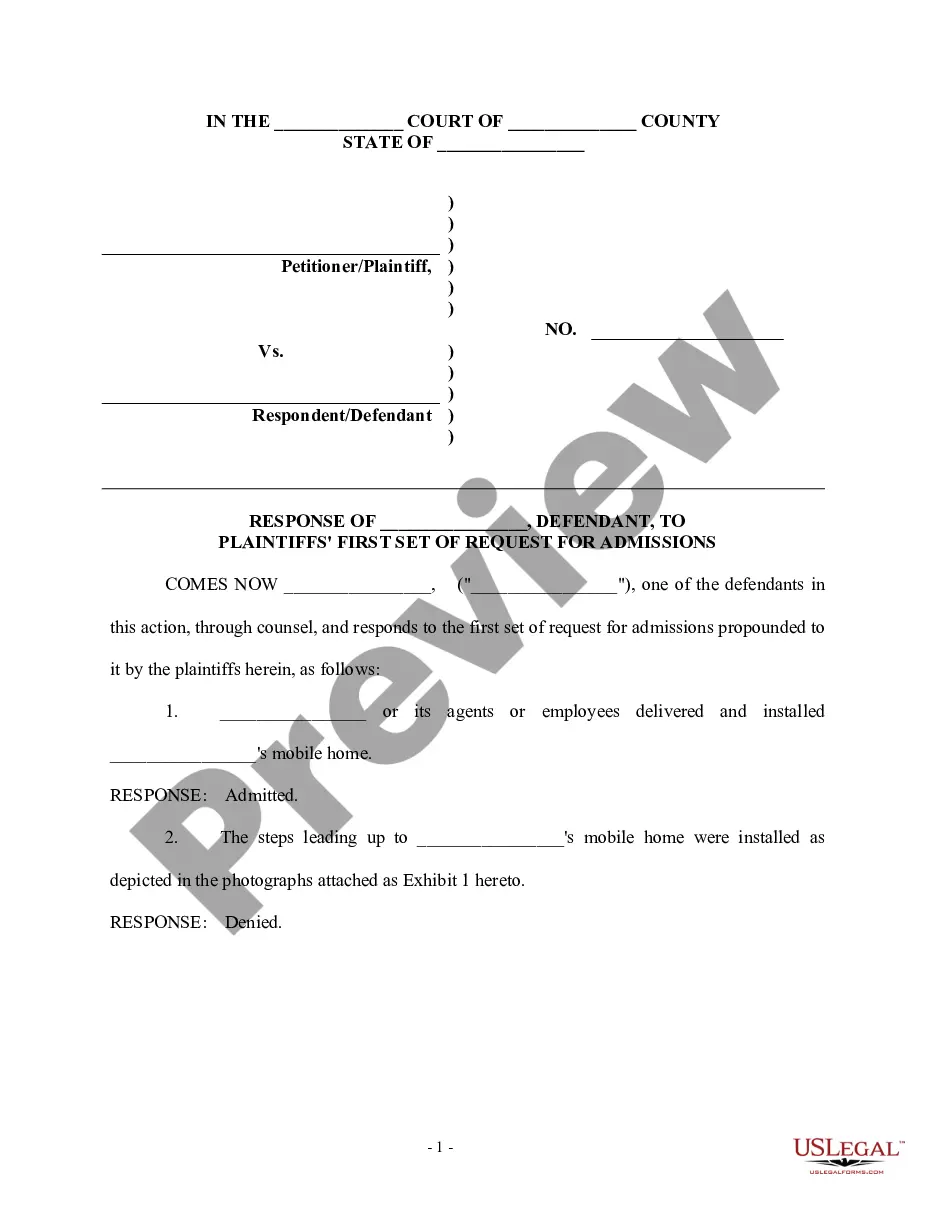
Memphis First Set Of Requests For Admissions Propounded By Plaintiff to Defendant
Entertainment Services Contract
Agreement and Release regarding Severance of Employment
Assignment of Copyright
Authorization for Withdrawal of Funds
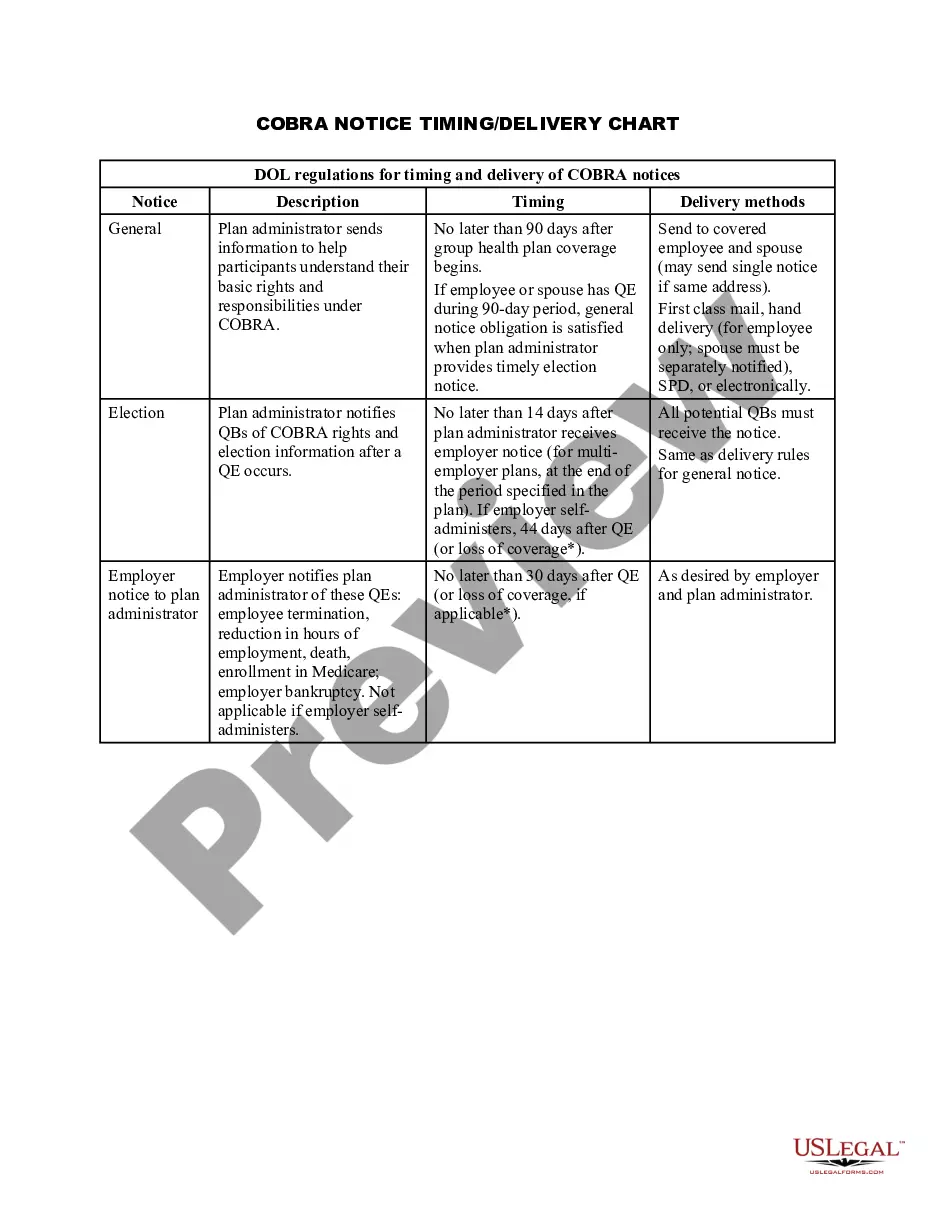
COBRA Notice Timing Delivery Chart
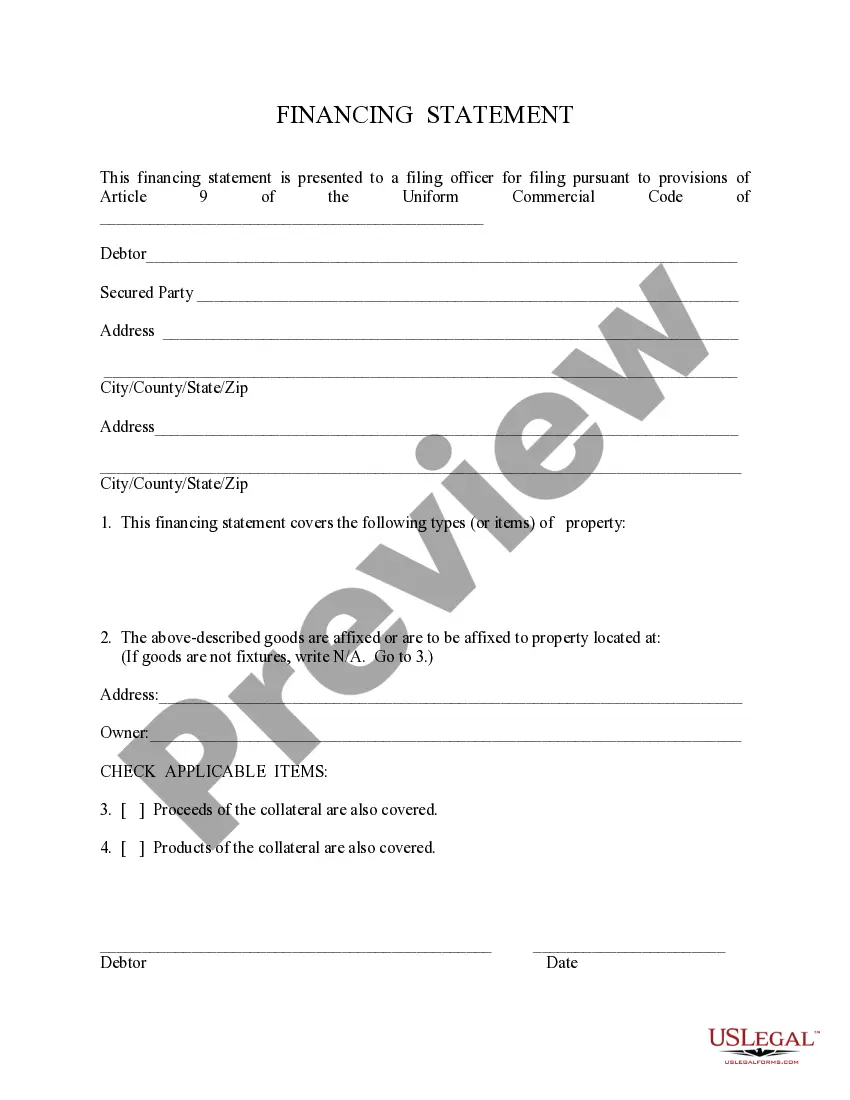
Financing Statement
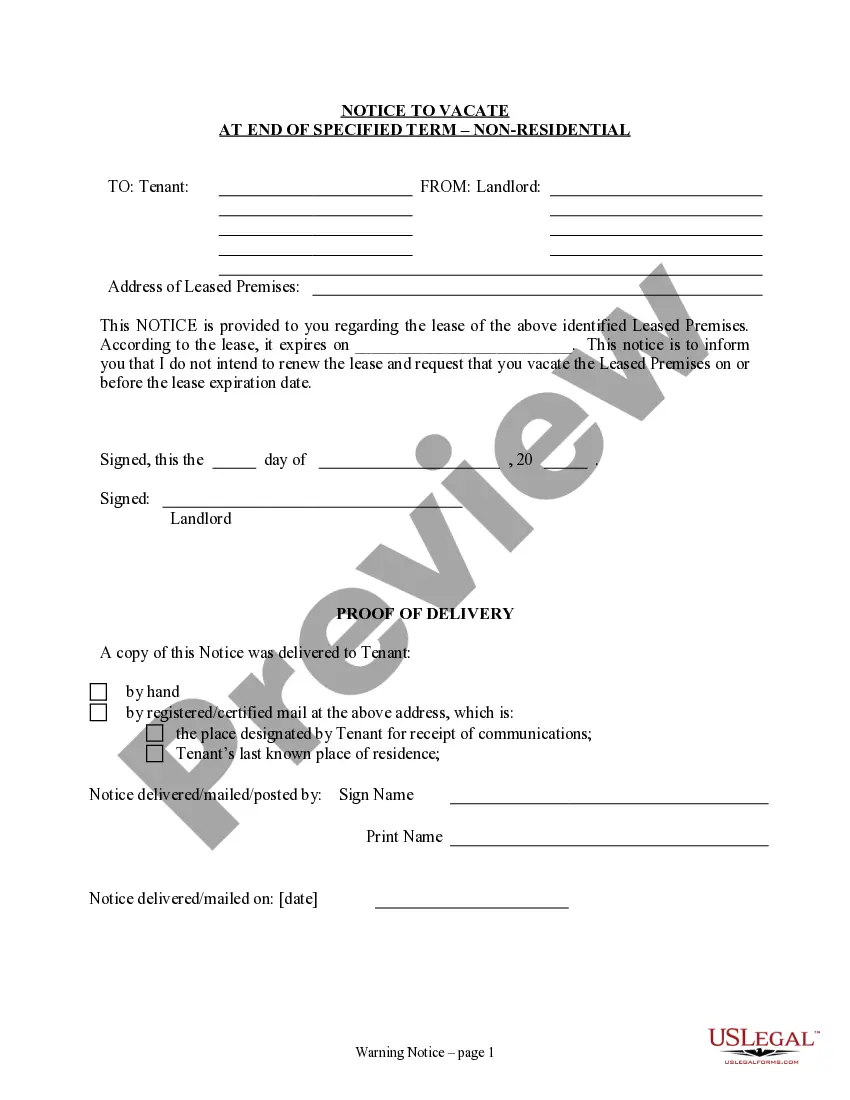
Notice of Intent Not to Renew at End of Specified Term from Landlord to Tenant for Nonresidential or Commercial Property
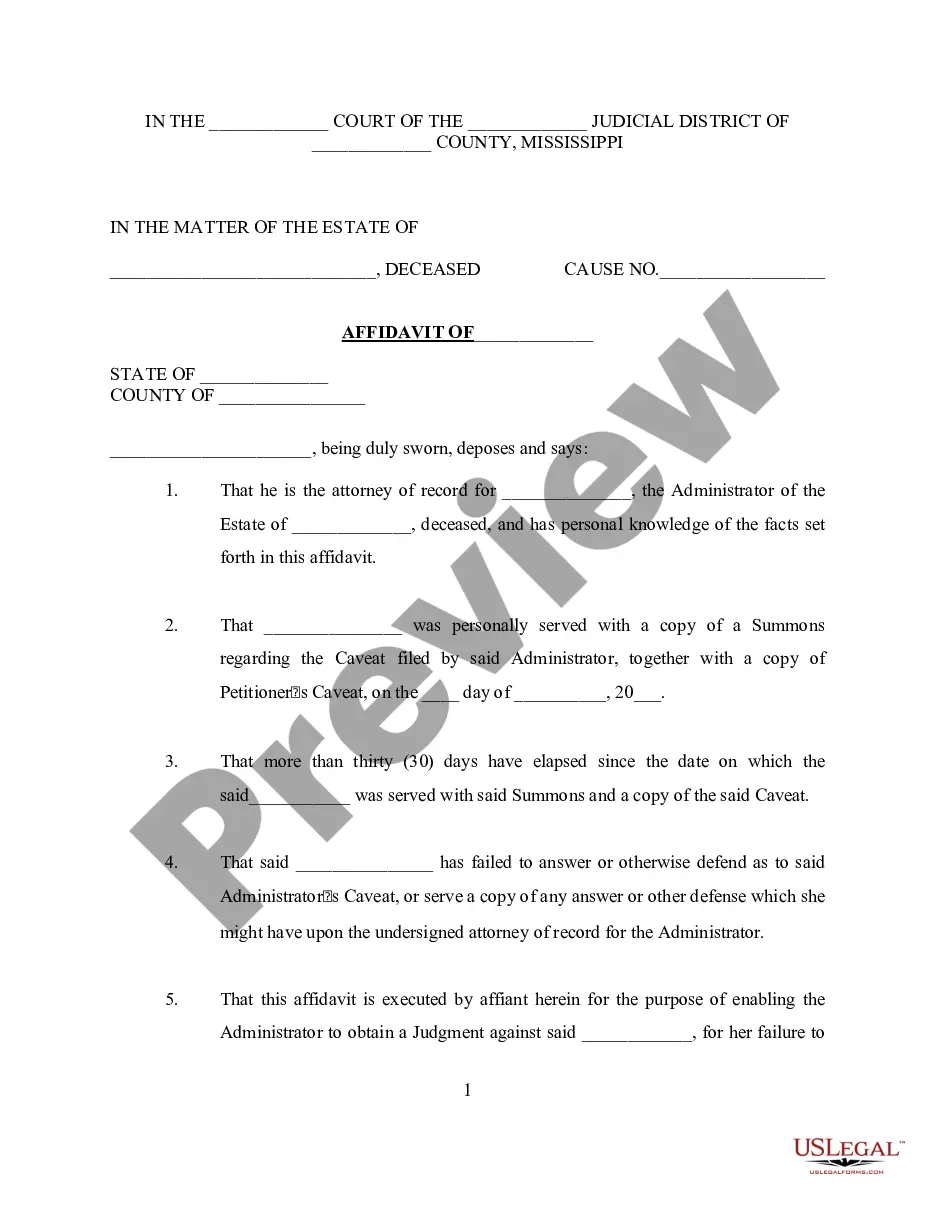
Affidavit regarding Failure to Respond to Caveat
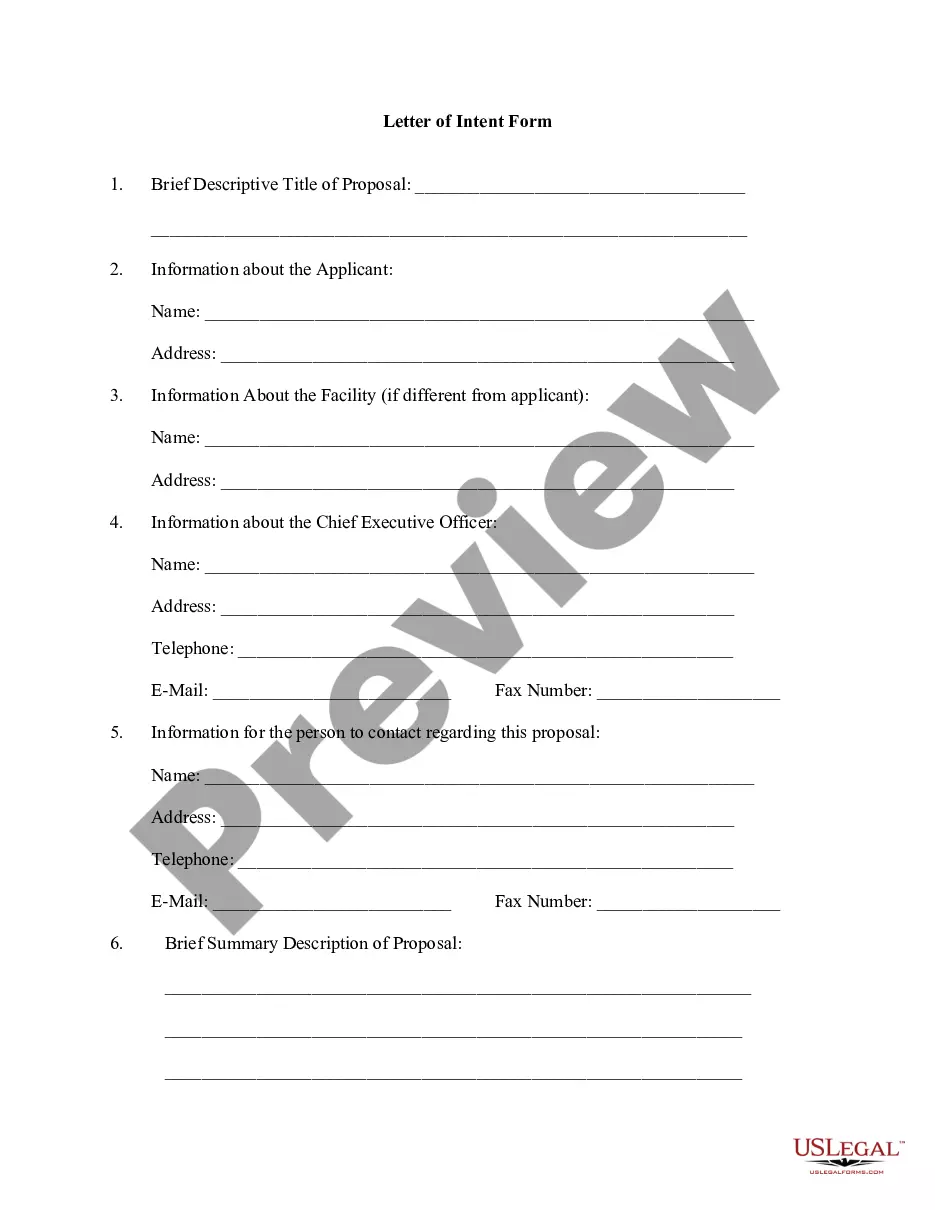
Letter of Intent in Connection with Obtaining a Certificate of Need for a New Health Care Facility or Major Capital Expenditure in the Health Care Industry
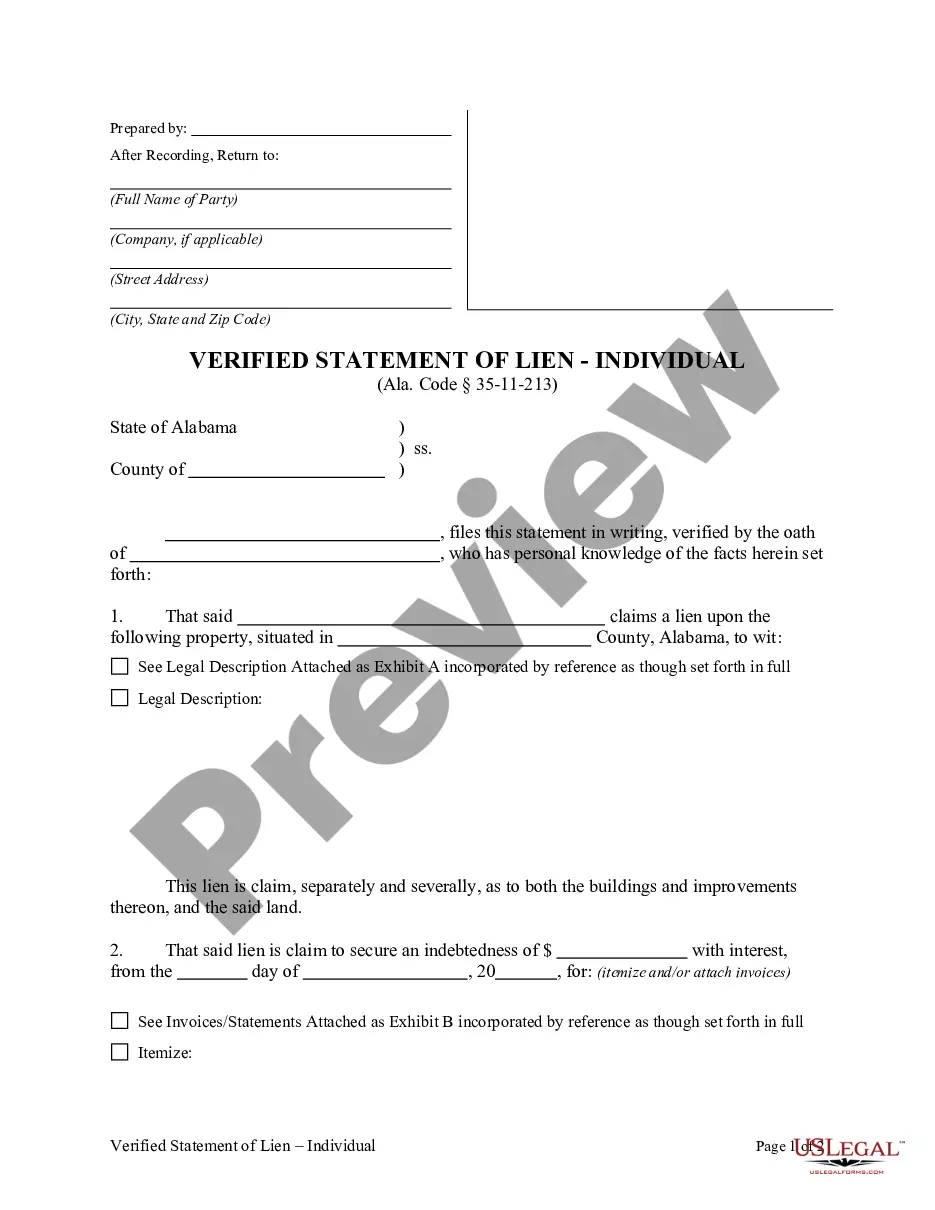
Verified Statement of Lien by Individual
Generally, no. Admissions made in responses are usually binding, but there can be exceptions if new evidence comes to light.
Admitting facts can strengthen the plaintiff's case, so defendants must choose their admissions wisely.
They may be considered to have admitted all the statements since they didn’t respond within the deadline.
Yes, a defendant can refuse if they believe the request is unreasonable or if answering could harm their case.
The defendant looks at the statements carefully, weighing the truth of each one against their knowledge and evidence.
It helps clarify which facts both sides agree on, making it easier to focus on what's really in dispute.
It's a formal reply from the defendant admitting or denying the statements made by the plaintiff.
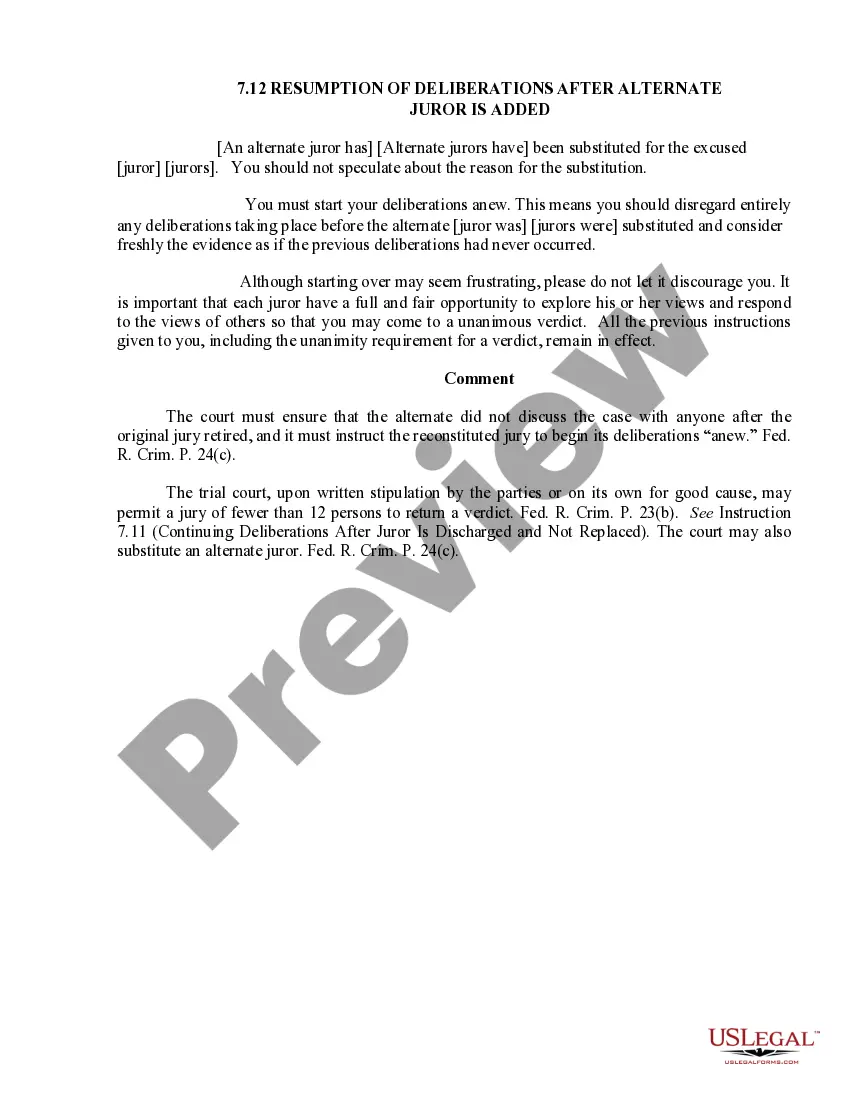
Columbus 7.12 Resumption of Deliberations After Alternate Juror Is Added
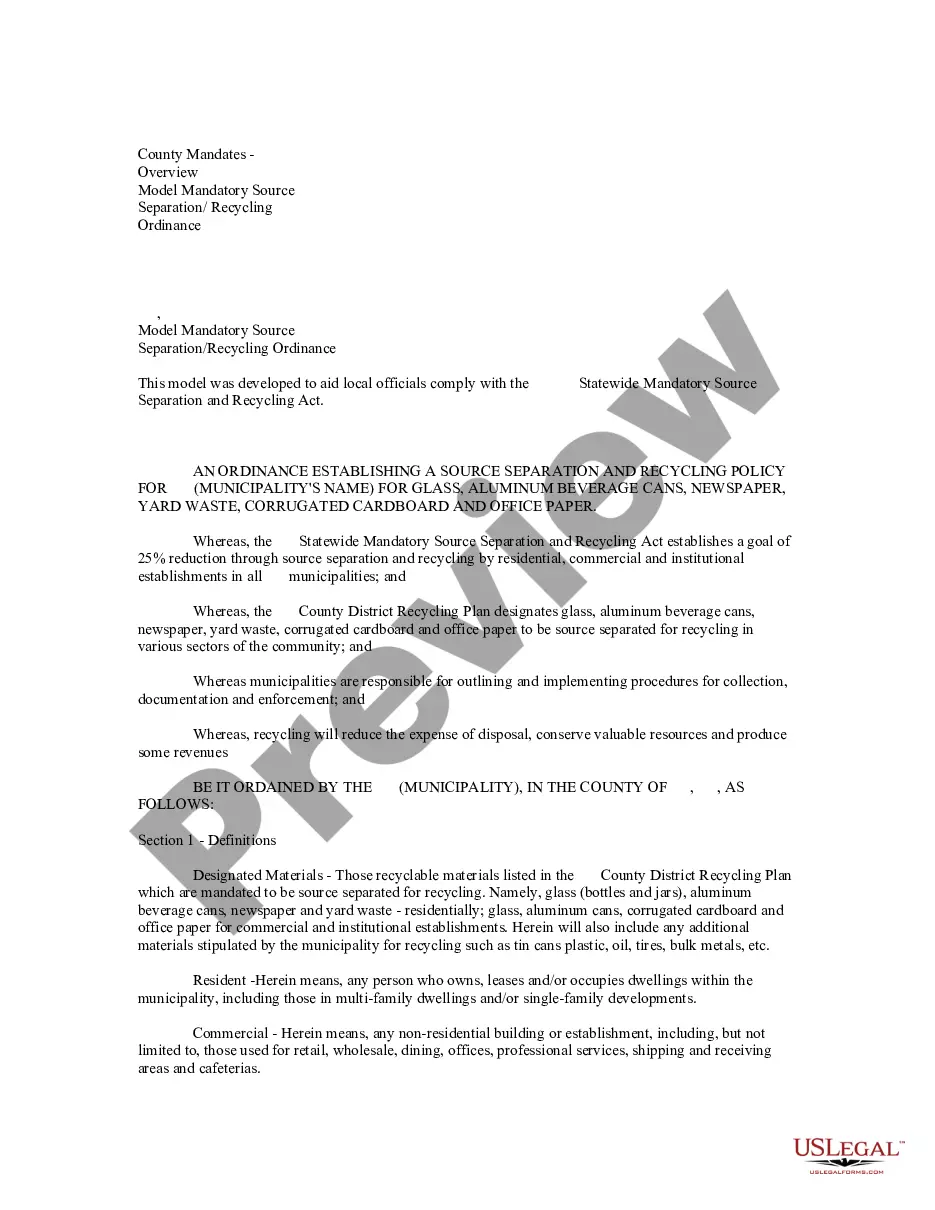
Boston An Ordinance Establishing a Source of Separation and Recycling Policy for Municipality for Glass, Aluminum, Newspaper, Yard Waste, Cardboard and Office