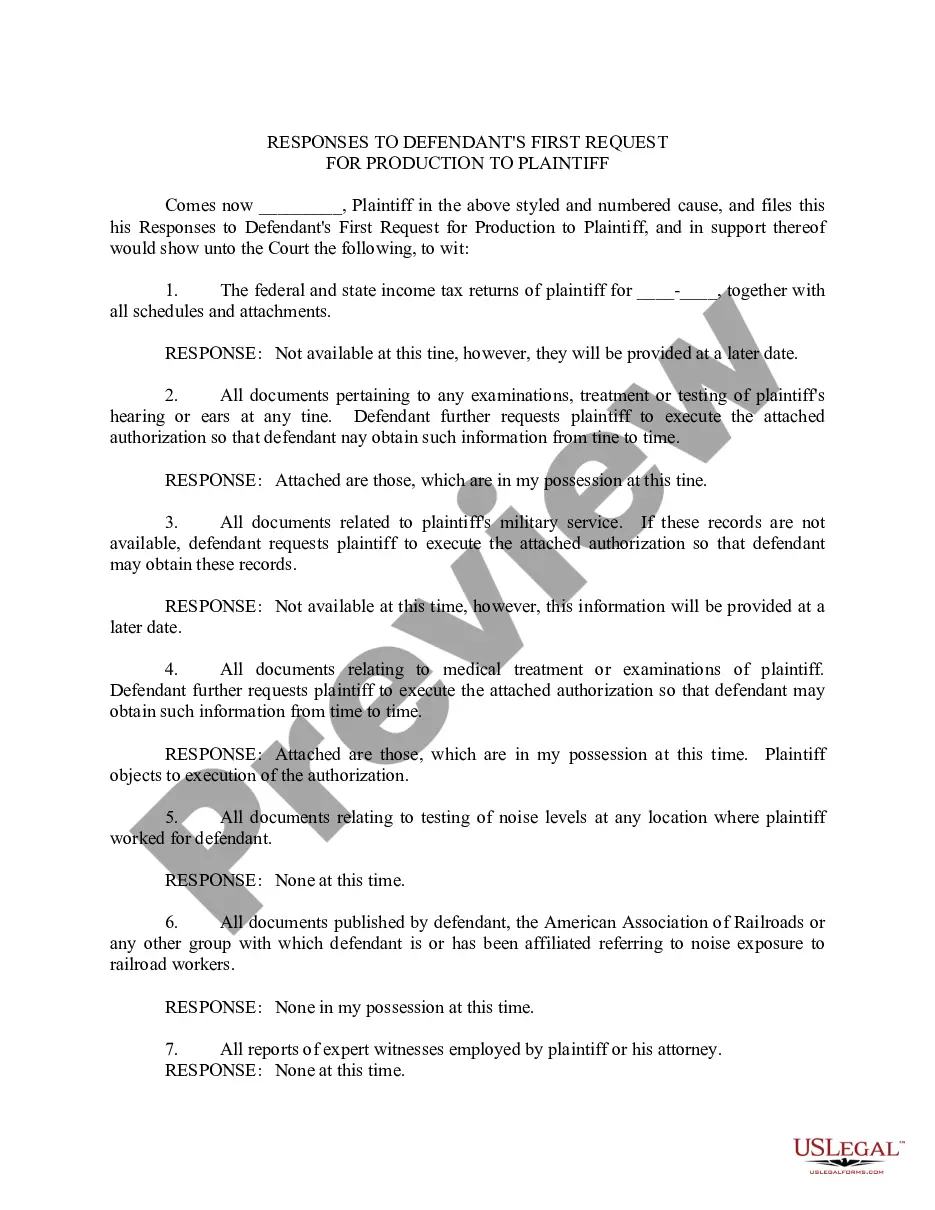
Stockton Responses To Defendant's First Request For Production To Plaintiff
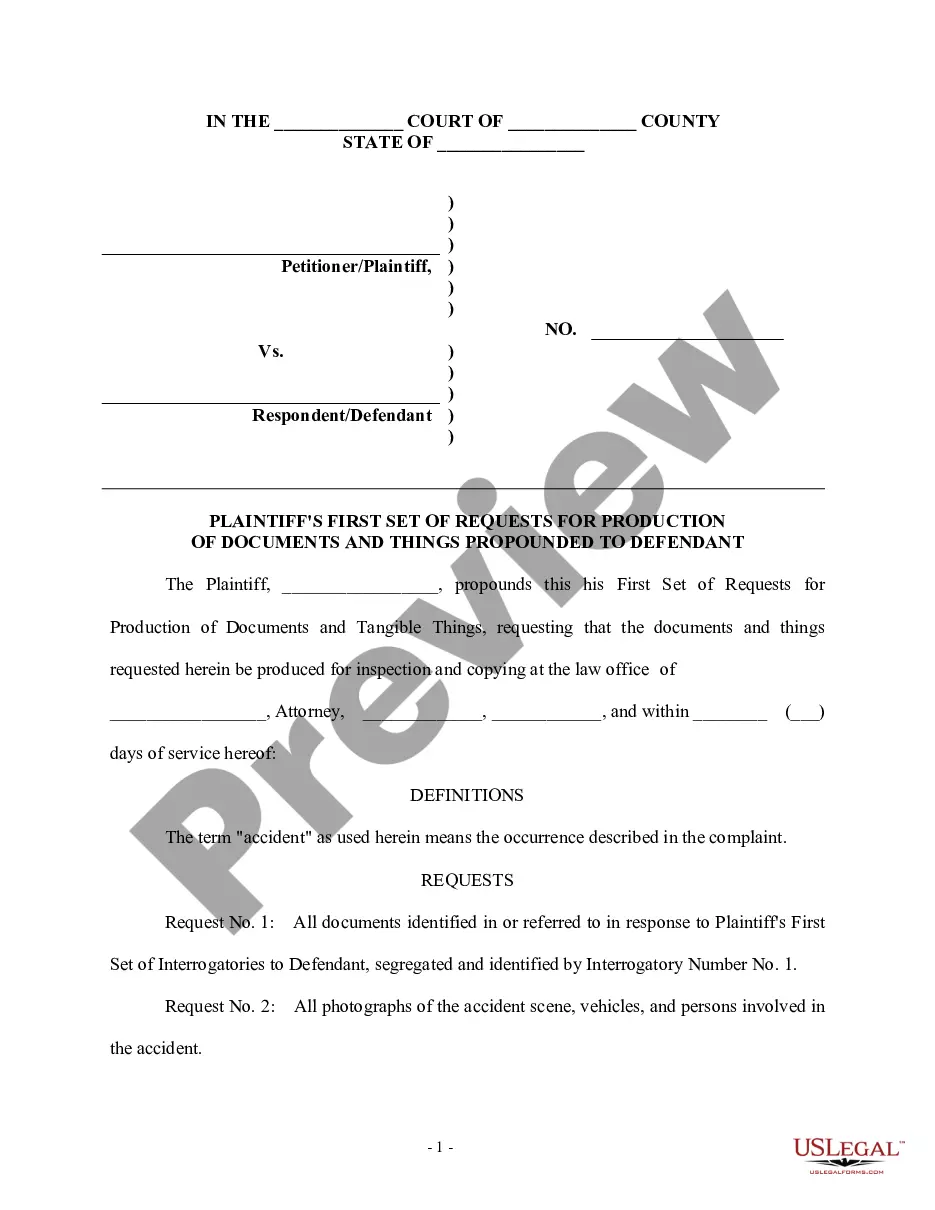
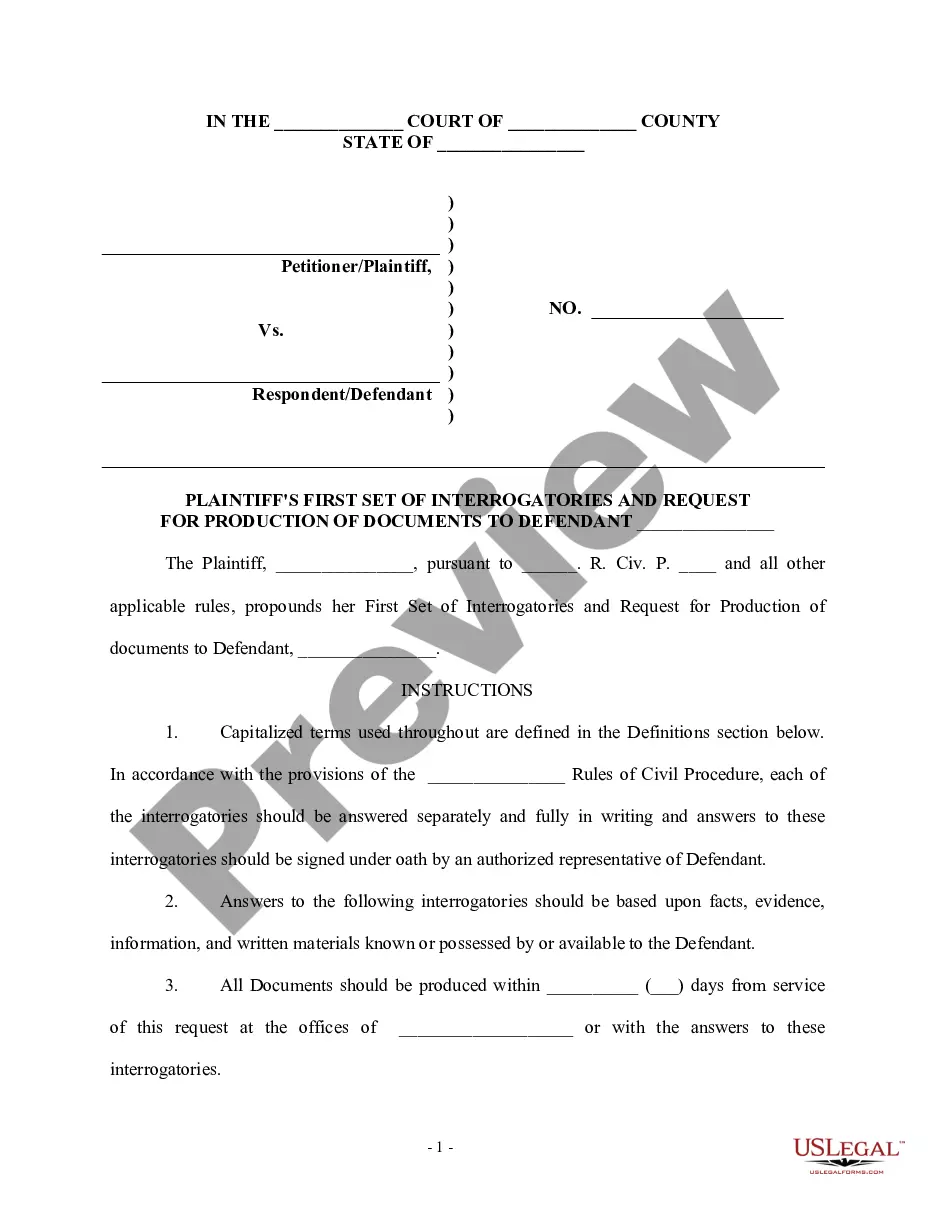
Stockton Plaintiff's First Set of Requests for Production of Documents and Things Propounded to Defendant
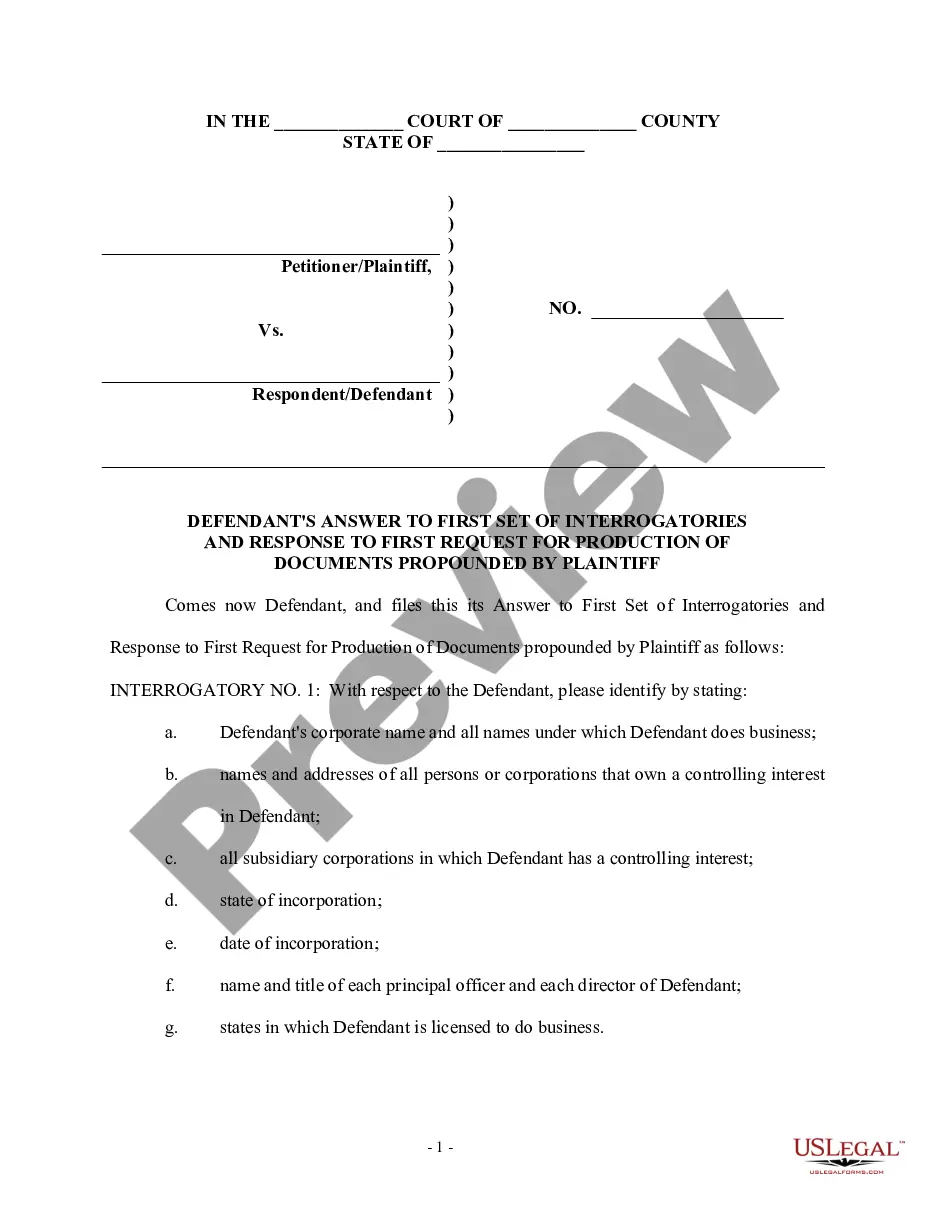
Stockton Defendant's Answers to Plaintiff's First Set of Interrogatories and Requests for Production of Documents
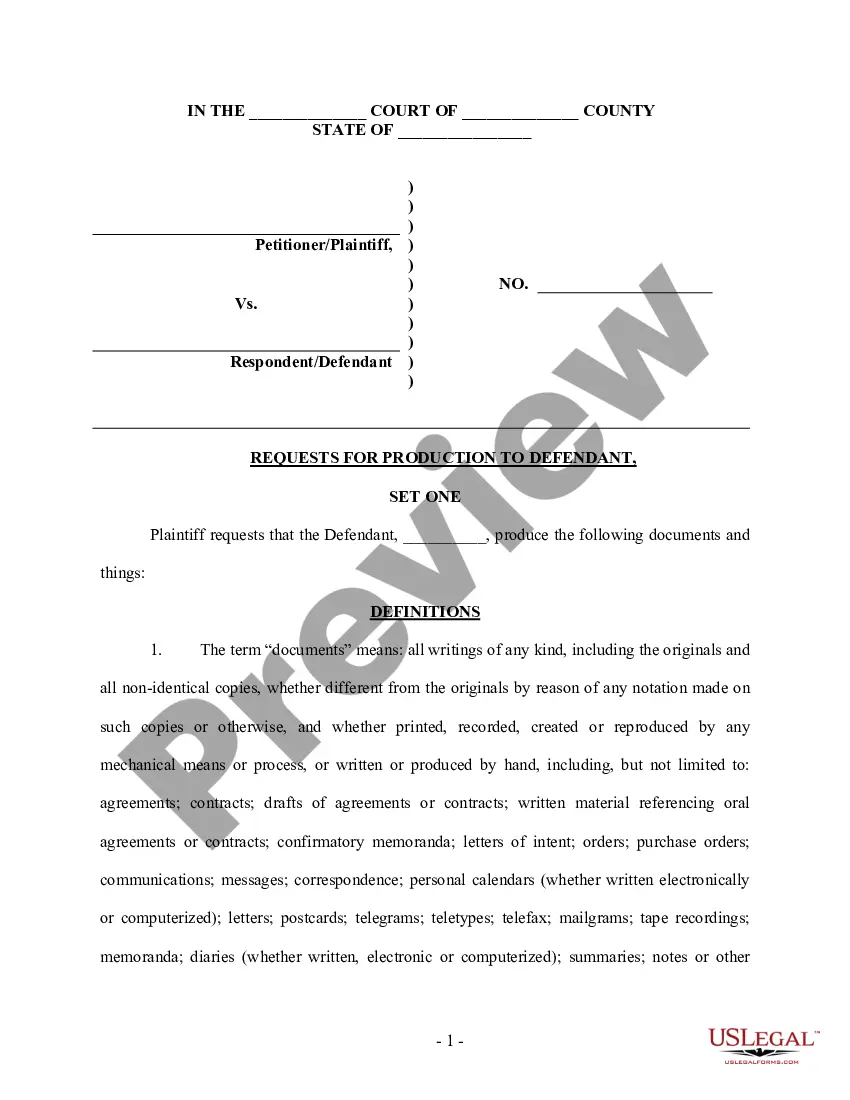
Stockton Plaintiff's Request for Production to Defendant - Personal Injury
Stockton Plaintiff's First Set of Interrogatories and Requests for Production of Documents to Defendant
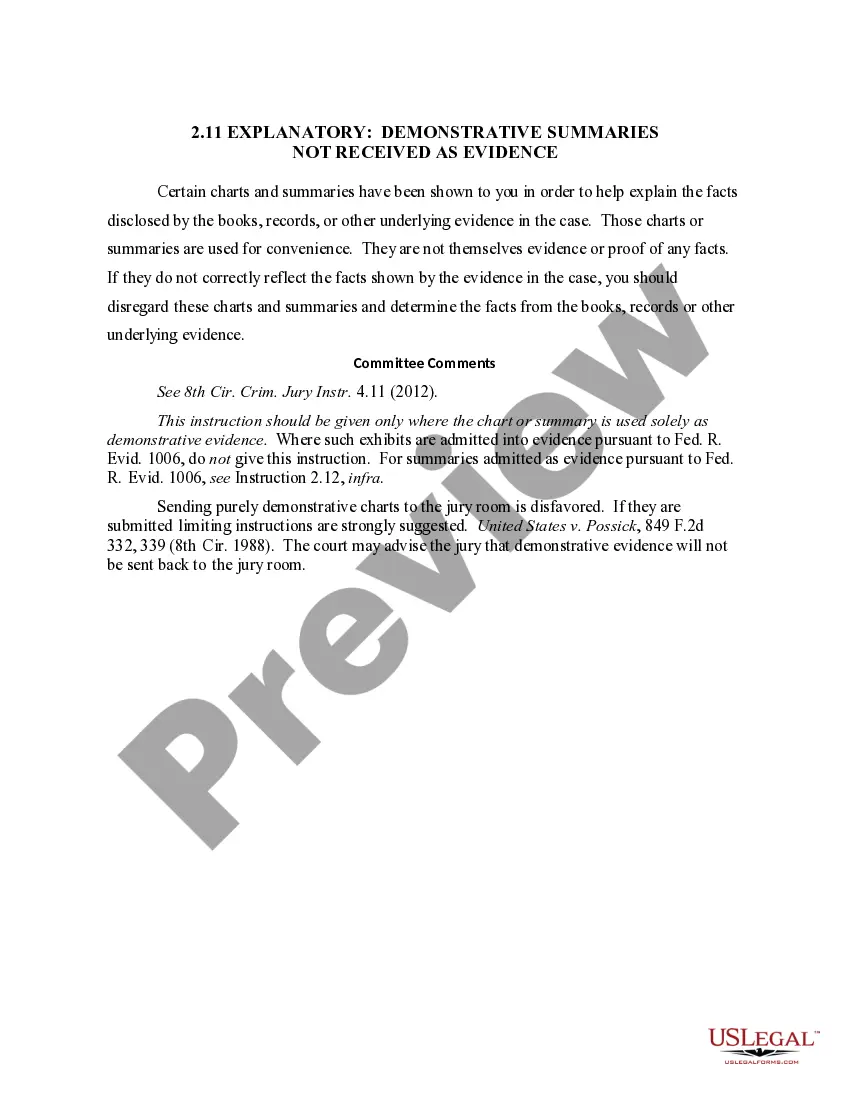
2.11 EXPLANATORY: DEMONSTRATIVE SUMMARIES NOT RECEIVED AS EVIDENCE
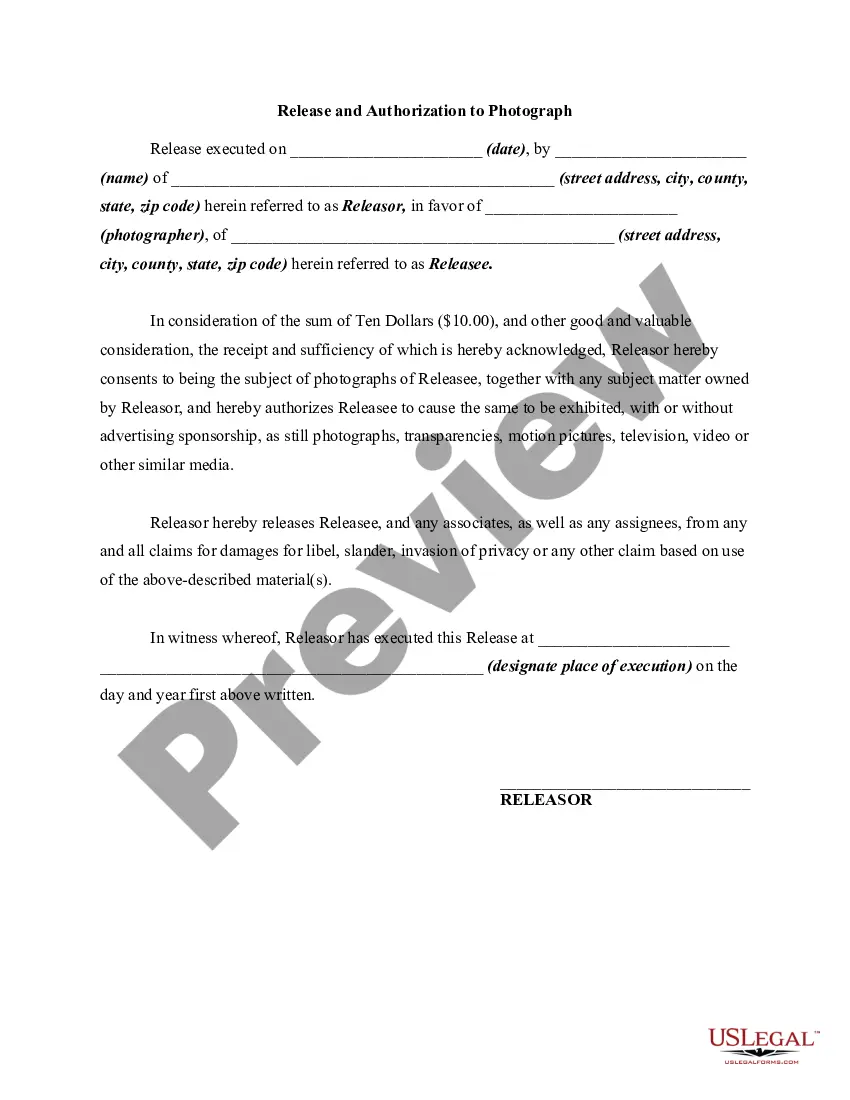
Photo Release Form for Minors
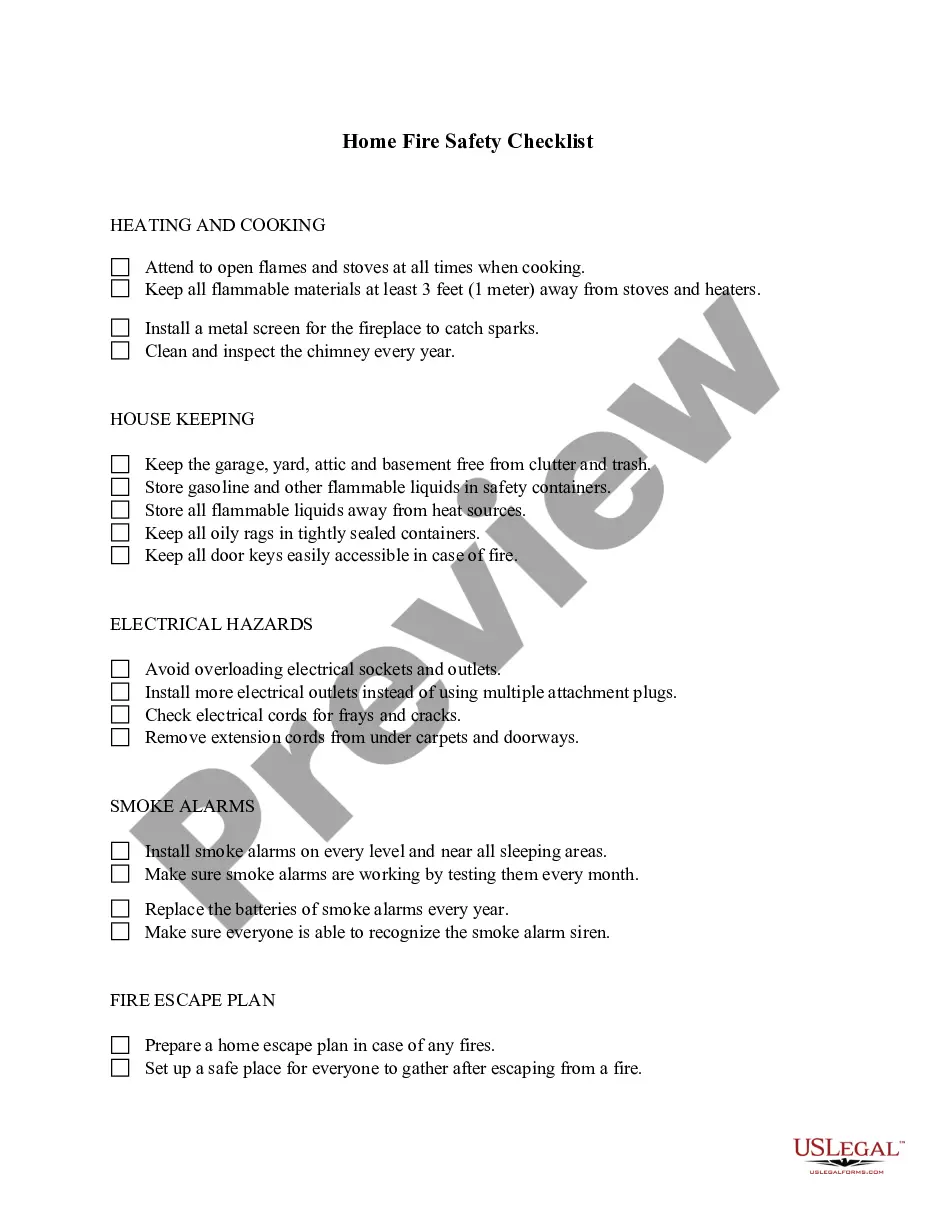
Home Fire Safety Checklist
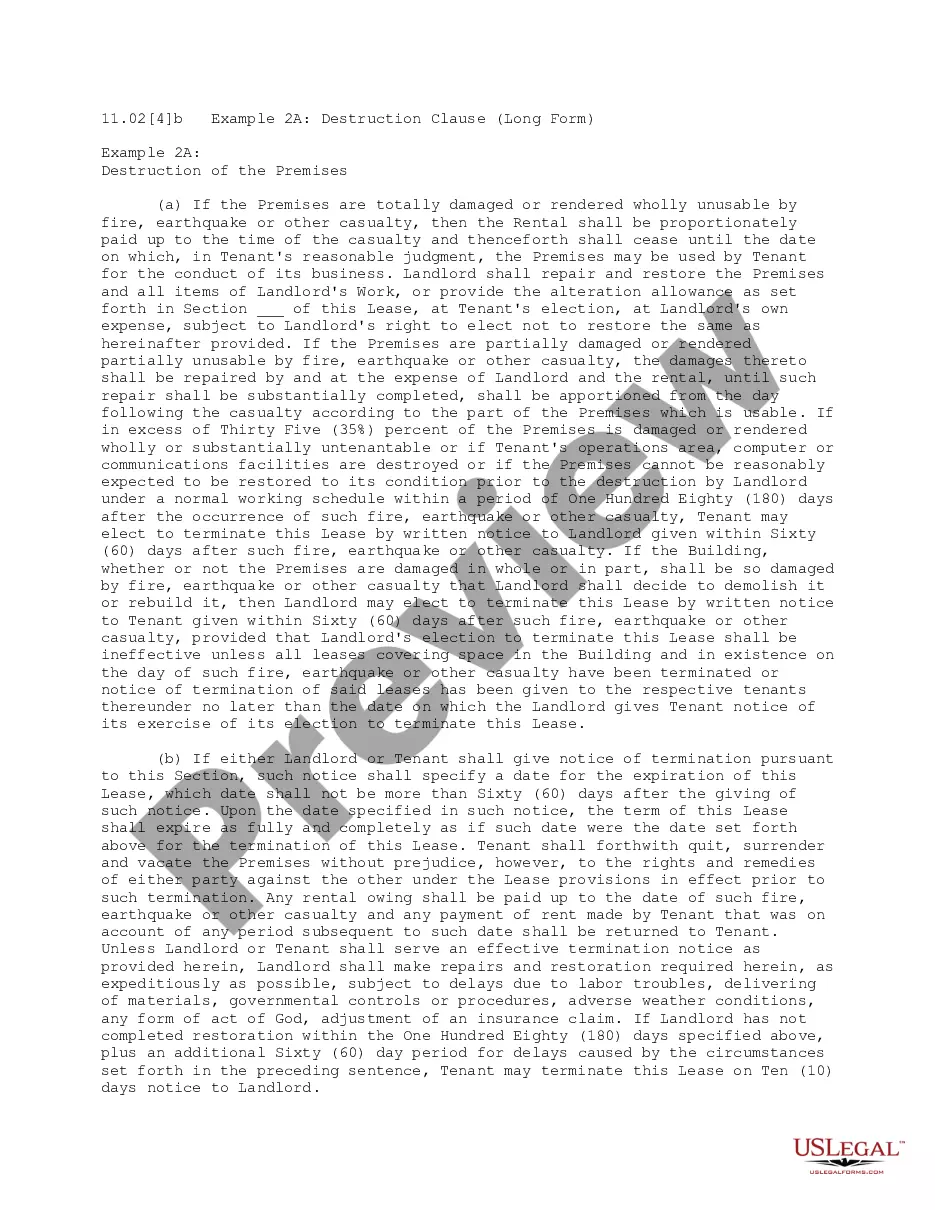
Destruction Clause Long Form
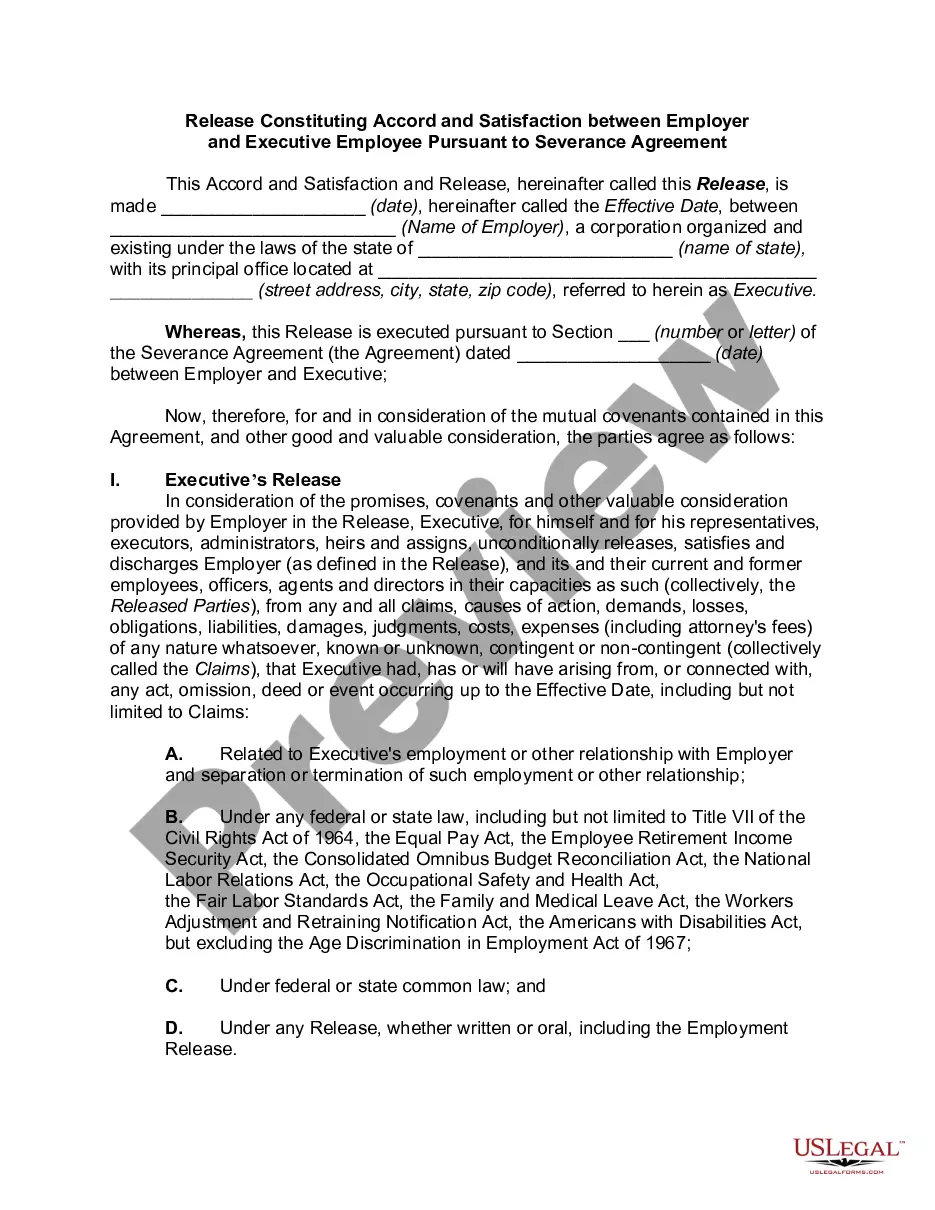
Release Constituting Accord and Satisfaction between Employer and Executive Employee Pursuant to Severance Agreement
Employment Resignation Documents Package
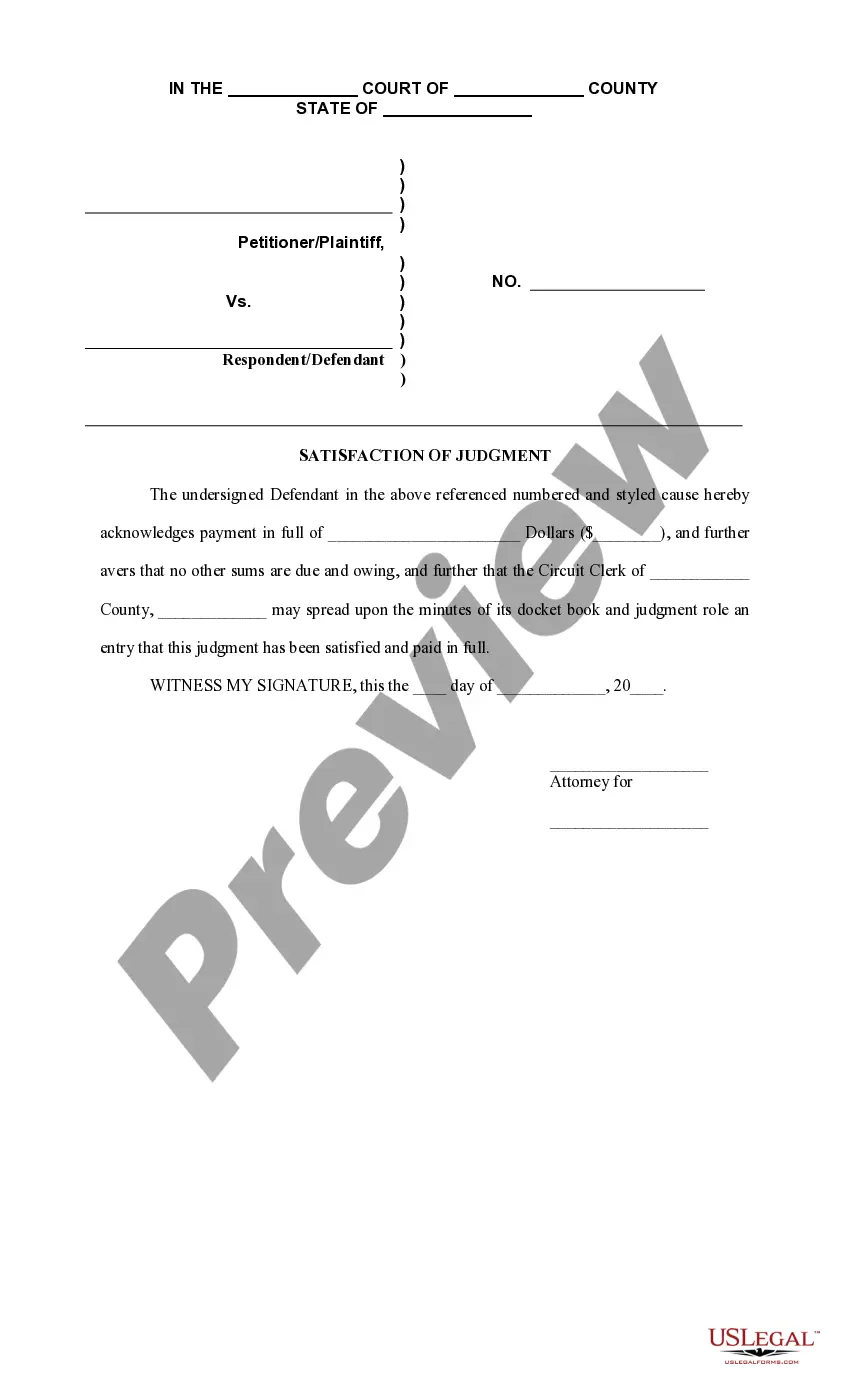
Satisfaction of Judgment for Civil Trial
Sample Letter for Acknowledgment of Letter
Form - Web Site Data Collection Policy
Sample Letter for Apology to Receiver of NSF Check
If you can't find them, it's best to communicate that to the defendant and provide any alternative information you can.
Yes, you can object to providing documents if they are irrelevant or protected by privacy laws, but you must explain your reasons.
If you don’t provide the documents, the court might think you’re hiding something, which could impact your case negatively.
Typically, you have around 30 days to respond, but the exact time can depend on the court's rules or what both sides agree on.
It's crucial because not responding can hurt your case. You want to show you’re cooperating and prove your claims.
The defendant can ask for things like medical records, accident reports, and any photos or evidence related to the injury claims.
It's a document where the person who is suing (the plaintiff) answers the other side's request for information and evidence related to the case.
Tampa Surface Use Agreement Establishing Amounts Lessee Will Pay For Road and Location Damages