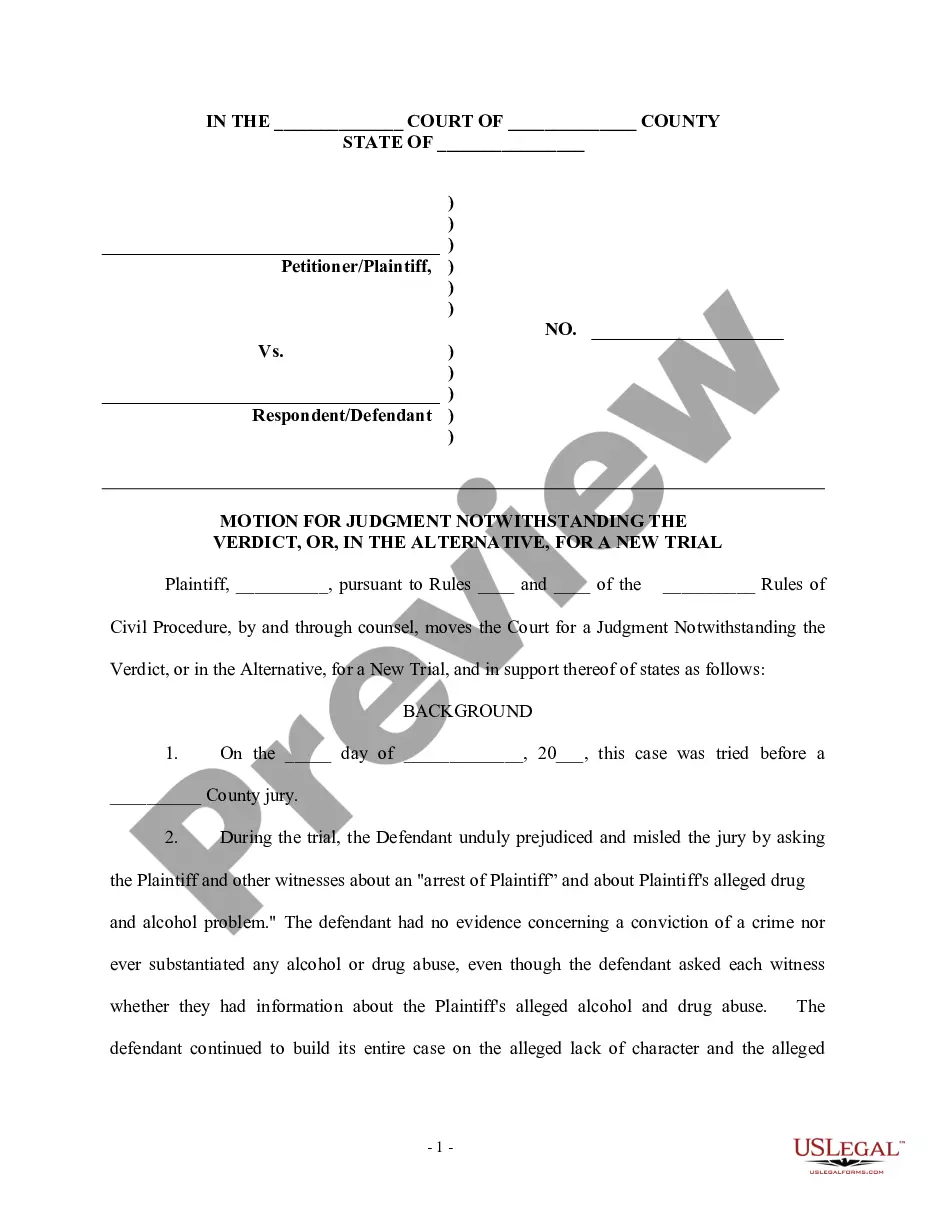
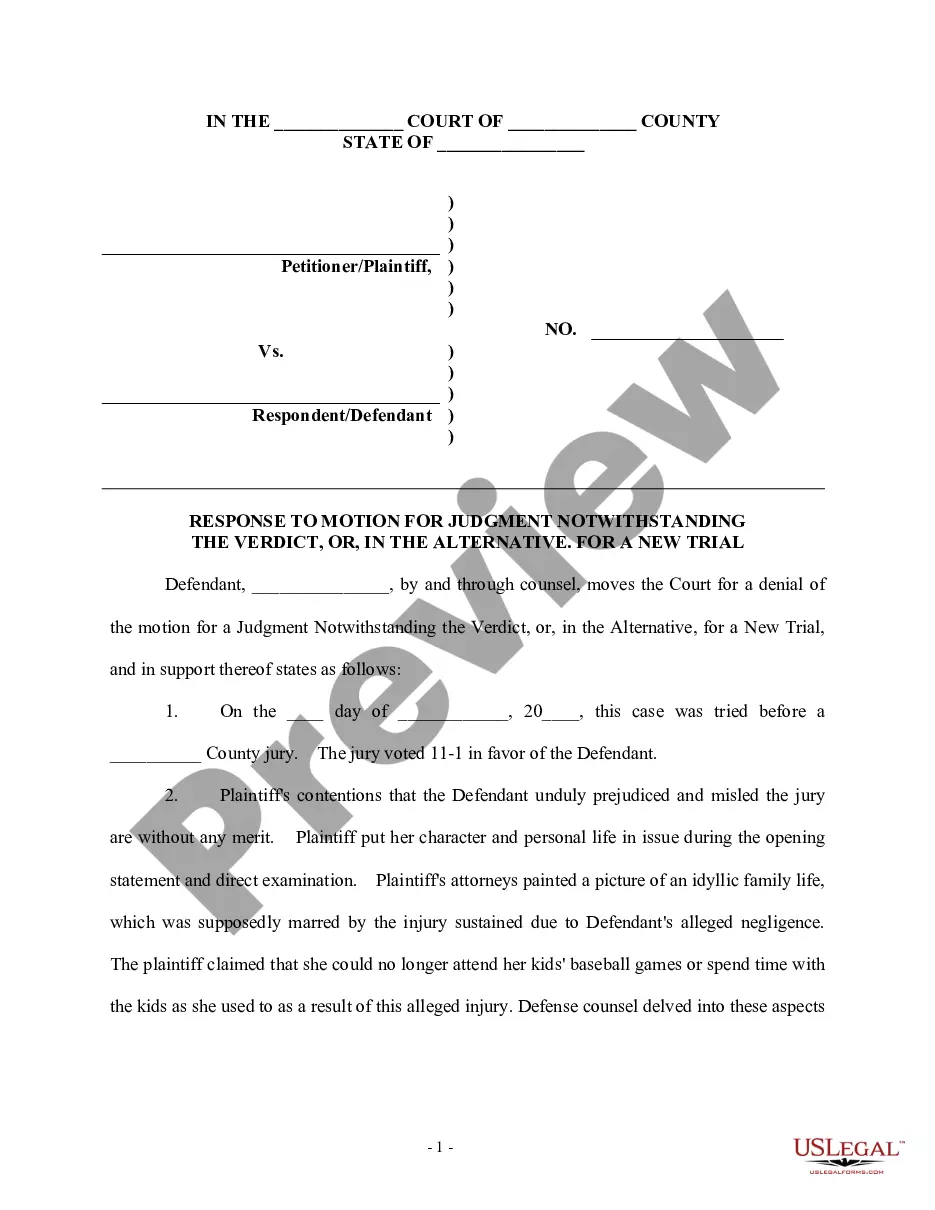
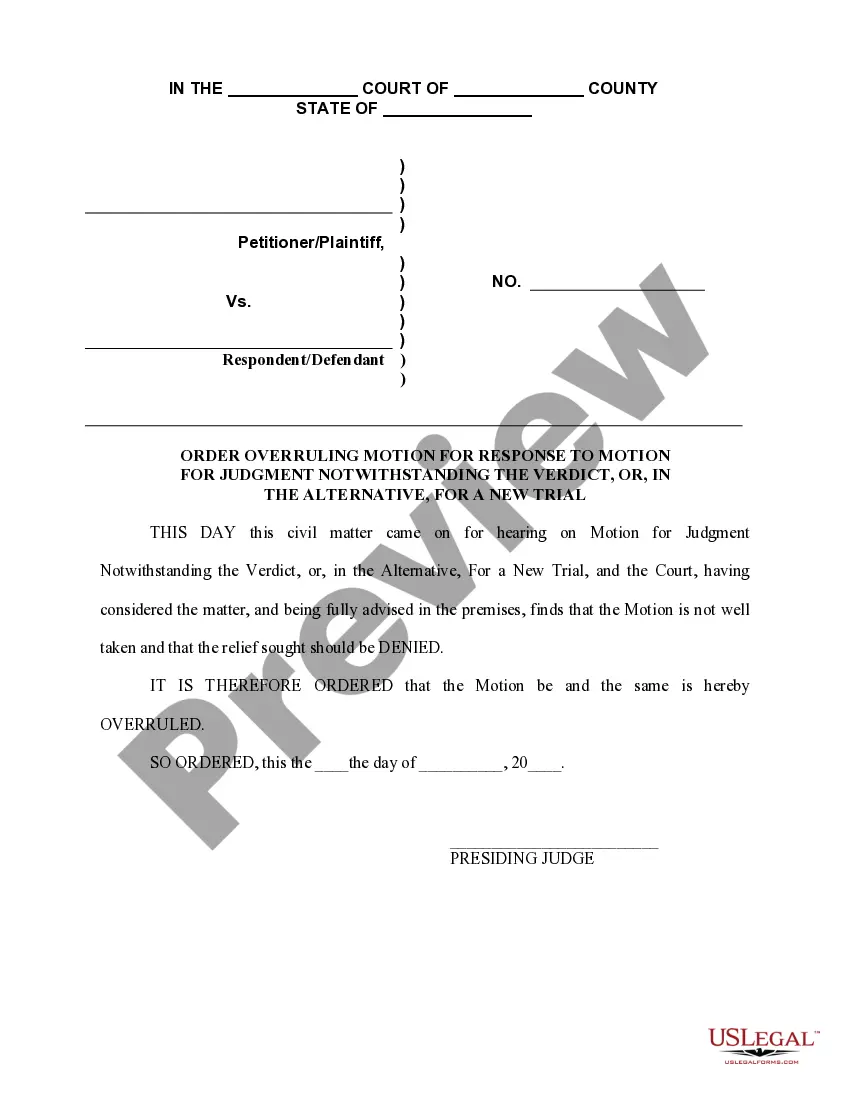
If a JNOV motion is granted, the judge can change the verdict, which is a big deal. It's like turning the tables completely and redrawing the outcome of the case.
Yes, JNOV motions can be filed in civil cases, but they aren't typically seen in criminal cases. It's like having a tool that works best in certain scenarios.
Evidence is at the heart of a JNOV motion. You need to show that no reasonable jury could have reached the verdict they did based on the evidence presented - it’s like presenting an irrefutable case.
Preparing for a JNOV motion involves gathering strong evidence and legal arguments. Think of it like building a solid case that shows why the jury’s call doesn't hold water.
Winning a JNOV motion can be a tough nut to crack. Judges rarely overturn jury decisions unless the evidence is really skewed – it's a bit of a long shot.
You can file for a JNOV after a jury has made its decision, usually within a specific timeframe. It’s like saying you think the jury missed the mark and you want the judge to step in.
JNOV stands for 'Judgment Notwithstanding the Verdict'. Essentially, it’s when a judge overrides the jury's decision if they believe it isn’t supported by the evidence.