If you feel you were pressured into signing, you might have grounds to challenge the release, so reaching out to a lawyer can help clarify your options.
Yes, there can be exceptions based on specific legal grounds, but they can be tricky—best to have legal guidance to navigate these waters.
If you didn't comprehend the covenants, it could cause issues down the line—it's always wise to consult a lawyer for clarity before signing.
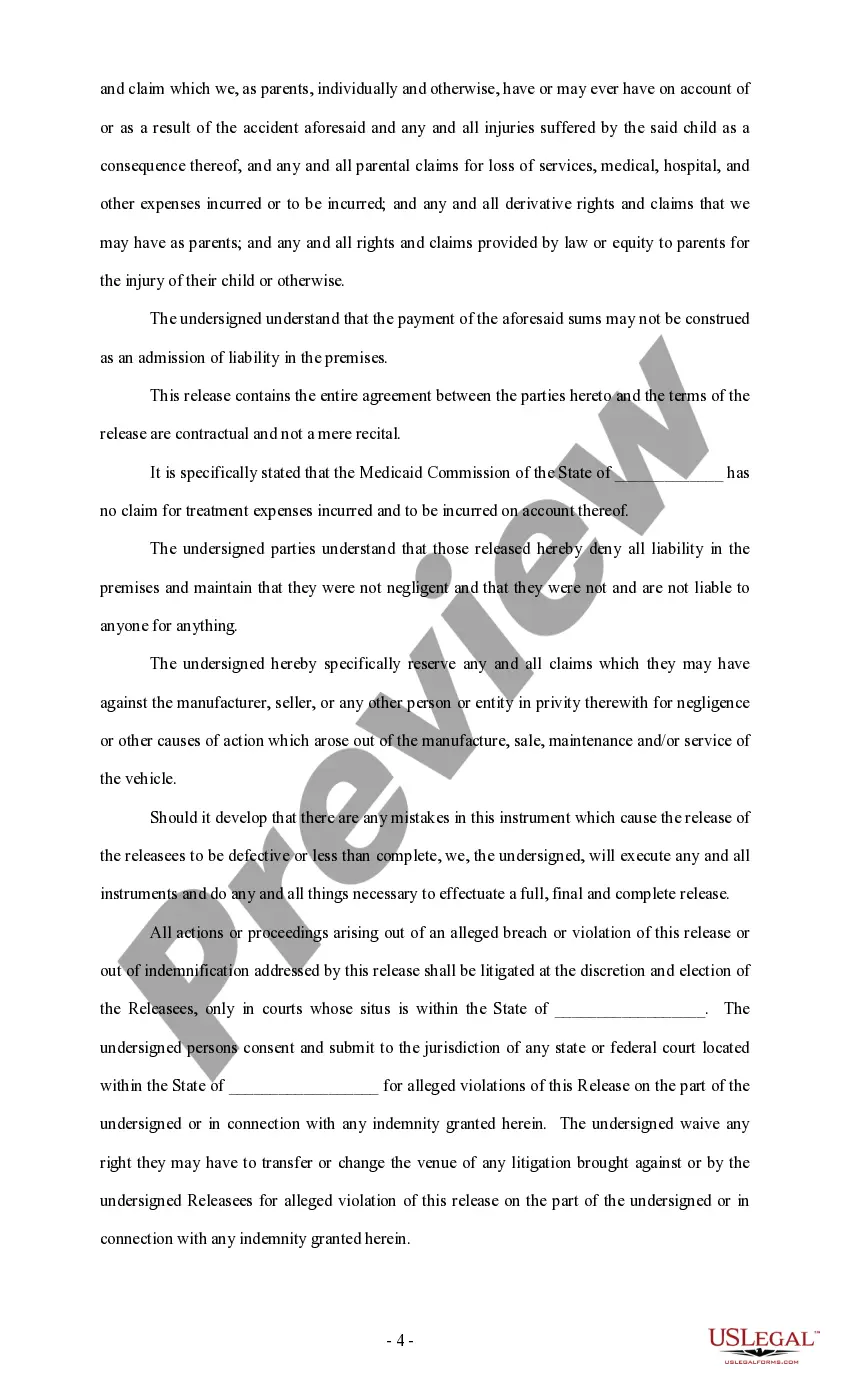
Generally, once you sign an absolute release, you cannot file a lawsuit for the same issues, so make sure you're fully informed before putting pen to paper.
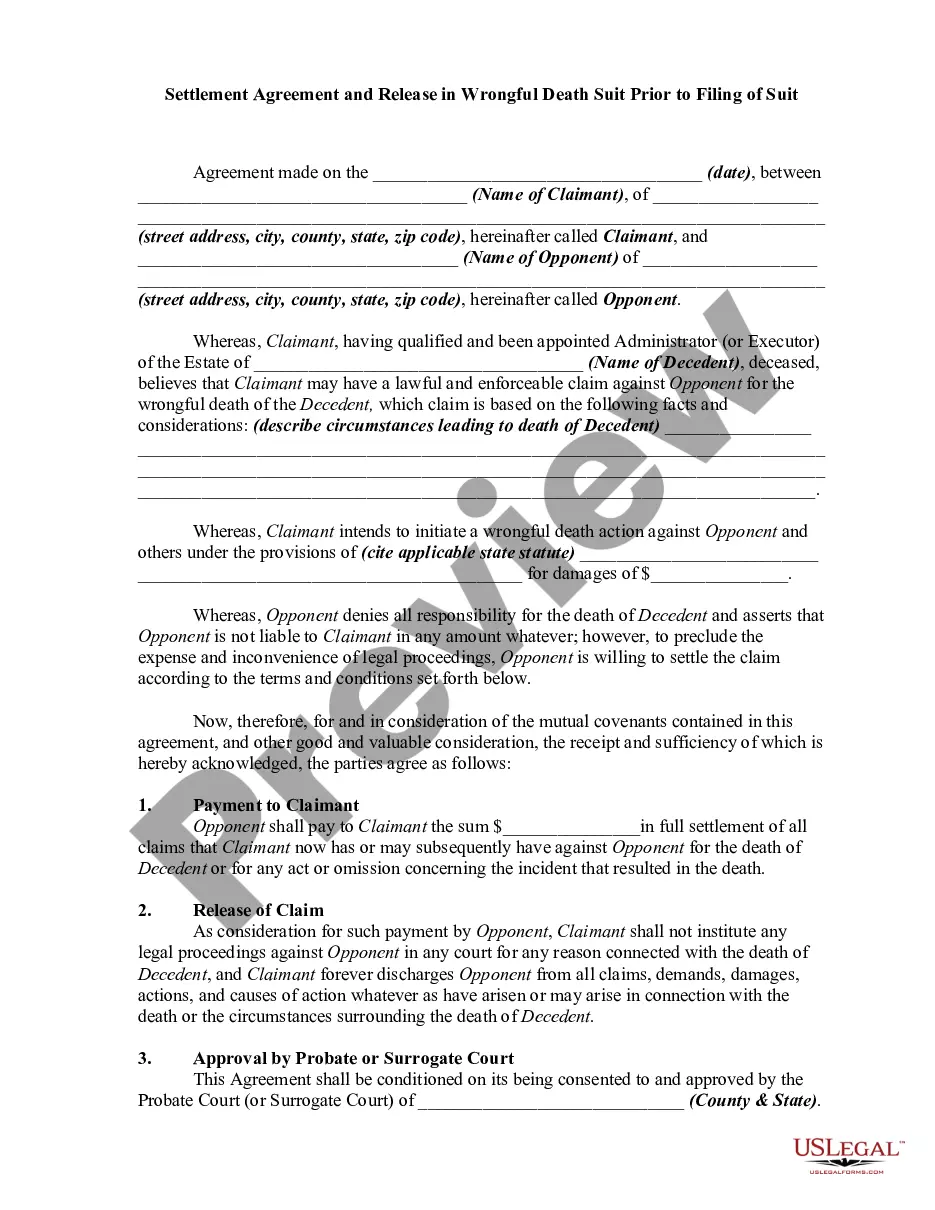
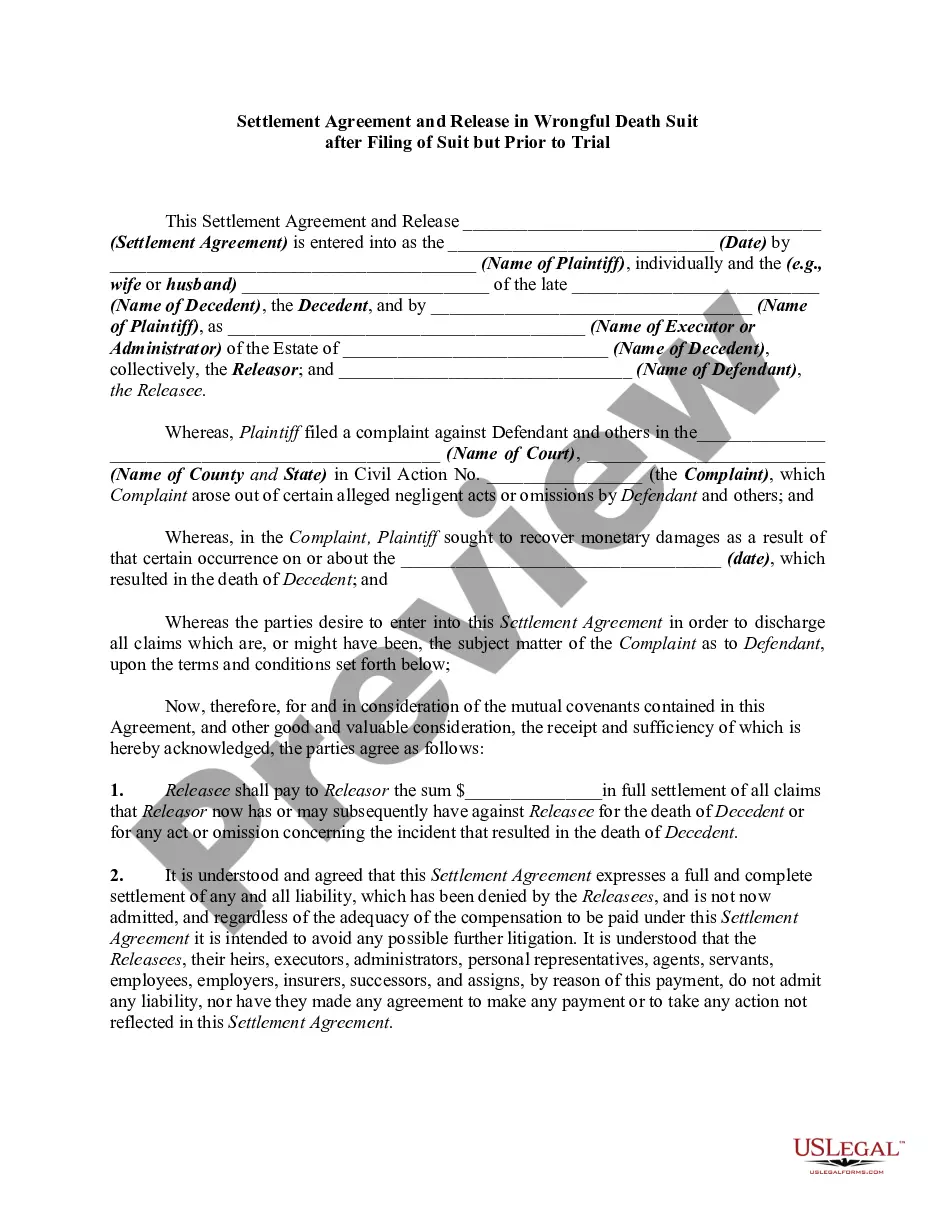
In wrongful death cases, an absolute release can limit the rights of the survivors to seek further compensation, so it's crucial to understand what you're signing.
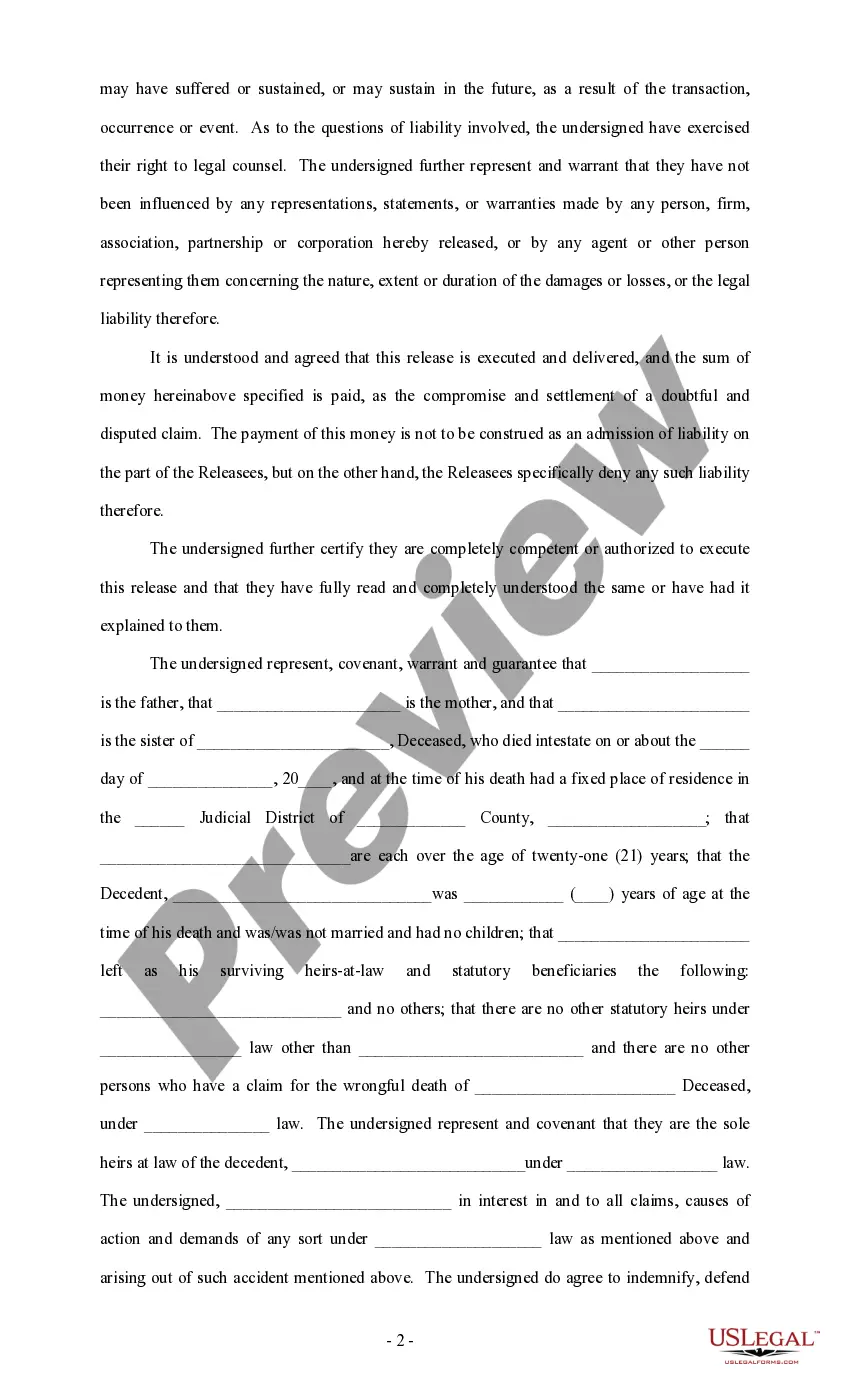
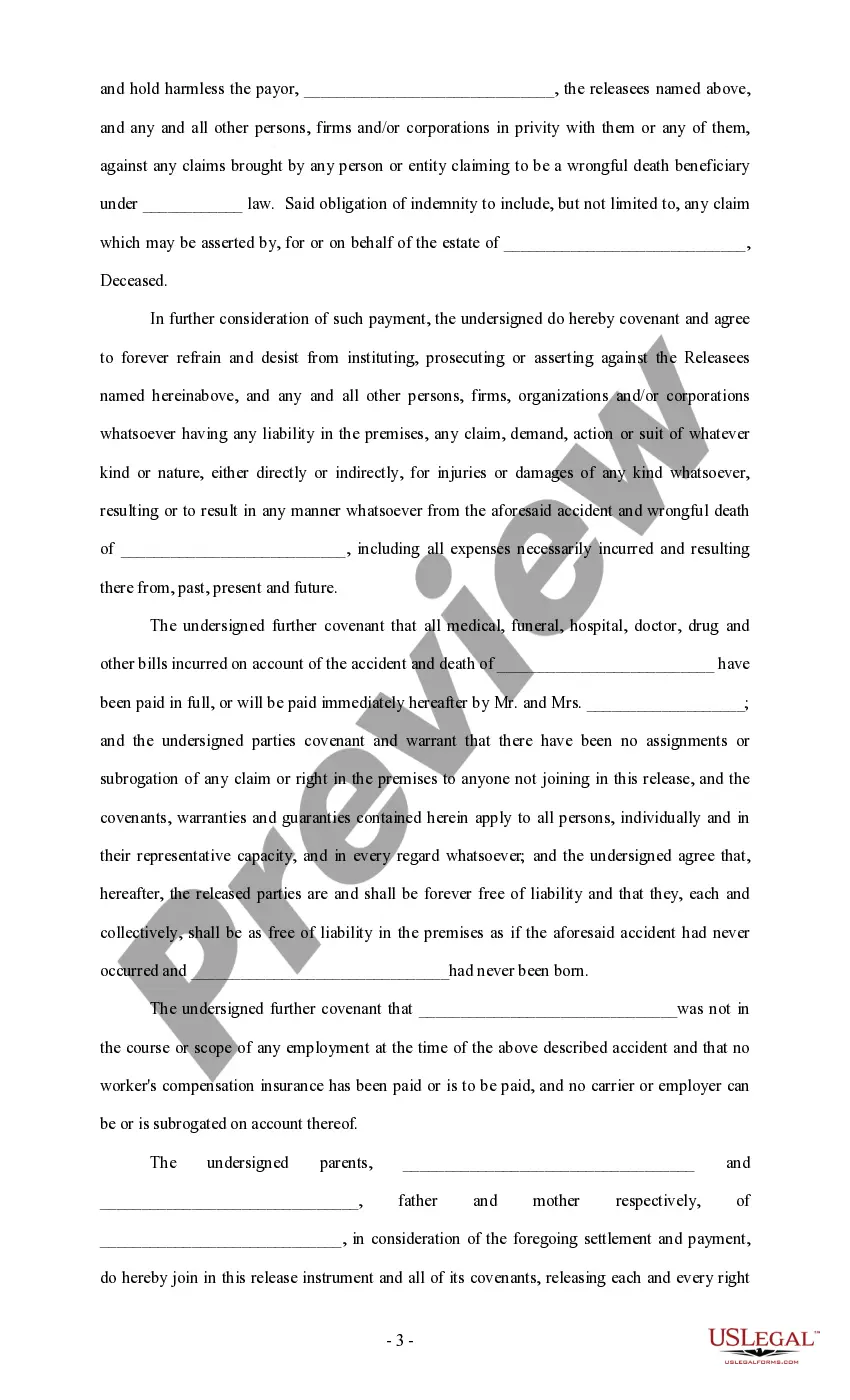
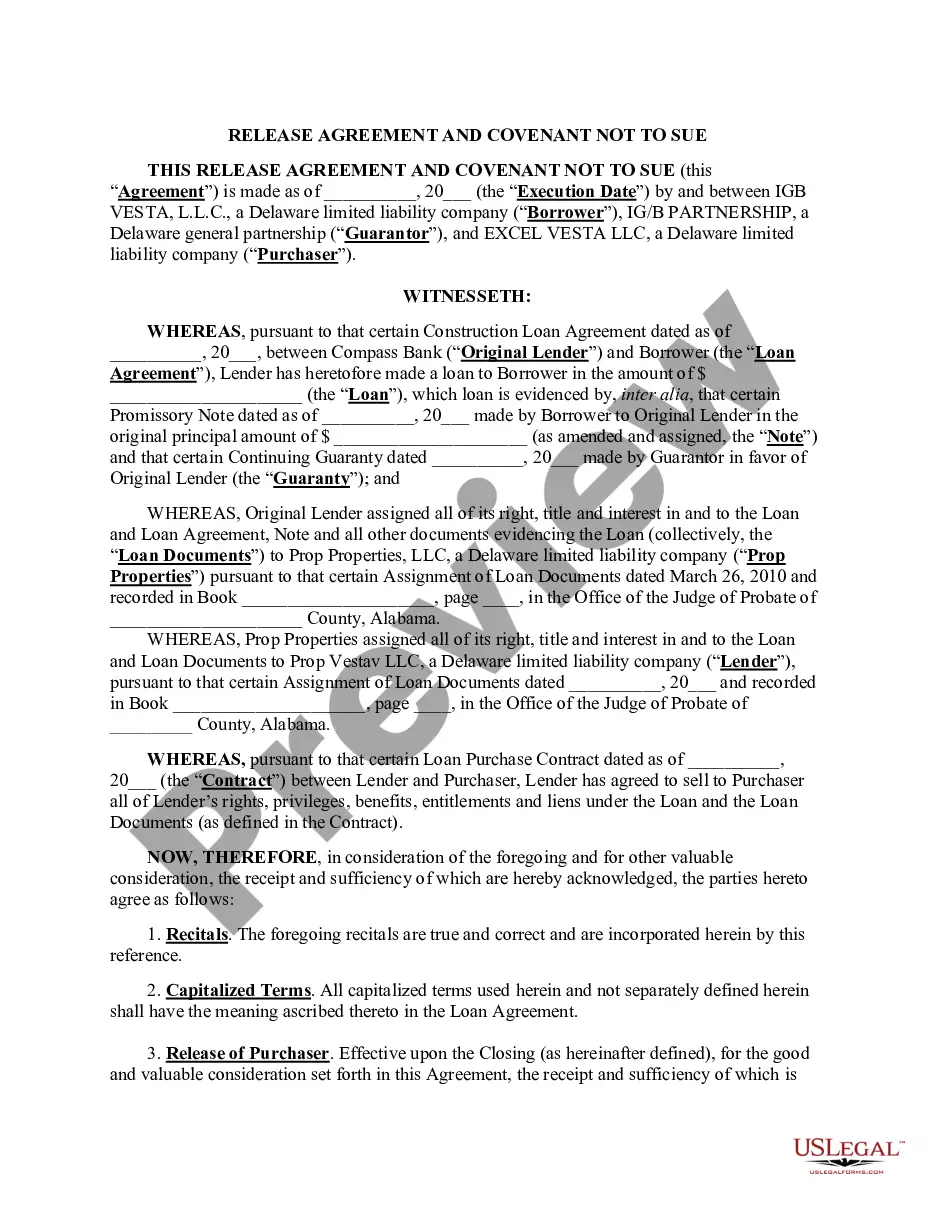
Covenants are promises included in the release that can require the parties to do (or not do) certain things in the future, often to prevent further disputes.
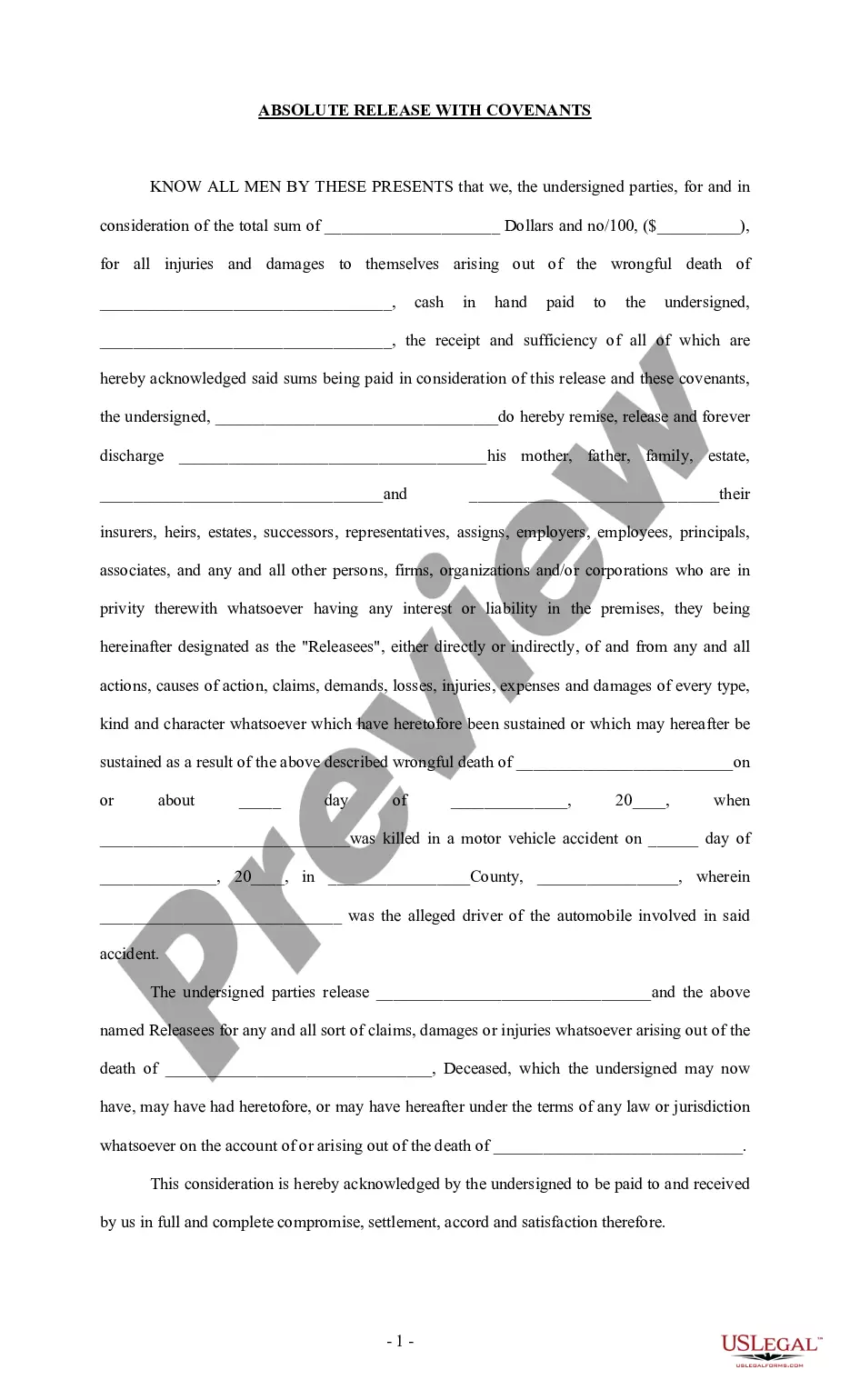
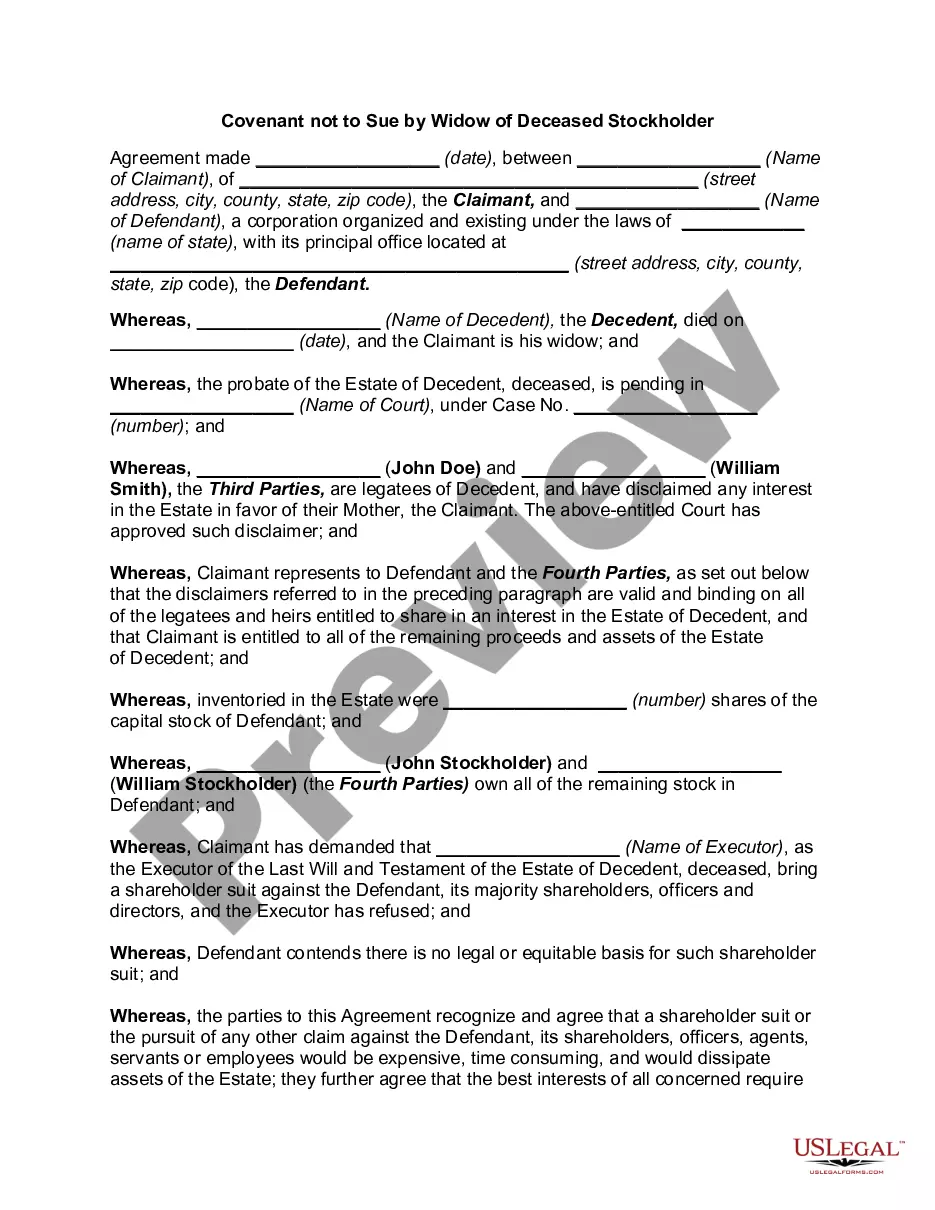
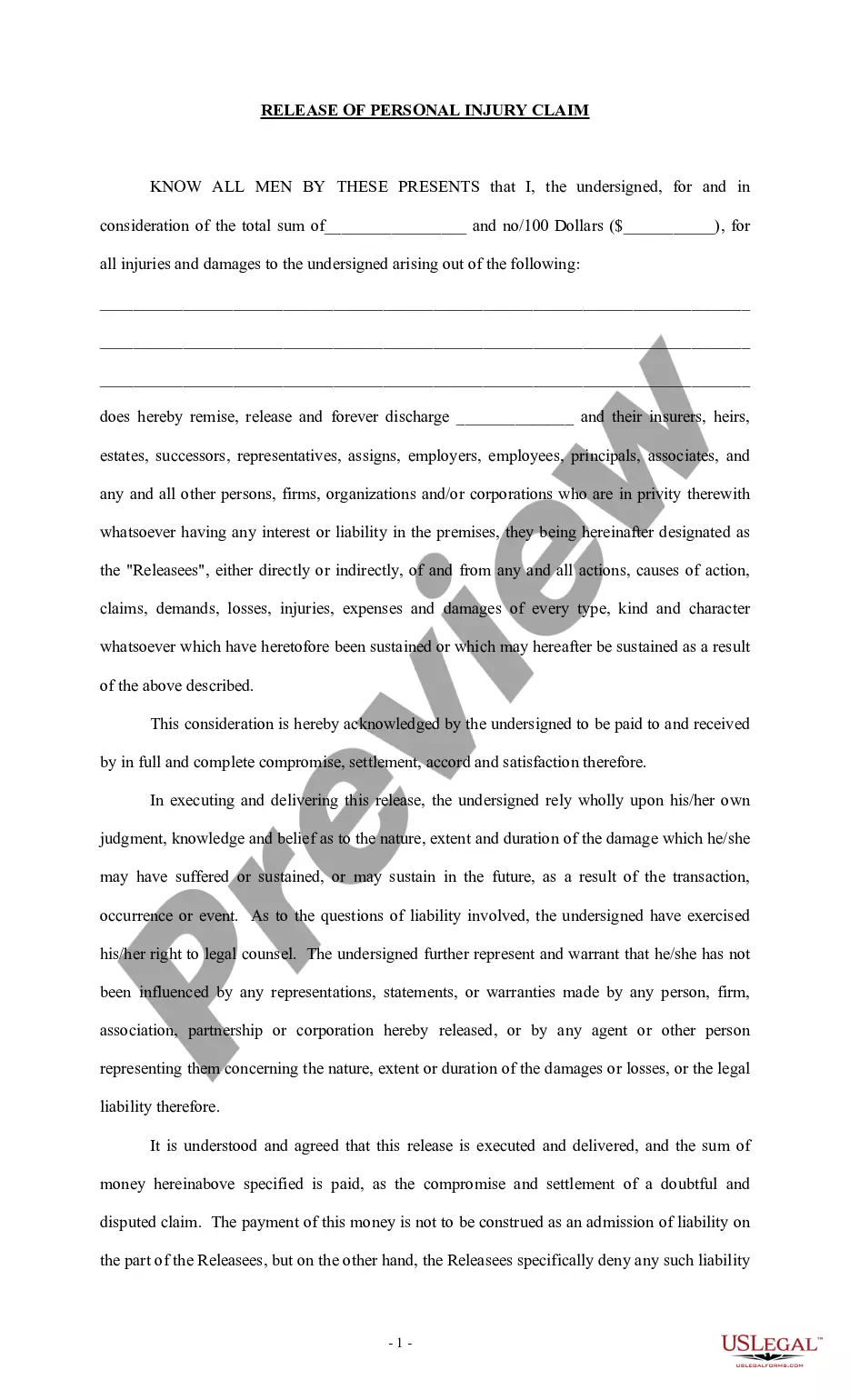
An absolute release is a legal document where a party agrees to give up all claims against another party, usually after a settlement or resolution of a case.