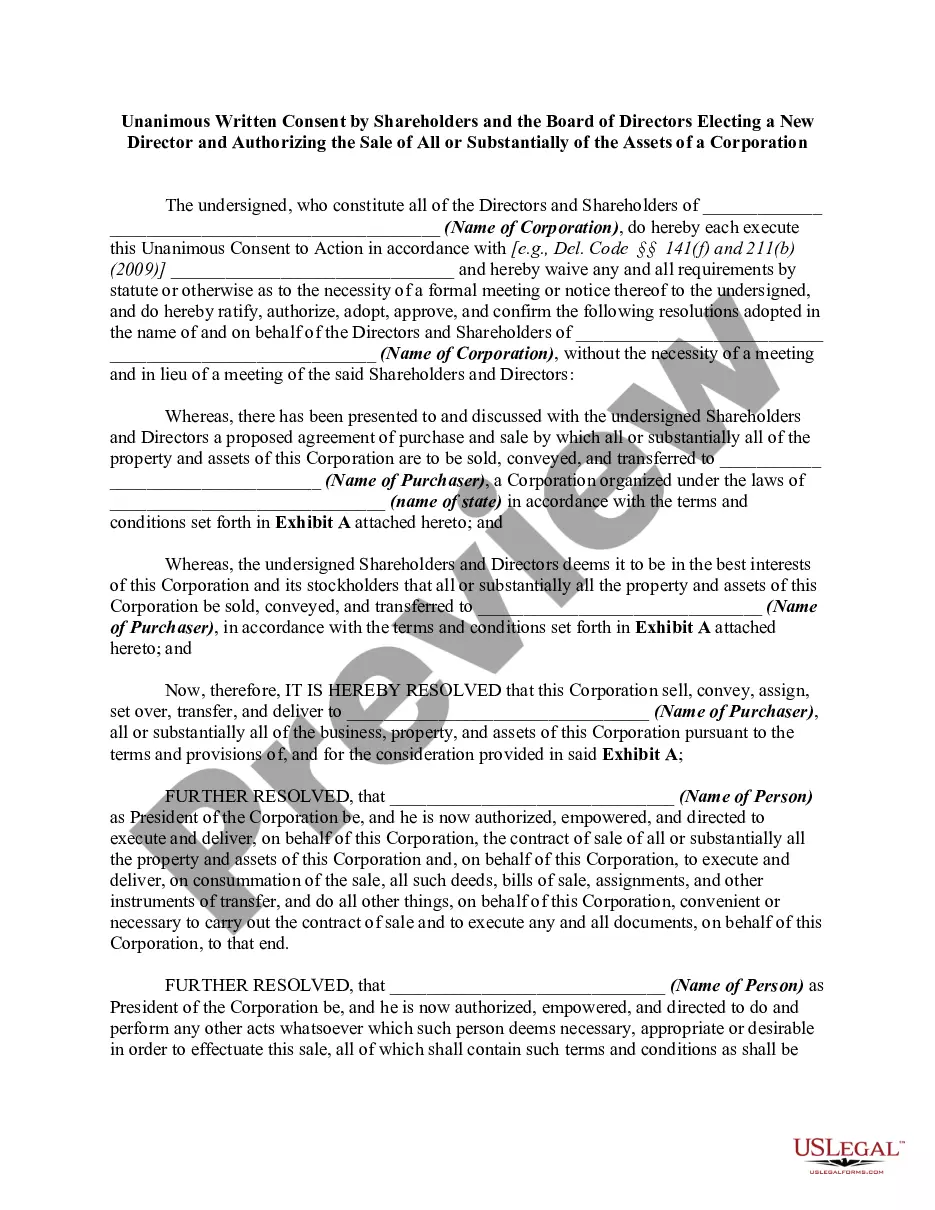
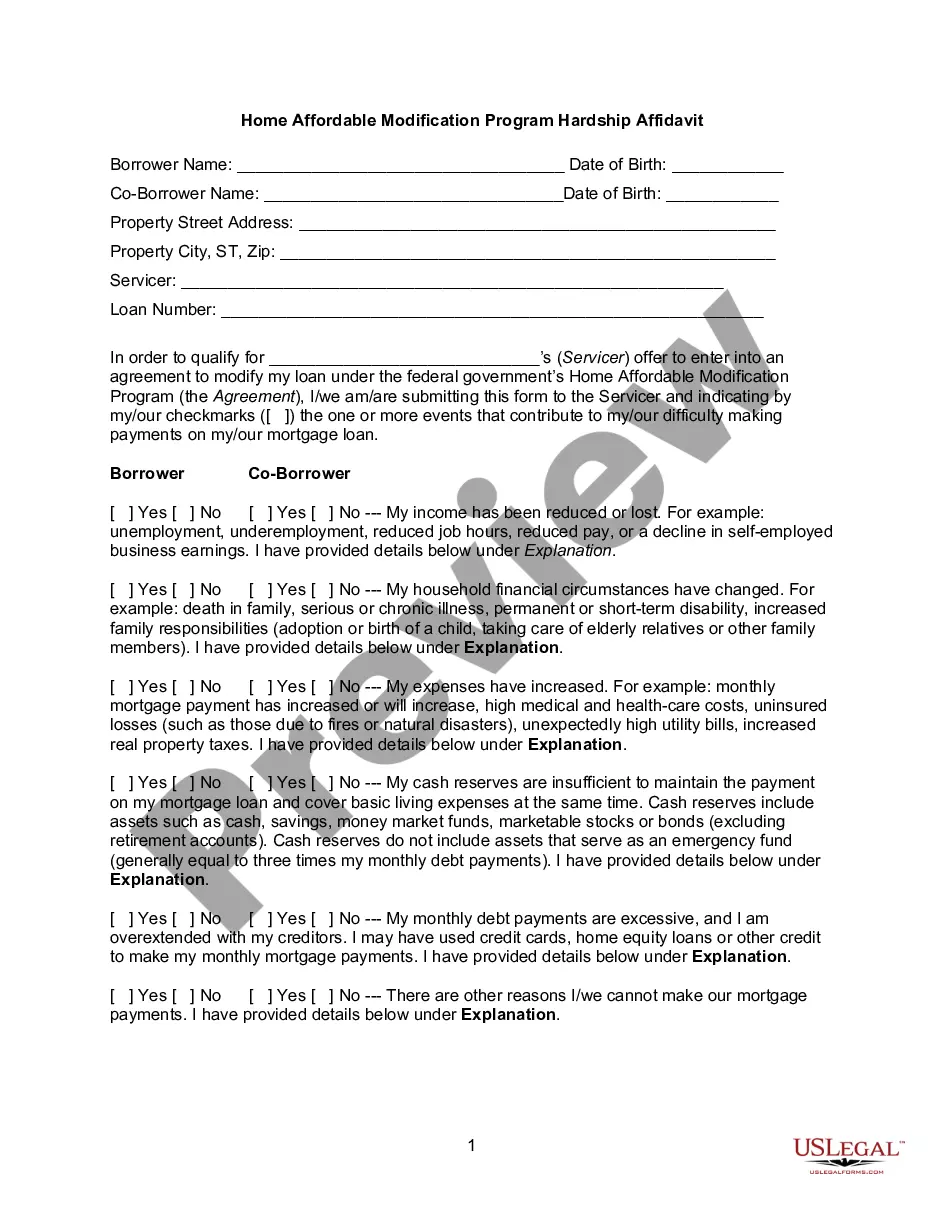
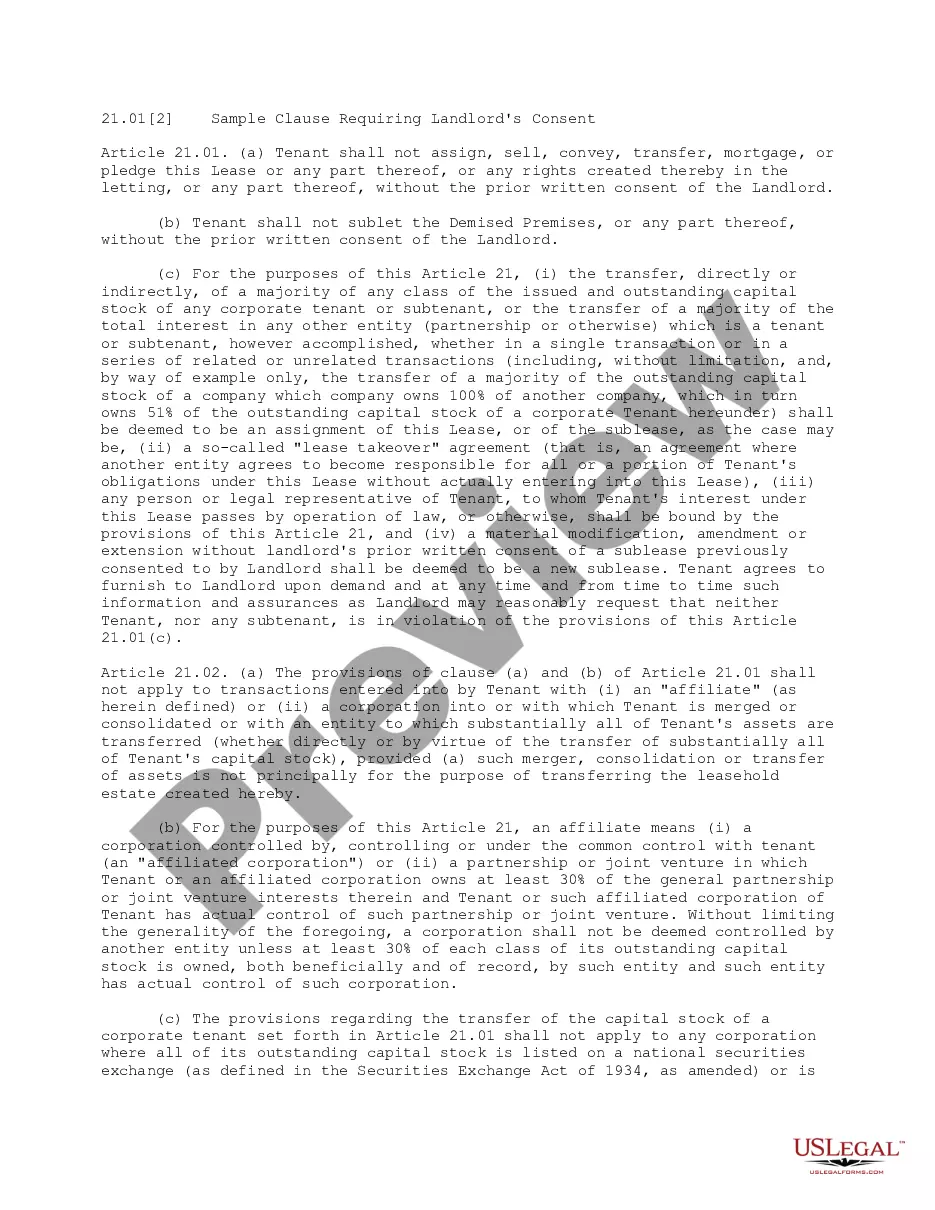
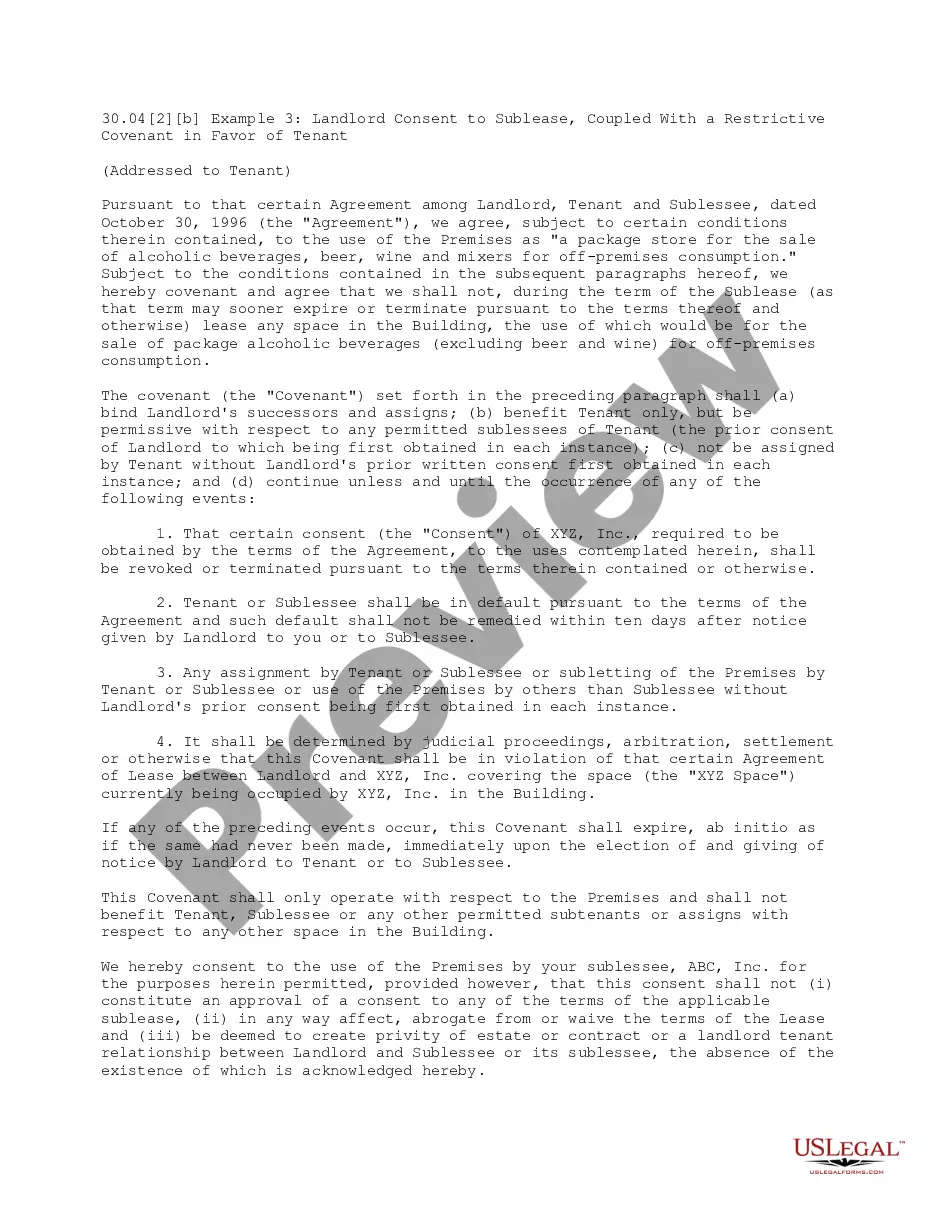
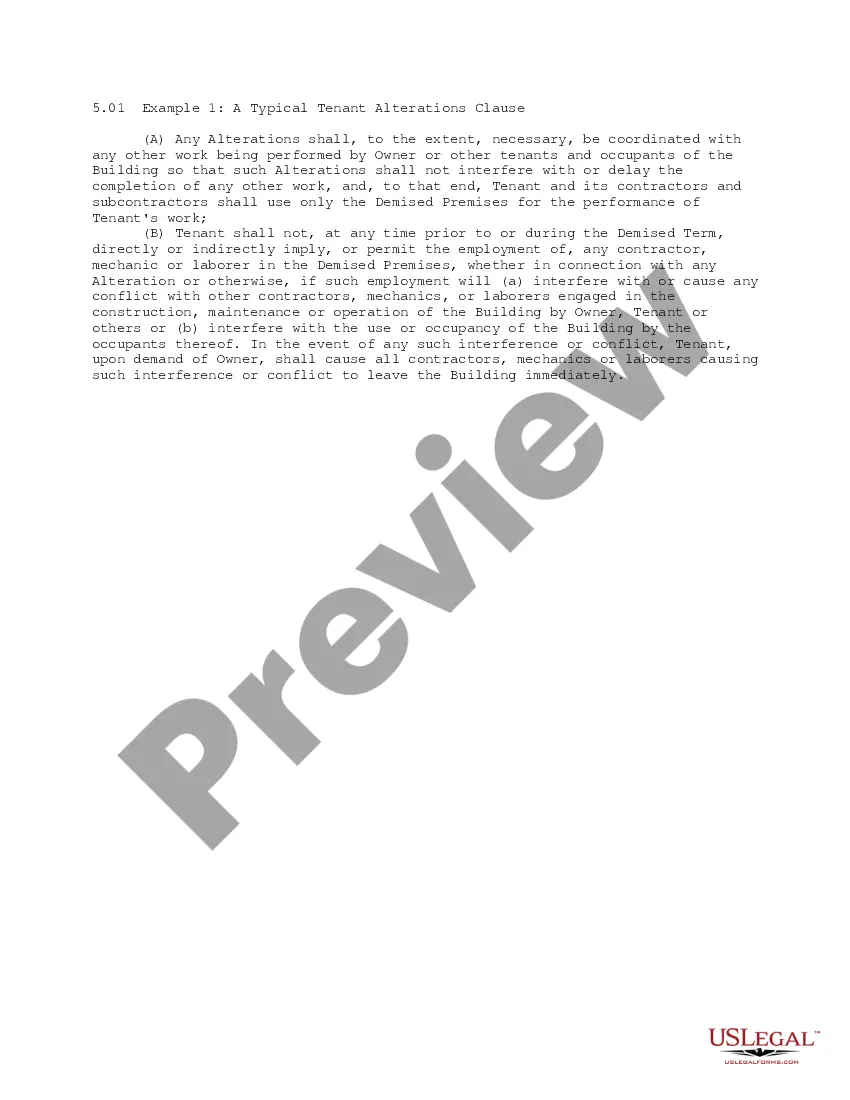
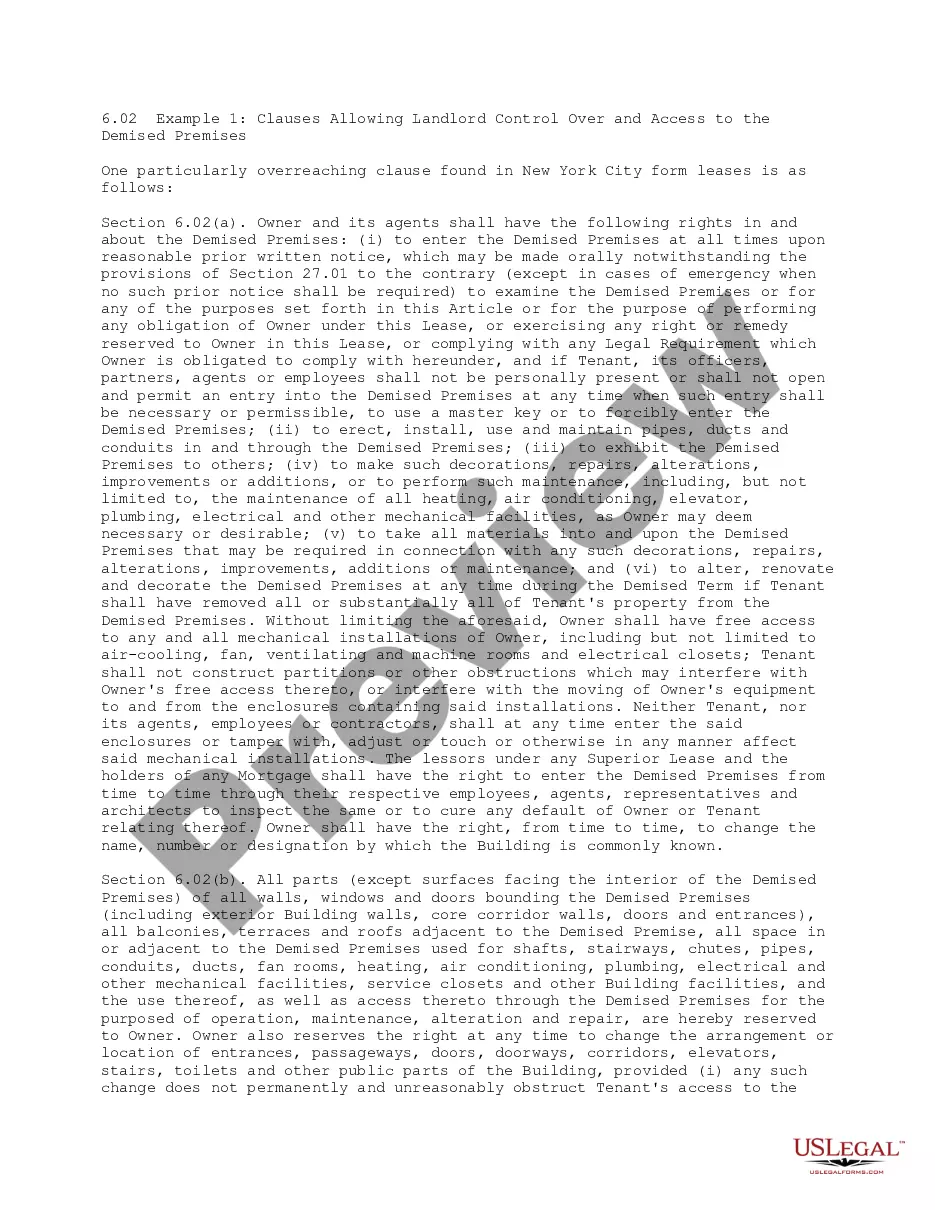
This office lease form is a clause stating the conditions and situations under which the tenant may not act without written consent of the landlord.
Wayne Michigan Clause Requiring Landlord Consent
Category:
State:
Multi-State
County:
Wayne
Control #:
US-OL21012
Format:
Word;
PDF
Instant download
Description
Free preview


How to fill out Clause Requiring Landlord Consent?
Preparing documents, such as the Wayne Clause Requiring Landlord Consent, to manage your legal issues is a challenging and time-consuming task.
Numerous situations necessitate the involvement of a lawyer, which also renders this endeavor not particularly economical.
However, you have the option to take control of your legal matters and handle them independently.
The onboarding process for new users is quite simple! Here’s what you need to accomplish before acquiring the Wayne Clause Requiring Landlord Consent: Ensure your document is in compliance with your state/county as the rules for drafting legal documents may vary from one state to another. Obtain further details about the form by previewing it or reviewing a brief introduction. If the Wayne Clause Requiring Landlord Consent is not what you were looking for, use the header to find another one. Log In or create an account to begin utilizing our service and download the form. Everything looks ideal on your end? Click the Buy now button and choose your subscription option. Choose the payment method and input your payment information. Your template is ready for download. Locating and purchasing the suitable template with US Legal Forms is a straightforward endeavor. Countless businesses and individuals are already benefiting from our extensive collection. Consider subscribing now to see what additional benefits you can access with US Legal Forms!
- US Legal Forms is here to assist you.
- Our platform offers over 85,000 legal documents designed for a variety of situations and life events.
- We guarantee that each document complies with the regulations of each state, so you can rest easy about any potential legal risks related to compliance.
- If you are already acquainted with our website and have a subscription with US, you understand how simple it is to obtain the Wayne Clause Requiring Landlord Consent template.
- Just Log In to your account, download the document, and customize it according to your specifications.
- Lost your document? No problem. You can retrieve it in the My documents tab in your account - accessible on both desktop and mobile.
Form popularity
FAQ
To report a landlord to the housing authority in Michigan, gather evidence of the violations, which may include lease statements and photographs. You can then submit a formal complaint to your local housing authority, outlining how the landlord has violated the Wayne Michigan Clause Requiring Landlord Consent or other housing regulations. Following up on your complaint ensures your issue is taken seriously.
Notice of Entry Laws in Michigan There is no notice of entry law in Michigan. According to our survey of Michigan landlords, must provide their tenants 24-hour notice before entering the unit.
Tenant Rights to Withhold Rent in Michigan Tenants may withhold rent or exercise the right to "repair and deduct" if a landlord fails to take care of important repairs, such as a broken heater. For specifics, see Michigan Tenant Rights to Withhold Rent or "Repair and Deduct".
Your landlord can't enter your home without permission except in an emergency. If there is a problem that your landlord needs to enter your home to fix, you should be given notice a reasonable time before the landlord plans to enter.
As long as the tenant does not violate any rules, they can stay until their rental period ends. But if they stay in the property even a day after their lease/rental agreement ends and have not arranged for renewal, landlords can issue either a 30-Day Notice to Quit or a 90-Day Notice to Quit.
To end the rental agreement, meaning you cannot renew your lease for another term, your landlord must give at least 30 days of verbal or written notice for a month-to-month lease and three months for a yearlong lease.
You are paying rent to the landlord for exclusive use as the property as your home and as such you have the right to decide who enters it and when. If a landlord enters your home without permission they are, technically, trespassing, unless they have a court order to allow them otherwise.
Michigan law say nothing about landlord entry, so whatever it says in the lease is what is allowed.
45 Days or Double Your landlord has 45 days from when you move out to start a court case for damages.
The big take-away is that in most circumstances a landlord cannot enter a property without agreement from the tenant. And If the landlord ignores the law and enters the property without permission, the tenant may be able to claim damages or gain an injunction to prevent the landlord doing it again.