If you disagree with a decision about drainage easements, you can usually appeal it through your local city office. Check their guidelines for the steps to take—I’d suggest having your ducks in a row before you start!
Usually, the property owner next to the easement is responsible for keeping it in good shape. It’s like being a good neighbor; you need to look after the shared space.
Building on your property may be tricky if there's a drainage easement. You’ll need to follow the rules and might have to adjust your plans to ensure water can still flow.
If a drainage easement gets blocked, it can cause water to back up, creating all sorts of trouble, like flooding. It's important to keep those areas clear to let water flow as it should.
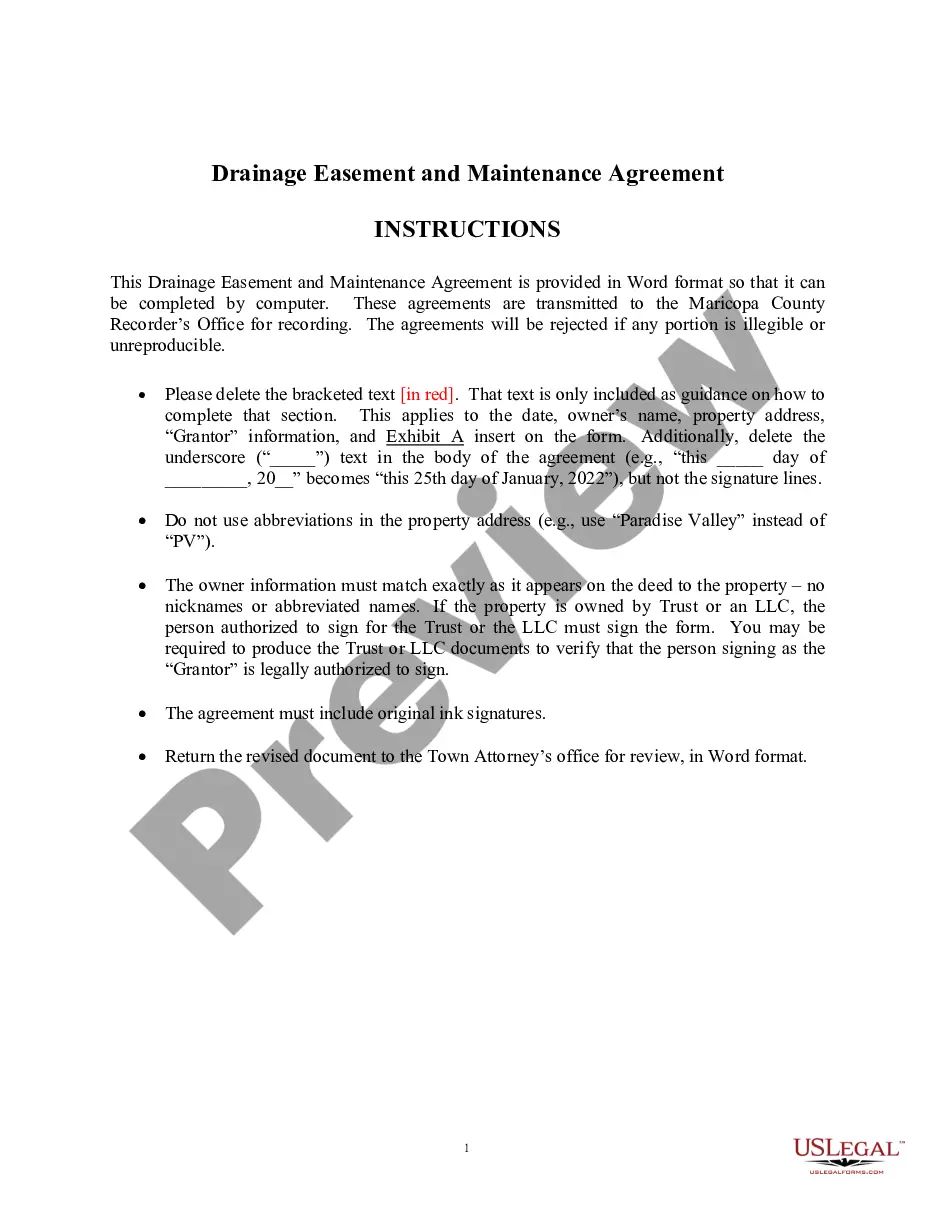
You can check with the city planning department or look at property records. These documents will tell you if there's a drainage easement on your land.
In Stockton, drainage easements help prevent flooding and keep our neighborhoods dry. They ensure water has a clear path to flow, reducing the chances of water damage.
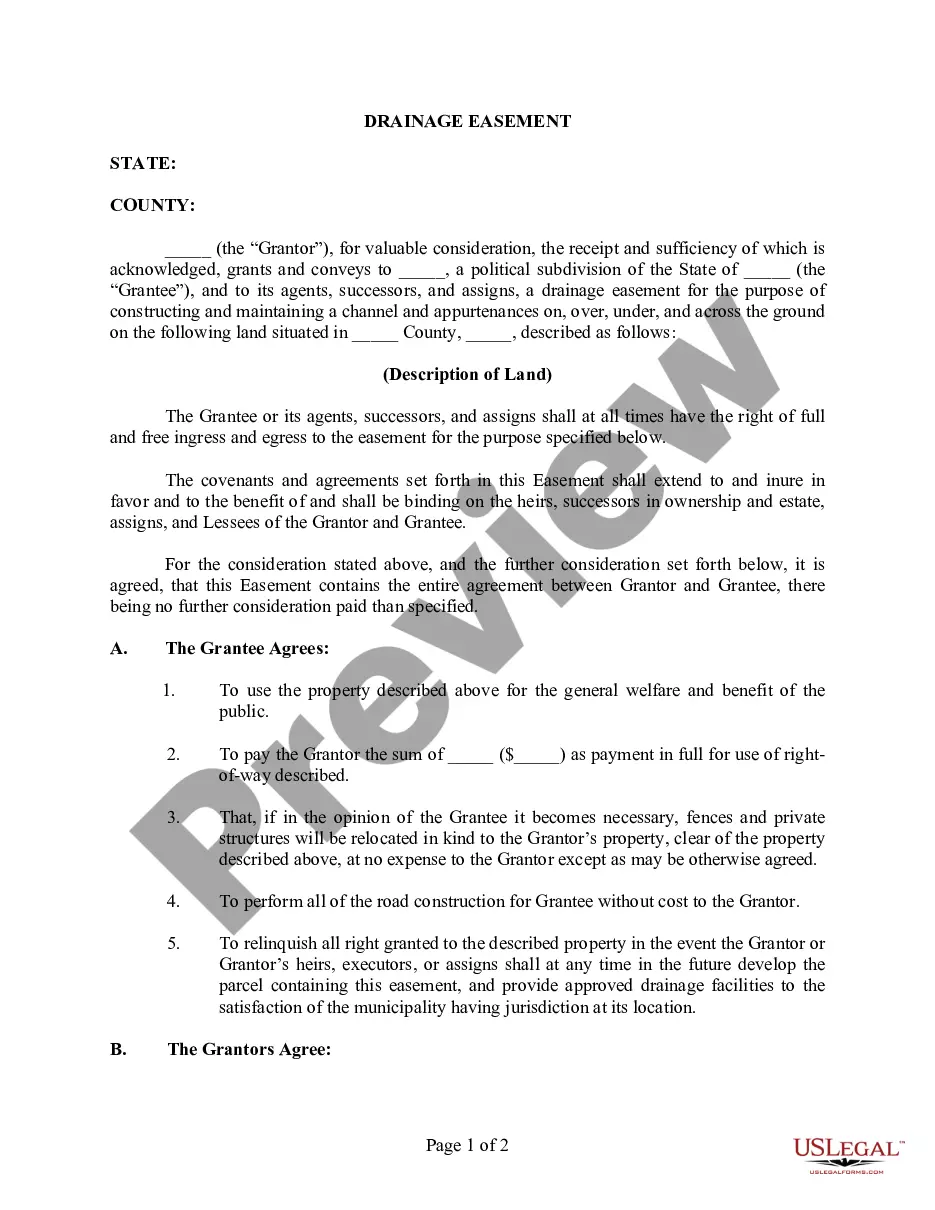
A drainage easement is like a permission slip that lets water flow through a certain area. It's the legal right to manage water drainage on someone else's land.