If you see water pooling, it might indicate a blockage. You should report this to local authorities or a drainage expert, as they can help sort out the issue before it becomes a bigger headache.
Building over a drainage easement is tricky. You’ll need to check with local authorities first, as they might not allow any changes that block the water flow. It’s best to tread carefully here.
If you have a drainage easement, you generally have the right to maintain the easement and ensure it works properly. It’s like having a key to your own little gate, so you can keep things in order.
Yes, if a drainage easement exists, your neighbor may have the right to use it for water runoff. It’s important for both sides to play nice and keep communication open to avoid any disputes.
You can check with the local city or county office in Memphis. They usually have records and maps that show any easements on your property. It’s like looking into a history book for your land.
You might need a drainage easement to ensure that rainwater, stormwater, or other runoff has a clear route to drain away. It helps keep your property dry and avoids water-related troubles.
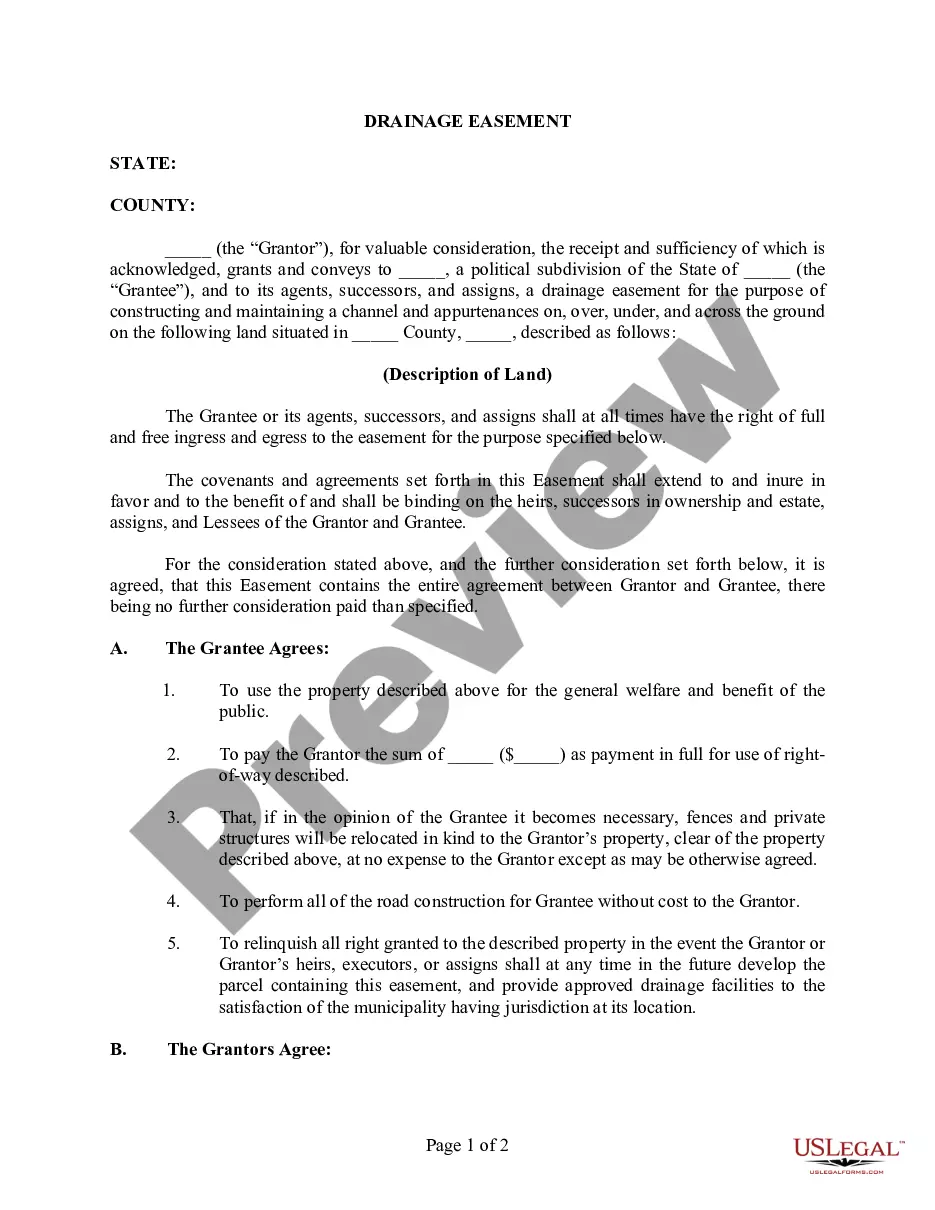
A drainage easement is a legal right that allows someone to manage water flow over a piece of land. Think of it as a designated pathway for water to get through without causing a mess.