While it's not strictly necessary to have a lawyer, having one can save you headaches down the line. They can help ensure everything is clear and legal, so it’s worth considering.
If one party breaks the agreement, it could lead to legal issues. It’s best to try to resolve the matter amicably first, but if that doesn't work, you might need to consider legal action.
Yes, you can modify a consulting agreement, but both parties need to agree to the changes and ideally put it in writing. It’s all about keeping things fair and square.
The length of a consulting agreement can vary. It could be a short-term project or an ongoing arrangement, depending on what you and the other party decide.
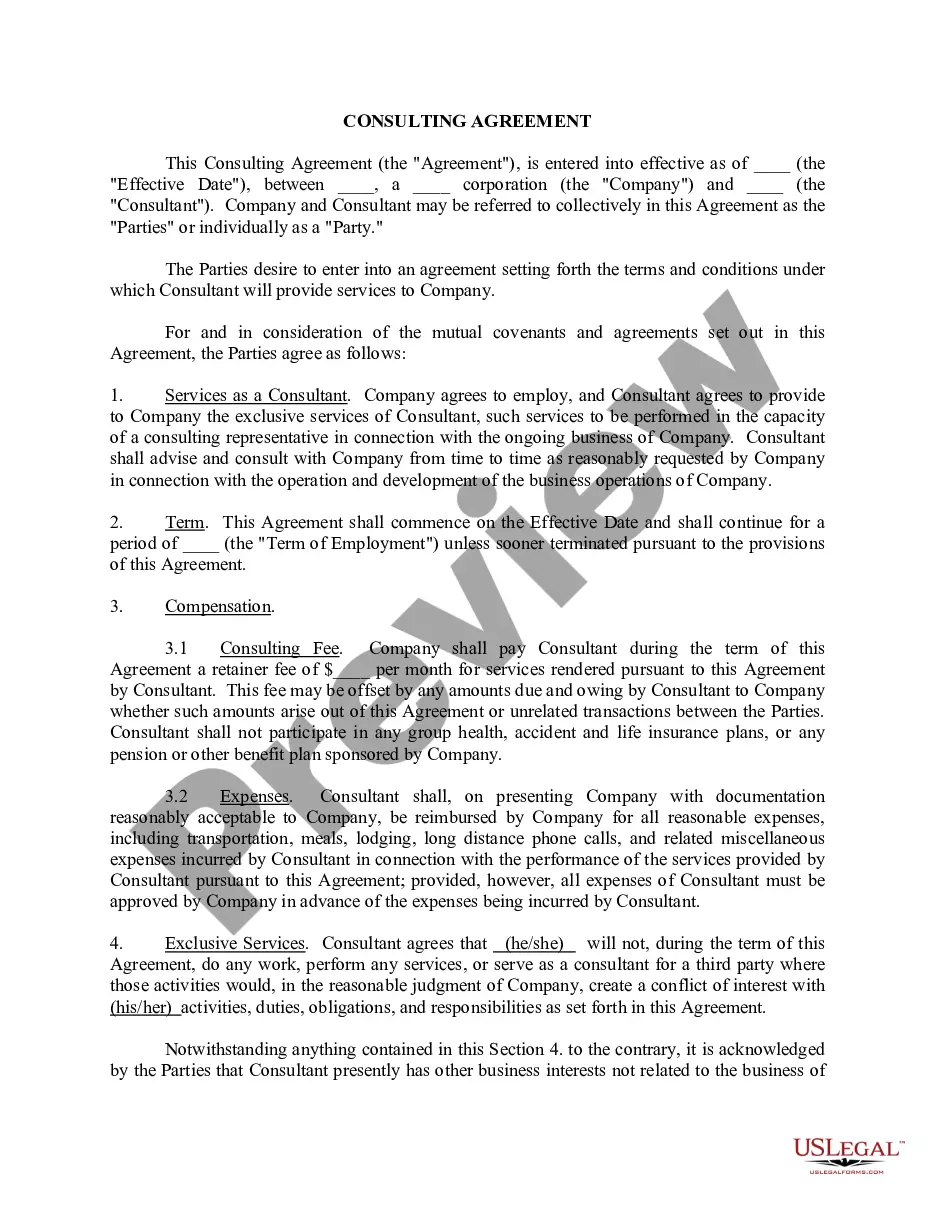
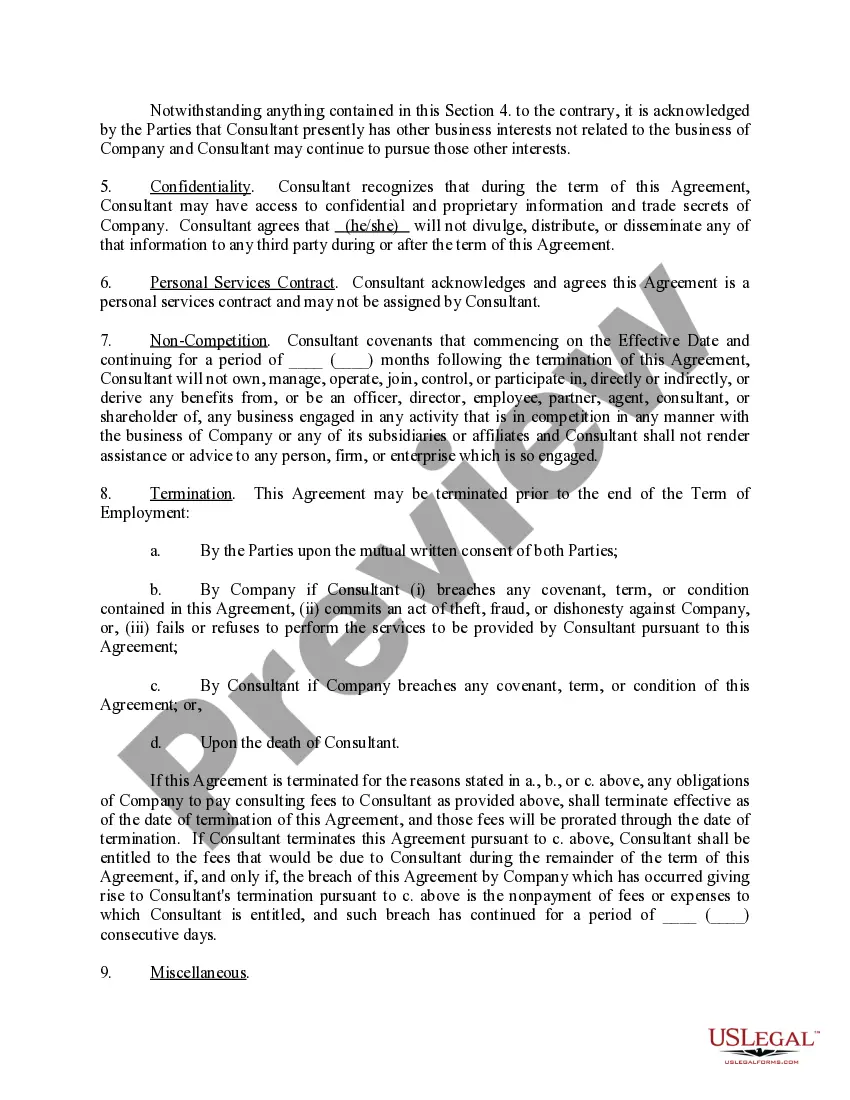
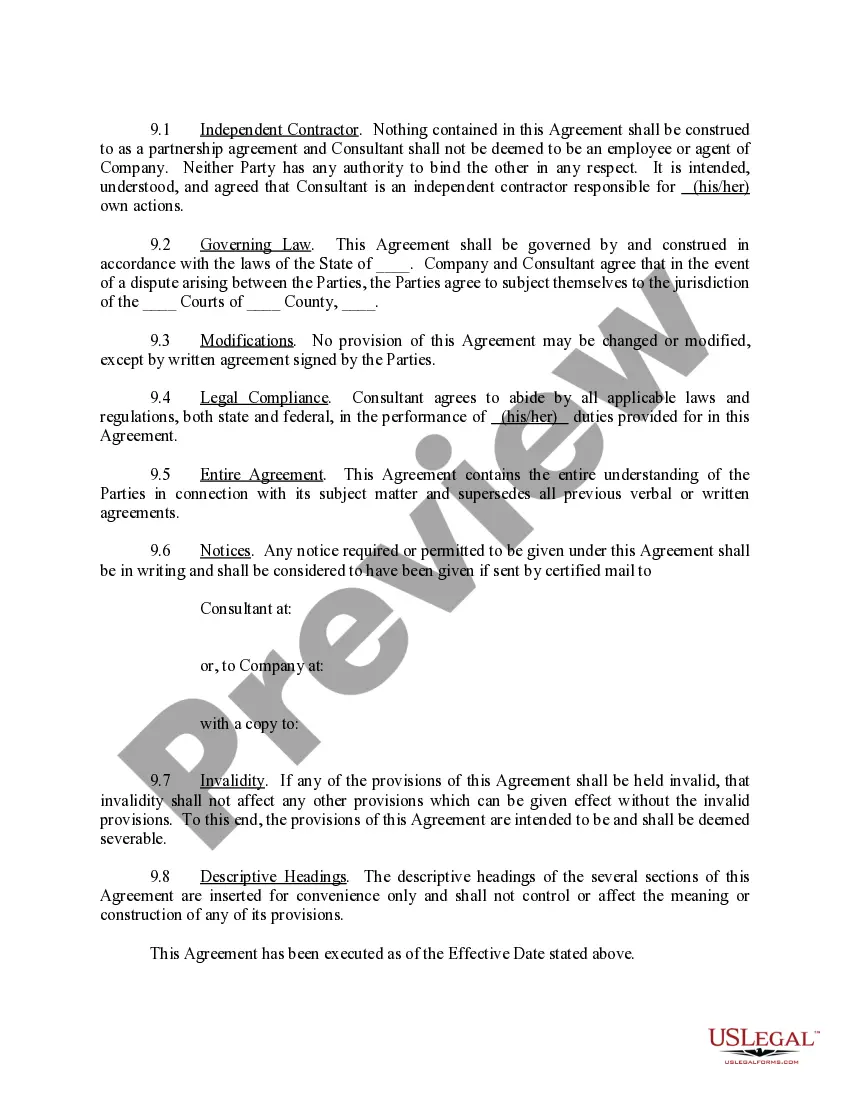
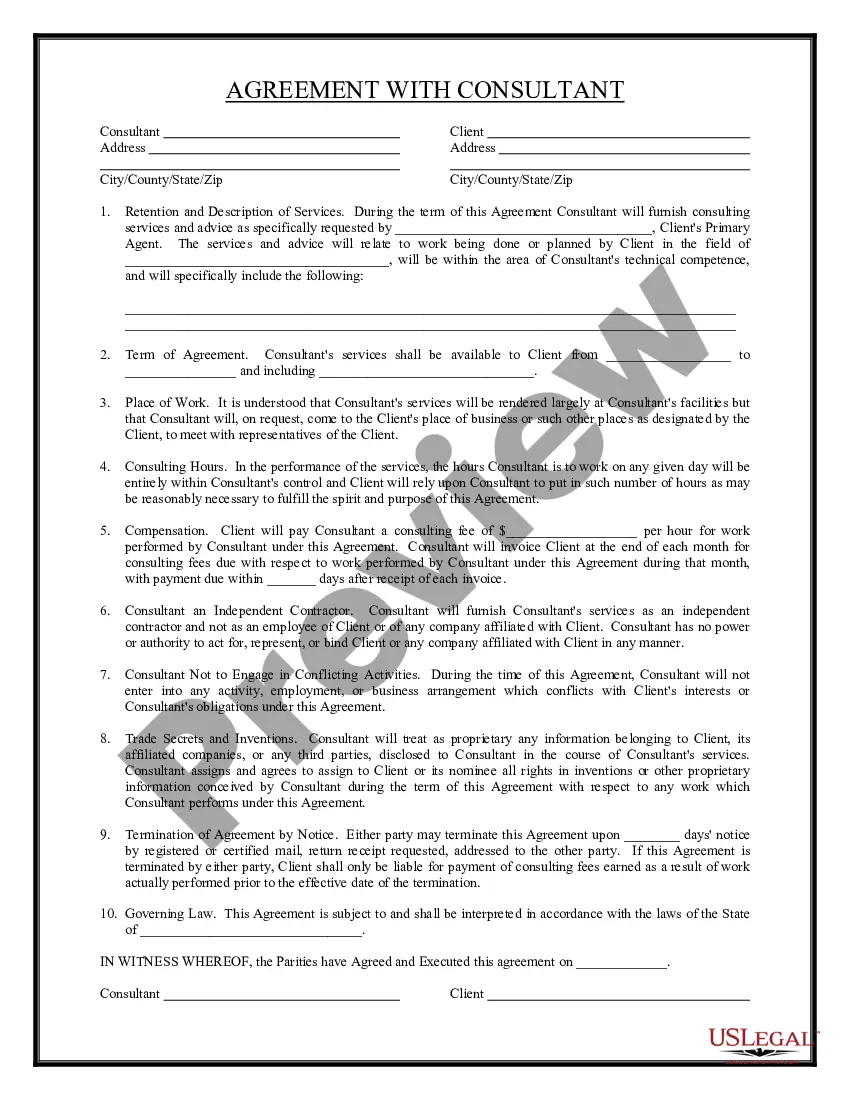
Your consulting agreement should cover the scope of work, deadlines, payment terms, confidentiality, and how to handle disputes. It's your safety net!
Having a consulting agreement is like having a roadmap; it helps clarify the expectations, protects your interests, and ensures everyone is on the same page.
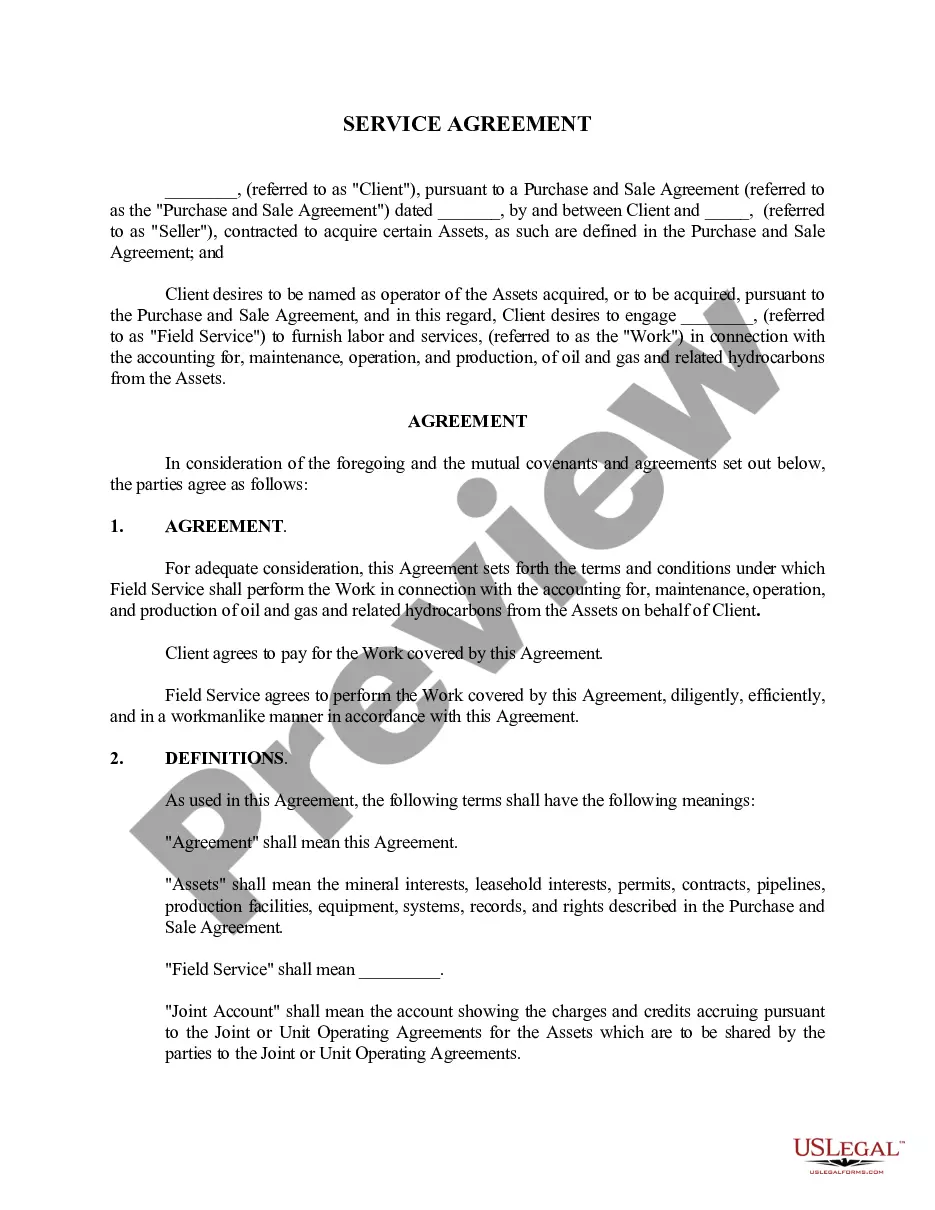
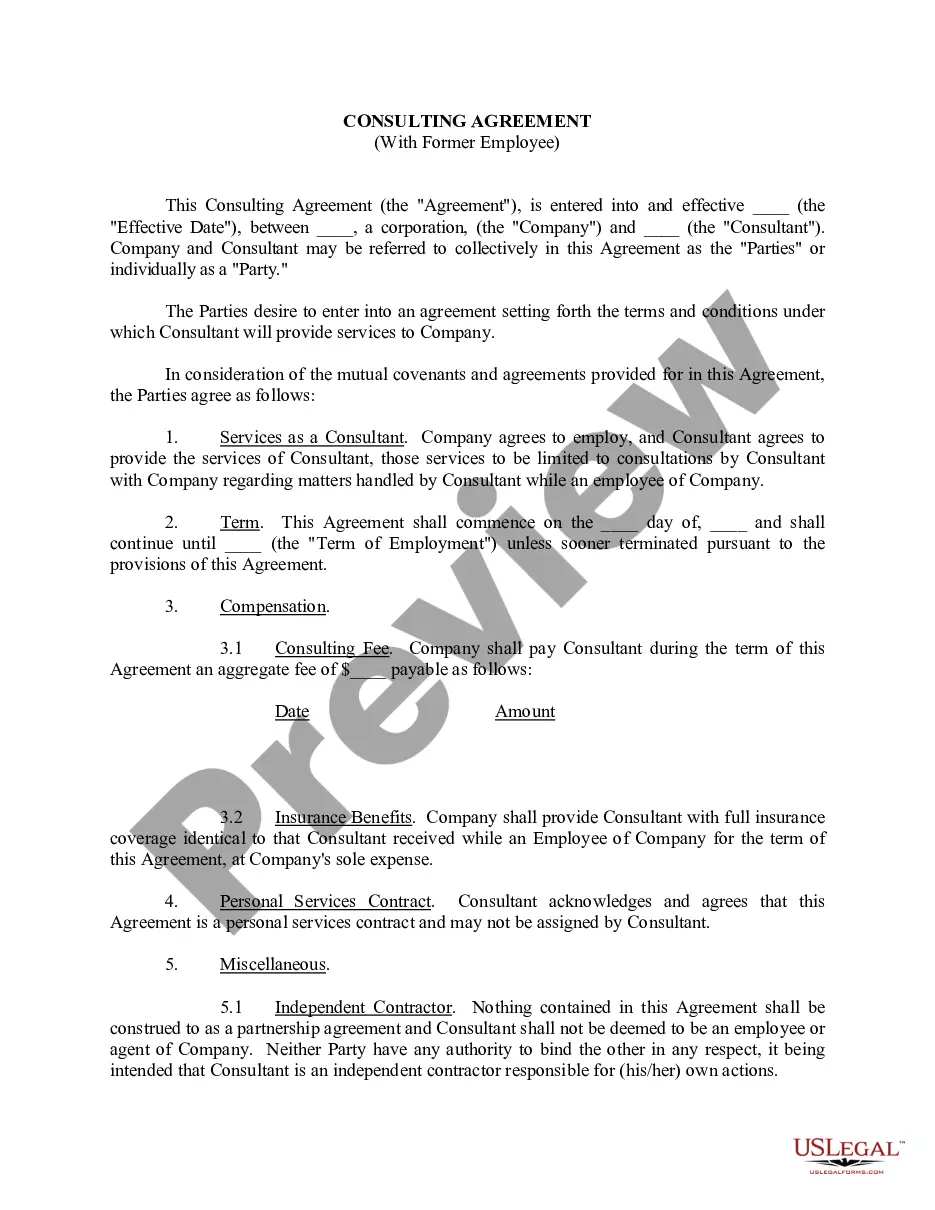
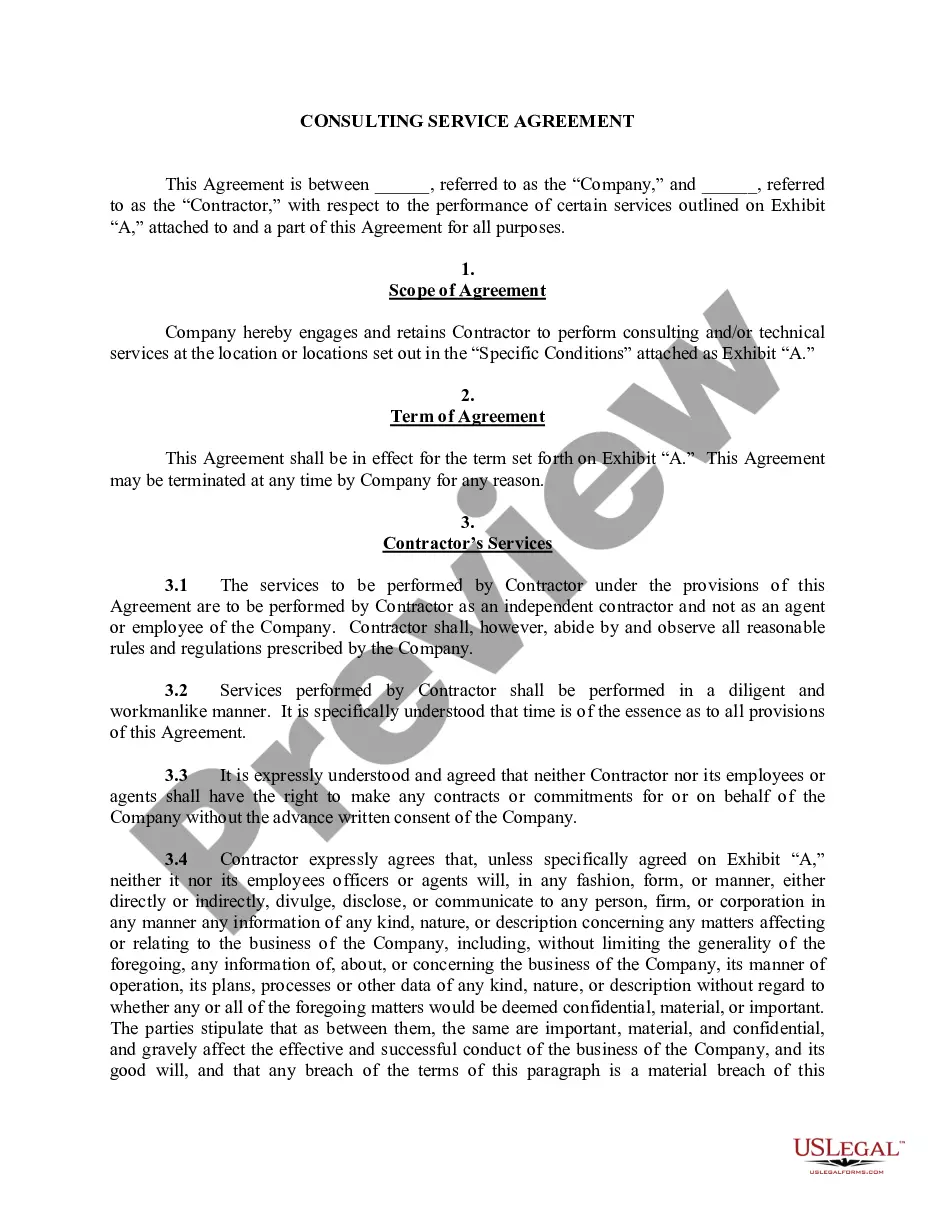
A consulting agreement is a written contract between a consultant and a client. It outlines the terms, scope of work, and responsibilities for both parties.