If a cathodic protection system fails, corrosion can set in, which may lead to leaks or other problems. It's important to have regular checks to catch any issues before they snowball into bigger headaches.
Moving or removing cathodic protection systems is usually a big task that requires permission. It’s like trying to shift the furniture in a room; you need to be careful and ensure it won’t cause any harm to the structures being protected.
Yes, there may be some restrictions. You might need to avoid heavy construction or planting deep-rooted trees right over where the cathodic protection is installed. It's best to check with the local authorities to be safe.
If you find an easement, it's a good idea to reach out to the utility company for guidance. They can explain what it means for you and what activities might be restricted on your property.
You can check with local city records or contact utility companies in Bakersfield. They usually have maps and documents to help you figure out if there's an easement on your land.
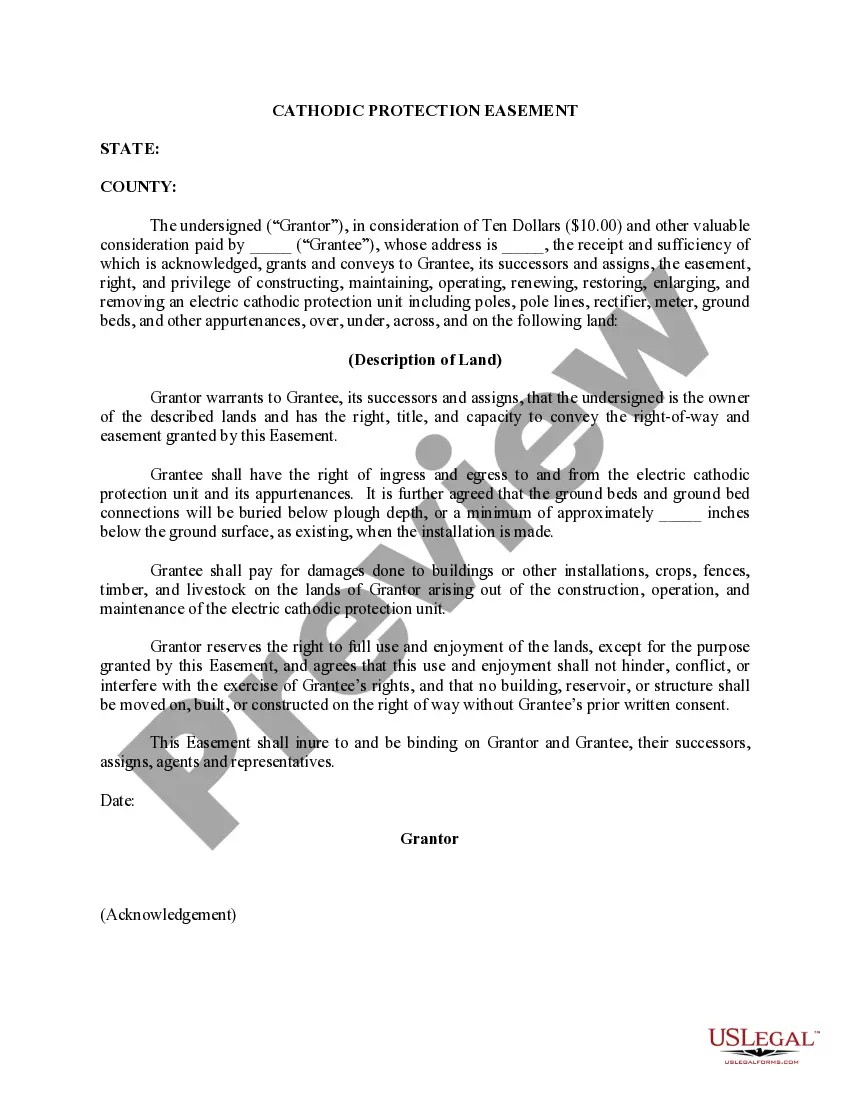
An easement is sort of like a permission slip. It allows certain work, like installing cathodic protection systems, on someone else's property without taking full ownership.
Cathodic protection is like a shield for metal pipes and structures, helping to prevent rust and corrosion. In Bakersfield, where the soil can be tough on pipelines, this protection helps keep our water and gas systems safe and running smoothly.