You can reach out to legal professionals or consultants experienced in these types of agreements. They can help you craft a document that suits your needs like a glove.
If one party doesn't hold up their end, the other can take steps to resolve the issue, which may include renegotiating or even legal action if necessary. It's important to have a plan in place for these bumps in the road.
Yes, but both parties have to agree on any changes. It’s like a handshake deal; if you want to change the terms, you both need to be on the same page.
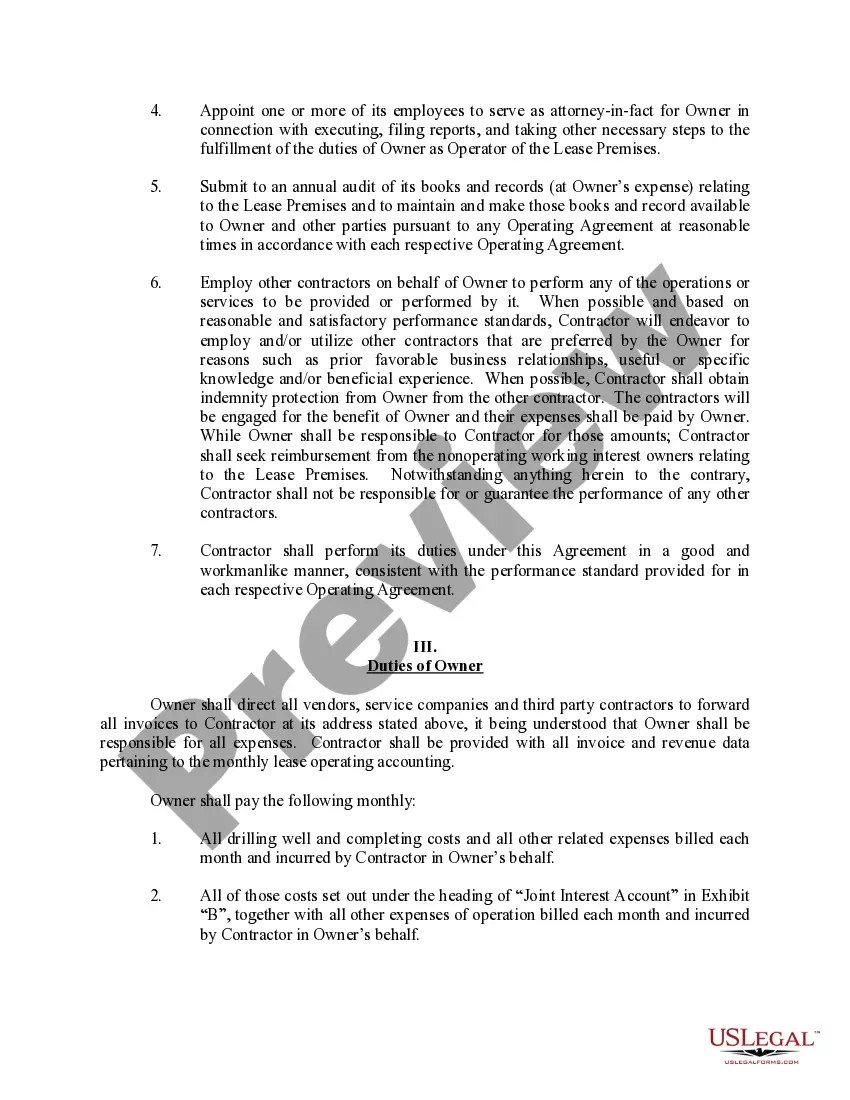
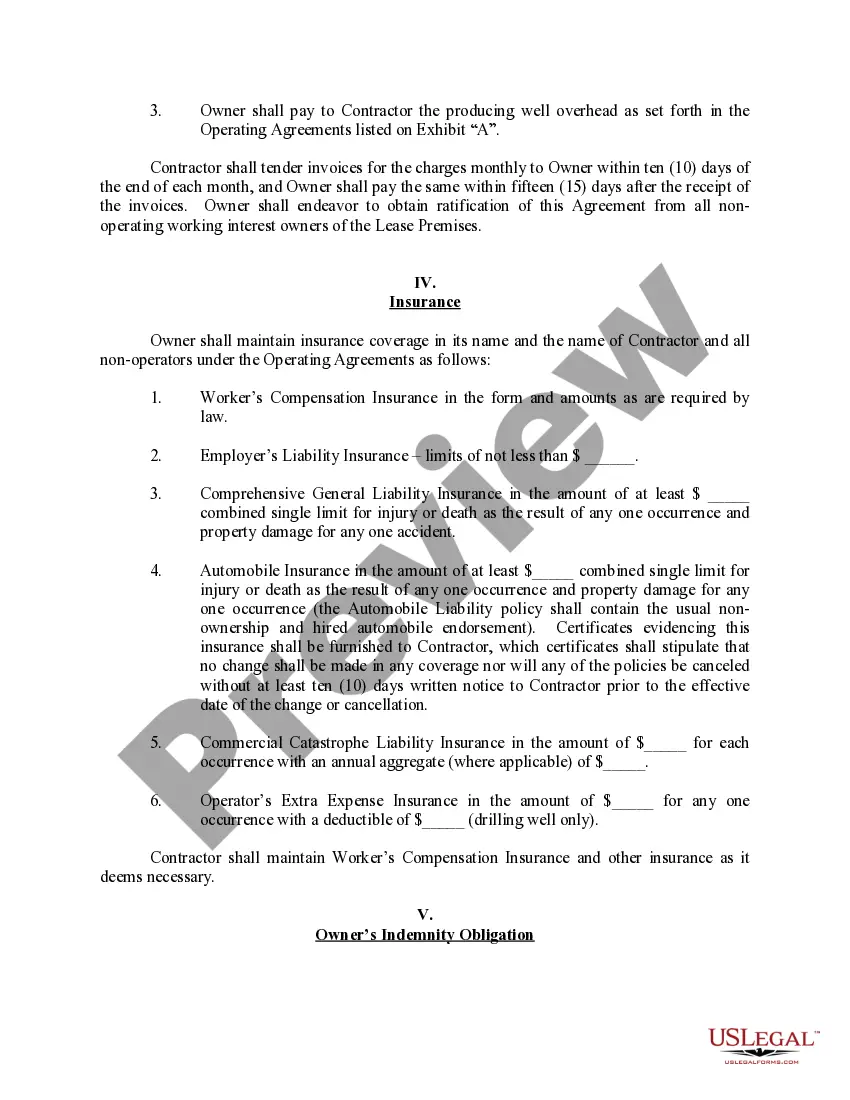
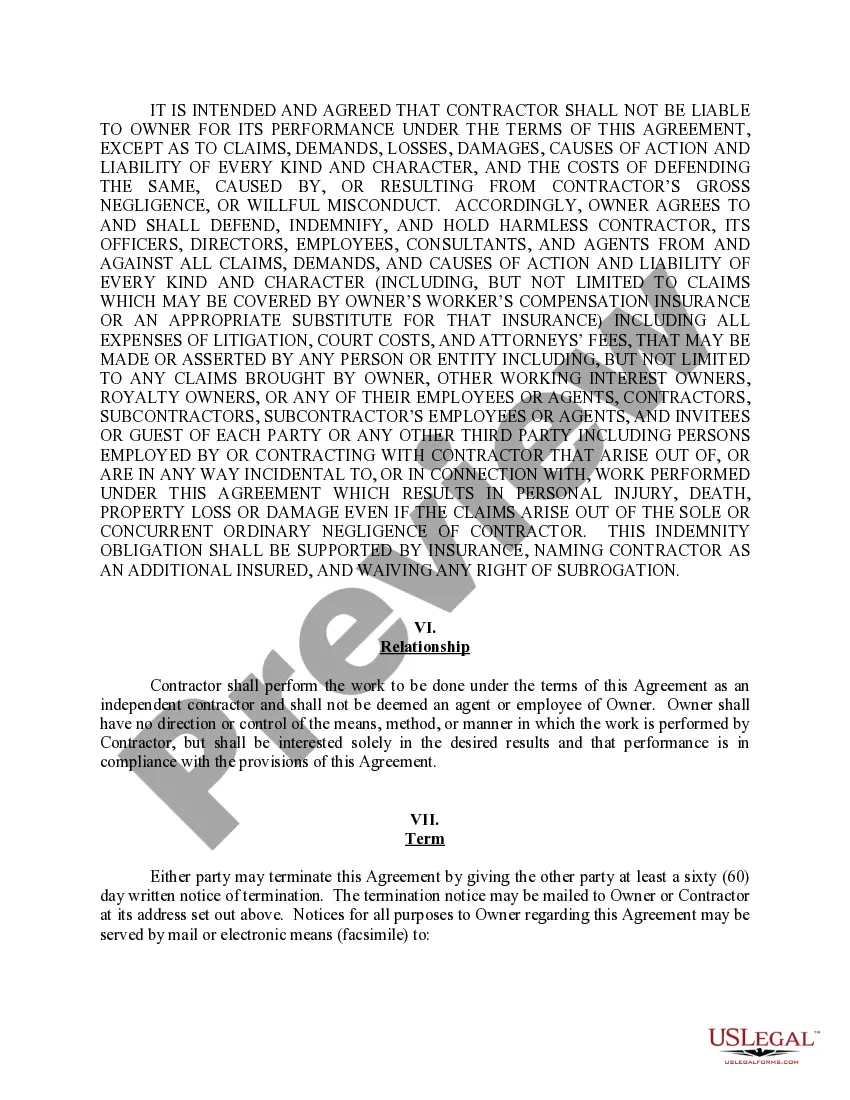
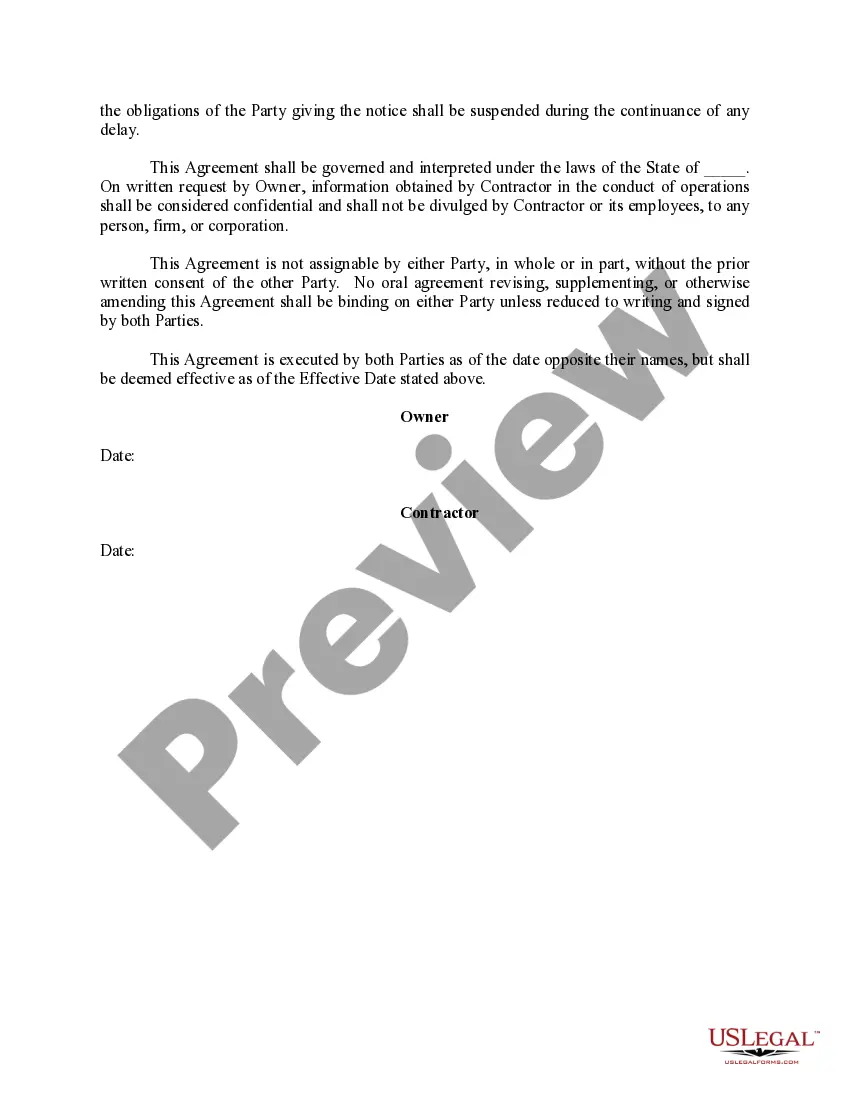
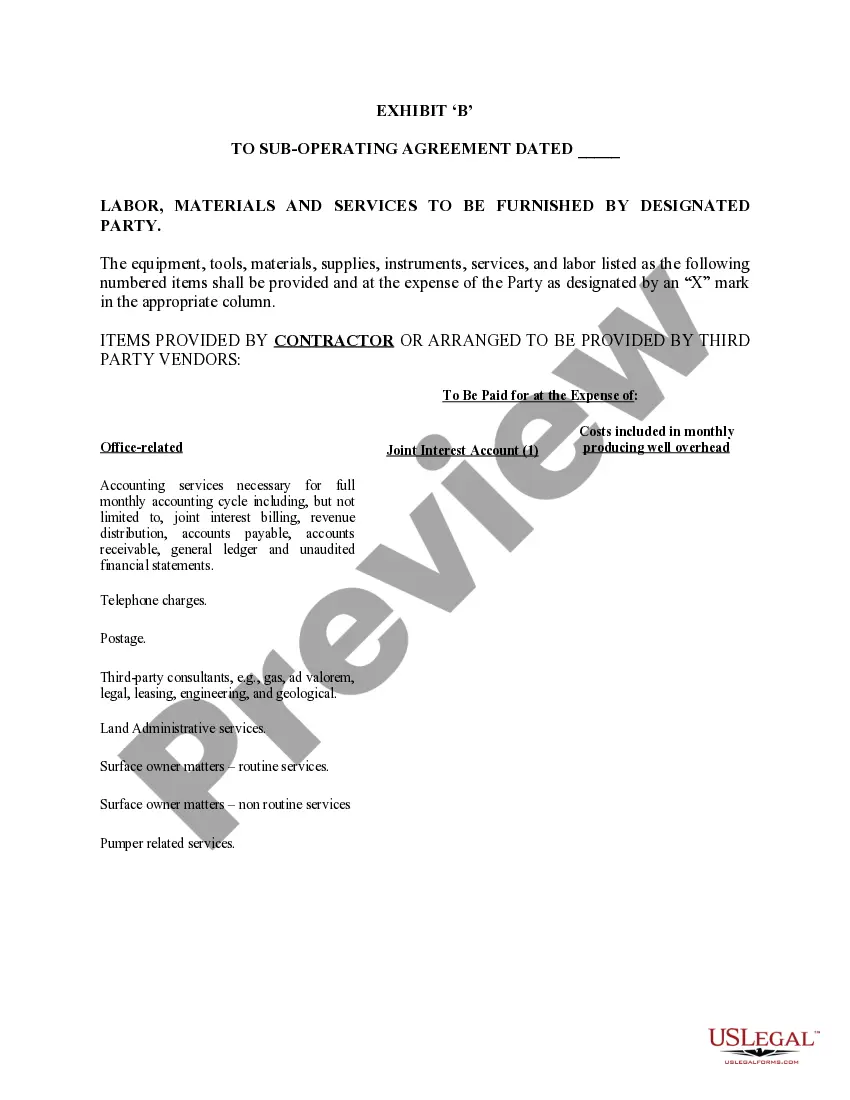
The agreement should cover the scope of work, responsibilities of each party, timelines, and how to resolve disputes. Basically, it’s the fine print that keeps things running smoothly.
It's essential because it helps prevent misunderstandings. With clear terms laid out, everyone can focus on getting the job done right without stepping on each other's toes.
Usually, it's between a primary operator, like a business or government agency, and a secondary operator, like a contractor or partner. Think of it as two teammates on the same field.
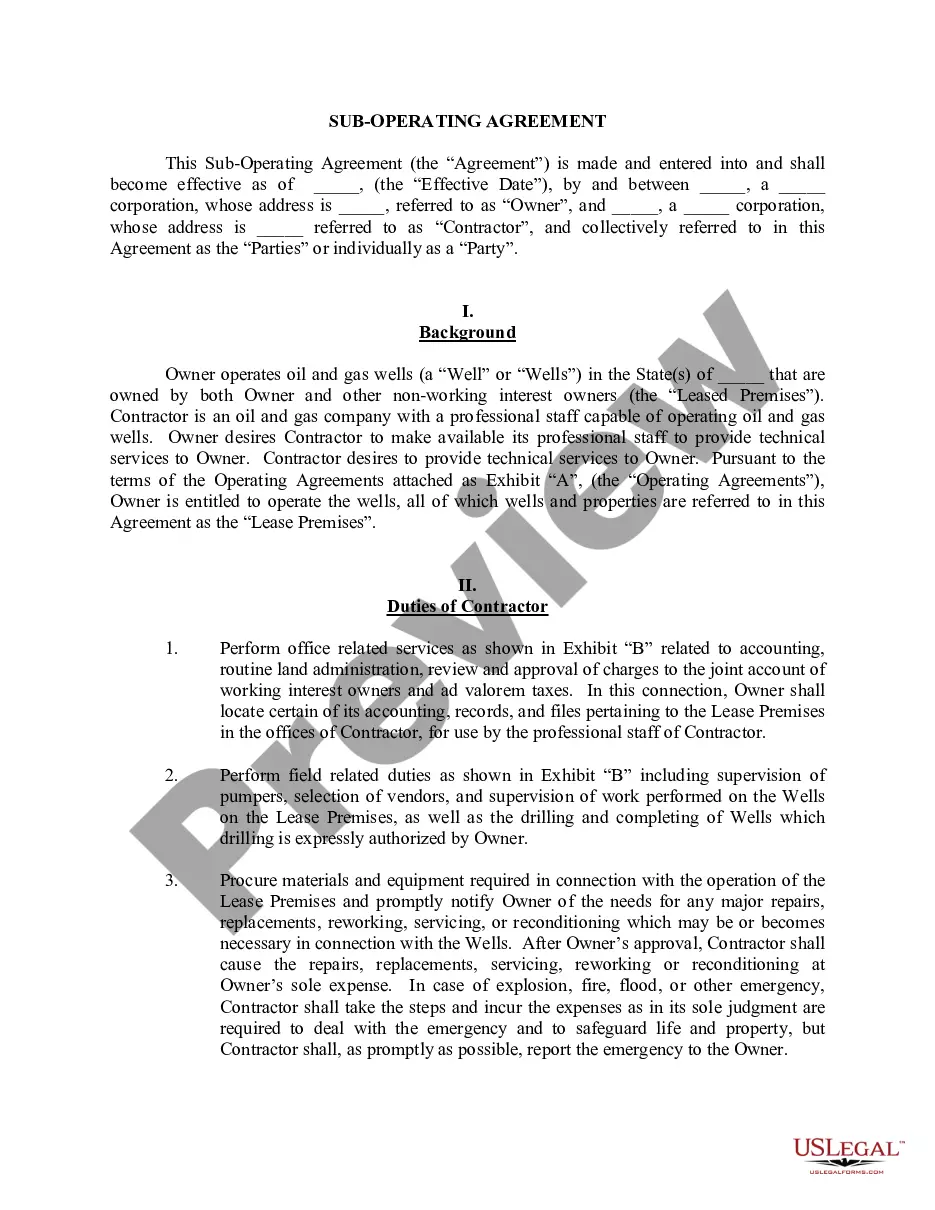
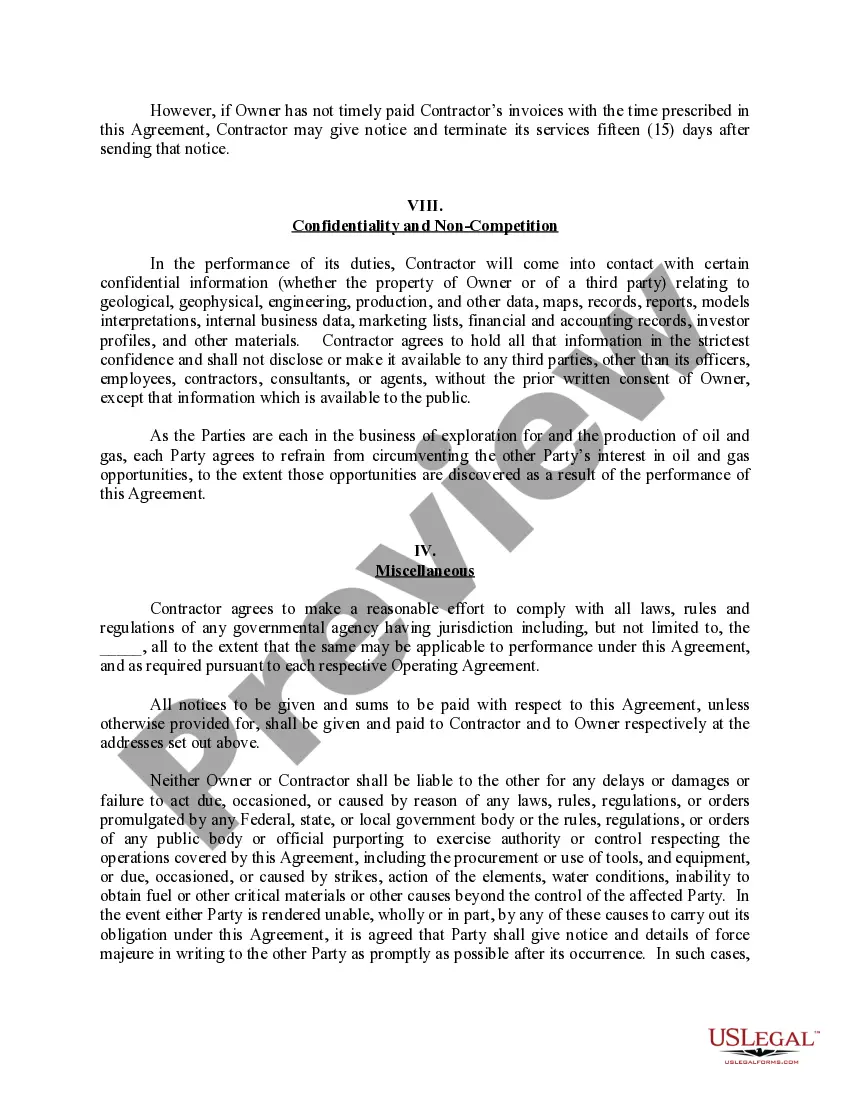
Operating Agreement is like a playbook that outlines how two parties work together on a specific project in Mesa. It sets the rules and responsibilities so everyone knows their part.