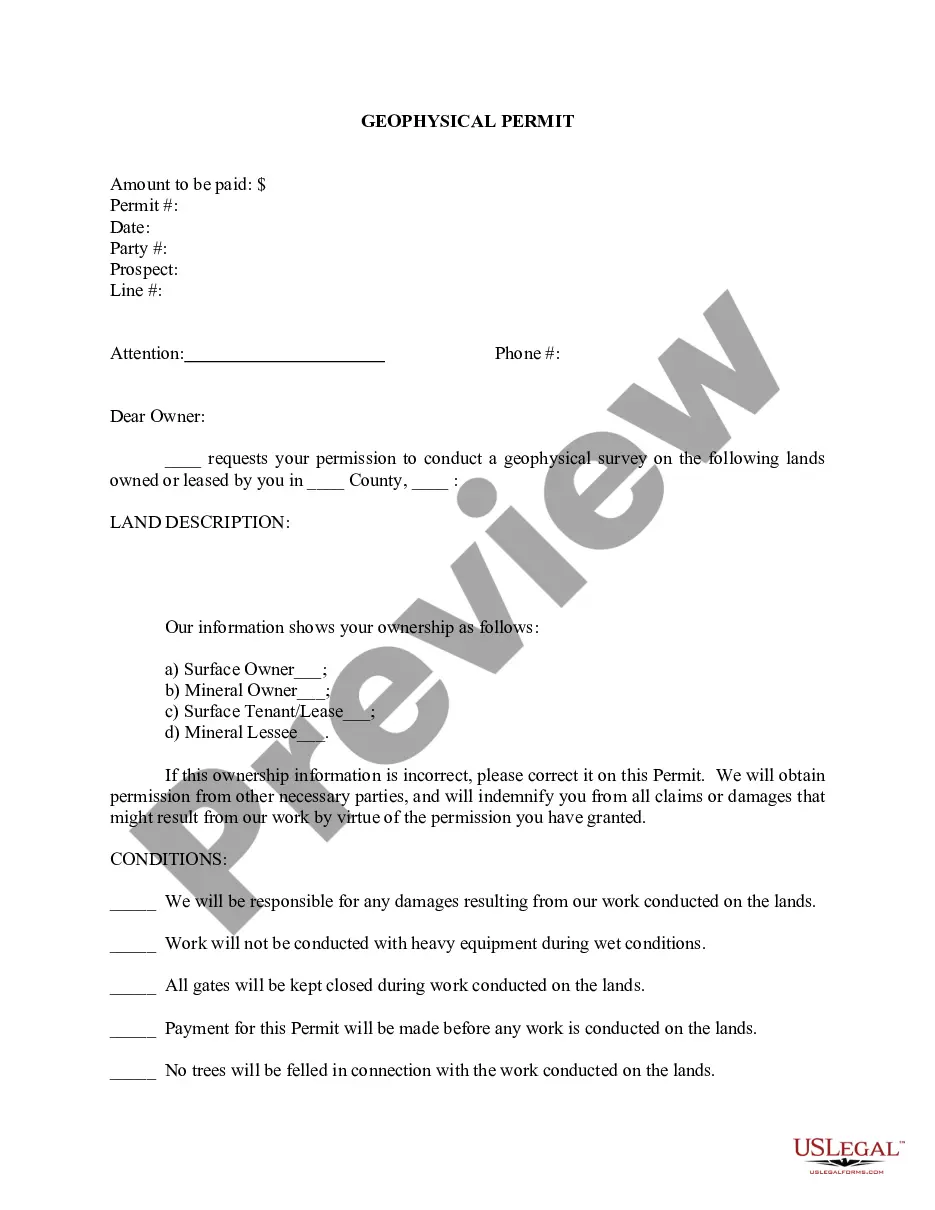
If you don’t get a geophysical permit, you could face fines or be ordered to stop your work, so it’s wise to dot your i's and cross your t's before starting any project.
Yes, there may be restrictions on where and when geophysical activities can take place, especially in residential areas or near sensitive environments. It’s best to check local guidelines.
The time it takes to get a geophysical permit can vary, but it's often a matter of weeks to a couple of months, depending on the project's complexity and local regulations.
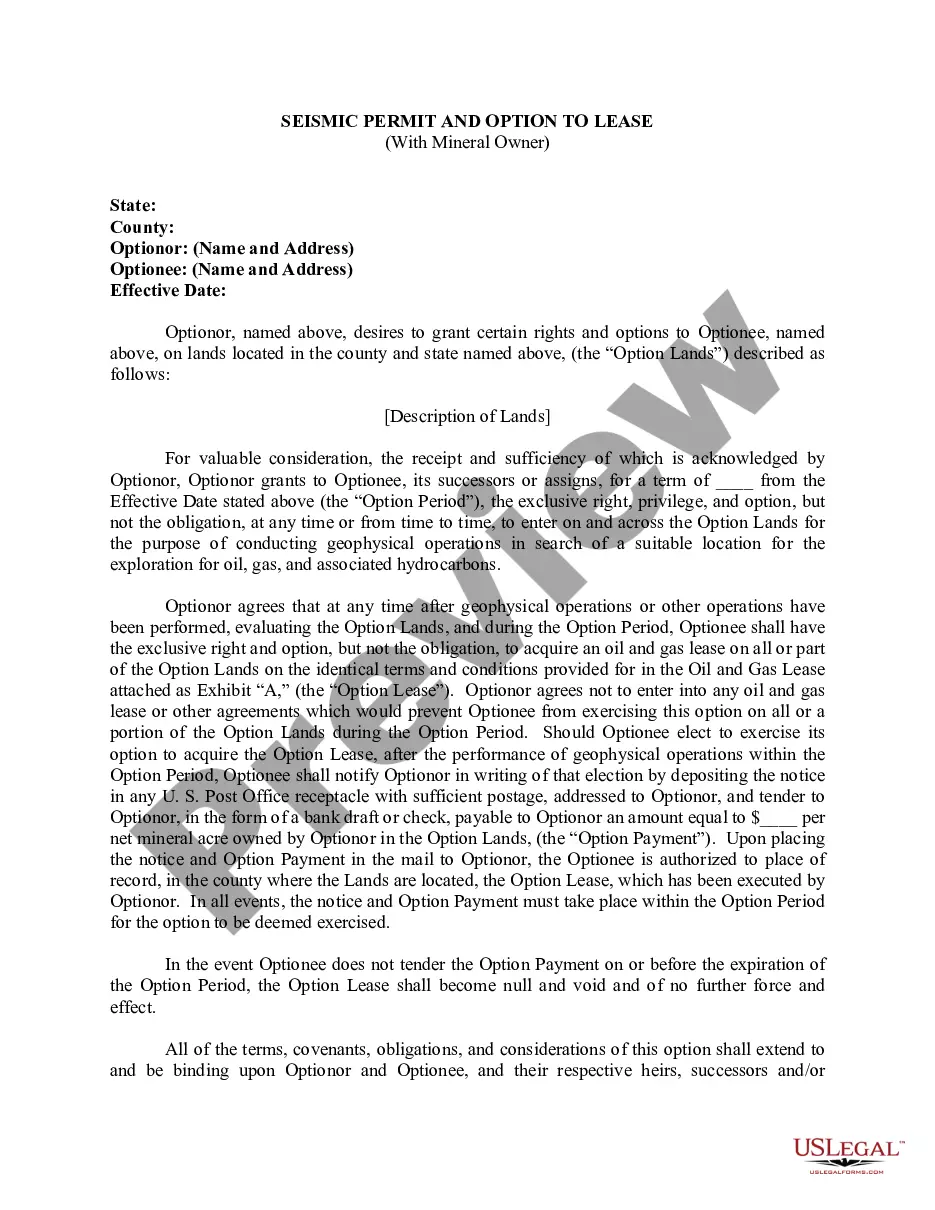
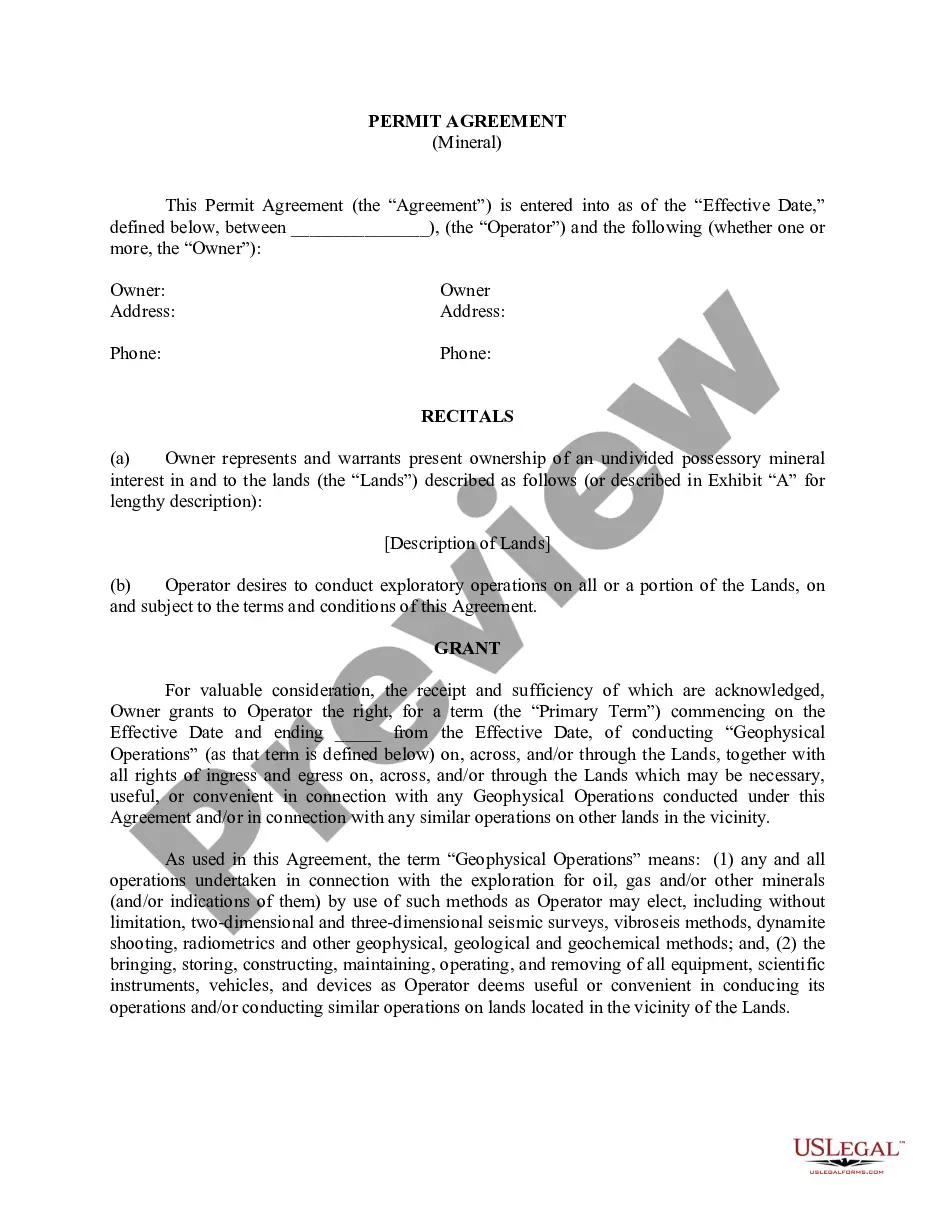
Activities like seismic surveys, soil boring, and exploratory drilling usually require a geophysical permit, as they involve digging or analyzing the subsurface.
To apply for a geophysical permit in Plano, you generally need to submit an application to the local government department that manages these permits, along with some specifics about your project.
You need a geophysical permit to ensure that any surveys or testing done don't disrupt the environment or local communities, making sure everyone plays nice.
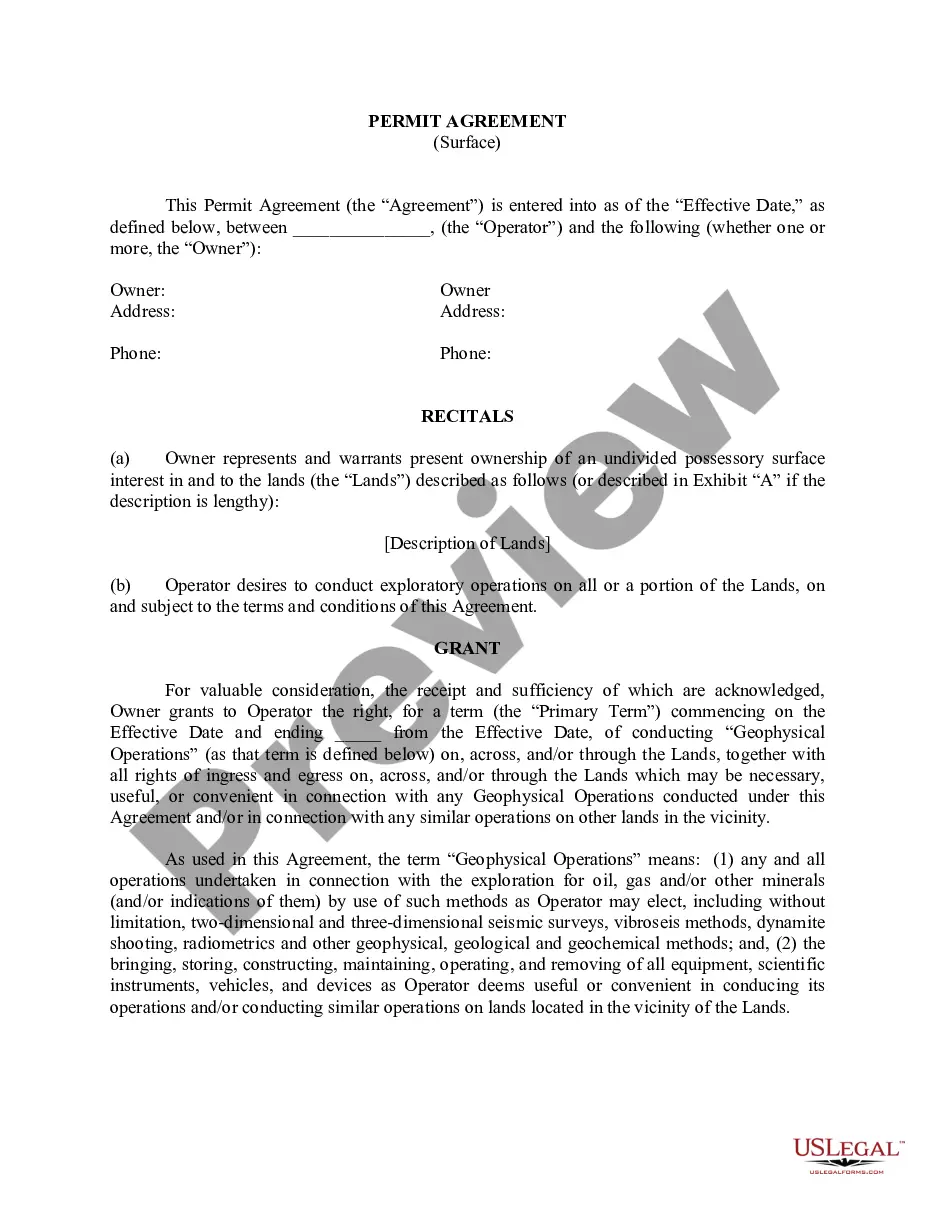
A geophysical permit in Plano, Texas is an official approval that allows companies to carry out geological surveys and tests in the area, helping to understand the ground beneath the surface.