Absolutely! The city wants to ensure that your activities don't harm the environment. You'll likely need to show that you’ll be responsible and make minimal impact on the land and surroundings.
Yes, if you think a permit decision is unfair, you can appeal. Just like contesting a parking ticket, there's a formal process in place to voice your concerns and seek a review.
Operating without a permit is like driving without a license; you run the risk of fines and you may have to halt your project until you get the proper approval. It's better to play it safe and get the paperwork squared away.
The wait time can vary, but generally, you can expect the process to take a few weeks. Think of it as waiting for your favorite dish to cook—it takes time, but it's worth it in the end!
Applying for a permit is like filling out a form for a library card: you gather your information and submit it to the right folks, typically at the city’s planning or building department. They guide you through the process.
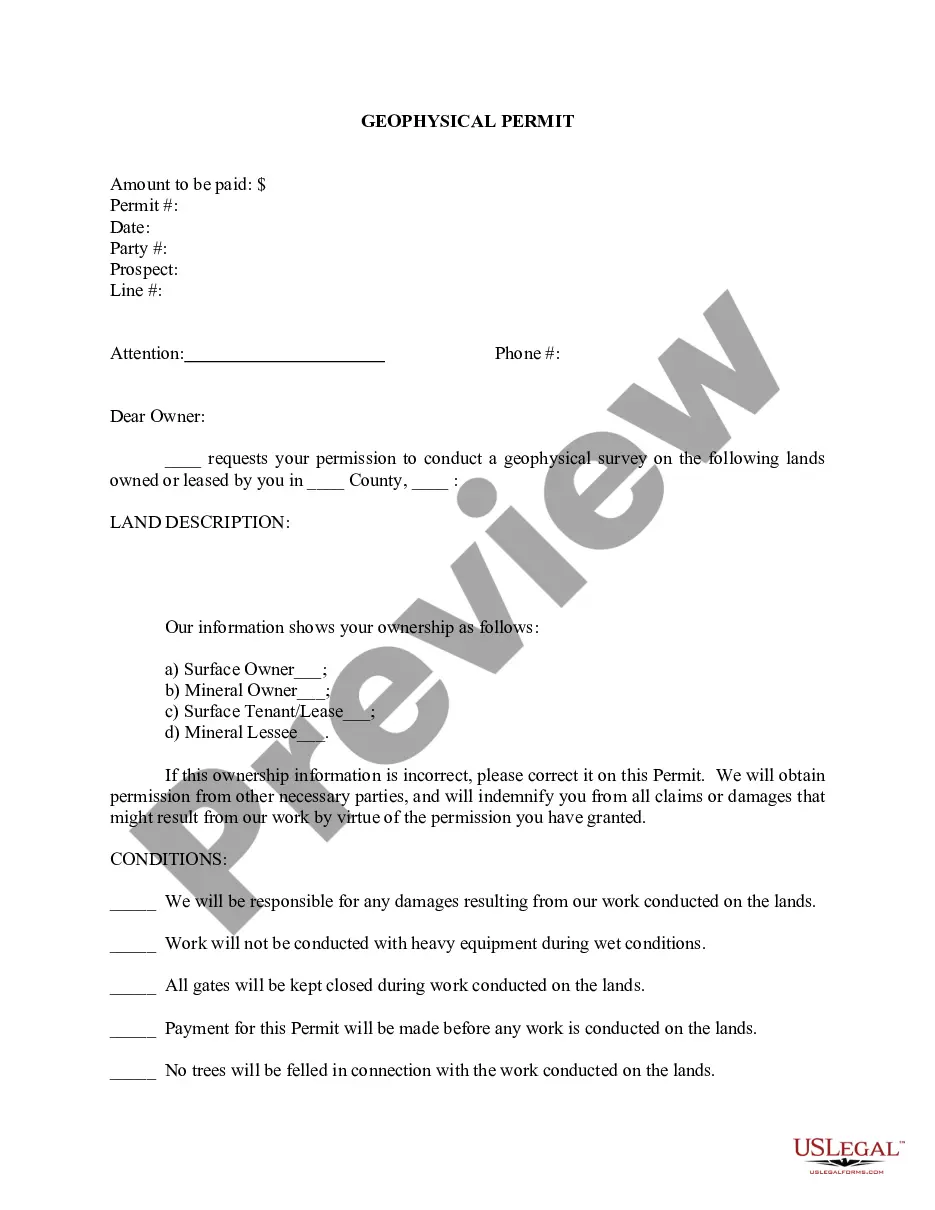
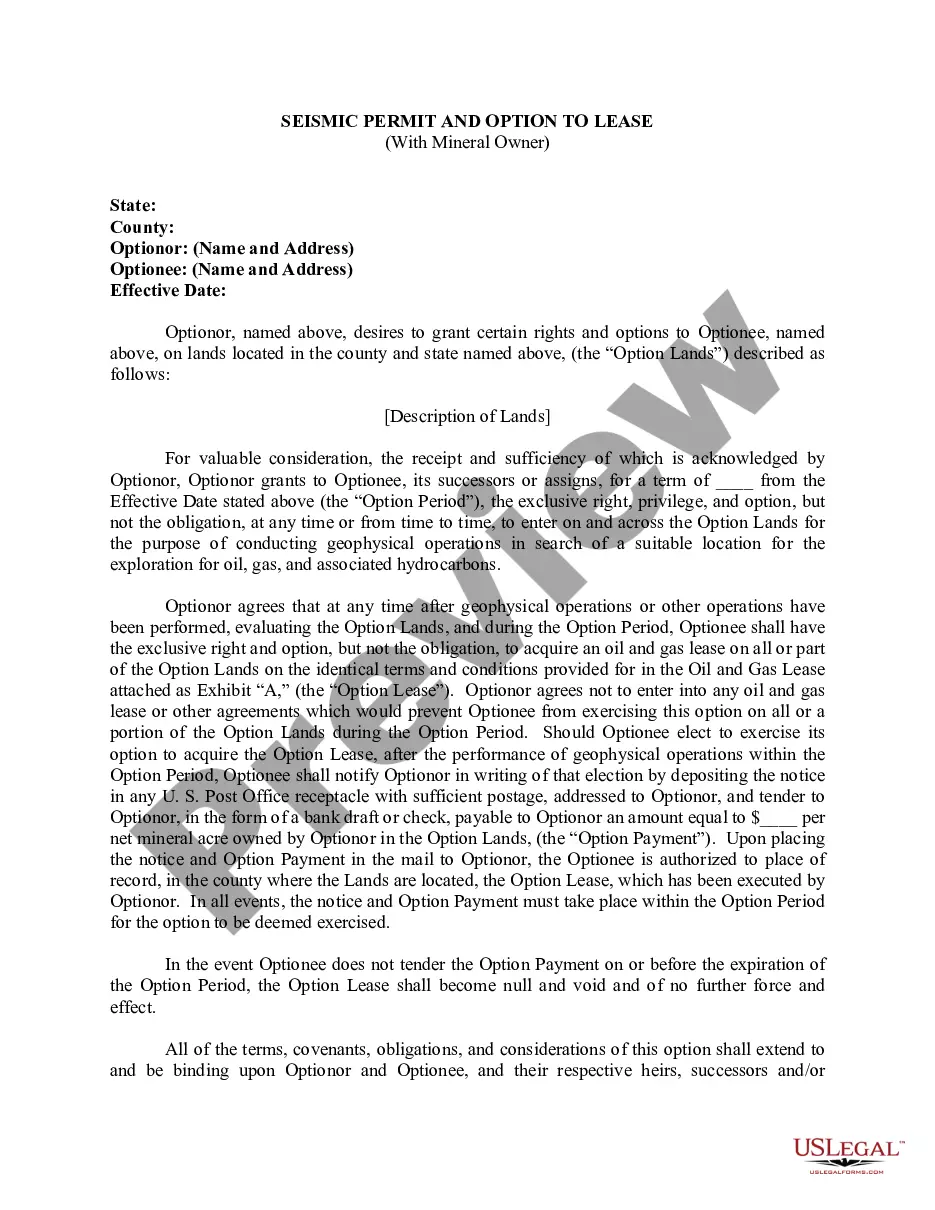
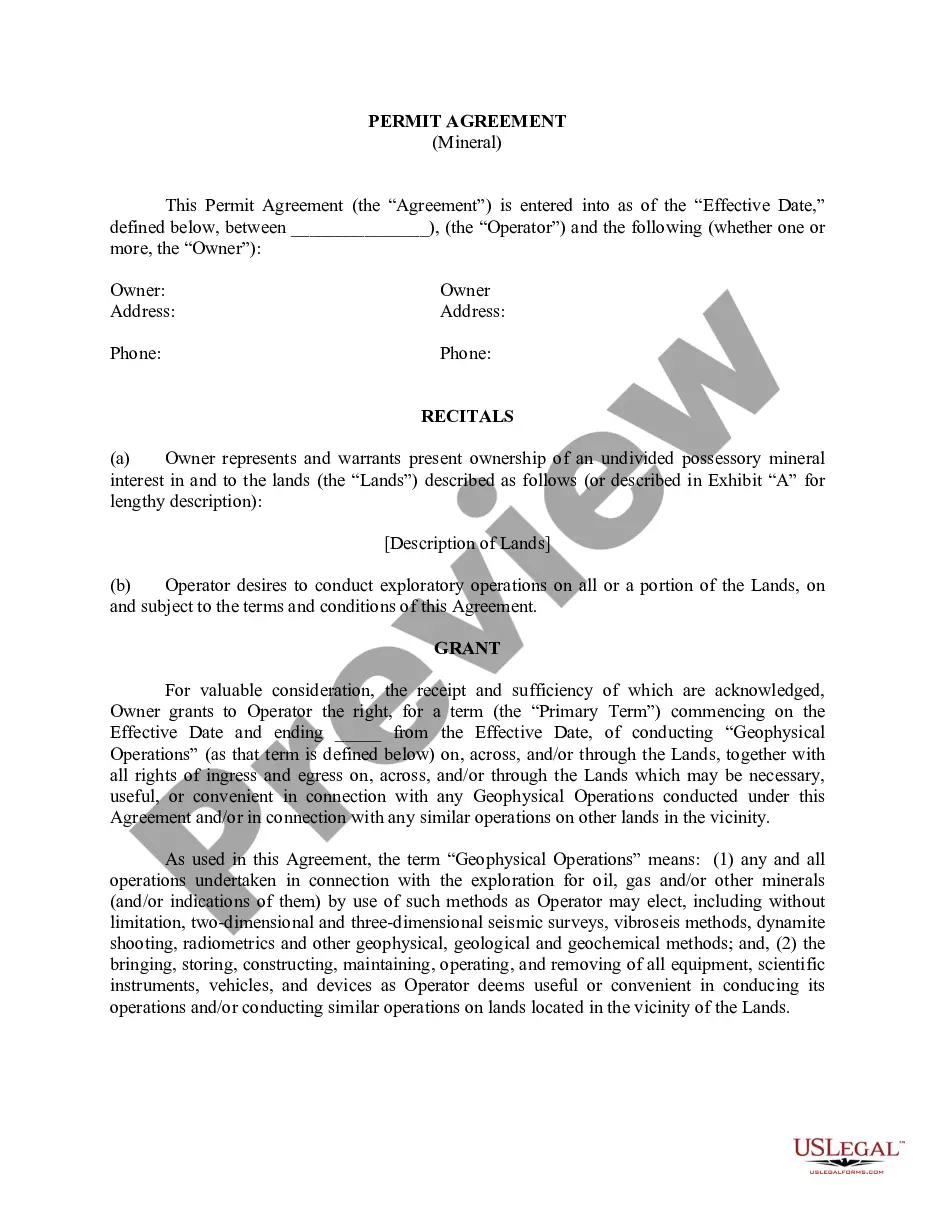
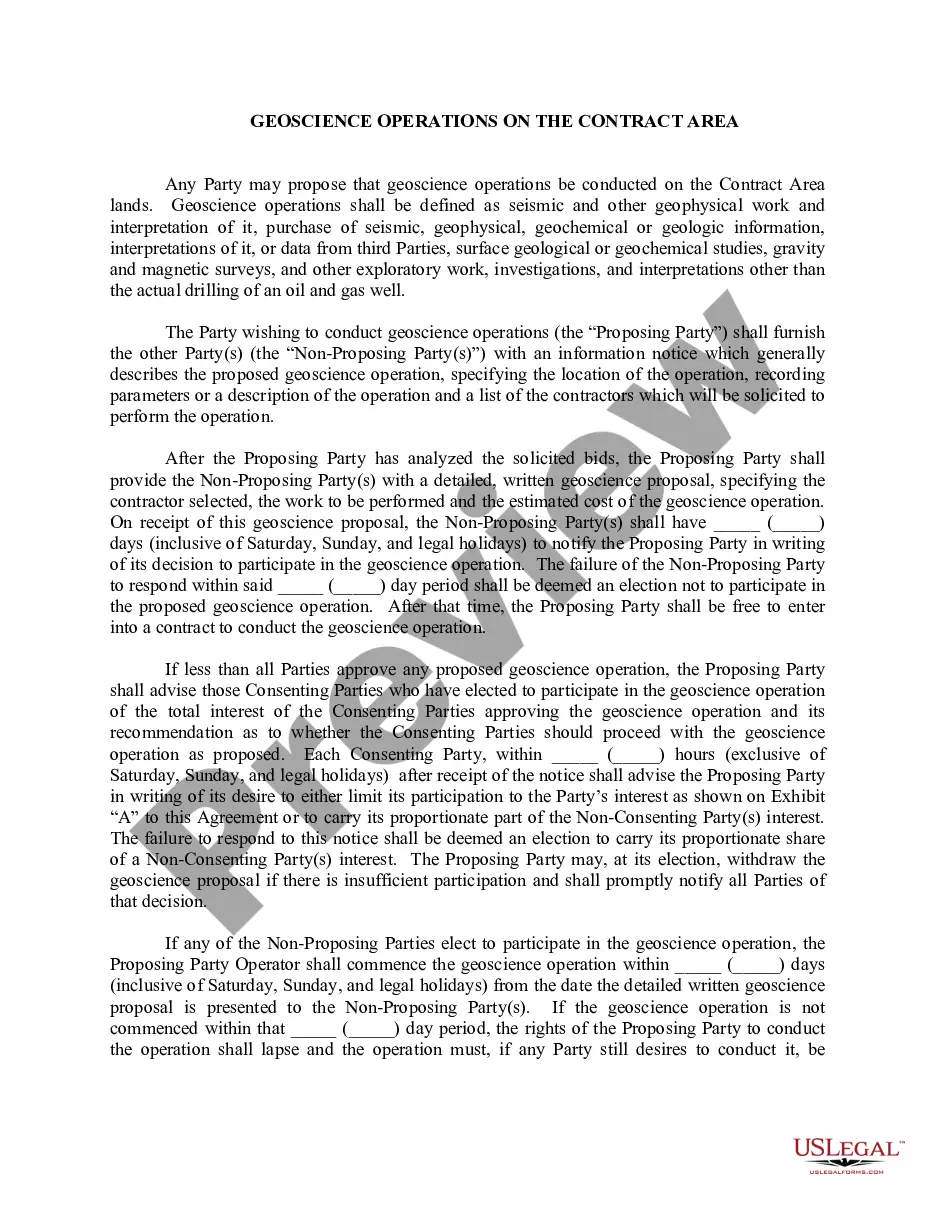
If you're planning any sort of digging, drilling, or geophysical exploration, you’ll need a permit. This applies to contractors, researchers, and developers alike—anyone who wants to poke around beneath the surface.
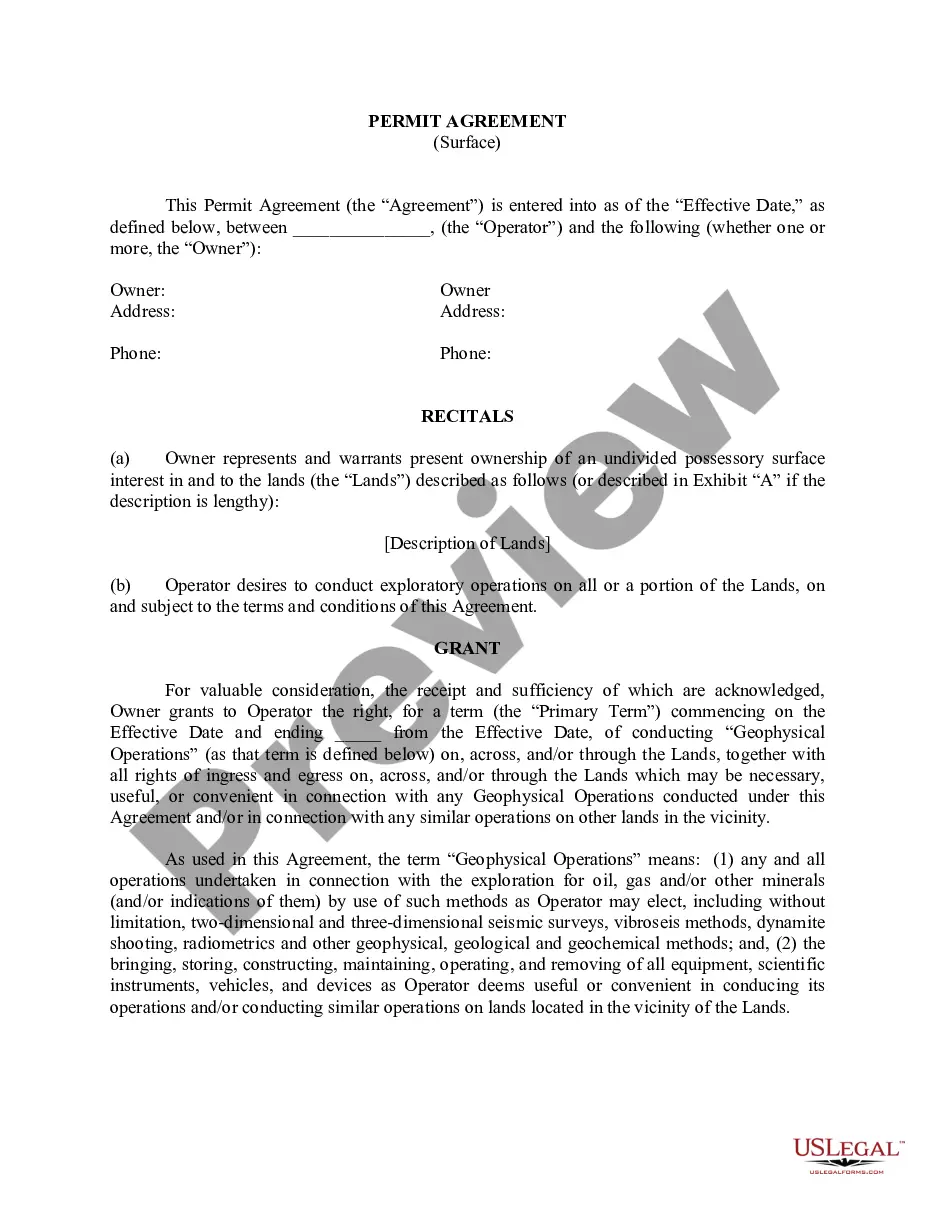
A geophysical permit is like a green light that allows you to conduct surveys and studies of the earth's layers and features in Columbus. It’s essential for anyone looking to gather data on the ground before starting construction or other projects.