The timeline can vary, depending on the number of members involved and how smoothly everyone agrees on the details. It’s like waiting for a pot of water to boil—it takes time and patience.
You can seek help from real estate professionals, attorneys who specialize in property law, or even local government offices that can guide you through the process.
Yes, there can be risks, like disagreements among members or complications with managing the property alone. It’s important to weigh the pros and cons before making a move.
The benefits include greater control over your property, not having to share decisions with others, and possibly improving the overall management of your property.
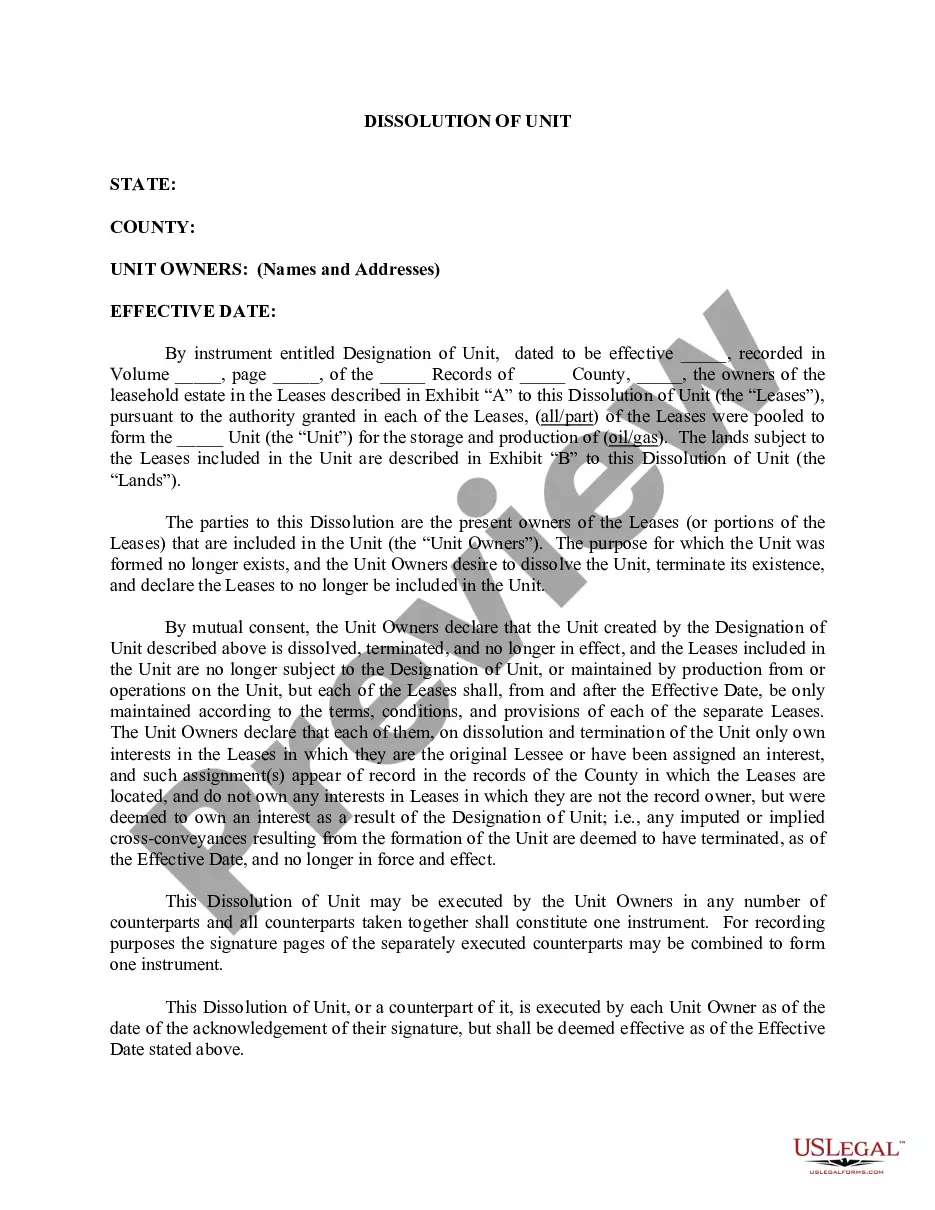
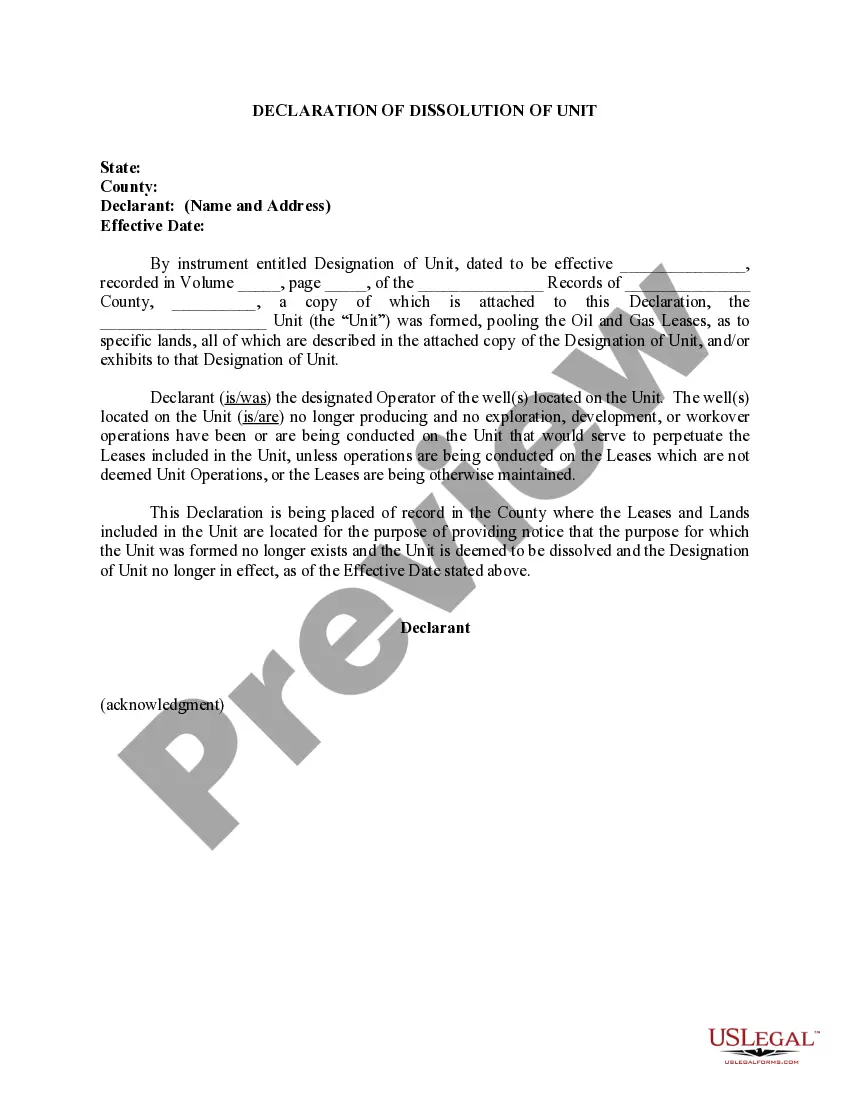
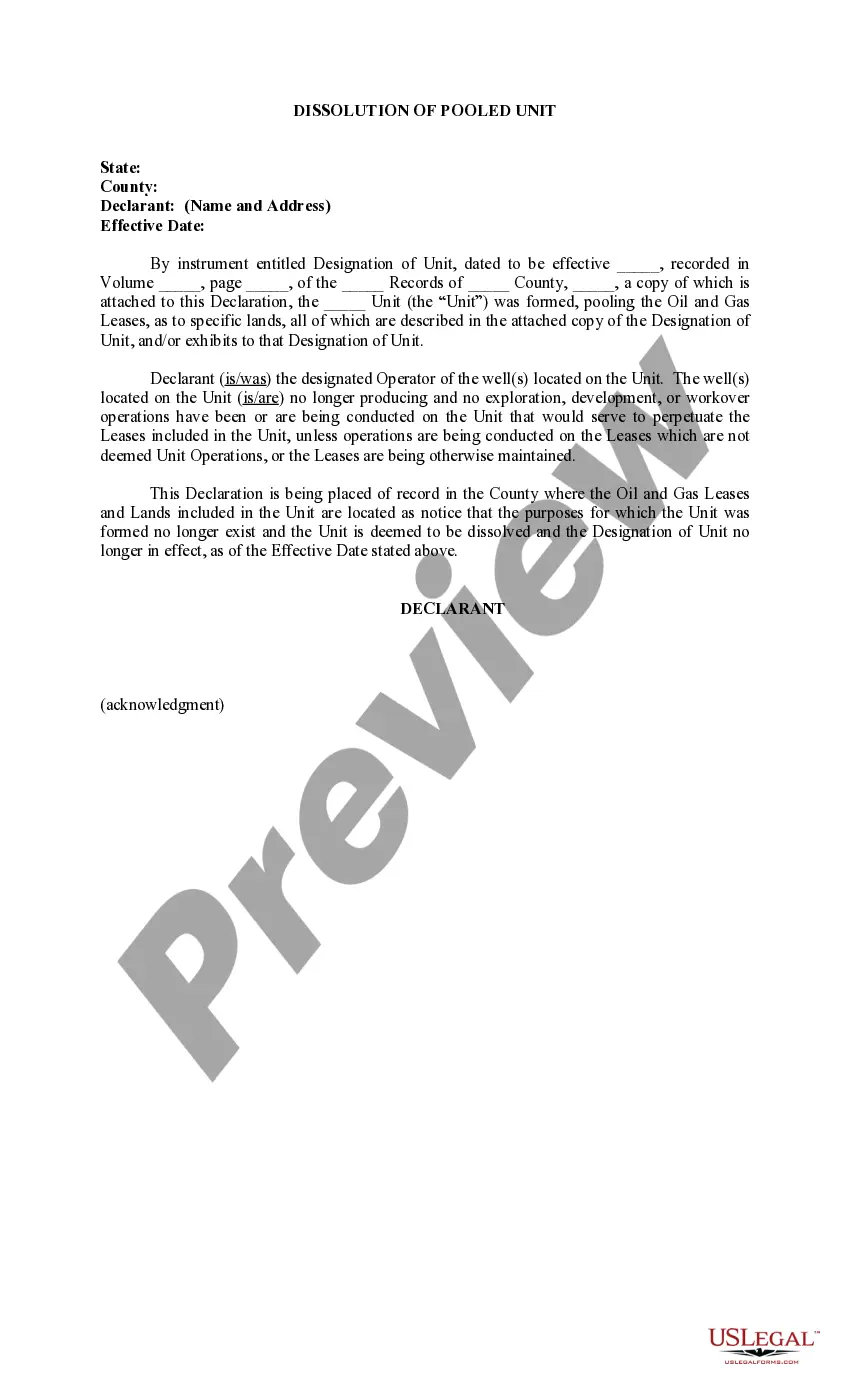
The process usually involves a few steps, including gathering agreement from the members, filing the necessary paperwork, and making sure all parties are on the same page. It’s about tying up loose ends.
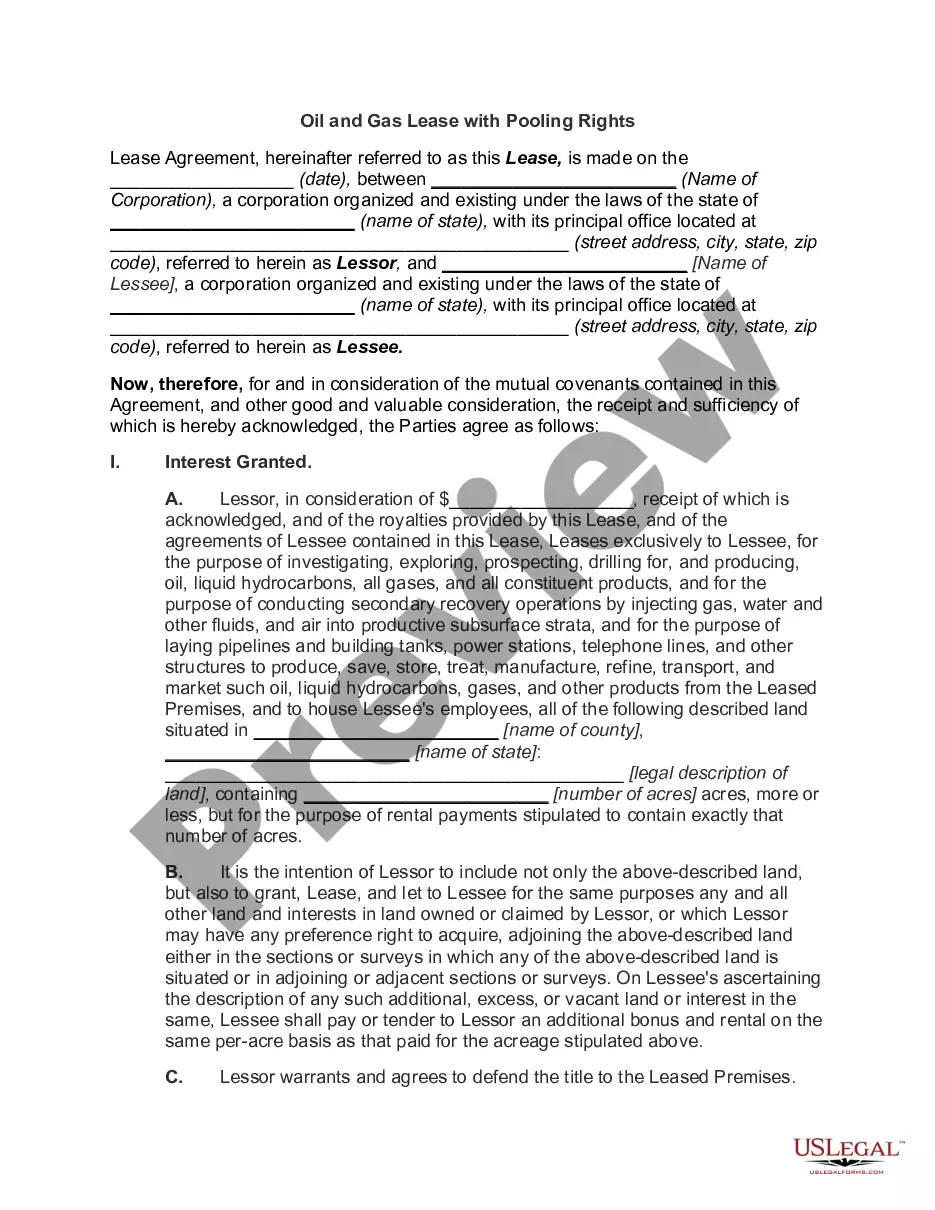
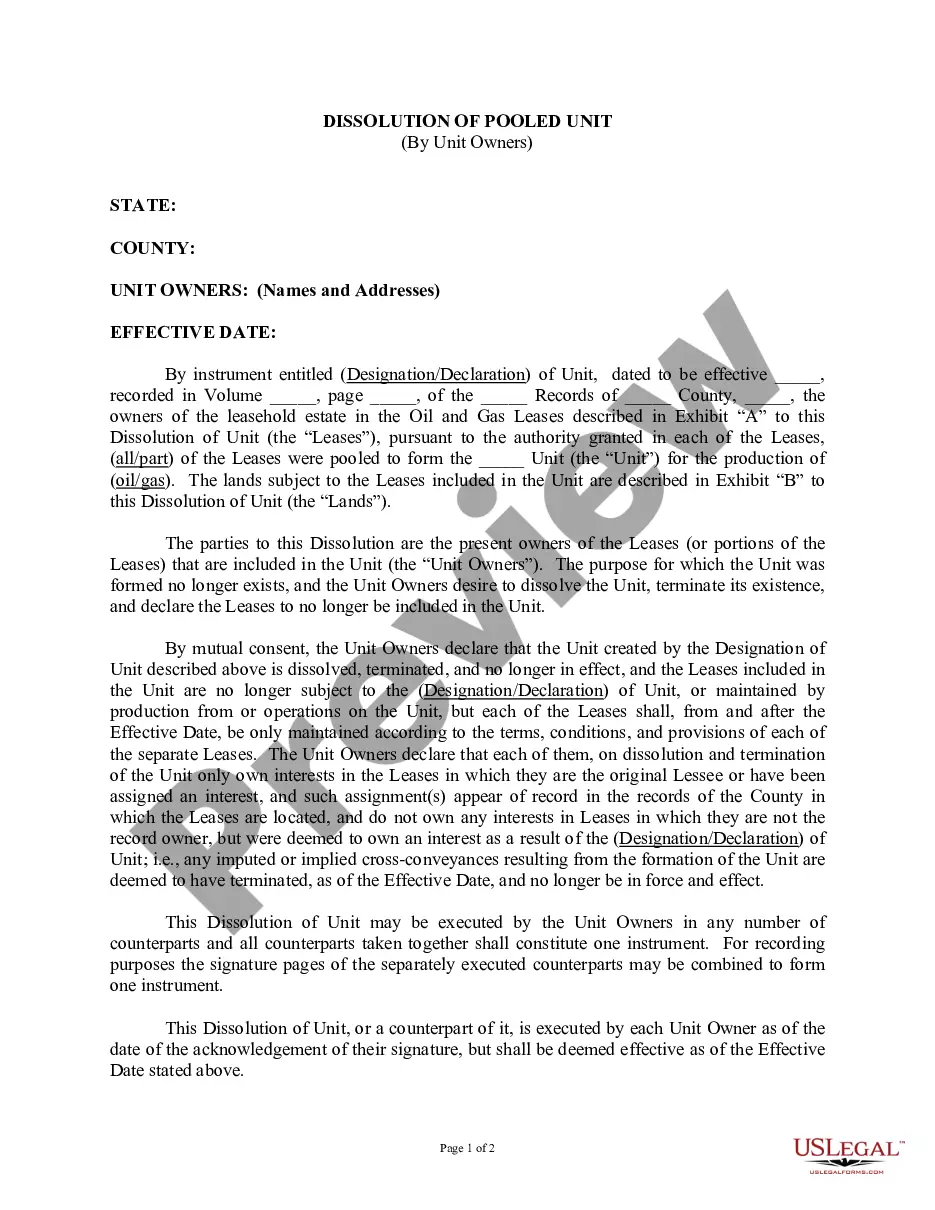
People might want to dissolve a pooled unit for various reasons, such as wanting to manage their property individually or not being satisfied with how the pooled unit was running.
Dissolving a pooled unit in Long Beach means that a group of properties, which were working together for a common goal, will no longer function as a single entity. It's like breaking up a team.