Changes can usually be made, but it's best to chat with the management as soon as possible. Don't hesitate to ask them about your options, as they might work with you.
While it's not always a must, having insurance can save your bacon if anything goes south. Check if the facility offers insurance or see if your homeowner's policy covers your stuff.
Many places offer 24/7 access, but some have specific hours. Make sure to check the access times before you lock in your lease, so you're not left in the lurch.
Yes, most places have a no-no list. Typically, you can’t store perishables, hazardous materials, or stolen goods. It's best to read the lease carefully to stay in the clear.
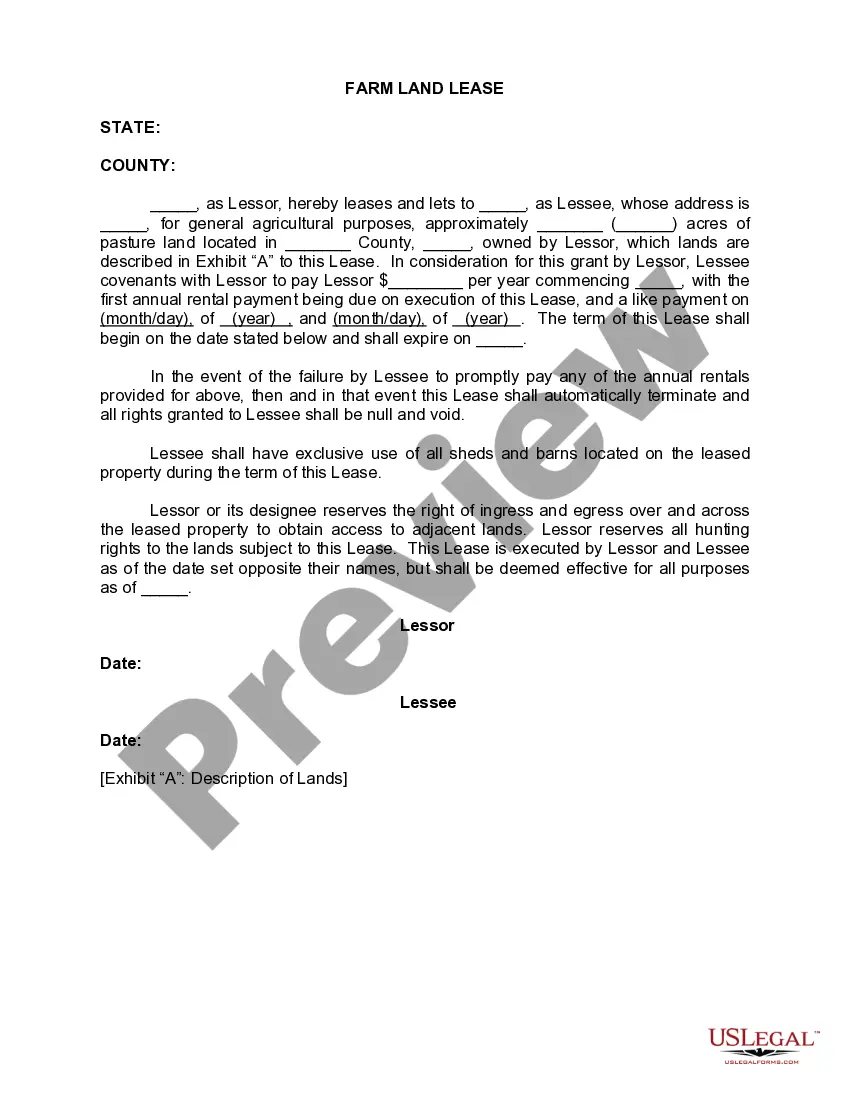
Start by making a list of what you'll store. That way, you can pick a unit that fits your belongings like a glove. Also, consider whether you want climate control for sensitive items or just a regular space.
Before you put pen to paper, think about what size unit you need, how long you'll be storing your stuff, and the location of the facility. Don't forget to check the security features and accessibility hours.